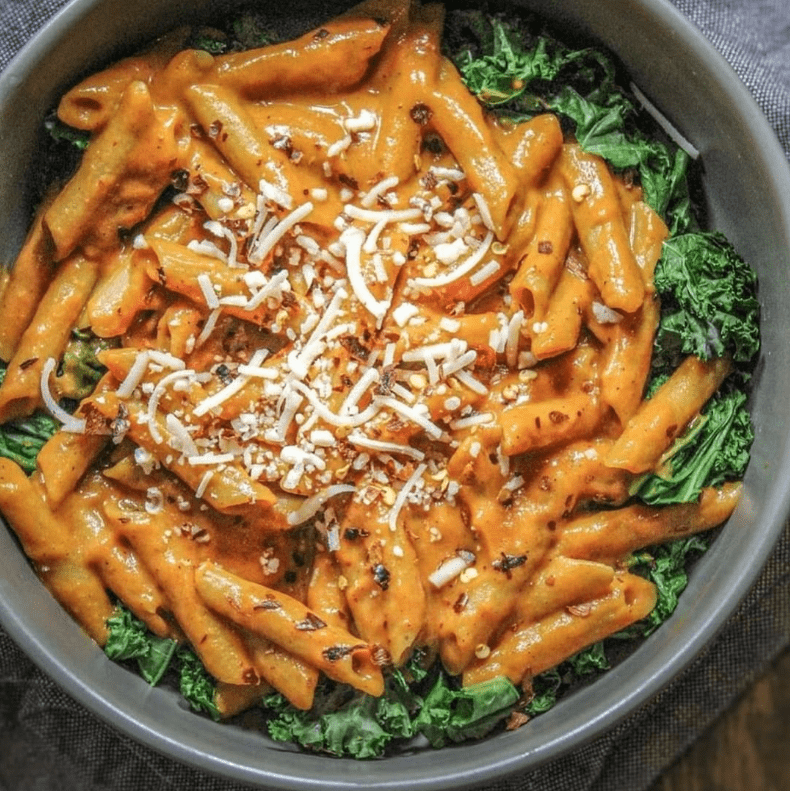
If you have ever made pumpkin fritters and been disappointed — if the result was dense and doughy and tasted more of batter than pumpkin, or if the exterior was soft instead of golden, or if the whole thing fell apart in the pan — then this recipe is the one that fixes every one of those problems, because this recipe starts from the beginning and gets everything right. These Vegan Pumpkin Fritters are made with roasted pumpkin rather than raw grated pumpkin, and that single decision changes everything: roasted pumpkin is concentrated and dry and deeply sweet in a way that raw pumpkin is not, with a caramelized, almost nutty flavor that raw pumpkin never achieves, and when it is mashed and folded into the fritter batter the result is a fritter that is 70% pumpkin by flavor if not by weight, that holds together through frying without needing eggs, that is tender and creamy at the center and crispy and golden at the edges, and that tastes so completely and so satisfyingly of pumpkin that the first bite is always a mild revelation — not because it is complicated, but because it is exactly what pumpkin fritters should be and so rarely are.
The secret is the roast-and-mash technique. Raw grated pumpkin contains a high percentage of water — typically 88–92% by weight — which makes it difficult to fry to a crispy exterior without either burning the surface or steaming the interior. Roasting concentrates the pumpkin dramatically: a 500g piece of raw pumpkin roasted at 200°C (400°F) for 25 minutes loses 35–40% of its water content through evaporation, leaving behind a dense, sweet, intensely flavored flesh that mashes to a thick, cohesive purée with very little residual moisture. This concentrated pumpkin purée — unlike raw grated pumpkin, which must be salted and squeezed before use — can be folded directly into the fritter batter without additional moisture management steps, and the reduced water content means the fritter fries to a genuinely crispy exterior without generating the steam that makes raw-pumpkin fritters soggy. The roasting also develops the Maillard reaction in the pumpkin flesh, producing caramelized flavor compounds that add sweetness and depth to the finished fritter in a way that raw pumpkin cannot replicate.
What makes this recipe so outstanding is the herb and spice combination — fresh sage fried in olive oil until crisp, then crumbled into the batter alongside nutritional yeast, smoked paprika, and a pinch of nutmeg. Sage is pumpkin’s natural companion: its earthy, slightly resinous, faintly peppery flavor balances the sweetness of the roasted pumpkin and adds an autumnal depth that lifts the fritter from the merely delicious into the genuinely memorable. The nutritional yeast adds savory, umami depth that makes the fritters satisfying as a main course component rather than only a side dish or snack. A binding of chickpea flour — which sets to a firm, structured matrix when fried and has a natural savory flavor that complements both pumpkin and sage — holds the fritters together through frying without any need for eggs or flax eggs.
This recipe is 100% vegan, naturally gluten-free when made with certified gluten-free chickpea flour, and produces fritters that are so satisfying and so full of flavor that they work equally well as an autumn breakfast, a dinner party starter, or a weeknight side dish alongside soup or a simple salad.
Recipe Information
| Prep Time | Cook Time | Total Time | Servings | Calories |
|---|---|---|---|---|
| 10 mins | 35 mins (incl. roasting) | 45 mins | 10 fritters (4 servings) | ~195 kcal |
Ingredients
For Roasting the Pumpkin
- 600g (21oz) raw pumpkin or butternut squash, peeled, seeded, and cut into 3cm (1¼ inch) cubes
- 1 tbsp olive oil
- ½ tsp fine salt
- ¼ tsp black pepper
For the Fried Sage
- 1 tbsp olive oil
- 12–15 fresh sage leaves (fresh is essential — dried sage does not crisp and has a dusty rather than aromatic flavor)
For the Fritter Batter
- ½ cup (50g) chickpea flour (also sold as besan or gram flour — provides structure, binding, and a savory flavor; do not substitute all-purpose flour, which does not bind as effectively without eggs)
- 2 tbsp nutritional yeast
- 1 tsp smoked paprika
- ½ tsp ground nutmeg (freshly grated if possible — the flavor is dramatically superior to pre-ground)
- ½ tsp fine salt (taste the mashed pumpkin before adding — it may need more or less depending on how well it was seasoned during roasting)
- ¼ tsp black pepper
- 2–3 tbsp water (to bring the batter together — add slowly, as the moisture in the roasted pumpkin varies)
- All of the roasted pumpkin, mashed
- All of the fried sage leaves, crumbled
- 3 spring onions (scallions), finely sliced
For Frying
- 4–5 tbsp olive oil or neutral oil (for frying)
For Serving
- Vegan sour cream or coconut yogurt
- Fresh sage leaves (extra, fried until crisp in the same pan)
- Flaky sea salt
- Maple syrup or pomegranate molasses (for sweet serving)
- Lemon wedges (for savory serving)
Instructions
- Roast the pumpkin. Preheat the oven to 200°C (400°F). Line a large baking sheet with parchment paper. Toss the pumpkin cubes with the olive oil, salt, and pepper and spread in a single layer on the prepared baking sheet — do not crowd the pieces, or they will steam rather than roast. Roast for 25–28 minutes until the pumpkin is tender throughout (a skewer or knife should slide in without resistance) and the cut surfaces are lightly golden and caramelized at the edges. Remove from the oven and leave to cool for 5 minutes.
- Mash the pumpkin. Transfer the roasted pumpkin to a large bowl and mash thoroughly with a fork or potato masher until smooth with no large lumps. The mash should be thick and slightly sticky — not watery. If the mash seems wet (this varies by pumpkin variety and water content), leave it to cool uncovered for 5 minutes longer, as it will dry slightly as it cools. Taste and adjust salt. Set aside.
- Fry the sage. Heat 1 tablespoon of olive oil in a small frying pan over medium-high heat until shimmering. Add the fresh sage leaves in a single layer — they will sizzle immediately. Fry for 20–30 seconds per side until crisp, bright green, and fragrant. Remove with a slotted spoon and drain on a paper towel. Leave to cool for 1 minute until crisp, then crumble roughly between your fingers into small pieces. Reserve the sage-infused oil in the pan for frying the fritters.
- Make the batter. Add the chickpea flour, nutritional yeast, smoked paprika, nutmeg, salt, and black pepper to the bowl with the mashed pumpkin. Mix with a fork until evenly combined — the mixture will be thick and slightly stiff. Add the crumbled sage and sliced spring onions and fold in. Add water one tablespoon at a time until the mixture holds together when pressed — it should be thick enough to scoop and shape into a patty without slumping, but moist enough to not crack at the edges. Start with 2 tablespoons of water and add a third only if needed.
- Shape the fritters. Divide the mixture into 10 equal portions (approximately 2 heaped tablespoons each). Using lightly oiled or damp hands, shape each portion into a round patty approximately 7cm (2¾ inches) in diameter and 1.5cm (⅝ inch) thick. Uniform thickness ensures even cooking — fritters that are thicker at the center than at the edges will be undercooked in the middle before the exterior is browned.
- Fry the fritters. Add the olive oil to the pan with the reserved sage-infused oil and heat over medium heat until shimmering — the total oil depth should be approximately 3–4mm (⅛ inch). Working in batches of 4–5, carefully lower the shaped fritters into the oil. Cook for 3–4 minutes on the first side without moving — the fritter is ready to flip when the underside is deep golden and the edges look set and dry rather than shiny and wet. Flip carefully with a wide spatula and cook for a further 2–3 minutes on the second side until deep golden. Transfer to a wire rack. Repeat with remaining fritters, adding a little more oil between batches as needed.
- Serve immediately. Arrange the fritters on a warm plate or serving board. Sprinkle with flaky sea salt. Garnish with any additional fried sage leaves. Serve with vegan sour cream or coconut yogurt alongside, with lemon wedges for squeezing if serving as a savory course, or with a small drizzle of maple syrup or pomegranate molasses for an autumn breakfast plate.
Pro Tips
- Roast, don’t raw-grate — the roast-and-mash technique is the technique that makes this recipe. Raw grated pumpkin requires salting, squeezing, and still produces a wetter fritter batter than mashed roasted pumpkin. Roasting concentrates the flavor and removes moisture simultaneously, and the caramelized flavor of roasted pumpkin is incomparably better in a fritter than raw. If you are short on time, a microwave works: pierce the pumpkin cubes all over, microwave on high for 6–8 minutes until completely soft, then scoop the flesh and mash.
- Use chickpea flour for binding and flavor — chickpea flour sets to a firm, cohesive structure when fried and has a natural savory, slightly nutty flavor that is one of the best complement flavors for pumpkin in existence. It also makes the fritters naturally gluten-free. All-purpose flour can be substituted in equal quantity but produces a slightly less structured fritter that is more prone to falling apart; add an additional tablespoon of aquafaba or flax egg if substituting.
- Fry the sage separately first — crisped sage crumbled into the batter distributes more evenly and has a more pronounced flavor than sage added raw. Raw sage added to the batter fries unevenly — some pieces burn, others remain soft — and the flavor is less aromatic than pre-crisped sage. The extra 2 minutes of frying the sage is one of the best returns on time investment in this recipe.
- Shape into even patties — use damp or lightly oiled hands to shape the fritters and aim for consistent thickness across each one. A fritter that is thick in the center and thin at the edges will have a burnt edge and an undercooked center. Press each patty with two hands into a uniform disc — the few extra seconds per fritter pay off in every one cooking perfectly in the same amount of time.
Pumpkin and Sage: An Autumn Pairing Rooted in Italian Cooking
The combination of pumpkin and sage — now one of the signature flavor pairings of autumn cooking worldwide — has its deepest roots in northern Italian cuisine, particularly in the Lombardy and Veneto regions where pumpkin (zucca) has been cultivated and eaten since its introduction to Europe from the Americas in the sixteenth century. The pairing appears in some of Italy’s most celebrated autumn dishes: tortelli di zucca (fresh pasta filled with pumpkin, crushed amaretti biscuits, and mostarda, served with brown butter and sage), risotto alla zucca con salvia, and the simple but definitive preparation of roasted zucca topped with fried sage leaves and olive oil that appears on trattoria menus throughout northern Italy from September through December. The affinity between pumpkin and sage is not accidental — the earthiness and slight resinous quality of sage balances the sweetness of the pumpkin in a way that no other herb quite achieves, while the fat used to fry the sage (whether butter or olive oil) carries the sage’s aromatic compounds and coats the pumpkin in a fragrant richness that deepens with every bite. The fritter in this recipe is a plant-based adaptation of this centuries-old Italian pairing, transposed into a form — the fried patty — that belongs to a different culinary tradition but that honors the same fundamental understanding of how pumpkin and sage work together.
Flavor Variations
- Pumpkin Fritters with Pecans and Maple: Fold ¼ cup of roughly chopped toasted pecans into the batter and serve the finished fritters with a generous drizzle of pure maple syrup and a pinch of flaky sea salt for a sweet, nutty, autumnal breakfast plate that makes a strong case for pumpkin fritters as a dessert as much as a savory dish.
- Spiced Pumpkin Fritters with Harissa Yogurt: Add 1 teaspoon of harissa paste to the batter alongside the smoked paprika for a spicier, more complex fritter with North African-inflected heat, and serve with a dipping sauce of vegan yogurt mixed with 1 teaspoon of harissa, a squeeze of lemon, and fresh coriander leaves.
- Pumpkin and Black Bean Fritters: Fold ½ cup of drained canned black beans into the batter alongside the pumpkin for a more substantial, protein-richer fritter where the beans add a creamy, earthy contrast to the sweet pumpkin and the combination works beautifully with a smoky chipotle vegan aioli and fresh lime juice.
Nutritional Highlights (Per 2–3 Fritters)
| Calories | Protein | Carbs | Fiber | Fat |
|---|---|---|---|---|
| ~195 kcal | 5g | 22g | 4g | 9g |
Storage
- Best fresh: These fritters are best served within 10–15 minutes of frying. The roasted pumpkin base keeps the interior tender and creamy longer than raw-grated fritters, but the exterior softens over time at room temperature.
- Refrigerator: Store cooled fritters in an airtight container in the refrigerator for up to 4 days. The flavor deepens and improves overnight as the sage and spices meld with the pumpkin.
- Reheating: Reheat on a wire rack in an oven or air fryer at 200°C (400°F) for 7–9 minutes until crispy and heated through. A dry frying pan over medium heat for 2 minutes per side also works well and restores most of the original crispiness.
- Freezer: Freeze shaped, uncooked fritter patties on a parchment-lined tray until firm, then transfer to a sealed freezer bag for up to 2 months. Fry directly from frozen over medium-low heat for 5–6 minutes per side, covered for the first 3 minutes to ensure the center heats through, then uncovered for the final minutes to crisp the exterior.
- Make-ahead: The roasted pumpkin can be mashed and refrigerated for up to 3 days before making the batter. The complete batter (without frying) can be covered and refrigerated for up to 24 hours; shape and fry directly from the refrigerator, adding 1 minute per side to the cooking time.
Frequently Asked Questions
Can I use canned pumpkin purée to skip the roasting step?
Yes — substitute 300g (1¼ cups) of canned pumpkin purée (100% pumpkin, not pumpkin pie filling) directly for the roasted and mashed pumpkin. The flavor will be milder and less caramelized than the roasted version, but the fritters will hold together well and still be delicious. Reduce the water to 1 tablespoon or omit entirely, as canned purée is significantly wetter than mashed roasted pumpkin — the batter should be thick and shapeable before any water is added.
My fritters are sticking to the pan — what should I do?
Two possible causes: the oil is not hot enough when the fritters go in (the oil must be shimmering and hot enough that a pinch of batter dropped in sizzles immediately), or the fritters are being moved or flipped before the exterior has set. A properly fried fritter releases cleanly from the pan when the underside is set — if it resists, give it another 60 seconds and try again. Do not force a fritter off the pan before it releases on its own.
Can I make these in an air fryer?
Yes — brush or spray the shaped fritters generously on both sides with oil and air-fry at 200°C (400°F) for 12–14 minutes, flipping halfway, until golden and crispy. The air-fried version has a slightly drier exterior than the pan-fried version and is excellent. Use a silicone liner in the air fryer basket to prevent sticking, or spray the basket well with oil before adding the fritters.
What can I serve these with for a complete dinner?
These fritters make a satisfying light dinner served with a simple rocket (arugula) salad dressed with lemon juice and olive oil, vegan sour cream or a tahini drizzle, and roasted cherry tomatoes. They also work beautifully alongside a bowl of creamy vegan pumpkin soup (doubling down on the seasonal ingredient) or a simple lentil soup for a more substantial meal. For a dinner party starter, serve 2 fritters per person on a small plate with a quenelle of coconut yogurt, a few drops of pomegranate molasses, and a scatter of fresh pomegranate seeds and microherbs.
Tried this recipe? Leave a comment below and let us know how it turned out! Tag us on Instagram and Facebook — we love seeing your plant-powered creations. Looking for more addictive vegan snack and appetizer recipes? Browse all recipes on Easy Vegan Recipes — new recipes posted every single week!