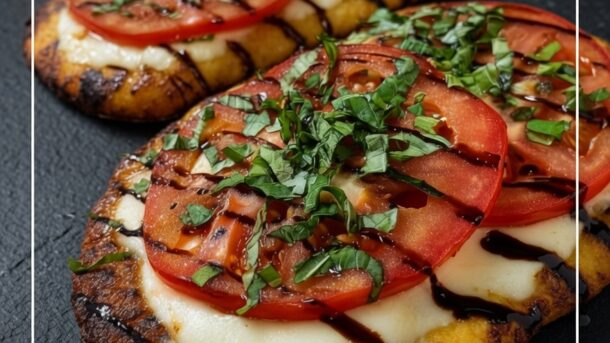
vegan flatbread

Tomato Basil Flatbread with Vegan Mozzarella

tomato basil flatbread with vegan mozzarella

There is a version of this flatbread that is made with store-bought dough, jarred sauce, and a scatter of whatever is in the refrigerator — and it is fine. And then there is this version, which is something else entirely: a thin, cracker-crisp flatbread with a blistered, charred edge and a base so light and airy that it shatters slightly at the first bite; a tomato sauce that has been cooked down from whole crushed tomatoes into something so sweet, so bright, and so deeply savory that it is worth making in a double batch just to have extra in the refrigerator; a vegan mozzarella that stretches and melts and browns in a way that no bought vegan mozzarella does, because it is made from cashews and tapioca and a handful of pantry ingredients in under 5 minutes and then spread directly onto the flatbread before going under a very hot grill; and a finish of fresh basil torn directly over the hot flatbread the moment it comes out of the oven so that the heat of the crust wilts the leaves just slightly, releasing the basil’s volatile oils into every bite without destroying the brightness of the fresh herb. Together, these four elements — the cracker-crisp crust, the concentrated tomato sauce, the stretchy melting mozzarella, and the fresh basil — produce a flatbread that is the best possible version of one of the greatest flavor combinations in the history of cooking, and it is fully, uncompromisingly, deliciously vegan.

The secret is the cold-ferment stretch technique. The flatbread dough in this recipe is mixed the evening before and left in the refrigerator overnight — a minimum 8-hour cold ferment, and up to 48 hours for even more complex flavor. Cold fermentation is slower than room-temperature fermentation: the yeast is active at refrigerator temperatures but sluggish, and the slow, long fermentation that results produces a dough with a far more complex flavor than a quick-rise dough achieves in 1–2 hours at room temperature. The carbon dioxide produced during the long cold ferment creates a more open, more irregular gluten network, which translates to a flatbread with larger, more irregular air pockets and a crumb structure that is simultaneously crisp at the surface and slightly chewy just beneath it — the exact texture that makes a great flatbread so satisfying to eat. The technique also makes the dough significantly easier to stretch: cold, long-fermented dough is more relaxed and more extensible than fresh dough, which tends to spring back when stretched. When the cold-fermented dough is brought to room temperature for 30 minutes before stretching, it stretches thin and stays thin without snapping back, producing the flat, even base that is essential for a flatbread that bakes evenly and crisps uniformly rather than having thick edges and a dense center. Cold fermentation is also the most forgiving technique in bread baking — the dough can sit in the refrigerator for up to 48 hours without overproofing, giving complete flexibility about when the flatbreads are baked.

What makes this recipe so outstanding is the vegan mozzarella — a cashew and tapioca mozzarella that is made by blending soaked cashews with nutritional yeast, tapioca starch, lemon juice, apple cider vinegar, garlic, and salt into a completely smooth liquid, then cooking briefly in a saucepan until the tapioca starch activates and the mixture transforms from a thin, pourable liquid into a thick, stretchy, gooey mass that pulls like real mozzarella, browns like real mozzarella under a hot grill, and has a mild, creamy, slightly tangy flavor that is remarkably similar to fresh mozzarella’s gentle dairy note. The tapioca starch is the ingredient that makes this possible: tapioca produces a uniquely stretchy, stringy gel when heated that no other starch replicates in quite the same way — cornstarch gels firmly, arrowroot gels clear and slightly slippery, but tapioca gels stretchy, and it is that stretch that makes this mozzarella behave like the real thing on a hot flatbread rather than simply melting into an undifferentiated pool. The mozzarella is spooned onto the flatbread in large, irregular dollops — not spread into a uniform layer, because the irregular distribution means some bites are creamy and rich and dominated by the mozzarella, and others are dominated by the tomato, and the variation makes the eating experience significantly more interesting than a uniformly coated flatbread.

This recipe is 100% vegan, dairy-free, and egg-free. It produces four individual flatbreads (each approximately 25–30cm / 10–12 inches in diameter) that are best eaten immediately from the oven while the crust is at peak crispness and the mozzarella is still warm and stretchy.


Recipe Information

Prep TimeCook TimeTotal TimeServingsCalories
20 mins12 mins32 mins (+ overnight ferment)4 flatbreads~520 kcal

Ingredients

For the Cold-Ferment Flatbread Dough (Make the Night Before)

  • 2½ cups (315g) strong bread flour (the higher protein content of bread flour develops more gluten than all-purpose flour, giving the flatbread its chew; all-purpose flour works but produces a slightly less structured, less chewy result)
  • 1 tsp instant yeast (also called fast-action or rapid-rise yeast — it does not need to be dissolved in water first)
  • 1 tsp fine salt
  • 1 tsp granulated sugar (feeds the yeast during the long ferment)
  • 1 tbsp olive oil
  • ¾ cup (180ml) lukewarm water (approximately 38°C / 100°F — too hot kills the yeast; too cold slows the initial mixing phase; if in doubt, use tap water that feels warm but not hot against the inside of the wrist)
  • Plus: a little extra flour for shaping, and olive oil for the baking surface

For the Quick Tomato Sauce

  • 1 can (400g / 14oz) whole peeled tomatoes (whole peeled tomatoes have a better flavor than pre-chopped tinned tomatoes, which are often made from lower-grade fruit; crush them by hand into the pan)
  • 2 tbsp olive oil
  • 3 cloves garlic, finely minced
  • ½ tsp dried oregano
  • ½ tsp dried basil
  • ½ tsp caster sugar (balances the tomatoes’ acidity)
  • ¼ tsp fine salt
  • ¼ tsp ground black pepper
  • Pinch of red chilli flakes (optional, but adds a background warmth that makes the sauce more complex)

For the Cashew Tapioca Mozzarella

  • ¾ cup (105g) raw cashews, soaked in cold water for 4 hours or in boiling water for 30 minutes, then drained and rinsed (soaking softens the cashews for completely smooth blending — if using a high-powered blender such as a Vitamix or Blendtec, soaking can be reduced to 15 minutes in boiling water)
  • ½ cup (120ml) water
  • 3 tbsp tapioca starch (also called tapioca flour — do not substitute cornstarch or arrowroot, as neither produces the same stretchy, stringy texture)
  • 2 tbsp nutritional yeast
  • 1 tbsp fresh lemon juice
  • 1 tsp apple cider vinegar
  • ½ tsp fine salt
  • ¼ tsp garlic powder
  • 2 tbsp refined coconut oil or vegan butter (adds richness and helps the mozzarella brown under the grill)

For Finishing

  • Large handful fresh basil leaves, torn
  • Extra-virgin olive oil, for drizzling
  • Flaky sea salt, for finishing
  • Freshly ground black pepper
  • Optional: thin slices of ripe tomato or sundried tomatoes, placed on top of the mozzarella before grilling

Instructions

  1. Make the flatbread dough (the night before). In a large bowl, whisk together the flour, instant yeast, salt, and sugar. Make a well in the center and add the olive oil and lukewarm water. Mix with a wooden spoon or your hands until a shaggy dough forms, then turn out onto an unfloured surface and knead for 5–6 minutes until smooth, elastic, and slightly tacky but not sticky. Shape into a ball, place in a lightly oiled bowl, cover tightly with plastic wrap or a damp kitchen towel, and refrigerate overnight (minimum 8 hours, maximum 48 hours). The dough will rise slowly in the refrigerator.
  2. Make the tomato sauce. Heat the olive oil in a small saucepan over medium heat. Add the minced garlic and cook for 60 seconds until fragrant and just beginning to turn golden. Add the crushed whole peeled tomatoes (crush them by squeezing in your fist over the pan), dried oregano, dried basil, sugar, salt, pepper, and chilli flakes. Cook over medium heat, stirring occasionally, for 15–18 minutes until the sauce has reduced and thickened significantly — it should coat the back of a spoon heavily and not be watery. Taste and adjust. Cool before using (a hot sauce steams the dough base and prevents it crisping properly). The sauce keeps in the refrigerator for up to 5 days.
  3. Make the cashew tapioca mozzarella. Drain the soaked cashews and place in a blender with the water, tapioca starch, nutritional yeast, lemon juice, apple cider vinegar, salt, and garlic powder. Blend on high for 2–3 minutes until completely smooth — stop and scrape down the sides twice; any remaining cashew granules will produce an uneven mozzarella. Pour the smooth liquid into a small saucepan and add the coconut oil. Cook over medium heat, stirring constantly with a silicone spatula, for 4–5 minutes. The mixture will appear smooth and liquid for the first 2–3 minutes, then will suddenly begin to clump, pull away from the sides of the pan, and transform into a thick, stretchy, cohesive mass — this is the tapioca starch activating. Continue stirring vigorously for 1–2 further minutes until the mozzarella is smooth, shiny, and pulling away from the pan in stretchy strings. Remove from heat and set aside.
  4. Prepare to bake. Remove the dough from the refrigerator 30 minutes before baking to allow it to come to room temperature and relax. Preheat the oven to its maximum temperature (typically 240–250°C / 475°F) with a baking stone, inverted heavy baking sheet, or cast iron pan inside — the hot surface is essential for a crisp base. If using a grill/broiler for the final stage, preheat that too.
  5. Shape the flatbreads. Divide the dough into 4 equal portions. On a lightly floured surface, use your hands to gently stretch each portion into a thin oval or round approximately 25–30cm (10–12 inches) in diameter and 2–3mm thick. Do not use a rolling pin for the final shaping — the hands feel the resistance of the dough and adjust pressure accordingly, producing a more even, more irregularly beautiful flatbread than a pin. If the dough resists and springs back, cover it with a cloth and let it rest for 5 minutes before continuing.
  6. Top and bake. Carefully slide the stretched flatbread onto the preheated hot baking surface (use a pizza peel dusted with semolina, or slide it onto parchment paper and transfer using the parchment). Spread 3–4 tablespoons of tomato sauce thinly and evenly over the surface, leaving a 1cm border. Dollop the cashew mozzarella in large, irregular spoonfuls over the tomato sauce — approximately 6–8 spoonfuls per flatbread; resist the temptation to spread it into a uniform layer. Bake at maximum oven temperature for 8–10 minutes until the crust edges are deeply golden and charred in spots and the mozzarella is bubbling and browning.
  7. Finish and serve. Remove from the oven. Immediately tear fresh basil leaves directly over the hot flatbread. Drizzle with a thin thread of extra-virgin olive oil. Scatter with flaky sea salt and a few grinds of black pepper. Serve immediately — flatbread at peak crispness lasts approximately 5 minutes before the crust begins to soften from the toppings’ steam.

Pro Tips

  • The hotter the oven, the better — flatbread baked at 240°C (475°F) on a preheated surface crisps in 8 minutes; flatbread baked at 180°C (350°F) on a cold sheet takes 20 minutes and produces a pale, soft result that lacks the blistered, charred character of a proper flatbread. If your oven has a convection/fan setting, use it — the circulating air accelerates crisping at the surface and is the difference between a flatbread and a pizza.
  • Stretch the dough by hand, not with a rolling pin — a rolling pin compresses the gluten structure and pushes out the gas bubbles that the overnight ferment has developed, producing a denser, flatter result. Hand-stretching preserves those bubbles, which expand into the characteristic irregular air pockets and blisters during baking.
  • Add the fresh basil after the oven, not before — basil contains volatile aromatic compounds that evaporate rapidly above 60°C (140°F); basil baked on a flatbread for 10 minutes at 240°C tastes of nothing. Added directly to the hot surface the moment the flatbread comes out, it wilts gently and releases its oils without losing them.
  • The mozzarella can be made up to 3 days ahead and refrigerated in a sealed container — it firms considerably when cold. Before using, microwave for 20–30 seconds and stir until soft and scoopable again, or bring to room temperature for 30 minutes.

Flatbread and Mozzarella: Two Ancient Foods That Found Each Other in Naples

The story of flatbread and mozzarella finding each other is the story of Naples in the late eighteenth century — but both of the ingredients that made that meeting possible have histories that run far deeper and further than the Neapolitan port city where they were first combined. Flatbread is among the oldest prepared foods in the archaeological record: unleavened flatbreads made from ground grain and water have been found at Neolithic sites across the Middle East, Europe, and Central Asia dating to at least 10,000 BCE, predating pottery (the breads were baked on flat stones beside open fires) and representing one of the earliest examples of grain processing for human consumption. The introduction of leavening — whether through wild yeast contamination, sourdough culture, or the addition of beer barm — followed considerably later, but the flatbread tradition has persisted everywhere that grain is grown, from the lavash of Armenia to the roti of South Asia to the injera of Ethiopia, each expressing the same fundamental idea (grain, water, heat) through the lens of local culture and available grain. Mozzarella’s history is more precisely located: it is a product of the Campania region of southern Italy, where water buffalo (Bubalus bubalis) were introduced (probably by the Normans or the Lombards, depending on which historian you consult) sometime in the medieval period, and where the technique of pasta filata — stretching and folding curd in hot whey until it reaches a smooth, elastic consistency — was developed to process buffalo milk into a fresh cheese that was mild, moist, and extraordinarily meltable. The first documented mention of mozzarella in Campania dates to the twelfth century; by the eighteenth century it was a common street food in Naples, sold fresh from the cheese-makers’ workshops. The flatbread that became pizza was also a Neapolitan street food — the poor man’s meal of the vicoli (the narrow alleyways of Naples’ old city) — and the combination of the two, with tomato (newly arrived from the Americas and initially regarded with deep suspicion by Europeans who believed it to be poisonous) added as a third element, produced the Margherita pizza that is now the most reproduced dish in the world.


Flavor Variations

  • Vegan Roasted Garlic and Mushroom Flatbread: Replace the tomato sauce with a white sauce (blend 100g soaked cashews with 120ml water, 2 cloves roasted garlic, 2 tbsp nutritional yeast, salt, and lemon juice until smooth; no cooking required) and top with 200g of thinly sliced cremini or portobello mushrooms sautéed until golden. Finish with fresh thyme and a drizzle of truffle oil.
  • Vegan Caramelized Onion and Olive Flatbread: Slowly caramelize 2 large onions in olive oil with a pinch of sugar and salt over low heat for 40 minutes until deeply sweet and golden. Spread over the tomato sauce in place of or alongside the mozzarella, and scatter with sliced Kalamata olives, capers, and fresh rosemary. Finish with flaky salt — a Provençal-style pissaladière variation.
  • Vegan Pesto and Sundried Tomato Flatbread: Replace the tomato sauce with a generous spread of vegan pesto (blend 60g fresh basil + 30g pine nuts or walnuts + 2 cloves garlic + 3 tbsp nutritional yeast + 4 tbsp extra-virgin olive oil + salt + lemon juice until smooth) and top with the cashew mozzarella and sliced sundried tomatoes packed in oil. The pesto’s herby brightness is a completely different register from the cooked tomato version.

Nutritional Highlights (Per Flatbread)

CaloriesProteinCarbsFiberFat
~520 kcal16g62g5g23g

Storage

  • Flatbread dough: After the overnight cold ferment, the dough keeps in the refrigerator for up to 48 hours total. It can also be portioned and frozen (after dividing into 4 balls, place on a parchment-lined tray to freeze solid, then transfer to a freezer bag) for up to 2 months. Thaw overnight in the refrigerator and bring to room temperature for 30 minutes before stretching.
  • Tomato sauce: Keeps in a sealed jar in the refrigerator for up to 5 days, or frozen for up to 3 months.
  • Cashew mozzarella: Keeps in a sealed container in the refrigerator for up to 3 days. It firms considerably when cold; reheat gently in the microwave for 20–30 seconds or in a saucepan with a tablespoon of water over low heat until soft and scoopable again.
  • Baked flatbread: Best eaten immediately. Leftover baked flatbread can be refrigerated for up to 1 day and reheated in a hot oven (220°C / 425°F) directly on the oven rack for 4–5 minutes — it will regain most of its crispness, though not all. Do not microwave baked flatbread; microwaving makes it steam and go soft irreversibly.

Frequently Asked Questions

Can I make this without a baking stone or heavy baking sheet?

Yes — a cast iron skillet or griddle preheated on the stove and then transferred to the oven works well. Alternatively, invert a heavy baking sheet and preheat it in the oven for at least 20 minutes before adding the flatbread; the difference in crispness between a preheated surface and a cold one is significant and worth the 20-minute wait. As a last resort, a room-temperature baking sheet lined with parchment produces a paler, less crisp result but a perfectly edible flatbread.

My cashew mozzarella isn’t stretching — what went wrong?

The stretchy texture of the mozzarella depends on the tapioca starch reaching the correct temperature and being stirred vigorously and continuously during the cooking stage. If the mozzarella has clumped but is not stretchy: it was not stirred vigorously enough during the activation stage (the stretching develops from the mechanical working of the activated starch, similar to the pasta filata technique used for traditional mozzarella). Return it to the heat with 1 tablespoon of water and stir vigorously for 2 further minutes. If the mozzarella is still liquid after 6 minutes of cooking: either the tapioca starch was measured inaccurately (tablespoon measures should be leveled), or a different starch was used — only tapioca produces this stretchy result.

Can I use shop-bought vegan mozzarella instead?

Yes — commercial vegan mozzarella (brands like Violife, Sheese, or Follow Your Heart are widely available) works well on this flatbread and is a legitimate shortcut that produces a very good result. The homemade cashew mozzarella has a creamier, richer flavor and a more convincing stretch, but the flatbread is excellent either way. If using commercial vegan mozzarella, slice or tear it and distribute over the flatbread in the same irregular pattern as described for the homemade version.

Can I make these flatbreads without yeast?

Yes — for a yeasted-dough-free version, make a simple unleavened flatbread by combining 2 cups of all-purpose flour, 1 tsp baking powder, ½ tsp salt, 2 tbsp olive oil, and ¾ cup of warm water. Mix, knead for 2 minutes until smooth, divide into 4, and stretch immediately (no resting required). The result is thinner, crispier, and less chewy than the cold-ferment version — more cracker-like than bread-like — and bakes in 6–7 minutes at maximum oven temperature. It lacks the complex flavor that cold fermentation develops but is a genuinely excellent quick alternative.


Tried this recipe? Leave a comment below and let us know how it turned out! Tag us on Instagram and Facebook — we love seeing your plant-powered creations. Looking for more addictive vegan snack and appetizer recipes? Browse all recipes on Easy Vegan Recipes — new recipes posted every single week!


Vegan Naan Bread with Garlic Butter and Fresh Parsley, Cooked in a Skillet

vegan naan bread

Soft, pillowy, and blistered with golden-brown spots, this Vegan Naan Bread tastes just like the naan from your favorite Indian restaurant, and you can make it at home in a regular skillet in about an hour. Brushed with garlic butter and sprinkled with fresh parsley, it is warm, chewy, and impossible to stop tearing into.

The secret to naan that stays soft and bubbly is a tender, slightly tangy dough made with plant-based yogurt, which replaces the dairy yogurt in traditional recipes. The yogurt adds moisture and a gentle tang, while yeast and a little baking powder give the dough its airy, bubbly texture. A short rest lets the dough puff up, and a very hot pan creates the charred blisters that make naan special.

You do not need a tandoor oven. A cast-iron or heavy skillet over high heat works beautifully, and each piece cooks in just two to three minutes. A generous brush of melted vegan butter mixed with garlic and chopped parsley makes the finished breads glossy and fragrant.

Serve it with curry, dal, chickpea masala, hummus, or soup, or use it as a base for flatbread pizzas and wraps. It is also great for scooping up sauces and dips.

This recipe is 100% vegan, egg-free, and dairy-free, with no special equipment needed.


Recipe Information

Prep TimeRest TimeCook TimeTotal TimeServings
15 mins45 mins15 mins1 hr 15 mins8 naan

Ingredients

For the Naan Dough

  • 3 cups (375g) all-purpose flour, plus extra for dusting
  • 1 packet (7g or 2¼ tsp) instant or active dry yeast
  • 1 tsp sugar
  • 1 tsp baking powder
  • 1 tsp salt
  • ¾ cup (180ml) warm water (about 105°F / 40°C)
  • ½ cup (120g) plain unsweetened plant-based yogurt
  • 2 tbsp olive oil or melted vegan butter

For the Garlic Butter

  • 3 tbsp vegan butter, melted
  • 3 cloves garlic, finely minced or grated
  • 2 tbsp chopped fresh parsley or cilantro
  • Pinch of flaky salt

To Serve

  • Chickpea curry or dal
  • Hummus
  • Cucumber raita (made with plant yogurt)
  • Mango chutney
  • Fresh herbs

Optional Additions

  • 1 tsp nigella seeds or sesame seeds on top
  • 1 tsp cumin seeds in the dough
  • Roasted garlic in the butter
  • Chili flakes in the butter

Instructions

  1. Activate the yeast. Stir the warm water, sugar, and yeast together in a small bowl and let it sit for 5–10 minutes until foamy. If it does not foam, the yeast is old and you should start again.
  2. Mix the dough. In a large bowl whisk the flour, baking powder, and salt. Add the yeast mixture, plant yogurt, and oil, and stir until a shaggy dough forms.
  3. Knead. Turn the dough onto a lightly floured surface and knead for 6–8 minutes until smooth, soft, and slightly tacky. Add a little flour only if the dough is very sticky.
  4. Let it rise. Place the dough in an oiled bowl, cover with a damp towel, and let it rise in a warm place for 45–60 minutes until doubled in size.
  5. Divide and shape. Punch down the dough and divide it into 8 equal pieces. Roll each into a ball, cover, and rest for 10 minutes. Roll each ball into an oval or teardrop about ¼ inch thick.
  6. Heat the pan. Heat a cast-iron or heavy skillet over medium-high to high heat until very hot. Do not add oil.
  7. Cook the naan. Place one naan in the dry pan. Cook for about 1–2 minutes until bubbles form on the surface, then flip and cook for another 1–2 minutes until golden and charred in spots. Cover the cooked naan with a towel to keep it soft.
  8. Make the garlic butter. Combine the melted vegan butter, garlic, parsley, and a pinch of salt.
  9. Brush and serve. Brush each hot naan generously with garlic butter and serve warm.

Pro Tips for the Softest Naan

  • Check the yeast first. Foamy yeast guarantees a good rise.
  • Keep the dough slightly tacky. Too much flour makes the naan dry and tough.
  • Let the dough double in size. A full rise gives the best bubbles and softness.
  • Roll to about ¼ inch thick. Thicker naan stay fluffy, and thinner ones turn crisp.
  • Use a very hot, dry pan. High heat gives fast bubbling and charred spots.
  • Cover cooked naan. A towel traps steam and keeps them soft.
  • Brush with butter while hot. The naan absorbs the garlic butter best when warm.

Why Homemade Naan Is Worth It

Making naan at home means you control the ingredients, and it is free of eggs, dairy, and preservatives. Plant-based yogurt keeps the dough soft and tangy, and olive oil adds healthy unsaturated fat.

Naan is a satisfying carbohydrate that pairs beautifully with protein-rich dishes like dal, chickpea curry, and lentil stew. A single naan provides about 5 grams of plant protein, and you can boost the fiber by replacing up to half of the flour with whole wheat flour.


Flavor Variations

  • Garlic Cilantro Naan: Add chopped cilantro to the garlic butter for a fresh, herby finish.
  • Whole Wheat Naan: Replace half the flour with whole wheat for a nuttier flavor.
  • Cheesy Naan: Stuff with vegan cheese before rolling and cooking.
  • Seeded Naan: Press nigella or sesame seeds into the dough before cooking.

Nutritional Highlights (Per Naan)

CaloriesProteinCarbsFiberFat
~260 kcal5g41g2g8g

Storage

  • Room temperature: Store cooled naan in an airtight bag for up to 2 days.
  • Refrigerator: Keeps up to 5 days. Reheat before serving.
  • Freezer: Freeze cooked naan, separated by parchment, for up to 3 months. Reheat from frozen in a hot pan or oven.
  • Make ahead: The dough can rest in the fridge for up to 24 hours. Bring it to room temperature before rolling.

Frequently Asked Questions

Why is my naan not puffing up?

The pan may not be hot enough, or the dough may not have risen fully. Use a very hot pan and let the dough double.

Can I make naan without yeast?

Yes. Use baking powder and plant yogurt for a quick version, though the texture will be denser.

What is the best plant yogurt for naan?

Plain, unsweetened soy or coconut yogurt works best because of its thicker texture.

Can I bake it in the oven?

Yes. Bake on a preheated pizza stone or baking sheet at 500°F (260°C) for 4–5 minutes.

Can I make it gluten-free?

Use a gluten-free bread flour blend with xanthan gum. The texture will be softer and less chewy.

Why is my naan hard?

It may have been overcooked or rolled too thin. Cook quickly on high heat and cover with a towel after cooking.


Tried this recipe? Leave a comment below and let us know how it turned out! Tag us on Instagram and Facebook — we love seeing your plant-powered creations. Looking for more vegan breads and sides? Browse all recipes on Easy Vegan Recipes — new recipes posted every single week!

Quick Vegan Paratha with Fresh Herbs, Flaky Layers and Golden Blistered Edges

quick vegan paratha

Soft, flaky, and golden brown with beautiful charred spots, this Quick Vegan Paratha is the flatbread you will want on your table every night of the week. Made with just a handful of pantry ingredients and ready in about 30 minutes, it has all the buttery, layered goodness of traditional South Asian paratha without any ghee or butter. Tear off a piece, scoop up your curry or dal, and you will not go back to store-bought flatbread.

Classic paratha takes patience: resting, rolling, folding, and more resting. This quick version shortens the process without losing the texture. A soft dough made from whole wheat and all-purpose flour is rested for just 15 minutes, then rolled, brushed with oil, sprinkled with flour, folded into layers, and cooked on a hot skillet until puffed and spotted with golden brown blisters.

For extra flavor, fresh cilantro and a little cumin are worked right into the dough, and the finished parathas get a brush of garlic oil and a pinch of flaky salt. The result is a flatbread that is crisp at the edges, tender in the middle, and full of herby, savory flavor.

Serve with chickpea curry, lentil dal, potato curry, or a cooling vegan raita. They are also great for wraps, with a plant-based egg scramble at breakfast, or simply on their own with a little pickle.

This recipe is 100% vegan, dairy-free, and egg-free, and it needs no special equipment beyond a skillet and a rolling pin.


Recipe Information

Prep TimeCook TimeTotal TimeServingsCalories
15 mins15 mins30 mins (includes resting)6 parathas~210 kcal each

Ingredients

For the Dough

  • 1½ cups (190g) whole wheat flour (atta), plus extra for dusting
  • ½ cup (65g) all-purpose flour
  • ¾ tsp salt
  • 1 tsp ground cumin (optional)
  • 2 tbsp chopped fresh cilantro or fenugreek leaves
  • 1 tbsp neutral oil or melted vegan butter
  • ¾ cup (180ml) warm water, plus 1–2 tbsp more as needed

For the Layers and Cooking

  • 3 tbsp neutral oil or melted vegan butter
  • 2 tbsp extra flour, for sprinkling between layers

For the Garlic Herb Brush

  • 2 tbsp olive oil
  • 1 small clove garlic, finely grated
  • 1 tbsp finely chopped cilantro or parsley
  • Flaky sea salt, for finishing

To Serve

  • Chickpea curry or dal
  • Vegan raita or plain unsweetened vegan yogurt
  • Mango pickle or lime pickle
  • Roasted vegetables
  • Plant-based egg scramble

Optional Additions

  • ½ tsp nigella seeds or ajwain (carom seeds)
  • ¼ tsp chili flakes
  • 1 tsp kasuri methi (dried fenugreek leaves)
  • Pinch of turmeric

Instructions

  1. Mix the dough. In a large bowl, combine the whole wheat flour, all-purpose flour, salt, cumin, and cilantro. Add the oil and rub it into the flour with your fingertips.
  2. Add water. Pour in the warm water gradually, mixing until a soft dough forms. Add an extra tablespoon of water if it feels dry.
  3. Knead. Knead on a lightly floured surface for 3–4 minutes until smooth and soft but not sticky.
  4. Rest. Cover with a damp towel and rest for 15 minutes. This relaxes the gluten, making the dough easy to roll.
  5. Prepare the garlic oil. Mix the olive oil, garlic, and cilantro in a small bowl.
  6. Divide. Divide the dough into 6 equal balls and roll each into a smooth ball.
  7. Roll and layer. Roll one ball into a 6-inch circle. Brush with oil, sprinkle lightly with flour, and fold in half, then fold in half again to form a triangle. Roll the triangle out gently into a larger triangle about ⅛ inch thick.
  8. Heat the skillet. Heat a cast-iron skillet or flat pan over medium-high heat until very hot.
  9. Cook. Place a paratha on the hot pan and cook for 1–2 minutes until small bubbles appear. Flip, brush with oil, and cook for another minute. Flip again, brush the other side, and cook until golden with brown spots. Press gently with a spatula so it puffs.
  10. Finish. Brush with the garlic herb oil, sprinkle with flaky salt, and stack in a clean towel to keep warm and soft.
  11. Repeat. Cook the remaining parathas the same way.

Pro Tips for the Best Vegan Paratha

  • Use a hot pan. A hot skillet gives the golden blisters and puffs the layers.
  • Do not skip the rest. Resting makes the dough soft and easy to roll without shrinking back.
  • Keep the dough soft. A softer dough gives tender, flaky parathas.
  • Brush the layers lightly. Too much oil makes them heavy, too little makes them dry.
  • Roll evenly. Even thickness lets the paratha puff and cook through.
  • Keep them wrapped. Stack the cooked parathas in a towel so they stay soft.
  • Use fresh herbs. Fresh cilantro or fenugreek adds big flavor.

Why Paratha Is Worth Making at Home

Whole wheat flour provides fiber, B vitamins, and minerals, and keeps you full longer than white flour alone. Cilantro adds a boost of vitamin K and fresh flavor, and cumin is a classic digestive spice.

Made with a modest amount of oil instead of ghee, these parathas are lighter than many restaurant versions and have no cholesterol. Each paratha has about 5 grams of plant protein and 4 grams of fiber.


Flavor Variations

  • Aloo Paratha: Stuff with spiced mashed potato before rolling.
  • Garlic Paratha: Add minced garlic and chili flakes to the dough.
  • Methi Paratha: Add dried or fresh fenugreek leaves.
  • Spinach Paratha: Knead in finely chopped spinach.

Nutritional Highlights (Per Paratha)

CaloriesProteinCarbsFiberFat
~210 kcal5g30g4g8g

Storage

  • Room temperature: Wrap in a towel or foil and keep for up to 1 day.
  • Refrigerator: Store in an airtight container for up to 4 days.
  • Freezer: Freeze cooked parathas with parchment between them for up to 2 months.
  • Reheating: Warm on a hot skillet for 30–60 seconds per side, or in a toaster oven. Cook from frozen on medium heat.
  • Make ahead: Roll and layer the parathas, then stack with parchment and refrigerate for up to 24 hours before cooking.

Frequently Asked Questions

What is the difference between paratha and roti?

Roti is a plain, thin unleavened flatbread. Paratha is layered with fat, which makes it richer and flakier.

Can I use only whole wheat flour?

Yes. The parathas will be a bit denser, so add a little extra water.

Why is my paratha hard?

The dough may have been too stiff, rolled too thin, or cooked on low heat. Keep the dough soft and use a hot pan.

Can I make the dough ahead?

Yes. Refrigerate the dough, covered, for up to 24 hours. Bring to room temperature before rolling.

Can I make it gluten-free?

Gluten-free dough is much harder to layer. Use a gluten-free flatbread blend and cook as a simple flatbread.

How is this different from your naan bread?

Paratha is a flaky, layered flatbread cooked on a dry skillet with a little oil, while our Vegan Naan Bread is a softer, leavened bread.


Tried this recipe? Leave a comment below and let us know how it turned out! Tag us on Instagram and Facebook — we love seeing your plant-powered creations. Looking for more easy vegan flatbreads? Browse all recipes on Easy Vegan Recipes — new recipes posted every single week!
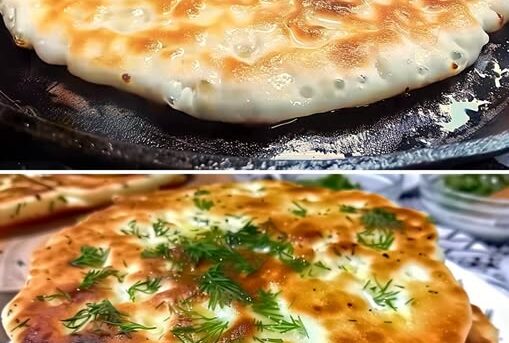
Easy No-Yeast Vegan Garlic Butter Flatbread with Soft Fluffy Centers and Golden Skillet Blisters

garlic and butter flatbread

Soft, fluffy, golden-blistered flatbread brushed with melted garlic butter and sprinkled with fresh parsley and flaky salt. This Vegan Garlic Butter Flatbread needs no yeast, no kneading marathon, and no rising time. You can go from flour in the bowl to warm flatbread on the table in about 25 minutes, using just a handful of pantry ingredients and a skillet.

The dough is the easy part. Self-rising texture comes from baking powder and plain unsweetened vegan yogurt, which keeps the flatbread tender and slightly tangy, like a quick naan. Mix, rest for 10 minutes, roll into rounds, and cook in a hot, dry pan until puffed with golden-brown spots. They puff up beautifully in the heat, giving soft, pillowy centers with a gentle chew.

The star is the garlic butter. Vegan butter is melted with freshly minced garlic and a pinch of salt, then brushed generously over each hot flatbread so it soaks in and gives that savory, buttery, restaurant-style finish. A shower of chopped parsley or cilantro and a little flaky salt make it irresistible.

Serve it with soup, curry, dal, hummus, pasta, or a big salad, or tear it up and dip it straight into marinara or tahini sauce. It is also a fantastic base for quick pizzas and wraps.

This flatbread is 100% vegan, dairy-free, and egg-free.


Recipe Information

Prep TimeCook TimeTotal TimeServingsCalories
15 mins10 mins25 mins (includes resting)6 flatbreads~210 kcal each

Ingredients

For the Flatbread Dough

  • 2 cups (250g) all-purpose flour, plus extra for dusting
  • 2 tsp baking powder
  • ¾ tsp salt
  • 1 cup (240g) unsweetened plain vegan yogurt (soy or coconut work well)
  • 1 tbsp olive oil
  • 2–4 tbsp warm water, if needed

For the Garlic Butter

  • 4 tbsp (60g) vegan butter
  • 4 cloves garlic, finely minced
  • 1 tbsp chopped fresh parsley or cilantro
  • ¼ tsp salt
  • Pinch of red pepper flakes (optional)

To Finish

  • Flaky sea salt
  • Extra chopped parsley
  • Squeeze of lemon (optional)

To Serve

  • Soup, curry, or dal
  • Hummus, baba ganoush, or tahini sauce
  • Marinara dip
  • Big green salad
  • Roasted vegetables

Optional Additions

  • 1 tsp nigella seeds or sesame seeds
  • 1 tsp dried oregano in the dough
  • A sprinkle of nutritional yeast
  • Vegan parmesan on top

Instructions

  1. Mix the dry ingredients. In a large bowl, whisk the flour, baking powder, and salt together.
  2. Add the wet ingredients. Add the yogurt and olive oil and stir until a shaggy dough forms. Add warm water a tablespoon at a time if it feels dry.
  3. Knead. Turn the dough onto a floured surface and knead for 2–3 minutes until smooth and soft, but not sticky.
  4. Rest. Cover with a towel and rest for 10 minutes.
  5. Make the garlic butter. Melt the vegan butter in a small saucepan over low heat. Add the garlic and cook for 30–60 seconds until fragrant but not browned. Remove from the heat and stir in the parsley, salt, and pepper flakes.
  6. Divide and roll. Divide the dough into 6 equal balls. Roll each into an oval or round about ¼ inch (6 mm) thick on a lightly floured surface.
  7. Heat the pan. Heat a cast-iron or heavy skillet over medium-high heat until very hot. Do not add oil.
  8. Cook. Place a flatbread in the pan and cook for 1–2 minutes, until bubbles form on top and the underside has golden spots. Flip and cook for another 1–2 minutes until puffed and golden.
  9. Brush. Immediately brush with garlic butter while hot so it soaks in.
  10. Finish. Sprinkle with parsley and flaky salt. Wrap the cooked flatbreads in a clean towel to keep them soft while you cook the rest.
  11. Serve. Serve warm with your favorite dips, soups, or curries.

Pro Tips for the Best Garlic Butter Flatbread

  • Use a very hot pan. A hot skillet gives puffy, blistered flatbreads.
  • Do not overcook the garlic. Garlic turns bitter if it browns, so keep the heat low.
  • Roll evenly. Even thickness lets the bread puff uniformly.
  • Do not add extra flour while kneading. Too much makes the bread dense.
  • Brush while hot. The butter absorbs best into warm bread.
  • Keep them wrapped. A towel traps steam and keeps the flatbreads soft.
  • Use unsweetened yogurt. Sweetened yogurt changes the flavor.

Why This Flatbread Is Worth Making

Homemade flatbread has just a few simple ingredients and no preservatives, and it is ready faster than a trip to the store. Garlic is packed with flavor and has long been valued in cooking, while parsley adds fresh vitamin K and brightness.

Made with vegan butter and yogurt, the flatbread contains no dairy and no cholesterol. It is a comforting side dish, best enjoyed with vegetables, legumes, or soup for a balanced meal.


Flavor Variations

  • Cheesy Garlic Flatbread: Top with vegan mozzarella and broil for 1 minute.
  • Herb Flatbread: Add oregano, thyme, or rosemary to the dough.
  • Pizza Flatbread: Top with sauce and vegan cheese, then bake at 450°F (230°C) for 8 minutes.
  • Whole Wheat Flatbread: Replace half the flour with whole wheat flour.

Nutritional Highlights (Per Flatbread)

CaloriesProteinCarbsFiberFat
~210 kcal5g32g1g7g

Storage

  • Room temperature: Store wrapped in a towel or container for up to 1 day.
  • Refrigerator: Store in an airtight container for up to 4 days.
  • Freezer: Freeze with parchment between each for up to 2 months.
  • Reheating: Warm in a hot skillet for 30 seconds per side, or in the toaster.

Frequently Asked Questions

Can I make it without yogurt?

Yes. Replace the yogurt with ¾ cup of plant milk mixed with 1 tablespoon of lemon juice, though the texture will be slightly less tender.

Why is my flatbread hard?

The pan may not have been hot enough, or the flatbread was cooked too long. Use a very hot pan and cook just until puffed and spotted.

Can I make it gluten-free?

Use a 1:1 gluten-free flour blend with xanthan gum. The dough will be softer and need more flour for rolling.

Can I use whole wheat flour?

Yes, but use half whole wheat and half all-purpose for the best texture.

Can I bake it instead?

Yes. Bake at 450°F (230°C) on a preheated baking sheet for 6–8 minutes, then brush with garlic butter.

How is this different from your naan bread and Homemade Vegan Flatbread?

This is a quick, no-yeast flatbread finished with garlic butter, while our Vegan Naan Bread uses yeast for a puffier texture and our Homemade Vegan Flatbread is a plain base for wraps and dips.


Tried this recipe? Leave a comment below and let us know how it turned out! Tag us on Instagram and Facebook — we love seeing your plant-powered creations. Looking for more easy vegan breads? Browse all recipes on Easy Vegan Recipes — new recipes posted every single week!
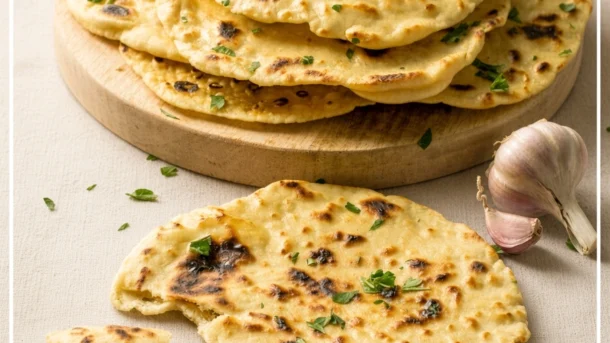
Vegan Cottage Cheese Flatbread with Soft Tofu Cottage Cheese Dough, Garlic Herb Oil and Golden Skillet Edges

vegan cottage cheese flatbread

Soft, pillowy, and quick to make, this Vegan Cottage Cheese Flatbread is the plant-based answer to the viral high-protein cottage cheese flatbread. The dough is made from just four main ingredients: vegan cottage cheese, flour, baking powder, and salt. It comes together in about 5 minutes with no yeast, no proofing, and no kneading, then cooks in a hot skillet into tender, lightly blistered rounds.

The cottage cheese does two jobs. It adds moisture and tenderness like yogurt does in other quick flatbreads, and it adds a bit of protein and a gentle tangy flavor. Because store-bought vegan cottage cheese can be hard to find, this recipe includes a simple homemade tofu cottage cheese made from crumbled tofu, lemon juice, nutritional yeast, and plant milk, which takes 5 minutes and works just as well.

The flatbreads cook in 2 to 3 minutes per side in a dry or lightly oiled pan and are brushed with garlic herb oil while still hot. They are soft enough to fold around fillings, sturdy enough for dipping, and delicious on their own. Use them as wraps, pizza bases, dippers for hummus, or sides for soup and curry.

The dough can be made ahead and the cooked flatbreads reheat well, which makes this a handy recipe for meal prep and lunchboxes.

This recipe is 100% vegan, dairy-free, egg-free, and nut-free (check your vegan cottage cheese label). It contains gluten and soy (if using tofu).


Recipe Information

Prep TimeCook TimeTotal TimeServingsCalories
10 mins12 mins22 mins4 flatbreads~230 kcal each

Ingredients

For the Flatbread Dough

  • 1 cup (240g) vegan cottage cheese (store-bought, or the homemade tofu version below)
  • 1¼ cups (155g) all-purpose flour, plus more for dusting
  • 1 tsp baking powder
  • ½ tsp salt
  • 1 tbsp olive oil
  • 1–3 tbsp water, only if needed

For the Homemade Tofu Cottage Cheese (optional)

  • 7 oz (200g) firm tofu, drained and pressed
  • 2 tbsp unsweetened plant milk or plain vegan yogurt
  • 1 tbsp lemon juice
  • 1 tbsp nutritional yeast
  • ½ tsp salt

For the Garlic Herb Oil

  • 2 tbsp olive oil or melted vegan butter
  • 1 garlic clove, finely grated
  • 1 tbsp chopped fresh parsley
  • ½ tsp dried oregano
  • Flaky salt

To Serve

  • Hummus or marinara
  • Soup, curry, or chili
  • Fresh salad
  • Grilled vegetables

Optional Additions

  • Everything bagel seasoning on top
  • Chili flakes
  • 1 tbsp nutritional yeast in the dough
  • Black sesame seeds

Instructions

  1. Make the tofu cottage cheese (if using). Crumble the tofu into a bowl and mash with a fork into small, uneven curds. Stir in the plant milk, lemon juice, nutritional yeast, and salt. Measure out 1 cup.
  2. Mix the dough. In a large bowl, combine the cottage cheese, flour, baking powder, salt, and olive oil. Stir with a spoon, then knead gently with your hands for 1–2 minutes until a soft, slightly tacky dough forms. Add 1 tablespoon of water at a time if it is too dry, or a spoonful of flour if too sticky.
  3. Rest. Cover the dough and let it rest for 5–10 minutes.
  4. Divide and roll. Divide the dough into 4 equal pieces. On a lightly floured surface, roll each piece into a round about 7 inches (18 cm) across and ⅛ inch (3 mm) thick.
  5. Cook. Heat a large dry skillet or cast-iron pan over medium-high heat. Cook each flatbread for 2–3 minutes until bubbles form and the underside has golden spots. Flip and cook 1–2 minutes more until puffed and cooked through.
  6. Season. Mix the olive oil, garlic, parsley, and oregano. Brush over the hot flatbreads and sprinkle with flaky salt.
  7. Serve. Keep the cooked flatbreads wrapped in a clean towel so they stay soft. Serve warm.

Pro Tips for the Best Cottage Cheese Flatbread

  • Mash the tofu into small curds. Smooth tofu makes a pasty dough.
  • Do not overwork the dough. A short knead keeps it tender.
  • Roll thin. Thin rounds cook quickly and puff.
  • Use a hot pan. A hot skillet makes the bubbles and golden spots.
  • Keep them covered. Wrapping in a towel traps steam and keeps them soft.
  • Brush with oil while hot. It absorbs better.
  • Adjust the flour. Cottage cheeses vary in moisture, so add water or flour as needed.
  • Do not skip the rest. It makes the dough easier to roll.

A Few Notes on Ingredients

Vegan cottage cheese adds tenderness, protein, and a gentle tang to the dough. Brands vary in protein and ingredients, so check the label. Tofu is a complete plant protein, and garlic and herbs add flavor without extra sugar.

These flatbreads are a simple way to add a little protein to a bread-based meal.


Flavor Variations

  • Garlic Parmesan Flatbread: Add vegan parmesan to the dough and the oil.
  • Herb Flatbread: Knead chopped rosemary or thyme into the dough.
  • Everything Flatbread: Top with everything bagel seasoning before cooking.
  • Whole Wheat Flatbread: Replace half of the flour with whole wheat flour.

Nutritional Highlights (Per Flatbread)

CaloriesProteinCarbsFiberFat
~230 kcal8g33g1g7g

Storage

  • Room temperature: Store in a sealed bag for up to 2 days.
  • Refrigerator: Keep for up to 5 days.
  • Freezer: Freeze with parchment between the rounds for up to 3 months. Reheat from frozen in a skillet for 1 minute per side.
  • Make ahead: The dough keeps in the fridge for up to 24 hours.

Frequently Asked Questions

Is there such a thing as vegan cottage cheese?

Yes. Some brands sell plant-based cottage cheese made from nuts, soy, or other bases. The homemade tofu version in this recipe works well and takes 5 minutes.

Can I use yogurt instead?

Yes. Plain unsweetened vegan yogurt gives a similar flatbread, but the texture is a little smoother.

Can I make it gluten-free?

A 1:1 gluten-free flour blend with xanthan gum works, but the dough will be stickier and the flatbreads more delicate.

Can I bake it instead of cooking it in a pan?

Yes. Bake rounds on a hot sheet at 450°F (230°C) for 8–10 minutes, flipping halfway.

Why is my dough too sticky?

Cottage cheese brands vary in moisture. Add flour a tablespoon at a time until it is soft and slightly tacky.

How is this different from your other flatbreads?

This is a quick, yeast-free flatbread made with a cottage cheese-style dough. Our Homemade Vegan Flatbread and Vegan Garlic Butter Flatbread use a vegan yogurt dough, and our Vegan Focaccia Bread is a yeasted, olive oil-rich pan bread.


Tried this recipe? Leave a comment below and let us know how it turned out! Tag us on Instagram and Facebook — we love seeing your plant-powered creations. Browse all recipes on Easy Vegan Recipes — new recipes posted every single week!

Homemade Vegan Flatbread

homemade vegan flat bread

There is something deeply satisfying about tearing into a warm, freshly cooked flatbread — soft and pillowy in the center, lightly blistered and golden on the outside, with a gentle chew that makes every bite feel like comfort. This Homemade Vegan Flatbread delivers exactly that, using just five simple pantry ingredients, no yeast, no proofing time, and absolutely no special equipment beyond a skillet.

Flatbreads are one of the oldest foods in human history, made in nearly every culture on earth in countless variations — naan in India, pita in the Middle East, piadina in Italy, tortillas in Mexico. What they share is beautiful simplicity: flour, water, a little fat, and heat. This version uses plant-based yogurt to create a tender, soft dough that cooks in minutes and puffs up beautifully in a hot pan.

The dough comes together in one bowl in about five minutes. After a short 15-minute rest, you roll it out, cook it in a dry skillet for 1–2 minutes per side, and brush with garlic olive oil while it is still hot. The result is bread that is soft enough to fold, sturdy enough to scoop, and flavorful enough to eat on its own.

Use it as a wrap for falafel and hummus, a scoop for curries and dals, a base for quick flatbread pizzas, or simply warm alongside soup. It is one of the most versatile things you can make in a vegan kitchen.

This recipe is 100% vegan, made with no yeast, ready in about 30 minutes, and impossible to stop eating while it is warm.


Recipe Information

Prep TimeRest TimeCook TimeServingsCalories
10 mins15 mins10 mins8 flatbreads~165 kcal each

Ingredients

For the Dough

  • 2 cups (250g) all-purpose flour, plus extra for dusting
  • 1½ tsp baking powder
  • ¾ tsp fine sea salt
  • 1 cup (240g) plain unsweetened vegan yogurt (soy or coconut works best)
  • 1 tbsp olive oil
  • 2–4 tbsp warm water, only if needed

For Brushing

  • 2 tbsp olive oil or melted vegan butter
  • 2 cloves garlic, very finely minced
  • 1 tbsp fresh parsley or cilantro, finely chopped
  • Flaky sea salt for finishing

Optional Flavor Add-ins

  • 1 tsp nigella seeds or sesame seeds
  • ½ tsp garlic powder mixed into the dough
  • 1 tsp za’atar sprinkled on top
  • ½ tsp ground cumin
  • 1 tbsp chopped fresh herbs kneaded into the dough

Ways to Serve

  • Wrapped around falafel, hummus, and fresh salad
  • Alongside chickpea curry or dal
  • Topped with tomato sauce and vegan cheese as flatbread pizza
  • Torn and dipped in baba ganoush or hummus
  • Alongside soup or stew

Instructions

  1. Mix the dry ingredients. In a large bowl whisk together the flour, baking powder, and salt until evenly combined.
  2. Add the wet ingredients. Add the vegan yogurt and olive oil. Stir with a spoon until a shaggy dough forms. If it feels dry and crumbly add warm water one tablespoon at a time until it comes together.
  3. Knead briefly. Turn the dough out onto a lightly floured surface and knead for 2–3 minutes until smooth, soft, and just slightly tacky. Do not over-knead — you want a tender flatbread, not a chewy one.
  4. Rest the dough. Cover with a clean kitchen towel and let rest for 15 minutes. This lets the flour hydrate fully, relaxes the gluten, and makes the dough much easier to roll.
  5. Divide and shape. Divide the dough into 8 equal pieces and roll each into a ball. On a lightly floured surface roll each ball into a round approximately 15–18cm wide and 3mm thick. Keep the remaining dough covered while you work.
  6. Heat the pan. Heat a heavy skillet, cast iron pan, or griddle over medium-high heat until very hot. The pan should be dry — no oil.
  7. Cook the flatbreads. Place one rolled round in the hot pan and cook for 1–2 minutes until bubbles appear on the surface and the underside has golden-brown spots. Flip and cook for a further 1 minute, pressing gently with a spatula to encourage puffing. Transfer to a plate lined with a clean towel and cover to keep warm and soft.
  8. Make the garlic oil. Stir the minced garlic and parsley into the olive oil. Brush onto each flatbread while still warm so it absorbs fully. Finish with a pinch of flaky salt.
  9. Serve warm. Fresh flatbread is best eaten within minutes of cooking, while it is at its softest and most fragrant.

Pro Tips for the Softest Vegan Flatbread

  • Use thick vegan yogurt. Thinner yogurts add too much liquid and make the dough sticky. Choose a thick, plain, unsweetened variety.
  • Do not skip the rest. Resting the dough makes it easier to roll thinly without springing back, and produces a softer, more tender result.
  • Get the pan properly hot. A very hot pan cooks the flatbread quickly, creating steam inside that makes it puff. A pan that is too cool produces dry, cracker-like bread.
  • Stack and cover the cooked breads. Keeping the finished flatbreads covered with a towel traps steam and keeps them soft and pliable.
  • Roll evenly and thinly. About 3mm is ideal. Too thick and the center stays doughy; too thin and it dries out.
  • Brush while hot. Oil and garlic absorb best into freshly cooked bread, giving flavor all the way through.

Why Homemade Flatbread Is Worth Making

Homemade flatbread has a freshness that store-bought simply cannot match. Commercial flatbreads often contain preservatives, dough conditioners, and added sugars to extend shelf life. This version contains five ingredients you can pronounce, and costs a fraction of the price per piece.

Because the dough uses baking powder rather than yeast, there is no waiting for the dough to rise. That makes it one of the fastest breads you can make from scratch — ideal for weeknights when you want something fresh alongside dinner without the planning that yeast breads require.

Flatbread is also endlessly adaptable. Swap half the flour for whole wheat for extra fiber, add herbs or spices to the dough for flavor, or use it as a base for pizza, wraps, or dippers. A single batch of dough can become dinner in several different ways across the week.


Flavor Variations

  • Whole Wheat Flatbread: Replace half the all-purpose flour with whole wheat flour for a nuttier flavor and added fiber. Add an extra tablespoon of water if needed.
  • Garlic Herb Flatbread: Knead 2 teaspoons of dried oregano and 1 teaspoon of garlic powder into the dough for a fragrant, savory version.
  • Seeded Flatbread: Press sesame seeds, nigella seeds, or poppy seeds into the rolled dough before cooking for added crunch and visual appeal.
  • Spiced Naan-Style: Add ½ teaspoon of ground cumin and a pinch of turmeric to the dough and brush with vegan garlic butter for a naan-inspired flatbread.

Nutritional Highlights (Per Flatbread)

CaloriesProteinCarbsFiberFat
~165 kcal4g27g1g4g

Storage

  • Room temperature: Store cooled flatbreads in an airtight container or sealed bag for up to 2 days. Wrap in a clean towel inside the container to keep them soft.
  • Refrigerator: Keeps for up to 5 days. Reheat in a dry skillet for 20–30 seconds per side or wrapped in foil in a warm oven.
  • Freezer: Freeze cooled flatbreads with parchment between each piece for up to 3 months. Reheat straight from frozen in a hot pan or toaster.
  • Dough ahead of time: The raw dough can be wrapped and refrigerated for up to 24 hours. Bring to room temperature for 20 minutes before rolling.

Frequently Asked Questions

Can I make this flatbread without yogurt?

Yes — replace the yogurt with ¾ cup of warm plant milk plus 1 tablespoon of lemon juice or apple cider vinegar. The dough will be slightly less tender but still soft and delicious.

Why is my flatbread hard or dry?

This usually happens when the dough is rolled too thin, cooked on a pan that is not hot enough, or left uncovered after cooking. Roll to about 3mm, use a very hot pan, and cover finished breads with a towel.

Can I make it gluten-free?

Use a good quality 1:1 gluten-free flour blend containing xanthan gum. The dough will be stickier and more delicate, so roll it between sheets of parchment and handle gently.

Can I use whole wheat flour only?

You can, but the bread will be denser. Using half whole wheat and half all-purpose gives the best balance of flavor and softness.

Do I need a rolling pin?

A rolling pin makes it easier, but you can press and stretch the dough by hand on a floured surface, or use a clean wine bottle in a pinch.

Can I cook these on the grill?

Yes — grilling adds smoky char and beautiful grill marks. Cook over medium-high heat for 1–2 minutes per side on a clean, lightly oiled grate.


Tried this recipe? Leave a comment below and let us know how it turned out! Tag us on Instagram and Facebook — we love seeing your plant-powered creations. Looking for more easy vegan bread and dinner recipes? Browse all recipes on Easy Vegan Recipes — new recipes posted every single week!