Southeast Asian vegan

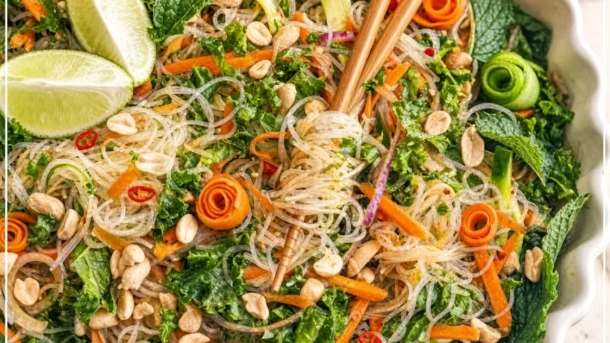
Quick and Easy Vegan Vietnamese Cold Noodle Salad with Crispy Tofu and Fresh Herbs

quick and easy vietnamese cold noodle salad

When the weather is warm or you simply want a dinner that feels light, bright, and full of flavor, this Quick and Easy Vietnamese Cold Noodle Salad is the answer. Tender rice vermicelli noodles are piled into a bowl with crisp cucumber, shredded carrot, crunchy lettuce, and a handful of fragrant fresh herbs, then topped with golden crispy tofu, roasted peanuts, and a sweet, tangy, garlicky dressing that ties everything together.

This dish is inspired by bún chay, the Vietnamese vegetarian noodle bowl, a staple of street stalls and family tables across Vietnam. Its charm lies in contrast: warm and cold, soft and crunchy, sweet and sour, salty and fresh. Every forkful has noodles, herbs, crisp vegetables, and a little of the savory dressing, all working together.

The dressing is the heart of the bowl. Traditionally built on fish sauce, this vegan version uses soy sauce, lime juice, maple syrup, rice vinegar, garlic, and a touch of chili to create the same balance of salty, sweet, sour, and spicy. It takes two minutes to whisk together and keeps for a week.

Best of all, it is genuinely quick. The noodles cook in five minutes, the tofu crisps in the oven or pan while you chop, and the vegetables need no cooking at all. Everything can be prepped ahead, making this an outstanding meal prep recipe and an excellent make-ahead lunch.

This recipe is 100% vegan, easily gluten-free, high in plant-based protein, and ready in 30 minutes.


Recipe Information

Prep TimeCook TimeTotal TimeServingsCalories
20 mins10 mins30 mins4~460 kcal

Ingredients

For the Noodle Salad

  • 8 oz (225g) dried rice vermicelli noodles
  • 1 large cucumber, cut into thin matchsticks
  • 2 carrots, julienned or shredded
  • 2 cups (100g) shredded romaine or butter lettuce
  • 1 cup (90g) bean sprouts (optional)
  • 1 cup fresh herbs: mint, cilantro, and Thai basil, roughly torn
  • 4 spring onions, thinly sliced

For the Crispy Tofu

  • 1 block (400g) extra-firm tofu, pressed and cut into bite-sized cubes
  • 2 tbsp cornstarch
  • 1 tbsp soy sauce or tamari
  • 1 tsp ground turmeric
  • 1 tsp garlic powder
  • ½ tsp salt
  • 2 tbsp neutral oil

For the Sweet and Tangy Dressing

  • ¼ cup (60ml) lime juice
  • 3 tbsp soy sauce or tamari
  • 3 tbsp maple syrup or sugar
  • 2 tbsp rice vinegar
  • 2 cloves garlic, finely minced
  • 1 small red chili, finely chopped (or ½ tsp chili flakes)
  • 3–4 tbsp warm water

To Garnish

  • ¼ cup roasted peanuts, roughly chopped
  • Crispy fried shallots
  • Extra fresh herbs
  • Lime wedges
  • Chili slices or chili crisp

Optional Additions

  • Shredded pickled daikon and carrot
  • Sliced mango or pineapple for sweetness
  • Edamame beans
  • Vegan spring rolls on the side
  • Sliced red bell pepper

Instructions

  1. Make the dressing. Whisk together the lime juice, soy sauce, maple syrup, rice vinegar, garlic, chili, and warm water in a bowl or jar. Stir until the sweetener dissolves. Taste and adjust. It should taste bright, salty, sweet, and tangy in equal measure. Set aside so the garlic can infuse.
  2. Press and prepare the tofu. Wrap the tofu in a clean towel and press for 15 minutes to remove excess moisture. Cut into 2cm cubes. Toss gently with soy sauce, then the cornstarch, turmeric, garlic powder, and salt until evenly coated.
  3. Crisp the tofu. Heat the oil in a large non-stick skillet over medium-high heat. Add the tofu in a single layer and cook for 8–10 minutes, turning every 2 minutes, until golden and crisp on all sides. Alternatively, bake at 425°F (220°C) for 25 minutes, turning once. Set aside.
  4. Cook the noodles. Bring a pot of water to a boil, remove from the heat, add the rice vermicelli, and let sit for 4–6 minutes until just tender. Drain and rinse thoroughly under cold water until completely cool. Drain well and toss with a teaspoon of oil to prevent sticking.
  5. Prepare the vegetables. While the tofu cooks, cut the cucumber and carrots into thin matchsticks, shred the lettuce, slice the spring onions, and tear the herbs.
  6. Assemble the bowls. Divide the lettuce among four bowls. Add a nest of cooled noodles on top, then arrange the cucumber, carrot, bean sprouts, and herbs in sections around the noodles. Top with the crispy tofu.
  7. Dress and garnish. Spoon the dressing generously over each bowl. Scatter with chopped peanuts, crispy shallots, spring onions, and extra herbs. Serve with lime wedges and chili.
  8. Toss and eat. Mix everything together just before eating so the noodles pick up the dressing and the herbs release their aroma.

Pro Tips for the Best Cold Noodle Salad

  • Rinse the noodles in cold water. This stops the cooking, removes surface starch, and prevents clumping.
  • Do not oversoak the vermicelli. Thin rice noodles turn mushy fast. Test early and drain as soon as they are tender.
  • Use plenty of fresh herbs. Mint, cilantro, and Thai basil are what make this salad taste authentically Vietnamese. Do not skimp.
  • Taste and balance the dressing. Add more lime for sourness, more maple for sweetness, more soy sauce for depth, and more chili for heat.
  • Make the tofu extra crisp. Press it well, coat it in cornstarch, and do not crowd the pan.
  • Assemble just before serving. Dressed noodles soften over time. Keep the components separate until you are ready to eat.
  • Chill the bowls. Serving this very cold makes it more refreshing on hot days.

Why This Salad Is So Satisfying

A great Vietnamese noodle salad is built on balance. The dressing delivers the four key flavors of Vietnamese cooking — sweet, sour, salty, and spicy — while the herbs add an aromatic freshness that lifts every bite. Rice noodles bring a soft, slippery base, cucumber and lettuce add crunch, and crispy tofu supplies satisfying protein and texture.

The meal is light yet filling. Tofu provides around 20 grams of plant-based protein per serving, along with iron and calcium. Peanuts add healthy fats and extra protein. Fresh herbs like mint and cilantro are rich in antioxidants and aromatic compounds, and the raw vegetables contribute vitamin C, vitamin K, and plenty of hydration.

Because it is served cold with no heavy sauces or fried components beyond the tofu, this salad is refreshing even in the hottest weather, which is why bowls like this are beloved across Southeast Asia.


Flavor Variations

  • Lemongrass Tofu Noodle Bowl: Marinate the tofu in minced lemongrass, garlic, and soy sauce before crisping for a more aromatic bowl.
  • Mushroom Noodle Salad: Replace the tofu with pan-seared king oyster or shiitake mushrooms for a meaty, umami-rich option.
  • Peanut Sauce Version: Swap the dressing for a creamy peanut sauce with lime and sriracha for a richer salad.
  • Tropical Mango Version: Add sliced mango and pineapple for sweet fruit contrast against the herbs and chili.

Nutritional Highlights (Per Serving)

CaloriesProteinCarbsFiberFat
~460 kcal20g58g5g17g

Storage

  • Refrigerator: Store the noodles, vegetables, tofu, and dressing in separate airtight containers for up to 3 days. Assemble just before eating.
  • Dressing: Keeps in a sealed jar in the refrigerator for up to 7 days. Shake before using.
  • Tofu: Re-crisp in a hot pan or air fryer for 3–4 minutes before serving.
  • Meal prep: Pack in jars or containers with the dressing at the bottom, then noodles, vegetables, tofu, and herbs on top. Shake or toss when ready to eat.

Frequently Asked Questions

Is this salad authentic to Vietnamese cuisine?

It is inspired by bún chay, the vegetarian version of the classic Vietnamese rice vermicelli bowl. Traditional versions use fish sauce, which this recipe replaces with soy sauce and lime for a fully vegan result.

Can I use other noodles?

Yes. Thin rice noodles are traditional, but soba, glass noodles, or even angel hair pasta work in a pinch. Adjust the cooking time according to the package.

How can I make this gluten-free?

Use tamari instead of soy sauce, and check that your rice vermicelli contains only rice and water. Everything else is naturally gluten-free.

Can I make this ahead?

Yes. Prep all the components up to 3 days ahead and store separately. Assemble and dress just before serving so the herbs and vegetables stay crisp.

What if I do not like tofu?

Replace it with baked tempeh, roasted chickpeas, edamame, or pan-fried mushrooms. Each adds a different texture and works well with the dressing.

How spicy is this salad?

It is mild to medium. Adjust the chili in the dressing to your taste, or leave it out and let each person add chili sauce at the table.


Tried this recipe? Leave a comment below and let us know how it turned out! Tag us on Instagram and Facebook — we love seeing your plant-powered creations. Looking for more fresh and easy vegan bowls? Browse all recipes on Easy Vegan Recipes — new recipes posted every single week!
Vegan Tofu Satay Skewer Bowls

tofu satay skewer bowls

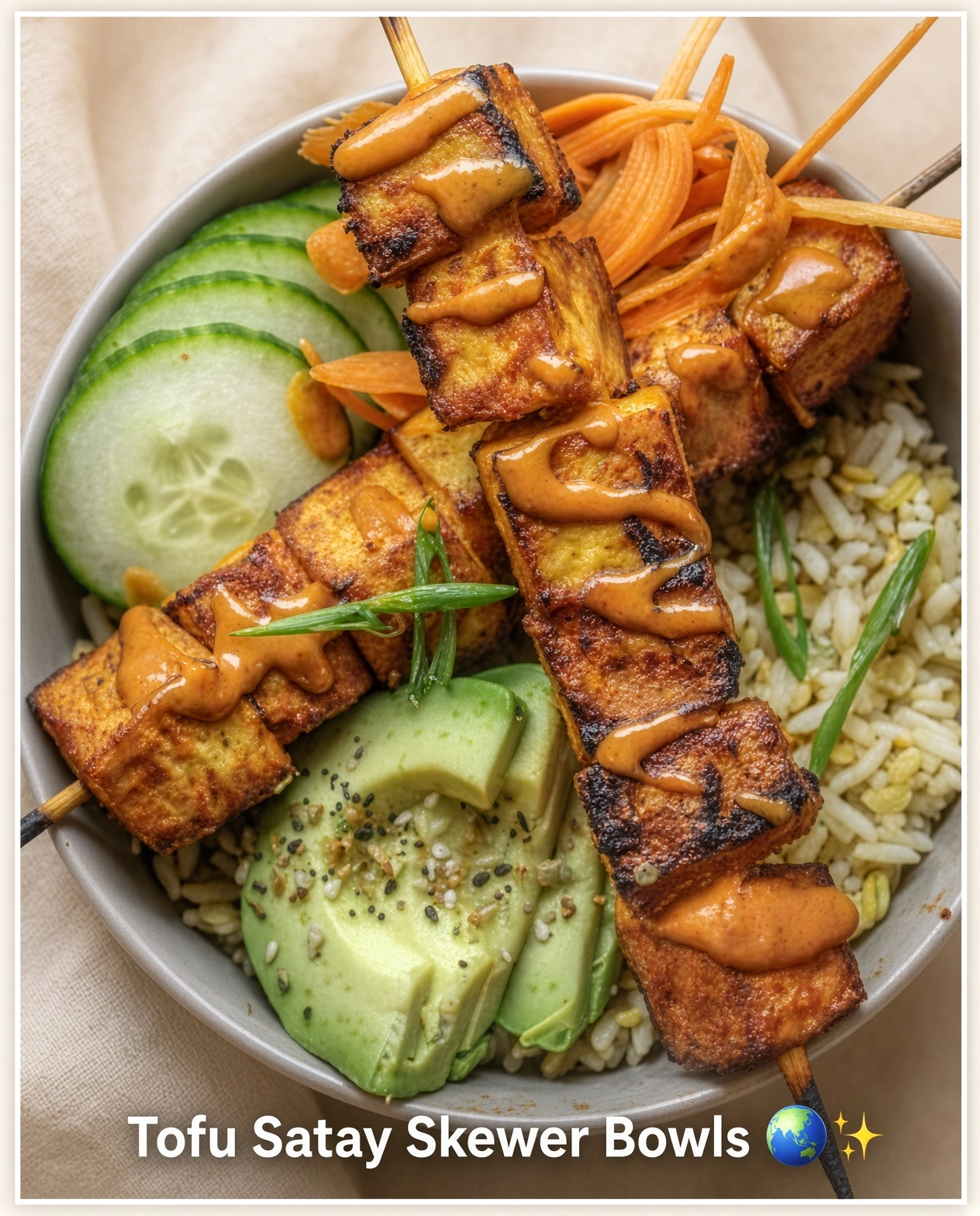
Some dinners feel like a restaurant meal made at home. These Vegan Tofu Satay Skewer Bowls are exactly that — golden, charred-edged tofu skewers brushed with a fragrant lemongrass-and-turmeric marinade, laid over fluffy rice with crisp cucumber, shredded carrot, and red cabbage, and finished with a silky, deeply savory peanut satay sauce that you will want to drink straight from the jar.

Satay is one of Southeast Asia’s most beloved street foods, traditionally made with marinated grilled meat and served with a rich peanut dipping sauce. This plant-based version keeps everything that makes satay so addictive — the smoky char, the warm spices, the sweet-salty-tangy peanut sauce — and swaps the meat for firm tofu that has been pressed, marinated, and baked or pan-seared until the edges turn crisp and caramelized.

What makes these bowls work so well is contrast. The tofu is chewy and crisp at the edges, tender inside. The vegetables are cold, crunchy, and fresh. The rice is warm and soft. The peanut sauce is creamy, glossy, and bright with lime. Every forkful has something different going on, and nothing feels heavy.

They are also ideal for meal prep: the marinade, sauce, and pickled vegetables all keep for days, so you can assemble a fresh bowl in minutes on a busy weeknight.

This recipe is 100% vegan, easily gluten-free, packed with plant-based protein, and ready in about 35 minutes plus a short marinating time.


Recipe Information

Prep TimeCook TimeTotal TimeServingsCalories
15 mins20 mins35 mins (+ 30 mins marinating)4~540 kcal

Ingredients

For the Tofu Skewers

  • 2 blocks (700g total) extra-firm tofu, pressed for 20 minutes and cut into 2cm cubes
  • 3 tbsp soy sauce or tamari
  • 2 tbsp maple syrup
  • 2 tbsp lime juice
  • 2 tbsp neutral oil
  • 3 cloves garlic, minced
  • 1 tbsp fresh ginger, grated
  • 1 stalk lemongrass, white part finely minced (or 1 tsp lemongrass paste)
  • 1 tsp ground turmeric
  • 1 tsp ground coriander
  • ½ tsp ground cumin
  • ¼ tsp chili flakes
  • 12 bamboo skewers, soaked in water for 20 minutes

For the Peanut Satay Sauce

  • ½ cup (130g) natural smooth peanut butter
  • 1 cup (240ml) full-fat coconut milk
  • 2 tbsp soy sauce or tamari
  • 2 tbsp maple syrup
  • 2 tbsp lime juice
  • 1 tbsp rice vinegar
  • 2 cloves garlic, minced
  • 1 tsp fresh ginger, grated
  • 1 tsp sriracha or chili garlic sauce (adjust to taste)
  • 2–4 tbsp warm water, to thin

For the Bowls

  • 3 cups (600g) cooked jasmine or basmati rice
  • 1 large cucumber, thinly sliced
  • 2 carrots, shredded or cut into ribbons
  • 2 cups (150g) red cabbage, finely shredded
  • 1 cup (150g) shelled edamame, cooked
  • 1 red bell pepper, thinly sliced
  • 4 spring onions, sliced

To Garnish

  • ¼ cup roasted peanuts, roughly chopped
  • Fresh cilantro or Thai basil
  • Lime wedges
  • Sesame seeds
  • Extra chili flakes

Instructions

  1. Press the tofu. Wrap the tofu blocks in a clean kitchen towel, place a heavy pan or a stack of books on top, and press for 20 minutes. Removing excess water is what allows the tofu to absorb the marinade and crisp up properly instead of steaming.
  2. Mix the marinade. In a large bowl whisk together the soy sauce, maple syrup, lime juice, oil, garlic, ginger, lemongrass, turmeric, coriander, cumin, and chili flakes until smooth.
  3. Marinate the tofu. Cut the pressed tofu into 2cm cubes and gently toss in the marinade until every piece is coated. Let sit for at least 30 minutes, or up to 4 hours in the refrigerator, turning once.
  4. Make the peanut sauce. Whisk the peanut butter, coconut milk, soy sauce, maple syrup, lime juice, rice vinegar, garlic, ginger, and sriracha together in a small saucepan over low heat. Stir for 3–4 minutes until smooth, warm, and glossy. Thin with warm water one tablespoon at a time until it falls from a spoon in a thick ribbon. Taste and adjust — more lime for brightness, more maple for sweetness, more sriracha for heat.
  5. Thread the skewers. Thread 4–5 tofu cubes onto each soaked skewer, leaving a little space between pieces so the heat can reach every side. Reserve the leftover marinade for basting.
  6. Cook the skewers. Oven: bake at 425°F (220°C) on a parchment-lined tray for 20–25 minutes, turning once and brushing with marinade halfway, until deeply golden and crisp at the edges. Grill or grill pan: cook over medium-high heat for 4–5 minutes per side until charred in places. Air fryer: cook at 400°F (200°C) for 12–14 minutes, turning once.
  7. Prep the vegetables. While the tofu cooks, slice the cucumber, shred the carrots and cabbage, slice the bell pepper, and cook the edamame according to package directions. Keeping everything crisp and cold is part of what makes these bowls so good.
  8. Assemble the bowls. Divide the warm rice between four bowls. Arrange the cucumber, carrot, cabbage, edamame, and bell pepper in neat sections on top. Lay three skewers across each bowl.
  9. Finish and serve. Drizzle generously with the warm peanut satay sauce and scatter with chopped peanuts, spring onions, cilantro, and sesame seeds. Serve with lime wedges and extra sauce on the side.

Pro Tips for the Best Tofu Satay Bowls

  • Press the tofu properly. Twenty minutes of pressing makes the difference between crisp, flavorful tofu and soggy, bland tofu. A tofu press is helpful but a towel and a heavy pan work just as well.
  • Choose extra-firm tofu. Firm and silken varieties fall apart on skewers. Extra-firm holds its shape through marinating, threading, and cooking.
  • Soak the skewers. Bamboo skewers soaked for 20 minutes will not scorch under the grill or in a hot oven.
  • Baste halfway through. Brushing the tofu with leftover marinade midway builds a sticky, caramelized glaze that mimics the char of traditional satay.
  • Warm the sauce just before serving. Peanut sauce thickens as it cools. Gently reheat with a splash of water or coconut milk to bring back that silky drizzle.
  • Use natural peanut butter. Peanut butter made from just peanuts and salt gives a cleaner, richer flavor and a smoother sauce than sweetened commercial brands.

Why This Bowl Is Packed With Plant-Based Nutrition

Tofu is one of the most complete plant proteins available. A single serving of these bowls delivers around 28 grams of protein, with all nine essential amino acids, plus meaningful amounts of calcium, iron, and manganese. Tofu also contains isoflavones, which have been studied for cardiovascular and bone health benefits.

Peanuts add monounsaturated fats, vitamin E, niacin, and a further boost of protein, while the coconut milk contributes medium-chain triglycerides for quick energy. Edamame adds fiber, folate, and vitamin K. The raw vegetables — cabbage, carrot, cucumber, and bell pepper — provide vitamin C, beta-carotene, and hydration, and their crunch makes the bowl more filling without extra calories.

Turmeric and ginger in the marinade bring natural anti-inflammatory compounds, and the lime juice improves absorption of the plant-based iron in the tofu and edamame.


Flavor Variations

  • Tempeh Satay Bowls: Swap the tofu for steamed and cubed tempeh for a nuttier, firmer, more protein-dense version.
  • Cauliflower Satay Bowls: Use thick cauliflower steaks or large florets in place of tofu for a lighter, naturally gluten-free option.
  • Noodle Satay Bowls: Replace the rice with rice noodles or soba and toss with a little of the peanut sauce for a cold noodle bowl.
  • Mushroom Satay Skewers: Thread king oyster or large shiitake mushrooms for a meaty, umami-rich alternative.

Nutritional Highlights (Per Serving)

CaloriesProteinCarbsFiberFat
~540 kcal28g54g9g24g

Storage

  • Refrigerator: Store the cooked tofu, rice, vegetables, and sauce in separate airtight containers for up to 4 days. Keeping the components separate preserves the crunch of the vegetables and the crispness of the tofu.
  • Peanut sauce: Keeps in a sealed jar in the refrigerator for up to 7 days. Reheat gently with a splash of water before using.
  • Freezer: The cooked tofu skewers freeze well for up to 2 months. The sauce also freezes beautifully. Thaw overnight in the refrigerator and re-crisp the tofu in a hot oven or air fryer.
  • Meal prep: Marinate the tofu and make the sauce on Sunday, then assemble fresh bowls in under 10 minutes through the week.

Frequently Asked Questions

Can I make these skewers without a grill?

Yes — the oven and air fryer methods both produce crisp, golden tofu with caramelized edges. A grill pan on the stovetop also works very well.

Can I make this recipe nut-free?

Replace the peanut butter with sunflower seed butter or tahini. Use toasted pumpkin seeds instead of chopped peanuts. The flavor will differ slightly but the sauce will still be rich and creamy.

How do I stop the tofu from falling apart on the skewers?

Use extra-firm tofu, press it thoroughly, and cut it into larger 2cm cubes. Thread gently through the center of each piece rather than near an edge.

Is this recipe gluten-free?

It is when you use tamari instead of soy sauce and serve it over rice. Always check labels on sriracha and peanut butter for hidden gluten.

Can I use store-bought satay sauce?

Yes, but check the label — many contain fish sauce or honey. The homemade sauce takes five minutes and tastes noticeably fresher and richer.

What can I serve alongside these bowls?

Try quick-pickled cucumbers, a simple miso soup, or crispy vegan spring rolls. A cold lime-and-mint drink goes beautifully with the peanut sauce.


Tried this recipe? Leave a comment below and let us know how it turned out! Tag us on Instagram and Facebook — we love seeing your plant-powered creations. Looking for more satisfying vegan bowls and dinner recipes? Browse all recipes on Easy Vegan Recipes — new recipes posted every single week!

Vegan Balinese Laksa

balinese laksa

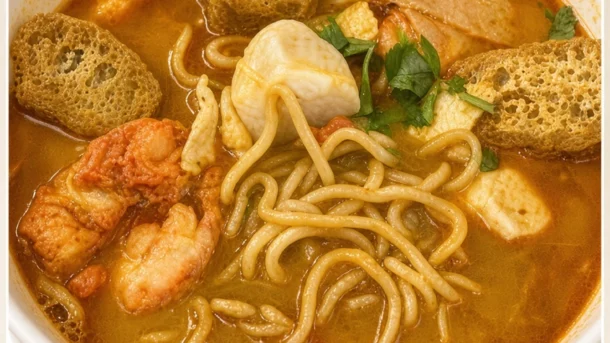
There are noodle soups that warm you. And then there are noodle soups like this Vegan Balinese Laksa — the kind that fills the kitchen with the most extraordinary aroma of toasted lemongrass, galangal, and kaffir lime as the spice paste blooms in hot oil, that pours into the bowl a deeply golden, coconut-rich broth of such extraordinary fragrance and complexity that it stops you before the first spoonful and makes you simply breathe it in for a moment. This is that laksa. The one that transports you. The one that makes every other noodle soup taste straightforward by comparison. The one that proves plant-based cooking is not about simplifying cuisine but about honoring it entirely.

Laksa is one of the great noodle soups of Southeast Asia — a preparation of such extraordinary depth and aromatic complexity that it has become beloved far beyond its regional origins, with regional variations found throughout Malaysia, Singapore, Indonesia, and beyond. Balinese laksa draws on the island’s distinctive spice tradition — richer in fresh aromatics, warmer in spice, and more coconut-forward than many other regional versions — producing a soup that is simultaneously lighter and more fragrant than the heavier Malay laksa styles.

This vegan version builds the characteristic aromatic laksa paste from scratch using lemongrass, galangal, shallots, garlic, candlenuts, and chili, simmered in rich coconut milk into a broth of extraordinary richness and depth, served over rice noodles with crispy tofu, bean sprouts, and fresh herbs that bring lightness and contrast to the deeply savory, fragrant broth.

What makes this laksa so outstanding is the paste — making it from scratch rather than using a commercial laksa paste produces a broth of dramatically superior freshness and complexity, with each aromatic contributing its specific character to the whole rather than the homogenized, preservative-tinged flavor of any jar.

This recipe is 100% vegan, naturally gluten-free when made with tamari, ready in about 50 minutes, and absolutely magnificent served immediately while the broth is at its most fragrant and the noodles are perfectly tender.


Recipe Information

Prep TimeCook TimeTotal TimeServingsCalories
20 mins30 mins50 mins4~480 kcal

Ingredients

For the Laksa Paste

  • 3 stalks lemongrass, white part only, roughly chopped
  • 3cm piece galangal or fresh ginger, peeled and roughly chopped
  • 4 shallots, roughly chopped
  • 4 cloves garlic
  • 3 dried red chilies, soaked in hot water for 10 minutes (or 1 tsp chili flakes)
  • 4 candlenuts or macadamia nuts (for body and richness)
  • 1 tsp ground turmeric
  • 1 tsp ground coriander
  • ½ tsp ground cumin
  • 1 tsp shrimp paste substitute — use 1 tbsp white miso + 1 tsp soy sauce
  • 2 tbsp neutral oil for blending the paste

For the Laksa Broth

  • 2 cans (800ml) full-fat coconut milk
  • 2 cups (480ml) vegetable broth
  • 2 kaffir lime leaves
  • 1 tsp sugar or maple syrup
  • 1 tbsp soy sauce or tamari
  • Salt to taste
  • 1 tbsp lime juice (added at the very end)

For the Toppings and Noodles

  • 300g dried rice noodles, cooked according to package instructions
  • 400g firm tofu, pressed, cubed, and pan-fried until golden
  • 2 cups (200g) bean sprouts
  • 4 spring onions, thinly sliced
  • ½ cup (30g) fresh cilantro, roughly chopped
  • Fresh mint leaves
  • 2 limes, cut into wedges
  • Chili oil or fresh sliced chili for heat

Optional Toppings

  • Crispy fried shallots scattered over the top
  • Vegan fish sauce substitute (soy sauce with nori) for extra depth
  • Sliced cucumber for freshness
  • Hard set tofu scramble as an egg substitute

Instructions

  1. Make the laksa paste. Place the lemongrass, galangal, shallots, garlic, soaked chilies, candlenuts, turmeric, coriander, cumin, miso mixture, and oil in a food processor or blender. Blend for 2–3 minutes, scraping down the sides repeatedly, until a smooth, fragrant paste forms. The paste should be completely smooth with no large fibrous pieces remaining — particularly important for the lemongrass which can remain stringy if under-processed.
  2. Cook the paste. Heat a large, wide pot over medium heat. Add the laksa paste directly to the dry pot and cook for 5–6 minutes, stirring continuously, until the paste has darkened slightly, the oil has begun to separate around the edges, and the kitchen smells extraordinarily fragrant. This cooking step is essential — raw paste produces a harsh, unintegrated flavor; properly cooked paste produces depth and sweetness.
  3. Build the broth. Add both cans of coconut milk and the vegetable broth to the cooked paste. Add the kaffir lime leaves, sugar, and soy sauce. Stir well to combine. Bring to a gentle simmer — not a vigorous boil, which can cause coconut milk to separate — and cook for 15 minutes, stirring occasionally, until the broth has deepened in color and aroma and the flavors have fully integrated.
  4. Prepare the toppings. While the broth simmers, prepare the noodles according to package instructions, pan-fry the cubed tofu until golden and crispy on all sides, and arrange all toppings in individual bowls or on a large platter for table-side serving.
  5. Finish the broth. Remove and discard the kaffir lime leaves. Add the lime juice and taste the broth — adjust with additional soy sauce for saltiness, lime for acidity, sugar for sweetness, or chili oil for heat. The broth should taste deeply complex, fragrant, slightly sweet, and warmly spiced with a pronounced coconut richness.
  6. Assemble and serve. Divide the cooked noodles between warmed bowls. Ladle the hot laksa broth generously over the noodles. Top with the crispy tofu, bean sprouts, spring onions, fresh cilantro, and mint. Serve immediately with lime wedges, chili oil, and extra soy sauce alongside for individual seasoning at the table.

Pro Tips

  • Blend the paste until genuinely smooth — lemongrass is fibrous and requires extended blending to break down completely. Stopping before the paste is truly smooth produces a stringy, unpleasant texture in the finished broth.
  • Cook the paste until the oil separates — this signals that the water content has cooked off and the aromatic compounds have been properly released and concentrated. It is the moment the paste transforms from raw and harsh to sweet, complex, and fragrant.
  • Simmer the broth gently — vigorous boiling causes coconut milk to separate into grainy curds rather than remaining as a smooth, silky emulsion. Keep the heat at the lowest simmer that maintains gentle movement.
  • Add lime juice at the very end off the heat — citrus added during cooking loses its bright, volatile aromatic compounds rapidly and contributes only sourness without fragrance.
  • Prepare everything before serving — laksa is a last-minute assembly dish. Have the noodles cooked, the tofu ready, and all toppings prepared before the broth is finished so everything can be assembled and served at its best temperature.

The Story of Laksa

Laksa is one of the most iconic dishes of the Malay Archipelago — a noodle soup of extraordinary regional diversity that reflects the layered cultural and culinary history of Southeast Asia. The word laksa is believed to derive either from the Sanskrit word for “many” (referring to the many ingredients in the dish) or from the Persian word for “noodle,” reflecting the complex trading history of the region that brought Persian, Indian, Chinese, and indigenous Malay influences into contact over centuries of maritime trade.

Balinese laksa — sometimes called Soto Bali or Balinese soto — reflects the distinct culinary character of Bali, where Hindu cultural traditions have shaped a cuisine that is simultaneously richer in fresh aromatics and more vibrant in spice than much of the surrounding Indonesian archipelago. Balinese cooking places extraordinary emphasis on fresh spice pastes called basa gede or bumbu Bali — complex mixtures of lemongrass, galangal, shallot, garlic, candlenut, and chili that form the aromatic foundation of virtually every significant dish in the tradition.

This vegan version replaces the traditional shrimp paste with a combination of white miso and soy sauce that replicates its fermented, deeply savory character without any animal products, and omits any animal protein in favor of crispy tofu that absorbs the extraordinary laksa broth beautifully during the brief time it spends in the bowl before the first spoonful.


Flavor Variations

  • Extra Spicy Laksa: Add additional dried chilies to the paste and finish with a generous drizzle of chili oil at serving for a version with serious building heat.
  • Tempeh Laksa: Replace the crispy tofu with pan-fried tempeh for a meatier, earthier protein with a nuttier flavor that pairs particularly well with the coconut broth.
  • Mushroom Laksa: Add a handful of shiitake or king oyster mushrooms to the broth during the final 5 minutes of simmering for extra umami depth and a more substantial broth.

Nutritional Highlights (Per Serving)

CaloriesProteinCarbsFiberFat
~480 kcal18g52g5g24g

Storage

  • Broth only: The laksa broth stores beautifully in the refrigerator for up to 4 days and freezes well for up to 3 months — store separately from the noodles and toppings and assemble fresh each time.
  • Noodles: Store cooked noodles separately, tossed with a tiny drizzle of oil to prevent sticking, for up to 2 days.
  • Do not store assembled: Assembled laksa should not be stored — the noodles absorb the broth and become bloated and mushy. Always store components separately and assemble fresh.
  • Laksa paste: The raw laksa paste stores in the refrigerator for up to 1 week and freezes beautifully for up to 3 months — freeze in tablespoon-sized portions for easy single-serving use.

Frequently Asked Questions

Can I use store-bought laksa paste instead of making from scratch?

Yes — several brands produce vegan laksa paste that works well as a shortcut, reducing the total cooking time significantly. Check the label carefully as many commercial laksa pastes contain shrimp paste. Use approximately 3–4 tablespoons in place of the homemade paste.

What can I use instead of galangal?

Fresh ginger is the most widely available substitute and produces a good result with a slightly sharper, less piney flavor than galangal. Use the same quantity. Galangal is available fresh or frozen at Asian grocery stores and is worth seeking out for the most authentic flavor.

What are kaffir lime leaves and where do I find them?

Kaffir lime leaves are the aromatic leaves of the kaffir lime tree, with a distinctive citrusy, slightly floral fragrance that is impossible to replicate with any substitute. They are available fresh or frozen at Asian grocery stores and many health food stores. If unavailable, add extra lime zest to the broth, though the character will be different.


Tried this recipe? Leave a comment below and let us know how it turned out! Tag us on Instagram and Facebook — we love seeing your plant-powered creations. Looking for more addictive vegan snack and appetizer recipes? Browse all recipes on Easy Vegan Recipes — new recipes posted every single week!