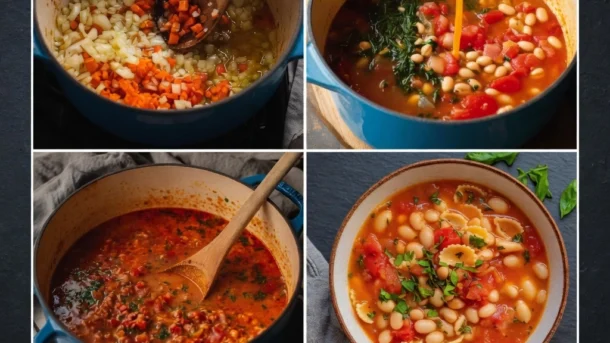
Thick, hearty, and deeply savory, with tender beans, little pasta tubes, a tomato-rosemary broth, and a rich base of onion, carrot, celery, and garlic: this Vegan Pasta e Fagioli is the Italian “pasta and beans” classic made completely plant-based. It is cooked in one pot in about 40 minutes, uses pantry staples, and is one of the most filling soups you can make on a cold night.
Pasta e fagioli (pronounced “PAH-stah eh fah-JOH-lee”) began as a humble Italian peasant dish, made from inexpensive ingredients such as beans, pasta, and vegetables. In many Italian homes, it is somewhere between a soup and a stew: thick enough to eat with a spoon, but still brothy. This version keeps that spirit. It is rich and satisfying with no meat, no dairy, and no need for a long simmer.
The flavor starts with a soffritto, a base of finely chopped onion, carrot, and celery slowly cooked in olive oil until soft and sweet. Garlic, tomato paste, rosemary, oregano, and a pinch of chili flakes are added to build depth. Crushed tomatoes and vegetable broth form the soup, and the beans and pasta cook right in it, so the starch from the pasta naturally thickens the broth.
A simple trick makes the soup creamy without any cream. Take about a cup of the cooked beans, mash them with a little broth, and stir them back into the pot. This gives the soup a rich, velvety body while keeping plenty of whole beans for texture.
For the beans, cannellini are a good choice, and borlotti (cranberry) beans are the traditional pick. Canned beans keep this a weeknight recipe. For the pasta, use a small shape such as ditalini, small shells, or elbow macaroni. Small pasta fits on a spoon with the beans, and it cooks quickly in the soup.
One important note: the pasta keeps absorbing liquid as the soup sits. For leftovers, you will need to add a splash of broth or water when reheating. If you plan to make it ahead, you can cook the pasta separately and add it to each bowl.
Allergen note: this recipe is vegan, dairy-free, egg-free, and nut-free as written. It contains gluten from the pasta, so use gluten-free small pasta if needed, and note that gluten-free pasta can soften faster. Check your pasta for egg, since some dried pasta is made with it, and your vegetable broth for allergens.
2 cans (15 oz / 400g each) cannellini or borlotti beans, drained and rinsed
1 bay leaf
1 cup (120g) small pasta (ditalini, small shells, or elbow macaroni)
2 cups (60g) baby spinach or chopped kale, optional
1 tbsp lemon juice or red wine vinegar
Salt and black pepper, to taste
To Serve
Fresh chopped parsley
Good olive oil, for drizzling
Vegan parmesan, optional
Crusty bread
Instructions
Cook the soffritto. Heat the olive oil in a large pot over medium heat. Add the onion, carrot, and celery with a pinch of salt. Cook for 8 minutes, stirring often, until soft and sweet but not browned.
Add the aromatics. Stir in the garlic, tomato paste, oregano, rosemary, and chili flakes. Cook for 1–2 minutes, until the paste darkens slightly.
Add the liquid. Pour in the crushed tomatoes and vegetable broth. Add the bay leaf and one can of beans. Bring to a boil.
Mash the second can. In a bowl, mash the second can of beans with a fork or blend with ½ cup of the hot broth until mostly smooth. Stir this into the soup. It thickens the soup and makes it creamy.
Cook the pasta. Reduce to a steady simmer and add the pasta. Cook, stirring often so it does not stick, for the time on the package, usually 8–10 minutes, until the pasta is just tender.
Add greens. Stir in the spinach or kale and cook for 2 minutes, until wilted.
Finish. Remove the bay leaf. Stir in the lemon juice and season with salt and pepper. If the soup is too thick, add a splash of hot broth or water.
Serve. Ladle into bowls, drizzle with olive oil, and top with parsley and vegan parmesan. Serve with crusty bread. Let it cool a few minutes before eating, since the soup is very hot.
Pro Tips for the Best Pasta e Fagioli
Cook the soffritto slowly. This sweet base is the foundation of the flavor.
Cook the tomato paste for a minute or two to remove its raw taste.
Mash some of the beans for a creamy broth without any cream.
Stir often after adding the pasta, since small pasta sinks and sticks.
Cook the pasta until just tender. It will soften more in the hot soup.
Add acid at the end. Lemon juice or vinegar brightens all the flavors.
Season at the end, since broths vary in saltiness.
Drizzle with good olive oil before serving for extra richness.
A Few Notes on Ingredients
Cannellini beans are creamy and mild. Borlotti beans (also called cranberry beans) are the traditional choice and have a slightly nutty taste. Tomato paste adds depth, and crushed tomatoes give body. Fresh rosemary is a classic pairing with beans, and it is strong, so chop it finely. Ditalini is the traditional pasta, but any small shape works. If you want a lighter soup, use more broth and less pasta.
Flavor Variations
Extra Hearty: Add a diced potato with the broth.
Smoky: Add ½ teaspoon of smoked paprika.
Greens: Use kale, chard, or escarole.
Gluten-Free: Use gluten-free small pasta, and cook it separately to prevent it from overcooking.
Spicy: Add more chili flakes, or a spoonful of chili oil at the end.
Brothy Style: Add 1–2 more cups of broth for a soupier version.
Slow Cooker: Cook the soffritto first, then cook everything except the pasta and greens on low for 6 hours. Add the pasta for the last 20 minutes on high.
Nutritional Highlights (Per Bowl)
Calories
Protein
Carbs
Fiber
Fat
~320 kcal
12g
50g
11g
8g
Values are estimates and vary by brand and ingredient.
Storage
Refrigerator: Store in an airtight container for up to 4 days. The pasta will absorb the broth, so the soup thickens.
Reheating: Add a splash of broth or water, and warm gently on the stove, stirring often.
Make ahead: To keep the pasta from getting soft, cook it separately and add it to each bowl.
Freezer: Freeze the soup without the pasta for up to 3 months. Cook fresh pasta when you reheat it.
Frequently Asked Questions
What does pasta e fagioli mean?
It means “pasta and beans” in Italian.
Is it a soup or a stew?
Either. The traditional version is thick, somewhere in between, and you can add more broth to make it thinner.
Which beans are best?
Cannellini beans are creamy and easy to find. Borlotti (cranberry) beans are traditional, and great northern beans also work.
Why does my soup get thick overnight?
The pasta keeps absorbing liquid. Add extra broth or water when you reheat it.
Can I make it gluten-free?
Yes. Use gluten-free small pasta and cook it separately, since it can turn soft quickly.
How is this different from your other white bean soups?
This is a thick Italian soup with tomato, rosemary, and small pasta cooked in the pot. Our Tuscan White Bean Soup and Vegan White Bean Soup are bean-based soups without the pasta-and-tomato character of this one, and our Tuscan Pasta is a pasta dish rather than a soup.
Tried this recipe? Leave a comment below and let us know how it turned out! Tag us on Instagram and Facebook — we love seeing your plant-powered creations. Browse all recipes on Easy Vegan Recipes — new recipes posted every single week!
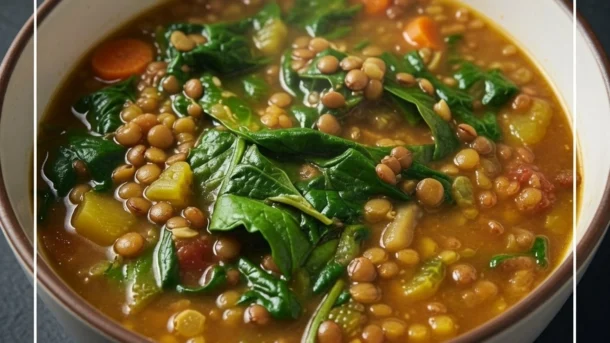
There are soups you make because the weather turned cold and something warm is needed. And then there are soups like this Vegan Spinach and Lentil Soup — the kind that fills the kitchen with the most extraordinary aroma of toasted cumin and caramelized onion and garlic as it simmers, that pours into the bowl a deep, burnished amber-gold with vivid emerald spinach folded through it in a way that makes it look genuinely, beautifully alive, and that delivers with every single spoonful a warmth and nourishment so profound and so genuine that you feel it in your body as much as you taste it on your tongue. This is that soup. The one that has become a weekly ritual in households across the world. The one that is simultaneously the most effortless and the most deeply satisfying thing you will cook all week. The one that is so packed with plant-based protein, iron, fiber, and an almost overwhelming concentration of vitamins and minerals that eating it feels like a genuinely restorative act.
This is a soup of extraordinary simplicity and extraordinary depth — red lentils that cook down into a silky, naturally thickened base of remarkable richness and body, aromatic onion and garlic and ginger caramelized slowly into sweetness, a carefully chosen spice blend of cumin, turmeric, coriander, and smoked paprika that fills the soup with warmth and complexity without overwhelming the clean, earthy character of the lentils, bright lemon that lifts and sharpens everything in the bowl at the very last moment, and generous handfuls of fresh spinach stirred in at the end and wilted just enough to remain vivid and nutritionally intact while contributing their characteristic earthy mineral freshness to every spoonful.
What makes this soup so genuinely outstanding is how much it achieves from so little. Red lentils — one of the most affordable, most accessible, and most nutritionally impressive ingredients available anywhere in the world — dissolve partially during cooking to create a naturally thick, creamy, hearty soup base that requires no cream, no blending, and no thickening agents of any kind. The lentils do all the work themselves, releasing their natural starches into the broth and creating a consistency and body that feels deeply substantial and satisfying despite requiring nothing more than a pot, some water, and time.
This recipe is 100% vegan, naturally gluten-free, extraordinarily high in plant-based protein and iron, ready in just 35 minutes, made in a single pot, and absolutely spectacular served with warm crusty bread, a squeeze of fresh lemon, a swirl of good olive oil, and nothing else required because the soup itself is complete and magnificent exactly as it is.
Recipe Information
Prep Time
Cook Time
Total Time
Servings
Calories
10 mins
25 mins
35 mins
6
~280 kcal
Ingredients
For the Soup
2 cups (400g) red lentils, rinsed thoroughly until water runs clear
½ tsp chili powder or cayenne (adjust to heat preference)
¼ tsp cinnamon
¼ tsp black pepper
Optional Add-ins
1 medium sweet potato, peeled and diced (adds beautiful sweetness)
1 can (400g) chickpeas, drained (adds extra protein and texture)
1 medium carrot, diced (adds sweetness and body)
2 stalks celery, diced (adds depth)
1 medium zucchini, diced
¼ cup (15g) fresh cilantro, roughly chopped (stir in at end)
1 tbsp tahini (swirl in at end for creaminess)
For the Crispy Spiced Oil Topping (Optional but Extraordinary)
3 tbsp olive oil
1 tsp cumin seeds
½ tsp smoked paprika
¼ tsp chili flakes
2 cloves garlic, thinly sliced
To Serve
Warm crusty sourdough or flatbread
A generous squeeze of fresh lemon
Drizzle of best quality extra virgin olive oil
Fresh cilantro or parsley, roughly chopped
Chili flakes for heat and color
Vegan yogurt or coconut cream swirled on top
The crispy spiced oil drizzled over the surface
Instructions
Rinse the lentils thoroughly. Place the red lentils in a fine mesh sieve and rinse under cold running water for a full 2 minutes, stirring with your fingers, until the water runs completely clear. Rinsing removes surface starches and any dust or debris and produces a cleaner-tasting, clearer finished soup. Red lentils cook very quickly and do not require soaking — they are ready to cook immediately after rinsing.
Build the aromatic base. Heat the olive oil in a large heavy-bottomed pot or Dutch oven over medium heat until shimmering. Add the finely diced onion and a generous pinch of salt and cook for 6–8 minutes, stirring regularly, until the onion is deeply golden, soft, and beginning to caramelize at the edges. This step cannot be rushed — properly caramelized onion is the flavor foundation of the entire soup and the depth of sweetness it provides is completely irreplaceable. Add the minced garlic and grated ginger and cook for a further 2 minutes until incredibly fragrant.
Bloom the spice blend. Add all the spices — cumin, turmeric, coriander, smoked paprika, chili powder, cinnamon, and black pepper — to the caramelized onion and stir continuously for 60–90 seconds until the spices are deeply fragrant, darkened slightly, and coating everything in the pot in a rich, aromatic paste. Blooming the spices in the hot oil activates their essential oils and deepens their flavor dramatically — this single step is responsible for a significant portion of the extraordinary depth of the finished soup.
Add tomatoes and cook down. Pour in the crushed tomatoes and stir well to combine with the spiced onion base. Cook over medium-high heat for 3–4 minutes, stirring frequently, until the tomatoes have darkened slightly and the oil begins to separate around the edges of the mixture — this brief cooking concentrates the tomato flavor and removes any raw, acidic taste that would otherwise carry through to the finished soup.
Add lentils and broth. Add the rinsed red lentils and stir to coat thoroughly in the spiced tomato base. Pour in the vegetable broth and stir well to combine. Bring to a vigorous boil over high heat then reduce to a steady simmer. Cook uncovered for 18–22 minutes, stirring occasionally, until the lentils have completely dissolved and the soup has thickened to a rich, creamy, naturally thick consistency. Red lentils break down completely during cooking — there should be virtually no whole lentil pieces remaining in the finished soup.
Add the spinach. Reduce the heat to medium and add the fresh spinach in three or four large handfuls, stirring between each addition to allow the spinach to wilt into the soup before adding more. Cook for 2–3 minutes until all the spinach is wilted and incorporated. Do not overcook the spinach — it should remain bright green and slightly textured rather than turning grey and mushy. The vivid green of the spinach against the golden soup is one of the most beautiful visual qualities of this dish.
Finish with lemon and adjust seasoning. Remove from heat and squeeze in the lemon juice — this final addition is non-negotiable. The acid from the lemon lifts and brightens the entire flavor profile of the soup dramatically, cutting through the richness of the lentils and amplifying every spice note simultaneously. Taste and adjust the seasoning generously with additional salt, black pepper, lemon juice, or chili powder. The finished soup should taste deeply savory, warmly spiced, slightly tangy from the lemon, and intensely satisfying.
Make the crispy spiced oil topping. If using heat the olive oil in a small skillet over medium heat. Add the cumin seeds and cook for 30 seconds until they begin to pop and are fragrant. Add the sliced garlic and cook for 60–90 seconds until golden at the edges — watching carefully as garlic can burn quickly. Remove from heat and add the smoked paprika and chili flakes — the residual heat will bloom the spices without burning them. Drizzle immediately over the served soup for an extraordinary finishing touch.
Serve beautifully and generously. Ladle the soup into warmed bowls and finish each serving with a generous squeeze of additional lemon juice, a drizzle of best quality extra virgin olive oil or the crispy spiced oil, a scattering of fresh cilantro or parsley, chili flakes for color, and a swirl of vegan yogurt or coconut cream if desired. Serve immediately with warm bread alongside for the most complete and satisfying meal imaginable.
Pro Tips for the Most Extraordinary Vegan Lentil Soup
Caramelize the onion fully and without rushing. The single most important step in this soup is cooking the onion to genuine caramelization — deep golden, soft, and sweet rather than merely translucent. This takes 6–8 minutes at medium heat and produces a depth of sweetness and complexity that is the defining flavor characteristic of a truly great lentil soup. A hurried, undercooked onion produces a flat, one-dimensional soup. A properly caramelized onion produces something genuinely extraordinary.
Bloom the spices in hot oil before adding liquid. This is the technique that separates a great spiced soup from an ordinary one. The fat-soluble flavor compounds in spices are activated and intensified by contact with hot oil in a way that contact with water cannot replicate. 60–90 seconds of continuous stirring in hot oil before adding any liquid produces spice flavors of dramatic depth and complexity.
Cook the tomatoes until the oil separates. The brief period of cooking the tomatoes until the oil visibly separates and pools around the edges signals that the tomato base is properly cooked — sweet, concentrated, and free of the raw, tinny flavor that undercooked tomato contributes. This takes 3–4 minutes of active cooking and is completely worth the time.
Add the lemon juice off the heat at the very end. Lemon juice added during cooking loses its brightness and fresh citrus character during simmering. Added at the very end off the heat it retains its full, vibrant acidity and transforms the flavor of the entire bowl — cutting through the earthiness of the lentils and lifting every spice note simultaneously. Never add it earlier than the final moment.
Make the crispy spiced oil topping. This optional but extraordinary finishing step — warm olive oil infused with cumin seeds, golden garlic, smoked paprika, and chili flakes drizzled over the bowl at the moment of serving — adds a layer of aromatic warmth, visual drama, and textural interest that elevates a very good soup into something genuinely spectacular. It takes less than three minutes and makes an enormous difference to the finished result.
Season in layers throughout cooking. Adding all the salt at the end of cooking produces a one-dimensional, surface seasoning. Adding a pinch with the onion, seasoning again after the tomatoes, and tasting and adjusting throughout produces a soup where the seasoning is integrated into every layer of flavor — deeply and uniformly seasoned rather than merely salty on the surface.
The Extraordinary Nutritional Power of Red Lentils
Red lentils are one of the most nutritionally impressive foods available anywhere in the plant kingdom — and the casual accessibility and extraordinary affordability of this ingredient makes them one of the most important foods in plant-based cooking.
A single serving of this soup provides approximately 18 grams of plant-based protein from the lentils alone — equivalent to a significant portion of the daily protein requirement for most adults and comparable to the protein content of a substantial serving of chicken or fish. Lentils achieve this remarkable protein density while simultaneously providing virtually no saturated fat — making them nutritionally superior to animal protein sources for cardiovascular health in every meaningful metric.
The iron content of red lentils is one of their most important and most underappreciated qualities. A single serving of this soup provides approximately 6–8mg of non-heme iron — representing 30–45% of the daily recommended intake for adult women and up to 75% for adult men. The addition of lemon juice at the end of cooking is not merely a flavor decision — the Vitamin C in lemon juice dramatically increases the bioavailability of the non-heme iron in the lentils through a specific chemical interaction that converts the iron to its more absorbable ferrous form. This is why the lemon juice is non-negotiable in this recipe from a nutritional as well as a culinary perspective.
The fiber content of this soup is equally extraordinary. A single serving provides approximately 12 grams of dietary fiber — nearly half the daily recommended intake — including both soluble fiber that feeds beneficial gut bacteria and reduces cholesterol absorption, and insoluble fiber that promotes healthy digestive transit and reduces the risk of colorectal cancer.
Turmeric — used generously in the spice blend — provides curcumin with its well-documented anti-inflammatory properties. Cumin contributes thymoquinone with antioxidant and anti-inflammatory properties alongside enhanced iron absorption from its naturally occurring compounds. Ginger provides gingerols and shogaols with potent anti-nausea, anti-inflammatory, and immune-supporting properties. Spinach provides Vitamins K, A, C, and folate alongside iron and calcium. Together these ingredients create a soup of extraordinary medicinal as well as culinary value.
Flavor Variations
Coconut Lentil Soup: Replace one cup of the vegetable broth with full-fat coconut cream and add a teaspoon of curry powder to the spice blend for a richer, creamier, more tropical version with a beautiful golden color and a subtle sweetness from the coconut that is particularly extraordinary with fresh cilantro and toasted coconut flakes on top.
Moroccan Lentil Soup: Add half a teaspoon of ras el hanout, a pinch of saffron dissolved in hot water, and a quarter cup of dried apricots roughly chopped to the soup for a Moroccan-inspired version with extraordinary complexity and a beautiful sweet-savory balance that is spectacular with warm flatbread and a dollop of harissa.
Lemon and Herb Finished: Stir in a generous handful of fresh cilantro, fresh parsley, and fresh mint at the very end alongside the lemon juice for a brighter, more herbaceous version with a beautiful freshness that lifts the earthy lentil base into something lighter and more vibrant — particularly beautiful in spring and summer.
Chunky Vegetable Version: Add diced sweet potato, carrot, and celery with the lentils for a chunkier, more substantial version with additional sweetness from the vegetables and a more complex textural experience — perfect for anyone who prefers a heartier soup with more body and variety in every spoonful.
Nutritional Highlights (Per Serving)
Calories
Protein
Carbs
Fiber
Fat
~280 kcal
18g
40g
12g
6g
At just 280 calories per serving this soup delivers one of the most impressive nutritional profiles of any single dish in plant-based cooking — 18 grams of plant-based protein, 12 grams of dietary fiber, and an extraordinary concentration of iron, folate, potassium, magnesium, and B vitamins from the red lentils alongside Vitamins K, A, and C from the spinach, powerful anti-inflammatory compounds from the turmeric and ginger, and meaningful antioxidant protection from the smoked paprika and tomatoes. This is food that heals as it nourishes — a soup of genuine medicinal character that happens also to be one of the most deeply comforting and satisfying bowls imaginable.
Storage
Refrigerator: Store cooled soup in an airtight container in the refrigerator for up to 6 days. This soup is one of those genuinely extraordinary recipes that improves significantly with every passing day — the spices deepen and bloom further during storage and the lentils continue to absorb the surrounding flavors producing an even richer, more complex soup by day 3 than on the day it was made. Add a splash of vegetable broth when reheating as the soup thickens considerably during refrigeration.
Freezer: This soup freezes beautifully for up to 4 months — making it one of the finest batch-cooking recipes available. Cool completely before transferring to freezer-safe containers in individual or family-sized portions. Thaw overnight in the refrigerator and reheat gently in a pot over medium heat, stirring frequently and adding vegetable broth or water to restore the original consistency. The flavor is virtually indistinguishable from freshly made after freezing and thawing.
Meal prep: This soup is one of the most outstanding meal prep recipes available — make a full pot on Sunday and have genuinely nourishing, deeply satisfying lunches and dinners available for the entire week with zero additional cooking effort. Portion into individual containers, refrigerate, and reheat as needed throughout the week.
Reheating: Reheat over medium heat in a pot with a generous splash of vegetable broth or water, stirring regularly. The soup will be significantly thicker after refrigeration — thin to the desired consistency with additional liquid before serving. Do not boil aggressively during reheating as this can affect the texture of the lentils.
Frequently Asked Questions
Can I use green or brown lentils instead of red?
Yes — green and brown lentils produce a different but equally delicious soup. They do not dissolve during cooking the way red lentils do — they retain their shape and produce a chunkier, more textured soup with a slightly earthier, more robust flavor. Green and brown lentils also take longer to cook — approximately 35–40 minutes rather than the 18–22 minutes needed for red lentils. Both are nutritionally outstanding choices.
Why did my lentil soup turn out too thick?
Red lentils absorb liquid voraciously during cooking and particularly during storage — a soup that seems perfectly consistency when cooked can become very thick indeed after refrigeration. Add additional vegetable broth or water in generous splashes during cooking or reheating and stir well to incorporate until the desired consistency is achieved. The soup will continue to thicken as it cools — aim for a slightly thinner consistency than desired when hot.
Can I make this soup in an Instant Pot?
Yes — this soup adapts beautifully to pressure cooker preparation. Sauté the aromatics and bloom the spices using the sauté function then add the rinsed lentils, broth, and tomatoes. Cook on high pressure for 12 minutes followed by a natural pressure release of 10 minutes. Add the spinach and lemon juice after releasing pressure and stir until the spinach wilts. The result is a soup of identical flavor to the stovetop version produced in significantly less time.
Is this soup suitable for freezing with the spinach already added?
Yes — spinach freezes well in this soup without any significant degradation in flavor or texture after thawing. The spinach will be slightly softer after freezing and reheating than when freshly added but still delicious and nutritionally intact. For the most vibrant color and freshest flavor in a reheated frozen soup stir in a fresh handful of spinach during reheating rather than relying on the spinach that was frozen with the soup.
How do I make this soup more filling?
For a more substantial meal stir in a drained can of chickpeas in the final 5 minutes of cooking — the combination of red lentils and chickpeas produces a soup of extraordinary protein density and incredible staying power. Serving with a thick slice of seeded sourdough bread adds complex carbohydrates and additional fiber. A swirl of tahini stirred in at the end adds healthy fats that promote satiety and give the soup a beautiful creamy richness.
Can I make this soup without tomatoes?
Yes — replace the crushed tomatoes with an additional cup of vegetable broth and add a tablespoon of tomato paste for concentrated flavor without the bulk of canned tomatoes. The soup will be lighter in color and slightly less complex in flavor but still deeply delicious. Alternatively replace the tomatoes with a cup of roasted red pepper purée for a sweeter, more vibrant version with a beautiful color and a different but equally appealing flavor character.
Tried this recipe? Leave a comment below and let us know how it turned out! Tag us on Instagram and Facebook — we love seeing your plant-powered creations. Looking for more warming, nourishing vegan soup and dinner recipes? Browse all recipes on Easy Vegan Recipes — new recipes posted every single week!
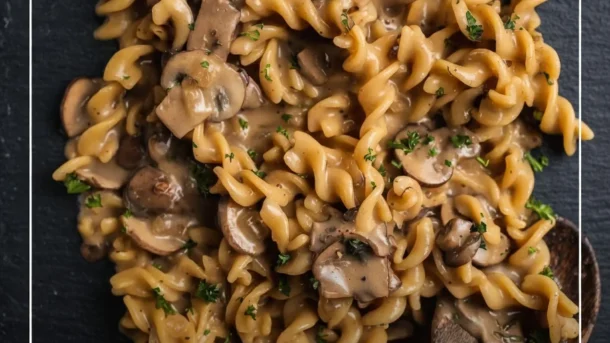
There are soups you make because something warm is needed. And then there are soups like this Vegan One-Pot Mushroom Soup — the kind that fills the kitchen with the most extraordinary aroma of deeply browned mushrooms and garlic and thyme from the moment the heat goes on, that cooks down into a broth of such remarkable depth and body that it tastes like it simmered for hours rather than thirty-five minutes, and that delivers spoonful after spoonful of rich, earthy, umami-packed satisfaction that makes it genuinely one of the most craveable soups in the entire plant-based repertoire. This is that soup. The one that makes mushroom skeptics reconsider everything. The one that gets made again the very next week.
This recipe builds extraordinary depth from a combination of cremini and dried mushrooms — the fresh mushrooms providing body and texture, the dried mushrooms providing an intensely concentrated umami hit that elevates the entire broth far beyond what fresh mushrooms alone could achieve. A generous amount of garlic, fresh thyme, soy sauce, and a splash of balsamic vinegar add the layers of savory complexity that make this soup so deeply satisfying.
What makes this soup so outstanding is the searing technique — taking the time to brown the mushrooms properly in a hot pan before building the soup around them, producing that deep, caramelized, almost meaty mushroom flavor that is the defining characteristic of a truly great mushroom soup.
This recipe is 100% vegan, naturally gluten-free when made with tamari, ready in just 35 minutes, made in one pot, and absolutely magnificent served with crusty bread for soaking up every last drop of the broth.
Recipe Information
Prep Time
Cook Time
Total Time
Servings
Calories
10 mins
25 mins
35 mins
4
~180 kcal
Ingredients
For the Soup
600g cremini or mixed mushrooms, sliced
20g dried porcini or shiitake mushrooms
1 cup (240ml) boiling water (for soaking dried mushrooms)
1 large onion, finely diced
5 cloves garlic, minced
2 tbsp olive oil
4 cups (960ml) vegetable broth
2 tbsp soy sauce or tamari
1 tbsp balsamic vinegar
1 tsp fresh thyme leaves (or ½ tsp dried)
1 tsp fresh rosemary, finely chopped
Salt and black pepper to taste
Optional Add-ins
½ cup (120ml) plant cream or coconut cream stirred in at the end for a creamy version
1 cup (180g) cooked pearl barley for extra substance
A splash of dry white wine added after the garlic
2 tbsp nutritional yeast for extra umami depth
To Serve
Crusty bread
Fresh parsley, finely chopped
A drizzle of good olive oil
Cracked black pepper
Instructions
Soak the dried mushrooms. Place the dried mushrooms in a small bowl and pour the boiling water over them. Let soak for 15 minutes until softened. Strain the soaking liquid through a fine sieve and reserve — this mushroom broth is extraordinarily flavorful and goes into the soup. Roughly chop the rehydrated mushrooms.
Sear the fresh mushrooms. Heat the olive oil in a large pot over high heat until shimmering. Add the sliced fresh mushrooms in a single layer — work in batches if needed — and let sit undisturbed for 2–3 minutes until deeply golden on the bottom before stirring. Continue cooking until golden all over and any released liquid has evaporated completely, about 6–8 minutes total. Season with salt and pepper.
Build the aromatics. Reduce heat to medium and add the onion to the pot. Cook for 4–5 minutes until softened. Add the garlic, thyme, and rosemary and cook for 60 seconds until fragrant.
Build the soup. Add the rehydrated chopped mushrooms and their strained soaking liquid to the pot. Add the vegetable broth, soy sauce, and balsamic vinegar. Bring to a boil then reduce to a simmer and cook for 12–15 minutes until the broth has deepened in flavor.
Adjust and serve. Taste and season generously with salt and black pepper. For a creamier version, stir in plant cream at this stage. Serve hot with crusty bread alongside and a scattering of fresh parsley over the top.
Pro Tips
Sear the mushrooms properly before building the soup — this step is what creates the deep, almost meaty mushroom flavor that makes this soup so extraordinary. A crowded pan steams rather than sears; use the largest pan you have and work in batches if needed.
Never skip the dried mushrooms — they contribute a concentrated umami depth that fresh mushrooms alone cannot replicate, and their soaking liquid adds another layer of rich flavor to the broth.
Add the mushroom soaking liquid carefully — pour slowly and leave any grit behind in the bowl, or strain through a fine sieve.
Taste and season the broth generously at the end — mushroom soup rewards confident seasoning.
Why Dried Mushrooms Make This Soup Extraordinary
Dried mushrooms contain significantly higher concentrations of glutamates and other umami compounds than fresh mushrooms, as the drying process concentrates all their flavor compounds dramatically. Adding even a small amount of dried porcini or shiitake to a soup that already contains fresh mushrooms creates a depth and complexity that would be impossible to achieve with fresh mushrooms alone, producing a broth that tastes deeply savory and complex rather than merely mushroomy.
Flavor Variations
Creamy Mushroom Soup: Stir in half a cup of plant cream or blended cashews at the end for a richer, creamier version.
Mushroom and Barley Soup: Add a cup of cooked pearl barley for a more substantial, hearty soup that works as a complete meal.
Spicy Mushroom Soup: Add a pinch of chili flakes and a teaspoon of smoked paprika for a warmer, spiced version.
Nutritional Highlights (Per Serving)
Calories
Protein
Carbs
Fiber
Fat
~180 kcal
7g
16g
3g
9g
Storage
Refrigerator: Store in an airtight container for up to 5 days. The soup deepens in flavor during storage and is often even better on day 2 or 3. Reheat gently on the stovetop.
Freezer: Freezes well for up to 3 months. Thaw overnight in the refrigerator and reheat gently on the stovetop, adding a splash of broth if needed.
Meal prep: This soup is an excellent meal prep staple — make a large batch at the beginning of the week for effortless lunches and dinners.
Frequently Asked Questions
Can I use only fresh mushrooms without the dried ones?
Yes, though the soup will have less depth. If omitting dried mushrooms, add an extra tablespoon of soy sauce and a teaspoon of nutritional yeast to compensate for some of the lost umami complexity.
What type of dried mushrooms work best?
Porcini mushrooms provide the most intense, truffle-like flavor; shiitake provides a deeper, earthier umami. Either works beautifully, as does a mixed dried mushroom blend.
Can I blend this soup?
Yes — blend half the soup for a version that is partially smooth and partially chunky, which many people find the most satisfying texture. Alternatively blend completely for a smooth, creamy mushroom bisque.
Tried this recipe? Leave a comment below and let us know how it turned out! Tag us on Instagram and Facebook — we love seeing your plant-powered creations. Looking for more rich, satisfying vegan soup and dinner recipes? Browse all recipes on Easy Vegan Recipes — new recipes posted every single week!
This is not a delicate soup. It is not a purée designed to be sipped from a shallow bowl with a swirl of cream on top. This vegan sausage and butternut squash soup is a proper, hearty, autumn-and-winter meal — thick, smoky, deeply savoury, with chunks of golden butternut squash and slices of vegan sausage that give every spoonful something substantial to get hold of. The squash brings natural sweetness and body; the sausages bring smokiness and the satisfying chew of something that feels like actual dinner rather than a starter that happens to be warm. Together, with a base of softened onion, garlic, and smoked paprika, and a stock that is given time to reduce and concentrate, the result is one of those soups that is better than you expect from its ingredient list and exactly what the weather demands. It is 100% plant-based, dairy-free, and egg-free. It serves 6. It is on the table in 45 minutes from a cold start. It is the kind of soup you make on a Sunday and eat three times during the week because it improves with every day in the refrigerator.
The technique is the sear-first-and-bloom method. Soups that are made by combining all their ingredients in a pot and simmering until done have a characteristic flavour: thin, one-dimensional, lacking depth — the flavour of individual ingredients that have been cooked together but have not truly combined into something greater than their parts. The sear-first-and-bloom method addresses this by building flavour at every stage before the liquid is added, rather than relying on the simmer to do the work. Step one — sear the sausages first: the vegan sausages are sliced and seared in the soup pot in a small amount of oil before anything else, until they are deeply golden on all cut surfaces; this Maillard browning on the sausage surface creates flavour compounds that dissolve into the soup when the liquid is added, giving the broth a depth and complexity that no amount of simmering can produce if the sausages go in raw. The seared sausage slices are removed and set aside — they will be added back to the soup in the final stage to prevent them from becoming too soft during the long simmer. Step two — bloom the aromatics and spices: the onion and garlic are softened in the sausage-flavoured fat remaining in the pot; the tomato paste is added and cooked for 3–4 minutes until it deepens to a dark brick-red (this Maillard-equivalent step for tomato paste concentrates and transforms its flavour from raw and acidic to deep and savoury); the smoked paprika, cumin, and dried thyme are stirred into the fat and cooked for 60 seconds, which causes the fat-soluble flavour compounds in the spices to dissolve into the oil rather than remaining locked in the dry spice powder — a process called blooming that dramatically increases the flavour intensity and colour the spices contribute to the soup. Step three — the squash goes in after the bloom: the butternut squash is added to the flavoured base, stirred to coat in the spice-and-tomato-infused fat, and then the stock is added; this brief coating step ensures the squash absorbs the base flavours from the first minute of simmering rather than cooking in a neutral liquid.
This recipe serves 6.
Recipe Information
Prep Time
Cook Time
Total Time
Servings
Calories
15 mins
30 mins
45 mins
6
~390 kcal
Ingredients
For the Soup
6 good-quality vegan sausages — the brand matters here; choose a sausage with a smoky, savoury flavour and a firm enough texture to hold its shape when sliced and simmered; Cumberland-style or Italian-style vegan sausages work well; avoid sausages that are very soft or crumbly as they will disintegrate during the simmer
1 large butternut squash (approximately 1kg / 2.2lbs) — peeled, deseeded, and cut into 2cm cubes; the cubes should be consistent in size for even cooking; pre-cut supermarket butternut squash is convenient and works equally well
2 medium onions, finely diced
5 cloves garlic, finely minced
2 sticks celery, finely sliced
2 medium carrots, diced to approximately 1cm
2 tbsp tomato paste (tomato purée) — bloomed in the oil before the liquid is added; do not skip this step
2 tsp smoked paprika — the smokiness of the paprika is central to the flavour profile of this soup; sweet paprika can be used but produces a less characterful result
1 tsp ground cumin
1 tsp dried thyme — or 3–4 sprigs of fresh thyme, leaves stripped
½ tsp chilli flakes — optional; adds background warmth without making the soup spicy
1.5 litres (6 cups) good-quality vegan vegetable stock — the stock is the backbone of the soup’s flavour; use a good-quality stock cube or liquid stock; a thin, weak stock produces a thin, weak soup
1 × 400g tin cannellini beans or butter beans — drained and rinsed; adds protein, creaminess, and body to the soup without needing to blend it
2 tbsp olive oil — for searing and softening
Salt and freshly cracked black pepper — to taste
1 tsp balsamic vinegar or red wine vinegar — added at the very end; a small amount of acid brightens and lifts the finished soup
To Serve
Fresh flat-leaf parsley, roughly chopped
Chilli flakes — for scattering over
Good crusty bread — for dipping
Extra virgin olive oil — for drizzling over each bowl
Instructions
Sear the sausages — sear-first stage. Slice each vegan sausage into rounds approximately 1.5–2cm thick. Heat 1 tablespoon of olive oil in a large, heavy-based pot or Dutch oven over medium-high heat. When the oil is shimmering, add the sausage slices in a single layer — work in batches if necessary; do not crowd the pot. Sear for 2–3 minutes per side without moving until each side is deeply golden-brown. Remove the sausage slices to a plate and set aside. Do not wipe the pot — the fat and fond (the browned residue on the base of the pot) remaining in the pot after searing is the foundation of the soup’s depth of flavour.
Soften the aromatics. Reduce the heat to medium. Add the remaining tablespoon of olive oil to the pot. Add the diced onion, celery, and carrot and cook, stirring occasionally, for 7–8 minutes until the onion is soft, translucent, and beginning to colour at the edges. Add the minced garlic and cook for a further 2 minutes.
Bloom the tomato paste and spices — bloom stage. Push the vegetables to the edges of the pot. Add the tomato paste to the centre and cook, stirring and spreading it around the base of the pot, for 3–4 minutes until it has darkened from bright red to a deep brick-red colour. Add the smoked paprika, cumin, dried thyme, and chilli flakes if using, and stir everything together, cooking for 60 seconds until the spices are fragrant and fully incorporated into the fat and tomato paste.
Add the squash and coat. Add the butternut squash cubes to the pot and stir to coat thoroughly in the spiced tomato base. Cook for 2 minutes, stirring occasionally, so the squash begins to absorb the base flavours before the stock is added.
Add the stock and simmer. Pour in the vegetable stock and stir well, scraping up any fond from the base of the pot. Increase the heat to bring the soup to a brisk simmer. Reduce to a steady simmer (not a rolling boil — a vigorous boil clouds the soup and can make the squash break down unevenly) and cook for 18–20 minutes until the butternut squash is completely tender when pierced with a knife — it should offer no resistance.
Partially blend — optional. For a soup with more body and creaminess while still maintaining chunks of squash, use a ladle to remove approximately one-third of the soup (aiming for squash-heavy ladlefuls) and blend until smooth in a blender or with a stick blender in a separate jug. Stir the blended portion back into the pot. This partial blend thickens the soup significantly without making it a purée. Skip this step entirely if you prefer a purely chunky soup.
Add the beans and sausages. Add the drained cannellini beans to the pot. Return the seared sausage slices to the pot. Stir gently and simmer for a further 5 minutes until the beans are heated through and the sausages have warmed and absorbed some of the broth.
Finish and season. Remove from the heat. Add the balsamic vinegar, stir through, and taste. Adjust salt and black pepper generously — this soup needs confident seasoning. If the soup feels too thick, add a splash of additional stock or water to loosen.
Serve. Ladle into bowls. Scatter with fresh parsley and chilli flakes. Drizzle with extra virgin olive oil. Serve immediately with crusty bread.
Pro Tips
Sear the sausages before anything else, in the soup pot — the browned fond that remains in the pot after searing the sausages is the single greatest flavour contribution in this recipe; cooking the onions and aromatics directly in that fond dissolves it into the vegetable base, distributing its depth throughout the entire soup; if the sausages are added raw with the stock they contribute almost none of this flavour; 5 minutes of searing returns hours of slow-cooked depth.
Bloom the tomato paste until it darkens — raw tomato paste added to a soup and immediately covered with stock tastes raw, bright, and slightly acidic, because its natural sugars and amino acids have not had the sustained dry heat needed to undergo Maillard browning; 3–4 minutes of cooking in a hot, relatively dry pot transforms those same sugars and amino acids into the complex, savoury, concentrated flavour compounds that give a soup its backbone; do not rush this step and do not add stock until the paste is visibly darker.
Add sausages back in the final 5 minutes only — vegan sausages that simmer in the soup for the full 20-minute cooking time become soft, pale, and waterlogged, losing both their texture and the caramelised flavour developed during searing; returning them to the pot only for the final 5 minutes preserves their texture and allows them to warm through and absorb the soup’s flavour without deteriorating.
Season at the end, not throughout — the vegetable stock reduces slightly during the 20-minute simmer, concentrating its salt; seasoning aggressively at the beginning produces an over-salted final soup; taste and season only after the soup has finished cooking and any final adjustments (blending, adding beans, thinning with water) have been made.
Butternut Squash: A New World Vegetable Conquers the Old World Kitchen
Butternut squash (Cucurbita moschata) is a member of the Cucurbitaceae family — the same botanical family that includes cucumbers, melons, and all the other squashes and pumpkins — and like every member of that family, it is native to the Americas. The domestication of Cucurbita species in the Americas is among the oldest agricultural achievements in the world: archaeological evidence from the Oaxaca Valley in Mexico places the cultivation of Cucurbita pepo (a close relative) at approximately 8,000–10,000 BCE, making squash one of the oldest cultivated crops on earth and a central component of the “Three Sisters” agricultural system developed by Indigenous peoples across North and Central America — the polyculture of maize, beans, and squash that formed the nutritional and agricultural foundation of many pre-Columbian civilisations. Butternut squash specifically is a relatively modern variety: it was developed in the United States in the 1940s by Charles Leggett of Stow, Massachusetts, who crossed a gooseneck squash with a Hubbard squash to produce the butternut — notable for its smooth, easy-to-peel skin, its sweet, dense flesh, its long shelf life, and its consistent performance in cooking across a wide range of methods. The butternut’s global spread from Leggett’s Massachusetts garden to supermarket shelves in every country where this recipe might be made is a story that took less than 80 years — a remarkably rapid adoption driven by the vegetable’s practical virtues (easy preparation, long storage, versatile flavour) and by the shift in the 1970s–1990s toward a more internationally diverse food culture in the United Kingdom and across Europe, where the butternut squash found particular favour in autumn and winter cooking. The natural sweetness of butternut squash — a product of its high sugar content relative to most vegetables — makes it one of the ideal partners for smoky, savoury flavours like the sausage and smoked paprika in this soup: the sweetness and the smokiness calibrate each other, and the squash’s creamy, dense flesh gives a soup exactly the body it needs without requiring cream or a roux.
Flavor Variations
Spicy Nduja-Style Vegan Sausage and Squash Soup: Use a spicy vegan sausage (a chorizo-style or spicy Italian-style vegan sausage) and add 1–2 teaspoons of harissa paste to the pot when blooming the tomato paste. Increase the chilli flakes to 1 teaspoon. The heat of the spicy sausage and harissa against the sweetness of the butternut squash is one of the best flavour combinations in winter soup cookery. Finish with a swirl of vegan yogurt over each bowl to temper the heat.
Tuscan White Bean and Sausage Soup: Reduce the butternut squash to 500g and add one tin of chopped tomatoes alongside the stock. Replace the cannellini beans with borlotti beans. Add a parmesan rind (or a piece of nutritional-yeast-rubbed vegetable broth rind) to the pot with the stock for extra depth. Add 100g of shredded cavolo nero or kale in the final 5 minutes of simmering. The Tuscan version is denser, more tomato-forward, and deeply reminiscent of ribollita — the classic Tuscan bread-and-bean soup.
Curried Butternut Squash and Sausage Soup: Replace the smoked paprika, cumin, and thyme with 2 tablespoons of medium curry powder or a combination of 1 tsp turmeric, 1 tsp ground coriander, 1 tsp ground cumin, and ½ tsp garam masala. Add one 400ml tin of coconut milk alongside the stock for creaminess. Finish with fresh coriander and a squeeze of lime. The curried version is fragrant, warming, and works best with a mild vegan sausage that carries the curry spicing rather than competing with it.
Nutritional Highlights (Per Serving — Based on 6 Servings)
Calories
Protein
Carbs
Fiber
Fat
~390 kcal
16g
42g
9g
17g
Storage
Refrigerator: This soup improves significantly with time in the refrigerator as the flavours continue to develop and the starch from the squash thickens the broth. Store in a sealed container for up to 5 days — it is better on day three than on day one. Reheat gently on the hob over medium heat, adding a splash of water or stock if it has thickened too much on standing.
Freezer: This soup freezes exceptionally well. Allow to cool completely, transfer to freezer-safe containers or zip-lock bags in single-serving portions, and freeze for up to 3 months. Defrost overnight in the refrigerator and reheat on the hob. The sausage texture softens slightly after freezing and thawing but remains pleasant. The squash may break down further on reheating, creating a naturally thicker soup — add extra stock as needed.
Batch cooking: This soup is ideal for batch cooking — make a double quantity in the largest pot you own; the active time is almost identical and you produce 12 servings that can be divided between the refrigerator (5 days) and the freezer (3 months). A double batch is one of the most efficient uses of 45 minutes in a vegan kitchen.
Reheating from frozen: Transfer frozen soup to the refrigerator the night before needed. Reheat in a pot over medium heat, stirring occasionally, adding stock or water to adjust consistency. Do not boil aggressively — gentle reheating preserves the sausage texture and prevents the squash from breaking down into a purée.
Frequently Asked Questions
Which vegan sausages work best in this recipe?
The key properties to look for are: a firm enough texture to hold its shape when sliced and simmered (very soft or crumbly sausages disintegrate); a smoky, savoury flavour that contributes to the soup rather than disappearing into it; and a skin that can be removed if necessary (some vegan sausage skins become tough after searing — slice the sausage before searing to avoid this). Cumberland-style and Italian herb-style vegan sausages from brands such as Richmond, Heck, and Linda McCartney all work well. If your preferred brand is softer, reduce the simmering time after adding the sausages back to 2–3 minutes.
Can I use pumpkin instead of butternut squash?
Yes — any dense, sweet winter squash works in this soup. Pumpkin, kabocha, Red Kuri, and Delicata squash are all good substitutes and cook in approximately the same time as butternut. Avoid watery summer squashes (courgette, yellow squash) — they don’t provide the body or sweetness that butternut contributes.
Can I make this soup in a slow cooker?
Yes — sear the sausages and bloom the aromatics and spices on the hob as directed (this step cannot be done in a slow cooker), then transfer everything to the slow cooker. Cook on high for 3–4 hours or low for 6–8 hours until the squash is tender. Add the beans and sausage slices in the final 30 minutes. The slow cooker version develops an exceptionally deep, long-cooked flavour but the sausage texture is softer than the hob version.
My soup tastes thin and flat — how do I fix it?
If the soup tastes thin, the most effective fixes are: partial blending (scoop out and blend a third of the soup and stir back in — this immediately thickens and adds body); reduction (simmer with the lid off for 10 minutes to concentrate the broth); additional seasoning (flat soup is usually under-seasoned — add salt, black pepper, and an extra teaspoon of smoked paprika); or a tablespoon of soy sauce (adds immediate umami depth without a noticeable soy flavour). A combination of all four usually rescues even the flattest pot of soup.
Tried this recipe? Leave a comment below and let us know how it turned out! Tag us on Instagram and Facebook — we love seeing your plant-powered creations. Looking for more addictive vegan snack and appetizer recipes? Browse all recipes on Easy Vegan Recipes — new recipes posted every single week!
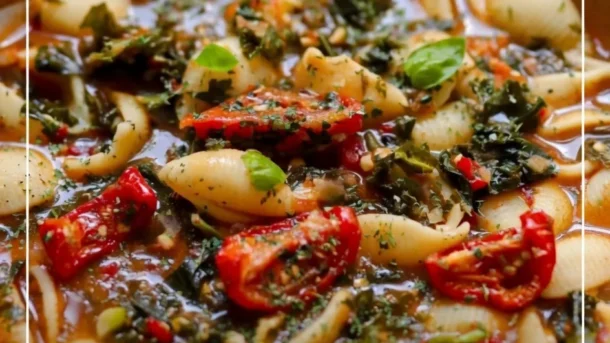
There are soups that warm you. And then there are soups like this Vegan Sun-Dried Tomato Pasta Soup — the kind that fills the kitchen with the rich, concentrated aroma of slow-roasted tomatoes and garlic from the very first moment the sun-dried tomatoes hit the pot, that builds into something so deeply savory, so silky, and so intensely flavored with the sweet-sharp intensity of tomatoes that have been dried in the sun until all their water is gone and only pure, concentrated tomato character remains, that it is genuinely difficult to believe this soup came together in under 30 minutes on a weeknight. This is that soup. The one that tastes like it simmered for hours. The one that makes pasta in soup seem like the best idea anyone ever had. The one that people ask for again the next day.
This soup is built on a foundation of sun-dried tomatoes sautéed in their own oil with onion, garlic, and red pepper flakes until deeply fragrant, then blended into a rich, velvety tomato base that is so much more intensely flavored than any fresh or canned tomato could ever achieve on its own. Small pasta — ditalini, orzo, or small shells — is cooked directly in the broth, absorbing flavor as it cooks. A finish of vegan cream cheese or coconut cream stirred in just before serving transforms the soup from bright and sharp to creamy, lush, and perfectly balanced between acidity and richness.
What makes this recipe so outstanding is the sun-dried tomato oil — the oil that sun-dried tomatoes are packed in is infused with concentrated tomato flavor, garlic, and herbs, and using it to sauté the aromatics rather than plain olive oil adds a layer of depth to the soup’s foundation that sets this recipe apart from anything built on plain canned tomatoes.
This recipe is 100% vegan, naturally dairy-free, ready in just 30 minutes, and the kind of warming, satisfying dinner that earns a permanent place in your weeknight rotation.
Recipe Information
Prep Time
Cook Time
Total Time
Servings
Calories
10 mins
20 mins
30 mins
4
~360 kcal
Ingredients
For the Soup Base
200g (7oz) sun-dried tomatoes in oil, drained (reserve the oil)
Sauté the aromatics. Heat the reserved sun-dried tomato oil in a large pot over medium heat. Add the diced onion and cook for 4–5 minutes until softened and translucent. Add the garlic and red pepper flakes and cook for 1 minute until fragrant.
Add the sun-dried tomatoes and spices. Add the drained sun-dried tomatoes, dried oregano, dried basil, smoked paprika, and tomato paste to the pot. Stir well and cook for 2–3 minutes, letting the tomato paste and sun-dried tomatoes caramelize slightly against the bottom of the pot — this step adds significant depth to the finished soup.
Blend the base. Add the crushed tomatoes and 500ml (2 cups) of the vegetable broth. Use an immersion blender to blend the mixture until very smooth and silky. Alternatively, transfer to a blender in batches and blend carefully. Return to the pot.
Add remaining broth and pasta. Pour in the remaining 500ml of broth. Stir in the sugar, salt, and pepper. Bring to a boil, then add the pasta. Cook, stirring occasionally, for 8–10 minutes until the pasta is just tender. The pasta will continue to absorb liquid as it sits — if the soup thickens too much, add a splash more broth.
Finish with cream. Reduce the heat to low. Stir in the vegan cream cheese (or coconut cream), nutritional yeast, and lemon juice. Stir until the cream cheese is fully melted and incorporated and the soup is silky and uniform. Taste and adjust seasoning.
Serve. Ladle into bowls and top with fresh basil, a scatter of vegan parmesan, and a drizzle of olive oil. Serve with crusty bread for dipping.
Pro Tips
Use the oil from the jar. Sun-dried tomato packing oil is infused with tomato, garlic, and herbs — the richest, most flavorful oil in your kitchen for this purpose. Do not substitute with plain olive oil if the jarred oil is available.
Caramelize the tomato paste. Letting the tomato paste cook against the bottom of the pot for 2–3 minutes before adding liquid deepens its flavor dramatically — raw tomato paste added directly to broth is sharp and flat; caramelized tomato paste is rich, complex, and savory.
Blend completely smooth. The silky, velvety texture of this soup depends on thorough blending. An immersion blender works but a high-speed countertop blender produces the smoothest result.
Add cream off the boil. Stir in the vegan cream cheese after reducing the heat — high heat can cause it to split or become grainy rather than melting smoothly into the soup.
Why Sun-Dried Tomatoes Are More Flavorful Than Fresh
The transformation that happens to a tomato when it is dried in the sun is one of the most dramatic flavor concentrations in all of cooking. A fresh tomato is approximately 94% water by weight — which means that when that water is removed through slow drying, the remaining 6% is a dense, concentrated package of sugars, acids, umami compounds, and aromatic flavor molecules that is gram for gram between 10 and 15 times more intensely flavored than the fresh fruit it came from. The slow drying process also causes a degree of caramelization — the natural sugars in the tomato converting under gentle prolonged heat into complex, sweet-savory caramel compounds — and a concentration of glutamates, the naturally occurring amino acids responsible for umami, that gives sun-dried tomatoes their characteristic deep savory depth. This is why a soup built on sun-dried tomatoes tastes as though it has simmered for hours even when it has been on the stove for fewer than thirty minutes: the flavor concentration that slow cooking achieves over time has already been done by the drying process.
Flavor Variations
Tuscan White Bean Sun-Dried Tomato Soup: Add a can of drained white cannellini beans with the broth for extra protein and a hearty, Tuscan-inspired character.
Spicy Arrabiata Pasta Soup: Double the red pepper flakes and add a pinch of cayenne for a fiery version inspired by the classic Italian arrabiata sauce.
Sun-Dried Tomato and Spinach Pasta Soup: Stir in 3 cups of baby spinach in the final minute of cooking for added nutrition and color.
Nutritional Highlights (Per Serving)
Calories
Protein
Carbs
Fiber
Fat
~360 kcal
11g
55g
6g
11g
Storage
Refrigerator: Store in a sealed container for up to 5 days. The pasta continues to absorb liquid as it sits — add a splash of broth when reheating and stir well.
Freezer: Freeze the soup base (before adding pasta) for up to 3 months. Cook fresh pasta directly in the reheated base. Soup with pasta already cooked can be frozen but the pasta texture suffers on thawing.
Make ahead: The soup base can be made up to 3 days ahead and refrigerated. Add pasta and cream finish just before serving.
Frequently Asked Questions
Can I use dry-packed sun-dried tomatoes instead of oil-packed?
Yes — rehydrate dry-packed tomatoes in boiling water for 15 minutes, drain, and use olive oil in place of the jar oil. The flavor will be slightly less rich but still excellent.
What pasta shape works best?
Small shapes that cook in 8–10 minutes work best — ditalini, orzo, small shells, or elbow macaroni. Larger shapes take too long and make the soup difficult to eat with a spoon.
Can I make this gluten-free?
Yes — use your preferred gluten-free small pasta shape and ensure your vegetable broth is certified gluten-free.
My soup is too thick. How do I fix it?
Add warm vegetable broth a splash at a time until the consistency is right. Sun-dried tomato pasta soup thickens significantly as the pasta absorbs liquid — this is normal and easy to correct.
Tried this recipe? Leave a comment below and let us know how it turned out! Tag us on Instagram and Facebook — we love seeing your plant-powered creations. Looking for more addictive vegan dinner recipes? Browse all recipes on Easy Vegan Recipes — new recipes posted every single week!
There are soups you make because something warm is needed. And then there are soups like this Vegan Creamy Potato Sausage Soup — the kind that comes together in a single pot in under forty minutes, filling the kitchen with the most extraordinary aroma of caramelized onion, garlic, and smoked paprika, thickening slowly around tender chunks of potato and sliced vegan sausage into a creamy, deeply savory broth that is one of the most genuinely comforting things you will eat all winter. This is that soup. The one that makes cold evenings feel genuinely warm. The one that gets requested again the very next week without fail.
This recipe builds a creamy, substantial soup around vegan sausage, potato, and a cashew-based cream that produces a thick, rich, almost chowder-like broth without a drop of dairy. Kale or spinach stirred in at the end adds freshness, color, and nutrition alongside a splash of lemon juice that brightens the entire bowl beautifully.
What makes this soup so outstanding is the vegan sausage — sliced and browned in the pot before building the soup around it, producing caramelized, slightly charred sausage pieces that release their smoky, savory flavor into every element of the surrounding broth.
This recipe is 100% vegan, naturally gluten-free when made with gluten-free sausage, ready in just 40 minutes, and absolutely magnificent served with crusty bread for soaking up every last drop of the creamy broth.
Recipe Information
Prep Time
Cook Time
Total Time
Servings
Calories
10 mins
30 mins
40 mins
6
~360 kcal
Ingredients
For the Soup
400g vegan sausages, sliced into rounds
800g potatoes, peeled and diced into 2cm cubes
1 large onion, finely diced
4 cloves garlic, minced
2 stalks celery, sliced
2 tbsp olive oil
4 cups (960ml) vegetable broth
2 cups (60g) kale or spinach, roughly chopped
1 tbsp lemon juice
1 tsp smoked paprika
1 tsp dried thyme
Salt and black pepper to taste
For the Cashew Cream
¾ cup (100g) raw cashews, soaked in boiling water for 20 minutes then drained
1 cup (240ml) water or vegetable broth
2 tbsp nutritional yeast
Salt to taste
Optional Add-ins
1 cup (150g) frozen corn, added with the potatoes
¼ tsp chili flakes for gentle heat
A splash of white wine added after the garlic
To Serve
Crusty bread
Extra black pepper
Fresh parsley, chopped
A drizzle of olive oil
Instructions
Brown the sausage. Heat 1 tablespoon of olive oil in a large pot over medium-high heat. Add the sliced vegan sausage and cook for 3–4 minutes, stirring occasionally, until golden and caramelized on both sides. Remove and set aside.
Build the aromatics. Add the remaining olive oil to the same pot over medium heat. Add the onion and celery and cook for 5–6 minutes until softened and golden. Add the garlic, smoked paprika, and thyme and cook for 60 seconds until fragrant.
Add potatoes and broth. Add the diced potatoes and vegetable broth. Bring to a boil then reduce to a simmer and cook for 15–18 minutes until the potatoes are completely tender.
Make the cashew cream. While the soup simmers, blend the drained cashews with the water or broth and nutritional yeast until completely smooth.
Add the cream and sausage. Pour the cashew cream into the simmering soup and stir to combine. Return the browned sausage to the pot. Simmer for 3–4 minutes until the broth has thickened and everything is heated through.
Add the greens and finish. Add the kale or spinach and stir until wilted, about 2–3 minutes. Add the lemon juice and season generously with salt and pepper. Taste and adjust.
Serve immediately. Ladle into bowls and serve hot with crusty bread alongside.
Pro Tips
Brown the sausage before building the soup — the caramelization produces a deeper, more complex flavor that permeates the entire broth during cooking.
Blend the cashew cream until completely smooth for the silkiest result — any graininess will be noticeable in the finished soup.
Add the greens in the final few minutes of cooking to keep them vibrant and slightly textured rather than overcooked and grey.
The lemon juice added at the end is non-negotiable — it lifts and brightens the entire creamy broth dramatically.
Why This Soup Is So Satisfying
This soup hits multiple satisfaction triggers simultaneously — the creaminess of the cashew broth, the hearty substance of the potato, the savory, smoky punch of the browned sausage, and the freshness of the kale and lemon. Together these elements create a bowl that satisfies on every dimension, which is why soups like this feel so genuinely comforting rather than merely filling.
Flavor Variations
Spicy Sausage Potato Soup: Add chili flakes and a diced jalapeño for a spicier version with building heat.
White Bean Potato Soup: Add a can of white beans alongside the potatoes for extra protein and fiber.
Smoky Chipotle Version: Add a tablespoon of chipotle in adobo sauce for a smoky, slightly spicy depth.
Nutritional Highlights (Per Serving)
Calories
Protein
Carbs
Fiber
Fat
~360 kcal
14g
38g
5g
17g
Storage
Refrigerator: Store in an airtight container for up to 4 days. Reheat gently on the stovetop, adding a splash of broth if the soup has thickened too much during storage.
Freezer: Freezes well for up to 3 months. Thaw overnight in the refrigerator and reheat gently on the stovetop.
Meal prep: This soup is an outstanding meal prep option — it reheats beautifully and the flavors deepen during storage.
Frequently Asked Questions
What vegan sausage works best?
Any vegan sausage with a firm, sliceable texture works well — look for varieties with a smoky or Italian-style seasoning for the most complementary flavor. Both soy-based and pea protein-based vegan sausages produce excellent results.
Can I make this without cashews?
Yes — use a full-fat coconut cream or a store-bought vegan cream as a direct substitute in the same quantity.
Can I use sweet potato instead of regular potato?
Yes — sweet potato adds a natural sweetness and a beautiful color to the broth that pairs particularly well with smoked sausage.
Tried this recipe? Leave a comment below and let us know how it turned out! Tag us on Instagram and Facebook — we love seeing your plant-powered creations. Looking for more comforting vegan soup and dinner recipes? Browse all recipes on Easy Vegan Recipes — new recipes posted every single week!
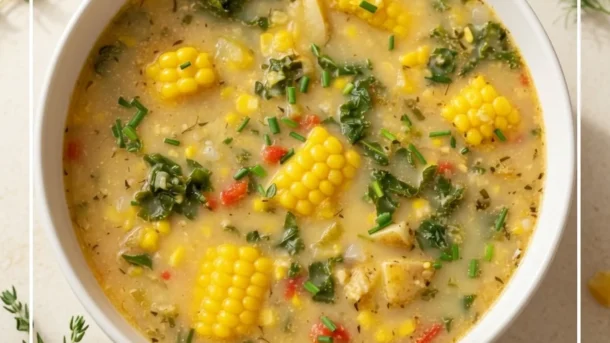
There are soups you make because the weather turned cold. And then there are soups like this Vegan Corn and Kale Chowder — the kind that fills the kitchen with the sweet aroma of caramelized onion and corn, thickened to a rich, creamy consistency without a drop of dairy, studded with tender kale and bursts of sweet corn in every spoonful. This is that chowder. The one that feels indulgent and nourishing all at once. The one that gets requested again the moment the weather turns.
This recipe builds a naturally thick, creamy base using blended corn and potato rather than relying on heavy cream, then finishes the chowder with whole corn kernels and chopped kale stirred in at the end for texture, color, and nutrition. It is a comforting, satisfying soup that proves a chowder can be just as rich and creamy without any dairy at all.
What makes this chowder so outstanding is the technique of blending a portion of the soup with the corn and potato to create natural thickness and body, rather than relying on cream or a heavy roux, producing a chowder that tastes genuinely rich while staying entirely plant-based and considerably lighter than a traditional version.
This recipe is 100% vegan, naturally gluten-free, ready in about 40 minutes, and absolutely wonderful served with crusty bread for dipping into every last spoonful.
Recipe Information
Prep Time
Cook Time
Total Time
Servings
Calories
10 mins
30 mins
40 mins
6
~260 kcal
Ingredients
For the Chowder
4 cups (600g) corn kernels, fresh or frozen
2 medium potatoes, peeled and diced
1 large onion, finely diced
3 cloves garlic, minced
4 cups (960ml) vegetable broth
1 cup (240ml) plant milk
3 tbsp olive oil
4 cups (150g) kale, stems removed and roughly chopped
1 tsp smoked paprika
1 tsp dried thyme
Salt and black pepper to taste
Optional Add-ins
¼ tsp chili flakes for gentle heat
1 cup (150g) diced red bell pepper, added with the onion
A squeeze of lime juice for brightness at the end
Crumbled vegan bacon for serving
To Serve
Crusty bread
Fresh parsley or chives
A drizzle of olive oil
Extra black pepper
Instructions
Sauté the aromatics. Heat the olive oil in a large pot over medium heat. Add the onion and cook for 5–6 minutes until softened and translucent. Add the garlic and cook for 30 seconds until fragrant.
Add the base ingredients. Add the diced potatoes, half the corn (reserve the other half for later), the vegetable broth, smoked paprika, and thyme. Bring to a boil, then reduce to a simmer and cook for 15–18 minutes until the potatoes are very tender.
Blend for creaminess. Using an immersion blender, blend the soup directly in the pot until smooth and creamy. Alternatively, carefully transfer to a blender in batches and blend until smooth, then return to the pot.
Add remaining corn and milk. Stir in the plant milk and the remaining whole corn kernels. Simmer for 5 minutes until heated through.
Add the kale. Stir in the chopped kale and cook for 3–4 minutes until wilted and tender but still bright green.
Season and serve. Season generously with salt and black pepper to taste. Serve hot with crusty bread alongside.
Pro Tips
Blend a portion of the soup thoroughly to create natural thickness without needing cream or a roux.
Reserve some whole corn kernels to stir in after blending for textural contrast against the smooth base.
Add the kale toward the end of cooking to preserve its color and prevent it from becoming overly soft.
Taste and season generously, as the natural sweetness of the corn benefits from confident seasoning to balance it.
Why This Method Works
Blending cooked potato and corn together creates a naturally thick, creamy texture through the starch released from the potato, eliminating the need for heavy cream or a flour-based roux. This produces a chowder that feels just as rich and satisfying as a traditional dairy version while remaining lighter and entirely plant-based.
Flavor Variations
Spicy Corn and Kale Chowder: Add diced jalapeño with the onion and a pinch of cayenne for building heat.
Smoky Chowder: Add a teaspoon of liquid smoke or extra smoked paprika for a deeper, smokier flavor.
Loaded Chowder: Top with vegan bacon bits, shredded vegan cheese, and chives for a loaded version.
Nutritional Highlights (Per Serving)
Calories
Protein
Carbs
Fiber
Fat
~260 kcal
7g
40g
6g
9g
Storage
Refrigerator: Store in an airtight container for up to 5 days. Reheat gently on the stovetop, adding a splash of broth if needed to thin.
Freezer: Freezes well for up to 3 months. Thaw overnight in the refrigerator and reheat gently on the stovetop.
Meal prep: This chowder reheats beautifully, making it an excellent meal prep option for the week.
Frequently Asked Questions
Can I use frozen corn instead of fresh?
Yes — frozen corn works just as well and can be added directly without thawing.
Can I make this chowder without a blender?
A blender or immersion blender is recommended for the proper creamy texture, though you can mash the potatoes with a fork for a chunkier, less smooth result if needed.
Can I add a different green instead of kale?
Yes — spinach or Swiss chard can be substituted, though they will wilt more quickly than kale, so add them in the final 1–2 minutes of cooking.
Tried this recipe? Leave a comment below and let us know how it turned out! Tag us on Instagram and Facebook — we love seeing your plant-powered creations. Looking for more nourishing vegan soup and dinner recipes? Browse all recipes on Easy Vegan Recipes — new recipes posted every single week!
We use cookies on our website to give you the most relevant experience by remembering your preferences and repeat visits. By clicking “Accept”, you consent to the use of ALL the cookies.
This website uses cookies to improve your experience while you navigate through the website. Out of these, the cookies that are categorized as necessary are stored on your browser as they are essential for the working of basic functionalities of the website. We also use third-party cookies that help us analyze and understand how you use this website. These cookies will be stored in your browser only with your consent. You also have the option to opt-out of these cookies. But opting out of some of these cookies may affect your browsing experience.
Necessary cookies are absolutely essential for the website to function properly. These cookies ensure basic functionalities and security features of the website, anonymously.
Cookie
Duration
Description
cookielawinfo-checkbox-analytics
11 months
This cookie is set by GDPR Cookie Consent plugin. The cookie is used to store the user consent for the cookies in the category "Analytics".
cookielawinfo-checkbox-functional
11 months
The cookie is set by GDPR cookie consent to record the user consent for the cookies in the category "Functional".
cookielawinfo-checkbox-necessary
11 months
This cookie is set by GDPR Cookie Consent plugin. The cookies is used to store the user consent for the cookies in the category "Necessary".
cookielawinfo-checkbox-others
11 months
This cookie is set by GDPR Cookie Consent plugin. The cookie is used to store the user consent for the cookies in the category "Other.
cookielawinfo-checkbox-performance
11 months
This cookie is set by GDPR Cookie Consent plugin. The cookie is used to store the user consent for the cookies in the category "Performance".
viewed_cookie_policy
11 months
The cookie is set by the GDPR Cookie Consent plugin and is used to store whether or not user has consented to the use of cookies. It does not store any personal data.
Functional cookies help to perform certain functionalities like sharing the content of the website on social media platforms, collect feedbacks, and other third-party features.
Performance cookies are used to understand and analyze the key performance indexes of the website which helps in delivering a better user experience for the visitors.
Analytical cookies are used to understand how visitors interact with the website. These cookies help provide information on metrics the number of visitors, bounce rate, traffic source, etc.
Advertisement cookies are used to provide visitors with relevant ads and marketing campaigns. These cookies track visitors across websites and collect information to provide customized ads.