freezer friendly

Crispy Bottom Vegan Veggie Buns with Mushroom and Cabbage Filling

crispy bottom veggie buns

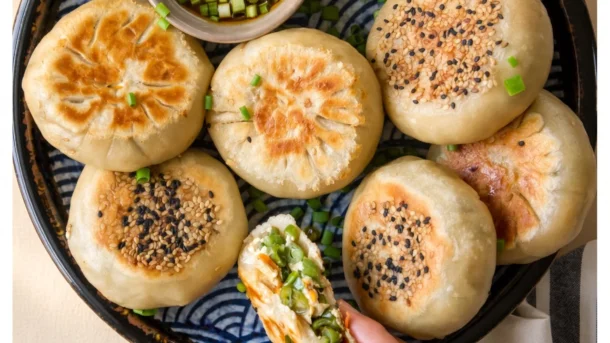
Few things in the kitchen are as satisfying as lifting the lid off a pan and finding a row of plump, golden-bottomed buns still steaming. These Crispy Bottom Vegan Veggie Buns have a soft, fluffy, pillowy top, a deeply golden and shatteringly crisp base, and a juicy, savory filling of mushrooms, cabbage, carrot, and tofu that tastes like it simmered for hours.

They belong to the family of pan-fried filled buns found across Asia, where soft yeasted dough is seared in a skillet until crisp, then steamed with a splash of water until puffed and tender. The technique is simple but the result feels special: two textures in one bite, crunchy below and cloud-soft above, with a hot, savory center.

The filling is the star. Browned mushrooms provide meaty umami. Cabbage gives sweetness and juiciness. Crumbled firm tofu adds body and protein. Ginger, garlic, soy sauce, and toasted sesame oil bring the aromatic depth you expect from a great bun. A little cornstarch keeps the filling moist and cohesive so it does not dry out as it steams.

The dough is a basic soft yeast dough made with plant milk and a little oil, and it comes together with minimal kneading. Make a batch on the weekend and freeze the extras — they reheat beautifully in a hot pan.

This recipe is 100% vegan, makes 12 generous buns, and is perfect for family dinners, lunchboxes, and meal prep.


Recipe Information

Prep TimeRise TimeCook TimeServingsCalories
30 mins60 mins20 mins12 buns~210 kcal each

Ingredients

For the Dough

  • 3 cups (375g) all-purpose flour, plus extra for dusting
  • 2¼ tsp (1 packet / 7g) instant yeast
  • 1 tbsp sugar
  • ¾ tsp salt
  • 1 cup (240ml) warm unsweetened plant milk (about 105°F / 40°C)
  • 2 tbsp neutral oil

For the Filling

  • 8 oz (225g) cremini or shiitake mushrooms, finely diced
  • 2 cups (170g) green or napa cabbage, finely chopped
  • ½ tsp salt (for the cabbage)
  • 1 medium carrot, grated
  • 150g extra-firm tofu, pressed and crumbled
  • 4 spring onions, finely sliced
  • 3 cloves garlic, minced
  • 1 tbsp fresh ginger, grated
  • 2 tbsp soy sauce or tamari
  • 1 tbsp toasted sesame oil
  • 1 tbsp rice vinegar
  • 1 tbsp cornstarch
  • 1 tsp maple syrup
  • ½ tsp white pepper
  • 1 tbsp neutral oil for cooking

For Cooking

  • 2 tbsp neutral oil
  • ½ cup (120ml) water
  • 1 tbsp sesame seeds
  • 1 spring onion, thinly sliced for topping

For the Dipping Sauce

  • 3 tbsp soy sauce or tamari
  • 1 tbsp black or rice vinegar
  • 1 tsp toasted sesame oil
  • 1 tsp chili crisp (optional)
  • 1 clove garlic, grated

Instructions

  1. Activate the yeast. Stir the sugar and yeast into the warm plant milk and let sit for 5–8 minutes until foamy. If it does not foam, the yeast is old or the milk was too hot or cold — start again.
  2. Make the dough. In a large bowl mix the flour and salt. Add the foamy yeast mixture and oil. Stir until a shaggy dough forms, then knead on a floured surface for 6–8 minutes until smooth and elastic. The dough should feel soft and slightly tacky but not sticky.
  3. First rise. Place the dough in a lightly oiled bowl, cover, and let rise in a warm spot for 60 minutes until doubled in size.
  4. Prepare the cabbage. While the dough rises, toss the chopped cabbage with ½ teaspoon of salt and let sit for 10 minutes. Squeeze firmly in a clean towel to remove as much liquid as possible.
  5. Cook the mushrooms. Heat 1 tablespoon of oil in a skillet over medium-high heat. Add the diced mushrooms and cook 5–6 minutes until deeply browned and dry. Add the garlic and ginger for the final minute. Let cool completely.
  6. Mix the filling. Combine the squeezed cabbage, mushrooms, tofu, carrot, spring onions, soy sauce, sesame oil, rice vinegar, cornstarch, maple syrup, and white pepper. Mix well and taste. The filling should be well seasoned.
  7. Shape the buns. Punch down the risen dough and divide into 12 equal pieces. Roll each into a ball, then flatten into a round about 10cm wide, keeping the edges thinner than the center. Place a heaped tablespoon of filling in the middle. Gather and pleat the edges up and over the filling, pinching firmly to seal. Place seam-side down on a parchment-lined tray.
  8. Second rise. Cover loosely and let rest for 20 minutes until slightly puffy.
  9. Sear the bottoms. Heat 2 tablespoons of oil in a large lidded non-stick skillet over medium heat. Place the buns seam-side up or down (see tips) in a single layer, leaving a little space. Cook for 3–4 minutes until the bottoms are deeply golden.
  10. Steam. Pour in ½ cup of water, cover immediately, and reduce heat to medium-low. Steam for 10–12 minutes until the buns are puffed, firm, and the water has evaporated.
  11. Re-crisp. Remove the lid and cook for another 1–2 minutes so the bottoms regain their crunch. Sprinkle with sesame seeds and spring onion.
  12. Serve. Serve hot with the dipping sauce. Let sit for 1–2 minutes first, since the filling is very hot.

Pro Tips for Perfect Crispy Bottom Buns

  • Brown the mushrooms well. Browning drives off moisture and builds deep umami, preventing a watery filling.
  • Squeeze the cabbage dry. Excess liquid makes the dough soggy from the inside.
  • Cool the filling fully. Warm filling can melt the dough and make sealing harder.
  • Do not overfill. A heaped tablespoon is enough. Overfilled buns split during steaming.
  • Pinch tightly. A strong seal keeps juices inside while the buns steam.
  • Use a non-stick skillet with a tight-fitting lid. Steam is essential for the fluffy top.
  • Cook on medium, not high. High heat burns the bottoms before the interiors are cooked through.

Why Veggie Buns Are So Satisfying

A great bun is about contrast. Seared dough develops a thin, crisp, caramelized crust through the Maillard reaction, while the steamed top stays tender and soft. Inside, a savory, juicy filling brings umami and fragrance.

Mushrooms are rich in glutamates, the same compounds that make slow-cooked meats taste so savory, and they bring B vitamins, selenium, and fiber. Cabbage adds vitamin C and vitamin K, and tofu provides complete plant protein and calcium. Together they create a filling that is nourishing and deeply flavorful without relying on meat substitutes.

Because the dough is yeasted, the buns are light and airy rather than dense. Two servings of these buns make a filling meal with around 12 grams of plant-based protein.


Flavor Variations

  • Kimchi and Tofu Buns: Replace half the cabbage with chopped vegan kimchi for a spicy, tangy filling.
  • Curried Potato Buns: Fill with spiced mashed potato, peas, and curry powder for an Indian-inspired bun.
  • BBQ Jackfruit Buns: Use shredded jackfruit tossed in smoky barbecue sauce for a sticky, tangy filling.
  • Sweet Red Bean Buns: Fill with sweetened red bean paste for a dessert-style version.

Nutritional Highlights (Per Bun)

CaloriesProteinCarbsFiberFat
~210 kcal6g33g3g6g

Storage

  • Refrigerator: Store cooked buns in an airtight container for up to 4 days. Reheat in a skillet with a splash of water, covered, for 4–5 minutes.
  • Freezer (cooked): Freeze cooled buns for up to 3 months. Reheat from frozen in a covered skillet or steamer.
  • Freezer (uncooked): Freeze shaped, unproofed buns on a tray, then bag. Thaw, proof for 30 minutes, and cook as directed.
  • Filling: Keeps refrigerated for 2 days before assembly.

Frequently Asked Questions

Can I use instant yeast instead of active dry?

Yes — the recipe uses instant yeast. If you only have active dry, use the same amount and proof it in the warm milk for 10 minutes first.

Why did my buns turn out dense?

Dense buns usually mean the dough was under-risen, the yeast was inactive, or too much flour was added. Let the dough double and keep it slightly tacky.

Can I bake these instead?

You can bake at 375°F (190°C) for 20–25 minutes, but you lose the signature crispy bottom. For best results, pan-sear first, then finish in the oven.

How do I keep the bottoms from burning?

Use medium heat, a non-stick pan, and enough oil. If browning too quickly, lower the heat and add the water earlier.

Can I make the dough ahead?

Yes. After kneading, refrigerate the dough overnight in a covered, oiled bowl. Bring to room temperature for 30 minutes before shaping.

Can I make them gluten-free?

Gluten-free yeast dough behaves very differently. Use a dedicated gluten-free bun flour blend and expect a denser, more cake-like bun.


Tried this recipe? Leave a comment below and let us know how it turned out! Tag us on Instagram and Facebook — we love seeing your plant-powered creations. Looking for more comforting vegan dinner recipes? Browse all recipes on Easy Vegan Recipes — new recipes posted every single week!


Homemade Vegan Flatbread

homemade vegan flat bread

There is something deeply satisfying about tearing into a warm, freshly cooked flatbread — soft and pillowy in the center, lightly blistered and golden on the outside, with a gentle chew that makes every bite feel like comfort. This Homemade Vegan Flatbread delivers exactly that, using just five simple pantry ingredients, no yeast, no proofing time, and absolutely no special equipment beyond a skillet.

Flatbreads are one of the oldest foods in human history, made in nearly every culture on earth in countless variations — naan in India, pita in the Middle East, piadina in Italy, tortillas in Mexico. What they share is beautiful simplicity: flour, water, a little fat, and heat. This version uses plant-based yogurt to create a tender, soft dough that cooks in minutes and puffs up beautifully in a hot pan.

The dough comes together in one bowl in about five minutes. After a short 15-minute rest, you roll it out, cook it in a dry skillet for 1–2 minutes per side, and brush with garlic olive oil while it is still hot. The result is bread that is soft enough to fold, sturdy enough to scoop, and flavorful enough to eat on its own.

Use it as a wrap for falafel and hummus, a scoop for curries and dals, a base for quick flatbread pizzas, or simply warm alongside soup. It is one of the most versatile things you can make in a vegan kitchen.

This recipe is 100% vegan, made with no yeast, ready in about 30 minutes, and impossible to stop eating while it is warm.


Recipe Information

Prep TimeRest TimeCook TimeServingsCalories
10 mins15 mins10 mins8 flatbreads~165 kcal each

Ingredients

For the Dough

  • 2 cups (250g) all-purpose flour, plus extra for dusting
  • 1½ tsp baking powder
  • ¾ tsp fine sea salt
  • 1 cup (240g) plain unsweetened vegan yogurt (soy or coconut works best)
  • 1 tbsp olive oil
  • 2–4 tbsp warm water, only if needed

For Brushing

  • 2 tbsp olive oil or melted vegan butter
  • 2 cloves garlic, very finely minced
  • 1 tbsp fresh parsley or cilantro, finely chopped
  • Flaky sea salt for finishing

Optional Flavor Add-ins

  • 1 tsp nigella seeds or sesame seeds
  • ½ tsp garlic powder mixed into the dough
  • 1 tsp za’atar sprinkled on top
  • ½ tsp ground cumin
  • 1 tbsp chopped fresh herbs kneaded into the dough

Ways to Serve

  • Wrapped around falafel, hummus, and fresh salad
  • Alongside chickpea curry or dal
  • Topped with tomato sauce and vegan cheese as flatbread pizza
  • Torn and dipped in baba ganoush or hummus
  • Alongside soup or stew

Instructions

  1. Mix the dry ingredients. In a large bowl whisk together the flour, baking powder, and salt until evenly combined.
  2. Add the wet ingredients. Add the vegan yogurt and olive oil. Stir with a spoon until a shaggy dough forms. If it feels dry and crumbly add warm water one tablespoon at a time until it comes together.
  3. Knead briefly. Turn the dough out onto a lightly floured surface and knead for 2–3 minutes until smooth, soft, and just slightly tacky. Do not over-knead — you want a tender flatbread, not a chewy one.
  4. Rest the dough. Cover with a clean kitchen towel and let rest for 15 minutes. This lets the flour hydrate fully, relaxes the gluten, and makes the dough much easier to roll.
  5. Divide and shape. Divide the dough into 8 equal pieces and roll each into a ball. On a lightly floured surface roll each ball into a round approximately 15–18cm wide and 3mm thick. Keep the remaining dough covered while you work.
  6. Heat the pan. Heat a heavy skillet, cast iron pan, or griddle over medium-high heat until very hot. The pan should be dry — no oil.
  7. Cook the flatbreads. Place one rolled round in the hot pan and cook for 1–2 minutes until bubbles appear on the surface and the underside has golden-brown spots. Flip and cook for a further 1 minute, pressing gently with a spatula to encourage puffing. Transfer to a plate lined with a clean towel and cover to keep warm and soft.
  8. Make the garlic oil. Stir the minced garlic and parsley into the olive oil. Brush onto each flatbread while still warm so it absorbs fully. Finish with a pinch of flaky salt.
  9. Serve warm. Fresh flatbread is best eaten within minutes of cooking, while it is at its softest and most fragrant.

Pro Tips for the Softest Vegan Flatbread

  • Use thick vegan yogurt. Thinner yogurts add too much liquid and make the dough sticky. Choose a thick, plain, unsweetened variety.
  • Do not skip the rest. Resting the dough makes it easier to roll thinly without springing back, and produces a softer, more tender result.
  • Get the pan properly hot. A very hot pan cooks the flatbread quickly, creating steam inside that makes it puff. A pan that is too cool produces dry, cracker-like bread.
  • Stack and cover the cooked breads. Keeping the finished flatbreads covered with a towel traps steam and keeps them soft and pliable.
  • Roll evenly and thinly. About 3mm is ideal. Too thick and the center stays doughy; too thin and it dries out.
  • Brush while hot. Oil and garlic absorb best into freshly cooked bread, giving flavor all the way through.

Why Homemade Flatbread Is Worth Making

Homemade flatbread has a freshness that store-bought simply cannot match. Commercial flatbreads often contain preservatives, dough conditioners, and added sugars to extend shelf life. This version contains five ingredients you can pronounce, and costs a fraction of the price per piece.

Because the dough uses baking powder rather than yeast, there is no waiting for the dough to rise. That makes it one of the fastest breads you can make from scratch — ideal for weeknights when you want something fresh alongside dinner without the planning that yeast breads require.

Flatbread is also endlessly adaptable. Swap half the flour for whole wheat for extra fiber, add herbs or spices to the dough for flavor, or use it as a base for pizza, wraps, or dippers. A single batch of dough can become dinner in several different ways across the week.


Flavor Variations

  • Whole Wheat Flatbread: Replace half the all-purpose flour with whole wheat flour for a nuttier flavor and added fiber. Add an extra tablespoon of water if needed.
  • Garlic Herb Flatbread: Knead 2 teaspoons of dried oregano and 1 teaspoon of garlic powder into the dough for a fragrant, savory version.
  • Seeded Flatbread: Press sesame seeds, nigella seeds, or poppy seeds into the rolled dough before cooking for added crunch and visual appeal.
  • Spiced Naan-Style: Add ½ teaspoon of ground cumin and a pinch of turmeric to the dough and brush with vegan garlic butter for a naan-inspired flatbread.

Nutritional Highlights (Per Flatbread)

CaloriesProteinCarbsFiberFat
~165 kcal4g27g1g4g

Storage

  • Room temperature: Store cooled flatbreads in an airtight container or sealed bag for up to 2 days. Wrap in a clean towel inside the container to keep them soft.
  • Refrigerator: Keeps for up to 5 days. Reheat in a dry skillet for 20–30 seconds per side or wrapped in foil in a warm oven.
  • Freezer: Freeze cooled flatbreads with parchment between each piece for up to 3 months. Reheat straight from frozen in a hot pan or toaster.
  • Dough ahead of time: The raw dough can be wrapped and refrigerated for up to 24 hours. Bring to room temperature for 20 minutes before rolling.

Frequently Asked Questions

Can I make this flatbread without yogurt?

Yes — replace the yogurt with ¾ cup of warm plant milk plus 1 tablespoon of lemon juice or apple cider vinegar. The dough will be slightly less tender but still soft and delicious.

Why is my flatbread hard or dry?

This usually happens when the dough is rolled too thin, cooked on a pan that is not hot enough, or left uncovered after cooking. Roll to about 3mm, use a very hot pan, and cover finished breads with a towel.

Can I make it gluten-free?

Use a good quality 1:1 gluten-free flour blend containing xanthan gum. The dough will be stickier and more delicate, so roll it between sheets of parchment and handle gently.

Can I use whole wheat flour only?

You can, but the bread will be denser. Using half whole wheat and half all-purpose gives the best balance of flavor and softness.

Do I need a rolling pin?

A rolling pin makes it easier, but you can press and stretch the dough by hand on a floured surface, or use a clean wine bottle in a pinch.

Can I cook these on the grill?

Yes — grilling adds smoky char and beautiful grill marks. Cook over medium-high heat for 1–2 minutes per side on a clean, lightly oiled grate.


Tried this recipe? Leave a comment below and let us know how it turned out! Tag us on Instagram and Facebook — we love seeing your plant-powered creations. Looking for more easy vegan bread and dinner recipes? Browse all recipes on Easy Vegan Recipes — new recipes posted every single week!

Flavor-Packed Vegan Meatballs with Lentils, Mushrooms and Walnuts in Rich Marinara

flavor packed vegan meatballs

Juicy on the inside, golden and lightly crisp on the outside, and bursting with savory Italian herbs, these Flavor-Packed Vegan Meatballs are the plant-based comfort food you have been looking for. They are made from a hearty blend of lentils, mushrooms, and walnuts, seasoned with garlic, fennel, and smoked paprika, then baked until browned and simmered in a rich, garlicky marinara sauce.

What makes these meatballs so good is the combination of ingredients. Cooked lentils give a tender, protein-rich base, while finely chopped mushrooms add deep umami and moisture. Toasted walnuts bring richness and a satisfying, slightly chewy texture, and rolled oats and breadcrumbs bind everything together so the meatballs hold their shape. A spoonful of tomato paste, soy sauce, and nutritional yeast boosts the savory depth, and fennel seeds add the distinctive flavor of Italian sausage.

They are easy to make, too. Everything goes into a food processor and is pulsed until just combined, then rolled into balls, baked until golden, and finished in sauce. There is no frying, no special equipment, and no hard-to-find ingredients. The meatballs freeze beautifully, so you can make a double batch and keep some for later.

Serve them over spaghetti, tucked into a toasted sub with melted vegan cheese, over creamy polenta, or on their own with a side of crusty bread. They are loved by vegans and non-vegans alike, and they work well for family dinners, meal prep, and entertaining.

This recipe is 100% vegan, can be made gluten-free, and makes about 24 meatballs in 45 minutes.


Recipe Information

Prep TimeCook TimeTotal TimeServingsCalories
20 mins25 mins45 mins6 (about 4 meatballs each)~320 kcal

Ingredients

For the Vegan Meatballs

  • 1½ cups (300g) cooked brown or green lentils, well drained
  • 8 oz (225g) cremini mushrooms, finely chopped
  • ¾ cup (90g) walnuts, toasted
  • ¾ cup (70g) rolled oats
  • ½ cup (50g) breadcrumbs
  • 1 small onion, finely diced
  • 4 cloves garlic, minced
  • 2 tbsp tomato paste
  • 2 tbsp soy sauce or tamari
  • 2 tbsp nutritional yeast
  • 2 tbsp olive oil
  • 1 tsp fennel seeds, lightly crushed
  • 1 tsp dried oregano
  • 1 tsp smoked paprika
  • ½ tsp salt
  • ¼ tsp black pepper
  • ¼ tsp chili flakes
  • 2 tbsp ground flaxseed mixed with 5 tbsp water (flax egg)
  • 2 tbsp fresh parsley, chopped

For the Quick Marinara Sauce

  • 1 can (800g) crushed tomatoes
  • 3 cloves garlic, minced
  • 2 tbsp olive oil
  • 1 tsp dried basil
  • 1 tsp dried oregano
  • 1 tsp sugar or maple syrup
  • ½ tsp salt
  • Pinch of chili flakes
  • Fresh basil to finish

To Serve

  • Cooked spaghetti, penne, or polenta
  • Toasted sub rolls with vegan cheese
  • Fresh basil or parsley
  • Vegan parmesan
  • Crusty garlic bread
  • Chili flakes

Instructions

  1. Prepare the flax egg. Mix the ground flaxseed with 5 tablespoons of water and let it sit for 10 minutes until thick and gel-like.
  2. Cook the vegetables. Heat 1 tablespoon of oil in a large skillet over medium heat. Add the onion and cook for 4–5 minutes until soft. Add the mushrooms and cook for 6–8 minutes until all their moisture has evaporated and they are browned. Add the garlic and cook for 1 minute. Stir in the tomato paste and cook for another minute. Let cool for 10 minutes.
  3. Pulse the dry ingredients. In a food processor pulse the walnuts and oats until coarsely ground. Transfer to a large bowl.
  4. Add the lentils. Add the cooked mushroom mixture, lentils, breadcrumbs, soy sauce, nutritional yeast, fennel seeds, oregano, paprika, salt, pepper, chili flakes, parsley, and flax egg. Mix and lightly mash with a fork or your hands until the mixture holds together when squeezed. Leave some texture and do not turn it into a paste.
  5. Chill. Refrigerate the mixture for 15–20 minutes to firm up. This makes rolling easier and helps the meatballs hold their shape.
  6. Shape and bake. Preheat the oven to 400°F (200°C) and line a baking sheet with parchment. Roll the mixture into about 24 balls, each about 2 tablespoons in size, and place them on the sheet. Brush lightly with olive oil.
  7. Bake. Bake for 22–25 minutes, turning once halfway, until golden brown and firm.
  8. Make the sauce. While the meatballs bake, heat the olive oil in a saucepan over medium heat. Add the garlic and cook for 30 seconds. Add the tomatoes, basil, oregano, sugar, salt, and chili flakes. Simmer for 15 minutes until slightly thickened.
  9. Combine. Gently add the baked meatballs to the sauce and simmer for 5 minutes so they soak up the flavor.
  10. Serve. Serve over pasta or in sandwiches, topped with fresh basil and vegan parmesan.

Pro Tips for the Best Vegan Meatballs

  • Cook the mushrooms until dry. Removing their moisture prevents soggy meatballs and builds flavor.
  • Do not over-process. Keep some texture so the meatballs taste meaty rather than mushy.
  • Chill the mixture. Firm mixture is easier to roll and holds together during baking.
  • Toast the walnuts. Toasting brings out their flavor and adds a deeper, nuttier taste.
  • Use cooked, well-drained lentils. Excess water makes the mixture wet and soft.
  • Flip halfway through baking. This gives even browning on all sides.
  • Wet your hands when rolling. This keeps the mixture from sticking.

Why This Meatball Mixture Works

A great plant-based meatball needs three things: structure, moisture, and savory depth. Lentils and oats provide the structure and bulk, mushrooms contribute moisture and umami, and walnuts add fat and richness that mimic the juiciness of meat. Binders like breadcrumbs and flaxseed hold everything together, while tomato paste, soy sauce, and nutritional yeast boost the savory flavor.

The seasonings, especially fennel seed, smoked paprika, and oregano, give the meatballs a familiar, Italian-style flavor. The result is satisfying, well-rounded, and full of character rather than a bland imitation.

Nutritionally, lentils add plant protein, fiber, iron, and folate, while walnuts provide omega-3 fatty acids. A serving provides about 14 grams of protein and 7 grams of fiber, making the meatballs filling and nourishing.


Flavor Variations

  • Spicy Italian Meatballs: Add extra chili flakes and a teaspoon of smoked paprika for a spicy sausage-style flavor.
  • BBQ Meatballs: Toss the baked meatballs in barbecue sauce and serve with mashed potatoes.
  • Swedish-Style Meatballs: Serve in a creamy mushroom gravy with lingonberry jam or cranberry sauce.
  • Meatball Sub: Pile them in a toasted roll with marinara and melted vegan mozzarella.

Nutritional Highlights (Per Serving — 4 meatballs with sauce)

CaloriesProteinCarbsFiberFat
~320 kcal14g38g7g14g

Storage

  • Refrigerator: Store cooked meatballs in an airtight container for up to 5 days, with or without sauce.
  • Freezer: Freeze cooked or uncooked meatballs on a tray until solid, then transfer to a freezer bag for up to 3 months. Bake or simmer from frozen, adding a few extra minutes.
  • Reheating: Warm in a covered skillet with sauce or in a 375°F (190°C) oven for 10–12 minutes.
  • Meal prep: Make a double batch and freeze for easy dinners on busy nights.

Frequently Asked Questions

Why are my meatballs falling apart?

The mixture may be too wet or not chilled enough. Make sure the lentils and mushrooms are well drained and cooked down, chill the mixture, and add a few more breadcrumbs if needed.

Can I make them gluten-free?

Use gluten-free oats and breadcrumbs and tamari instead of soy sauce. Check labels on the other ingredients.

Can I fry them instead of baking?

Yes. Pan-fry in a little oil over medium heat for 8–10 minutes, turning often, until browned all over. Baking is easier and uses less oil.

Can I use an air fryer?

Yes. Air fry at 375°F (190°C) for 12–14 minutes, shaking the basket once halfway.

Can I make them nut-free?

Replace the walnuts with sunflower seeds or toasted pumpkin seeds. The flavor will be slightly different but still delicious.

What can I use instead of a flax egg?

Use a chia egg, or 3 tablespoons of aquafaba, or simply an extra 2 tablespoons of breadcrumbs for binding.


Tried this recipe? Leave a comment below and let us know how it turned out! Tag us on Instagram and Facebook — we love seeing your plant-powered creations. Looking for more hearty vegan dinner recipes? Browse all recipes on Easy Vegan Recipes — new recipes posted every single week!