flax egg recipe

Vegan Flour-less Chocolate Muffins

vegan flour less chocolate muffins

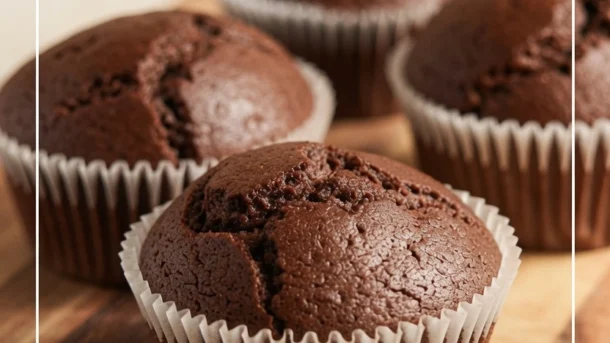
There are muffins you bake because breakfast needs something sweet. And then there are muffins like these Vegan Flourless Chocolate Muffins — the kind that come out of the oven with a slightly cracked, deeply dark top and an interior so dense, so fudgy, and so intensely chocolatey that they taste far more like a brownie than anything that should reasonably be called a muffin. This is that muffin. The one that proves flourless baking is not a compromise but a genuinely different and in many ways superior category of chocolate treat. The one that is so rich and satisfying that a single muffin genuinely, completely satisfies a chocolate craving.

These muffins use almond flour and oat flour in place of all-purpose flour, with flax eggs and almond butter providing binding and richness in the absence of both gluten and eggs. The result is a deeply fudgy, dense, intensely chocolate muffin that is naturally gluten-free, higher in protein and fiber than a standard muffin, and somehow tastes more indulgent despite being made from ingredients that are genuinely more nourishing.

What makes these muffins so outstanding is the texture — the combination of melted dark chocolate, almond butter, and the two alternative flours produces a crumb that is fudgy and dense in a way that wheat flour simply cannot replicate, creating a muffin that is categorically different from a standard chocolate muffin in the best possible way.

This recipe is 100% vegan, naturally gluten-free, ready in just 30 minutes, and absolutely wonderful eaten slightly warm when the chocolate is still soft and the fudgy texture is at its most spectacular.


Recipe Information

Prep TimeCook TimeTotal TimeServingsCalories
10 mins20 mins30 mins10~210 kcal

Ingredients

For the Muffins

  • 150g vegan dark chocolate (70% cocoa), melted and cooled slightly
  • ½ cup (130g) natural almond butter
  • ½ cup (100g) cane sugar or coconut sugar
  • 2 flax eggs (2 tbsp flaxseed meal + 6 tbsp water — rest 5 minutes)
  • ⅓ cup (80ml) plant milk
  • 1 tsp pure vanilla extract
  • ½ cup (50g) almond flour
  • ¼ cup (25g) oat flour (certified gluten-free if needed)
  • 2 tbsp cocoa powder
  • 1 tsp baking powder
  • ¼ tsp fine salt

Optional Add-ins

  • ½ cup (85g) vegan chocolate chips folded through for extra indulgence
  • ¼ tsp espresso powder to intensify the chocolate flavor
  • A pinch of flaky sea salt pressed onto each muffin before baking
  • ¼ cup (30g) chopped toasted walnuts or pecans folded through

Instructions

  1. Preheat the oven. Preheat the oven to 350°F (175°C). Line a 10-hole muffin tin with paper liners.
  2. Make the flax eggs. Combine the flaxseed meal and water, stir, and let rest for 5 minutes until gel-like.
  3. Melt the chocolate. Melt the dark chocolate in a heatproof bowl over a pot of gently simmering water, stirring until smooth. Let cool for 5 minutes.
  4. Combine wet ingredients. In a large bowl whisk together the melted chocolate, almond butter, sugar, prepared flax eggs, plant milk, and vanilla extract until smooth and well combined.
  5. Add dry ingredients. Add the almond flour, oat flour, cocoa powder, baking powder, and salt to the wet mixture. Fold until just combined — the batter will be thick and dense. Fold in any optional add-ins.
  6. Fill and bake. Divide the batter evenly between the 10 lined muffin holes — it will be considerably thicker than standard muffin batter. Smooth the tops slightly. Bake for 18–22 minutes until the tops are set and a slight crack has formed on the surface. The centers will seem underdone — this is correct. They firm up to a fudgy consistency as they cool.
  7. Cool before eating. Let cool in the tin for 10 minutes before transferring to a wire rack. These muffins are good warm but genuinely spectacular once fully cooled, when the fudgy center texture has fully set.

Pro Tips

  • Do not overbake — flourless chocolate muffins firm up considerably during cooling and should be removed from the oven when they still look underdone in the center.
  • Allow the melted chocolate to cool slightly before adding to the other wet ingredients — hot chocolate can begin to cook the flax eggs.
  • Use good quality dark chocolate with at least 70% cocoa — the chocolate is the dominant flavor in this recipe and its quality is directly reflected in the finished muffin.
  • Let the muffins cool fully before eating for the best fudgy texture — eating them warm produces a slightly gooey, almost molten center that is also delicious but different in character.

Why Flourless Chocolate Baking Works

Removing wheat flour from a chocolate muffin does not produce a lesser version — it produces a fundamentally different product with its own distinct appeal. Without the gluten network that wheat flour creates, flourless chocolate muffins cannot trap as much air and therefore cannot rise to a light, cakey texture. Instead they set around their fat, chocolate, and nut flour base into a dense, fudgy, concentrated mass that delivers more chocolate flavor per bite than a conventional muffin, with a texture that is closer to a ganache or truffle than a standard baked good.

This is not a compromise. It is a different category.


Flavor Variations

  • Peanut Butter Chocolate Muffins: Replace the almond butter with natural peanut butter for a classic peanut butter and chocolate combination.
  • Mocha Chocolate Muffins: Add 1 teaspoon of espresso powder to the batter for a deep coffee-chocolate mocha character.
  • Orange Chocolate Muffins: Add the zest of an orange to the batter for a chocolate-orange version that is particularly spectacular for the holiday season.

Nutritional Highlights (Per Muffin)

CaloriesProteinCarbsFiberFat
~210 kcal6g20g4g13g

Storage

  • Room temperature: Store in an airtight container for up to 3 days. The texture improves during storage as the fudgy center sets further.
  • Refrigerator: Keeps for up to 6 days. Bring to room temperature or warm briefly before eating.
  • Freezer: Freeze individually wrapped muffins for up to 2 months. Thaw at room temperature or microwave for 30 seconds.

Frequently Asked Questions

Can I use a different nut butter instead of almond butter?

Yes — peanut butter produces a slightly stronger flavor, cashew butter produces a milder result, and tahini produces a more neutral, slightly sesame-flavored version. All work well with the same quantities.

Why are my muffins falling apart?

Flourless muffins are more fragile than conventional muffins, especially when warm. Let them cool fully in the tin before removing and handling. They firm up considerably once completely cool.

Can I make these without oat flour?

Yes — replace the oat flour with additional almond flour in the same quantity for a fully nut-flour-based muffin with a slightly richer, more tender result.


Tried this recipe? Leave a comment below and let us know how it turned out! Tag us on Instagram and Facebook — we love seeing your plant-powered creations. Looking for more indulgent vegan chocolate and gluten-free dessert recipes? Browse all recipes on Easy Vegan Recipes — new recipes posted every single week!

Vegan Spinach and Feta-Filled Crepes

vegan spinach and feta filled crepes

There are brunch recipes that feel genuinely special. And then there are brunch recipes like these Vegan Spinach and Feta-Filled Crepes — the kind that come out of the pan impossibly thin and delicate, golden at the edges, folded around a savory filling of garlicky wilted spinach and crumbled vegan feta that is fragrant with herbs and slightly tangy, making every bite simultaneously light and deeply satisfying. This is that recipe. The one that turns a weekend morning into something that feels like a French bistro breakfast. The one that looks considerably more impressive than the time invested would suggest.

These crepes use a simple vegan batter of all-purpose flour, plant milk, and a flax egg that produces a delicate, lacy crepe that is completely indistinguishable in texture and thinness from a classic egg-based crepe. The filling of wilted spinach, garlic, and crumbled vegan feta is simple and deeply satisfying, carrying enough herbaceous, tangy flavor to make these crepes work as a complete brunch dish without any additional sauce.

What makes these crepes so outstanding is the batter — resting for 20 minutes allows the gluten to relax, producing a smoother, more pourable batter that spreads more easily in the pan and cooks more evenly into the characteristic paper-thin, lacy rounds that define a great crepe.

This recipe is 100% vegan, ready in about 40 minutes, and absolutely wonderful served folded or rolled with extra vegan feta crumbled over the top and a squeeze of fresh lemon juice.


Recipe Information

Prep TimeRest TimeCook TimeTotal TimeServingsCalories
10 mins20 mins10 mins40 mins4~280 kcal

Ingredients

For the Crepe Batter

  • 1 cup (120g) all-purpose flour
  • 1½ cups (360ml) plant milk (oat milk recommended for neutral flavor)
  • 1 flax egg (1 tbsp flaxseed meal + 3 tbsp water — rest 5 minutes)
  • 1 tbsp melted vegan butter or neutral oil
  • ½ tsp salt
  • Vegan butter for cooking

For the Spinach and Feta Filling

  • 4 cups (120g) fresh spinach
  • 150g vegan feta, crumbled
  • 2 cloves garlic, minced
  • 1 tbsp olive oil
  • 2 tbsp fresh dill or parsley, finely chopped
  • ¼ tsp nutmeg
  • Salt and black pepper to taste

Optional Add-ins

  • ¼ cup (30g) sun-dried tomatoes, finely chopped
  • A pinch of chili flakes in the filling
  • Vegan cream cheese spread inside before adding the spinach filling

To Serve

  • Extra crumbled vegan feta
  • Fresh lemon wedges
  • Fresh dill
  • A drizzle of olive oil

Instructions

  1. Make the crepe batter. Whisk together the flour, plant milk, flax egg, melted vegan butter, and salt until completely smooth and lump-free. Let the batter rest for 20 minutes at room temperature — this is not optional. The resting period allows the flour to fully hydrate and the gluten to relax, producing a more fluid, evenly spreading batter.
  2. Make the filling. Heat the olive oil in a skillet over medium heat. Add the garlic and cook for 30 seconds until fragrant. Add the spinach in batches, stirring until completely wilted. Remove from heat, squeeze any excess moisture from the spinach, and roughly chop. Combine with the crumbled vegan feta, fresh herbs, nutmeg, salt, and pepper. Set aside.
  3. Cook the crepes. Heat a 20–22cm non-stick or crepe pan over medium heat. Add a small knob of vegan butter and swirl to coat. Pour approximately 60–70ml of batter into the center of the pan and immediately swirl the pan in a circular motion to spread the batter into a thin, even round. Cook for 60–90 seconds until the edges look dry and are beginning to lift, then flip carefully and cook for 30 seconds on the second side. Transfer to a plate and repeat with remaining batter.
  4. Fill the crepes. Place 2–3 tablespoons of the spinach feta filling along the center of each crepe. Fold into quarters or roll into cylinders.
  5. Serve immediately. Arrange on plates and top with extra crumbled vegan feta, fresh dill, and lemon wedges. Serve immediately.

Pro Tips

  • Rest the batter for the full 20 minutes — this single step produces noticeably smoother, more spreadable batter and more consistently thin, lacy crepes than batter used immediately.
  • Swirl the pan quickly after pouring the batter — the batter sets quickly and must be spread before it begins to cook.
  • The first crepe is almost always a test crepe that will not come out perfectly — this is completely normal and happens to every cook. Adjust the heat and butter quantity based on the first result.
  • Keep finished crepes stacked on a plate covered with a clean kitchen towel — they stay warm and pliable rather than becoming brittle.

The Art of the Perfect Crepe

Crepes are one of the most rewarding and most technically satisfying preparations in all of everyday cooking — a dish that rewards practice and attention in a way that produces genuinely better results with each attempt. The French crepe tradition is centuries old, rooted in the Brittany region of northwestern France where buckwheat galettes (savory crepes) and sweet wheat crepes have been the defining regional food for as long as records exist.

The key to a great crepe — plant-based or otherwise — is always the same: a rested batter, a properly preheated pan, sufficient butter, and the confidence to swirl quickly and decisively. The batter must be fluid enough to spread across the pan before it sets, which is why the resting period that hydrates the flour and relaxes the gluten is so important — an unrested batter is thicker and less fluid, producing a crepe that sets in a thick, uneven layer rather than spreading to a uniform thin round.


Flavor Variations

  • Sweet Breakfast Crepes: Use the same batter with a teaspoon of vanilla and a tablespoon of sugar, and fill with fresh berries and vegan whipped cream for a sweet version.
  • Mushroom and Herb Crepes: Replace the spinach with sautéed mushrooms, thyme, and vegan cream cheese for a different savory filling.
  • Mediterranean Crepes: Add sun-dried tomatoes, olives, and roasted red pepper to the filling for a more complex Mediterranean character.

Nutritional Highlights (Per Serving — 2 crepes)

CaloriesProteinCarbsFiberFat
~280 kcal10g32g3g13g

Storage

  • Refrigerator: Store stacked crepes with parchment between each one in an airtight container for up to 3 days. Reheat briefly in a dry pan.
  • Freezer: Freeze stacked crepes with parchment between each for up to 2 months. Thaw at room temperature and reheat in a dry pan.
  • Filling: The spinach feta filling keeps in the refrigerator for up to 3 days and can be made ahead for faster assembly.

Frequently Asked Questions

Can I make the batter the night before?

Yes — rested batter kept covered in the refrigerator overnight actually produces slightly better crepes than 20-minute rested batter. Bring to room temperature and stir well before using.

Why are my crepes tearing when I flip them?

Crepes tear when they are flipped too early before the bottom has fully set, when the batter is too thick, or when the pan is not properly non-stick. Wait until the edges look completely dry and beginning to curl before flipping.

Can I make these crepes gluten-free?

Yes — use a 1:1 gluten-free flour blend. The crepes will be slightly more fragile than the regular version but still delicious and entirely workable.


Tried this recipe? Leave a comment below and let us know how it turned out! Tag us on Instagram and Facebook — we love seeing your plant-powered creations. Looking for more elegant vegan brunch and breakfast recipes? Browse all recipes on Easy Vegan Recipes — new recipes posted every single week!

Vegan Broccoli and Quinoa Cakes

vegan broccoli and quinoa cakes

There are vegetable patties you make because something healthy is needed. And then there are patties like these Vegan Broccoli and Quinoa Cakes — the kind that fry up golden and crisp on the outside while staying tender and savory throughout, packed with finely chopped broccoli, fluffy quinoa, and just enough binder and seasoning to hold together perfectly without ever feeling dry or bland. This is that patty. The one that makes broccoli genuinely exciting. The one that disappears from the plate before anyone admits how good it actually is for them.

These cakes combine cooked quinoa and finely chopped broccoli with garlic, nutritional yeast, and a flax egg binder, pan-fried until deeply golden on both sides. They hold together beautifully, have a satisfying bite from the quinoa, and carry enough savory seasoning to stand on their own as a main course or alongside a simple sauce.

What makes these cakes so outstanding is the texture balance — quinoa provides a slightly chewy bite and structure, finely chopped broccoli adds freshness and a subtle vegetal sweetness once cooked, and a generous hit of nutritional yeast and garlic provides the savory depth that makes them so easy to eat several of in one sitting.

This recipe is 100% vegan, naturally gluten-free, ready in about 35 minutes, and absolutely wonderful served with a simple lemon tahini sauce or a dollop of vegan yogurt alongside a fresh salad.


Recipe Information

Prep TimeCook TimeTotal TimeServingsCalories
15 mins20 mins35 mins4~230 kcal

Ingredients

For the Cakes

  • 2 cups (370g) cooked quinoa, cooled
  • 2 cups (180g) broccoli florets, very finely chopped (almost minced)
  • 2 flax eggs (2 tbsp flaxseed meal + 6 tbsp water — rest 5 minutes)
  • ½ cup (50g) breadcrumbs (or oat flour for gluten-free)
  • 3 tbsp nutritional yeast
  • 3 cloves garlic, minced
  • ¼ cup (30g) finely diced onion
  • 1 tbsp lemon juice
  • ½ tsp smoked paprika
  • ½ tsp salt
  • ¼ tsp black pepper

For Cooking

  • 3 tbsp olive oil, for the pan

For the Lemon Tahini Sauce

  • 3 tbsp tahini
  • 2 tbsp lemon juice
  • 1 clove garlic, grated
  • 2–3 tbsp water, to thin
  • Salt to taste

Optional Add-ins

  • ¼ cup (30g) sun-dried tomatoes, finely chopped
  • 2 tbsp fresh dill or parsley, chopped
  • ¼ tsp chili flakes

To Serve

  • Lemon tahini sauce
  • Fresh herbs
  • A simple green salad
  • Lemon wedges

Instructions

  1. Prepare the broccoli. Finely chop the broccoli florets, almost to a mince — small enough to bind well into the patties without large chunks breaking them apart.
  2. Make the flax eggs. Combine the flaxseed meal and water in a small bowl, stir, and let rest for 5 minutes until gel-like.
  3. Combine the mixture. In a large bowl combine the cooked quinoa, finely chopped broccoli, breadcrumbs, nutritional yeast, garlic, onion, lemon juice, smoked paprika, salt, and pepper. Add the prepared flax eggs and mix thoroughly until everything holds together when pressed.
  4. Shape the patties. Divide the mixture into 8 equal portions and shape into patties about 7–8cm wide, pressing firmly so they hold together well.
  5. Cook the patties. Heat the olive oil in a large skillet over medium heat. Cook the patties for 4–5 minutes per side until deeply golden and crisp on both sides, pressing gently with a spatula.
  6. Make the sauce. Whisk together the tahini, lemon juice, garlic, and water until smooth and pourable. Adjust with salt and additional water as needed.
  7. Serve. Serve the warm cakes drizzled with lemon tahini sauce alongside a fresh salad or lemon wedges.

Pro Tips

  • Chop the broccoli very finely — large pieces make the patties harder to hold together and more likely to fall apart while cooking.
  • Let the mixture sit for a few minutes after combining to allow the flax egg and breadcrumbs to absorb moisture, making the patties easier to shape.
  • Press patties firmly when shaping and avoid flipping too early — let a proper golden crust form before turning.
  • Use cooled, not warm, cooked quinoa for the best texture and easiest shaping.

Why This Combination Works

Quinoa provides both protein and a pleasant chewy texture that helps these cakes feel substantial rather than purely vegetable-based, while finely chopped broccoli contributes nutrients and a subtle sweetness once cooked that balances the savory garlic and nutritional yeast. Together they create a patty that is genuinely filling and satisfying rather than feeling like a diet substitute for something else.


Flavor Variations

  • Curried Broccoli Quinoa Cakes: Add 1 teaspoon of curry powder to the mixture for a warmly spiced version.
  • Cheesy Version: Add ¼ cup of shredded vegan cheese to the mixture for extra richness.
  • Mediterranean Style: Add chopped sun-dried tomatoes and a pinch of dried oregano, serving with a dollop of vegan tzatziki.

Nutritional Highlights (Per Serving — 2 cakes)

CaloriesProteinCarbsFiberFat
~230 kcal9g28g5g9g

Storage

  • Refrigerator: Store cooked cakes in an airtight container for up to 4 days. Reheat in a skillet or air fryer to restore crispness.
  • Freezer: Freeze cooked, cooled cakes for up to 2 months. Reheat from frozen in an air fryer or oven until heated through and crisp.
  • Meal prep: These cakes are excellent for meal prep, holding their texture well across the week when reheated properly.

Frequently Asked Questions

Can I bake these instead of pan frying?

Yes — bake at 400°F (200°C) for 20–25 minutes, flipping halfway, though the crust will be slightly less crisp than pan frying.

Can I use a different grain instead of quinoa?

Yes — cooked rice or millet can be substituted, though the texture and protein content will be slightly different.

Why are my patties falling apart?

This is usually caused by broccoli pieces that are too large or insufficient binder. Chop the broccoli more finely and ensure the flax egg mixture has properly thickened before adding.


Tried this recipe? Leave a comment below and let us know how it turned out! Tag us on Instagram and Facebook — we love seeing your plant-powered creations. Looking for more satisfying vegan main dish and bowl recipes? Browse all recipes on Easy Vegan Recipes — new recipes posted every single week!