dairy-free recipes

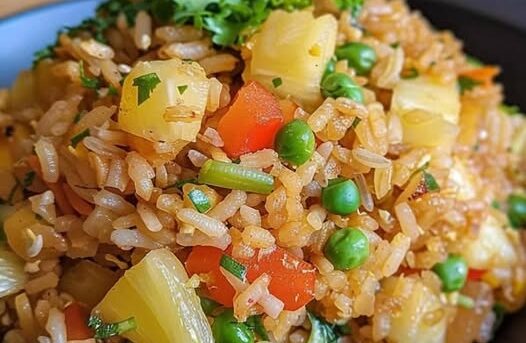
Thai-Style Vegan Pineapple Fried Rice with Golden Curry Powder, Cashews, Peas and Fresh Lime

vegan pineapple fried rice

Golden, fluffy rice stir-fried with juicy pineapple, sweet red pepper, green peas, and crunchy cashews, seasoned with curry powder and a splash of soy sauce and finished with fresh lime and cilantro: this Thai-Style Vegan Pineapple Fried Rice is sweet, savory, and a little bit spicy, and it is ready in about 25 minutes.

Pineapple fried rice is a beloved dish in Thai restaurants, often served inside a hollowed-out pineapple. The pineapple brings natural sweetness and a juicy tang that balances the salty soy sauce, and a spoonful of curry powder gives the rice its golden color and warm aroma. The mix of sweet, salty, and spicy is what makes it so addictive.

This version is fully plant-based and uses no egg or fish sauce. Day-old rice is the key. Cold, dry rice fries up into separate, slightly crisp grains, while freshly cooked rice turns mushy. If you have no leftover rice, cook it ahead and spread it on a tray to cool and dry in the fridge for an hour.

The pineapple is seared first in a hot pan until its edges caramelize, which deepens its sweetness. Then the vegetables, aromatics, and rice go in, and everything is tossed with a simple sauce. Cashews add buttery crunch and protein, and a handful of raisins is a traditional touch. For more protein, add crispy tofu or edamame.

This recipe is dairy-free and egg-free. It contains soy (soy sauce) and tree nuts (cashews). It is gluten-free if you use tamari. Please check labels on your curry powder, soy sauce, and any canned pineapple.


Recipe Information

Prep TimeCook TimeTotal TimeServingsCalories
10 mins15 mins25 mins4~420 kcal each

Ingredients

For the Fried Rice

  • 3 tbsp neutral oil, divided
  • 1½ cups (250g) fresh pineapple chunks (or canned pineapple chunks in juice, drained well)
  • 1 small onion, diced
  • 1 red bell pepper, diced
  • 3 garlic cloves, minced
  • 1 tbsp fresh ginger, grated
  • 4 cups (about 600g) cold cooked jasmine rice, preferably day-old
  • 1 cup (140g) frozen peas, thawed
  • ½ cup (70g) roasted cashews
  • 3 green onions, sliced
  • 2 tbsp raisins, optional

For the Sauce

  • 2½ tbsp soy sauce or tamari
  • 1 tbsp curry powder (mild)
  • ½ tsp ground turmeric
  • 1 tsp maple syrup or sugar
  • 1 tbsp lime juice
  • ¼ tsp white or black pepper
  • Pinch of red pepper flakes, optional

To Serve

  • Fresh cilantro
  • Lime wedges
  • Sriracha or chili sauce

Instructions

  1. Mix the sauce. Whisk the soy sauce, curry powder, turmeric, maple syrup, lime juice, and pepper in a small bowl.
  2. Sear the pineapple. Heat 1 tablespoon of oil in a large wok or nonstick skillet over high heat. Add the pineapple in a single layer. Cook for 2–3 minutes, without moving, until the edges caramelize. Remove to a plate.
  3. Cook the vegetables. Add another tablespoon of oil. Cook the onion and bell pepper for 3 minutes. Add the garlic and ginger. Cook for 30 seconds.
  4. Add the rice. Add the remaining oil and the cold rice, breaking up any clumps. Spread it out and cook for 2 minutes without stirring, so it crisps slightly. Then stir-fry for 2 more minutes.
  5. Add the sauce. Pour the sauce over the rice. Toss for 1–2 minutes until the rice is evenly golden and coated.
  6. Finish. Add the peas, pineapple, cashews, raisins, and most of the green onions. Toss for 1 minute until heated through.
  7. Serve. Top with cilantro and the remaining green onions. Serve with lime wedges and sriracha.

Pro Tips for the Best Pineapple Fried Rice

  • Use cold, day-old rice. Fresh rice gets mushy.
  • Use high heat and a large pan so the rice fries and does not steam.
  • Pat the pineapple dry before cooking so it caramelizes.
  • Drain canned pineapple very well.
  • Break up clumps of rice with your hands before cooking.
  • Let the rice sit undisturbed for a minute to get crispy bits.
  • Add the cashews at the end to keep them crunchy.
  • Taste before serving, and add lime or soy sauce as needed.

A Few Notes on Ingredients

Jasmine rice is the traditional choice, and long-grain white rice also works. Curry powder gives the golden color and mild spice. Fresh pineapple has the best texture, but canned pineapple chunks in juice work if drained well. Raisins add a touch of sweetness. Cashews can be replaced with peanuts or omitted for a nut-free version.


Flavor Variations

  • Protein Version: Add crispy tofu or edamame.
  • Spicy Version: Add fresh chilies or extra sriracha.
  • Nut-Free Version: Leave out the cashews and use pumpkin seeds.
  • Veggie Version: Add carrots, corn, or snap peas.
  • Pineapple Boat Version: Serve the rice in a halved pineapple.
  • Brown Rice Version: Use cold cooked brown rice.

Nutritional Highlights (Per Serving)

CaloriesProteinCarbsFiberFat
~420 kcal9g66g5g14g

Storage

  • Refrigerator: Store for up to 4 days.
  • Freezer: Freeze for up to 2 months.
  • Reheating: Warm in a skillet with a splash of water.
  • Make ahead: Cook the rice a day ahead.

Frequently Asked Questions

Can I use fresh rice?

It is better to use day-old rice. If using fresh, spread it on a tray and chill it for an hour first.

Can I use canned pineapple?

Yes. Use chunks in juice, and drain them well.

Is it spicy?

It is mild. Add chili flakes or sriracha for heat.

Can I make it nut-free?

Yes. Leave out the cashews.

Can I make it gluten-free?

Yes. Use tamari.

How is this different from your other fried rice?

This is a Thai-style pineapple fried rice with curry powder and cashews. Our Vegan Teriyaki Fried Rice has crispy tofu and a sticky teriyaki sauce.


Tried this recipe? Leave a comment below and let us know how it turned out! Tag us on Instagram and Facebook — we love seeing your plant-powered creations. Browse all recipes on Easy Vegan Recipes — new recipes posted every single week!
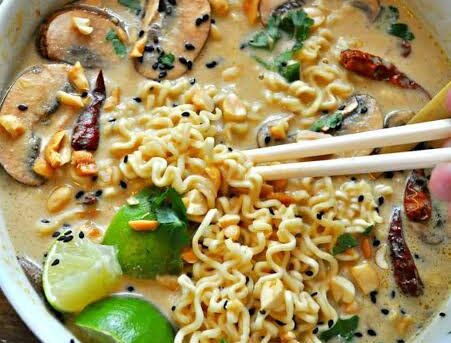
Vegan Spicy Thai Peanut Ramen with Crispy Tofu, Bok Choy and Chili Crisp Broth

vegan spicy thai peanut ramen

A steaming bowl of ramen noodles in a creamy, spicy peanut broth, topped with crispy tofu, tender bok choy, and a drizzle of chili crisp: this Vegan Spicy Thai Peanut Ramen is rich, warming, and ready in about 30 minutes.

The broth is the star. Peanut butter, coconut milk, red curry paste, soy sauce, ginger, and garlic simmer together in vegetable broth until the whole pot turns silky, golden, and deeply savory. Lime juice and a little maple syrup balance the heat and the richness, so every spoonful is creamy, tangy, sweet, and spicy at once.

Unlike a classic Japanese ramen that simmers for hours, this bowl gets its depth from pantry ingredients and takes one pot plus one pan. The crispy tofu is pan-fried until golden, then tossed in a little soy sauce, and it adds protein and crunch against the soft noodles. Quick-cooked bok choy, shredded carrot, and green onions round it out.

You can adjust the heat easily. Use a mild curry paste and skip the chili crisp for a gentle bowl, or add more for a fiery one. The leftover broth thickens in the fridge, so just thin it with a splash of water or broth when reheating.

This recipe is dairy-free and egg-free. It contains peanuts, soy, and wheat (in most ramen noodles). Many instant and fresh ramen noodles contain egg, so please check labels, and check your curry paste for shrimp, which some brands contain. Use rice noodles and tamari for a gluten-free version.


Recipe Information

Prep TimeCook TimeTotal TimeServingsCalories
10 mins20 mins30 mins4~540 kcal each

Ingredients

For the Crispy Tofu

  • 1 block (400g) extra-firm tofu, pressed and cubed
  • 1 tbsp cornstarch
  • 2 tbsp neutral oil
  • 1 tbsp soy sauce

For the Spicy Peanut Broth

  • 1 tbsp neutral oil
  • 4 garlic cloves, minced
  • 1 tbsp fresh ginger, grated
  • 2–3 tbsp Thai red curry paste (check label for shrimp)
  • 4 cups (1 litre) vegetable broth
  • 1 can (400ml) full-fat coconut milk
  • ⅓ cup (85g) creamy peanut butter
  • 3 tbsp soy sauce or tamari
  • 1 tbsp maple syrup
  • 2 tbsp lime juice
  • ½ tsp chili flakes, optional

For the Bowls

  • 250g ramen noodles (check label for egg) or rice noodles
  • 3 heads baby bok choy, halved
  • 1 large carrot, shredded
  • 3 green onions, sliced

To Serve

  • Chili crisp or sriracha
  • Crushed roasted peanuts
  • Fresh cilantro
  • Lime wedges
  • Sesame seeds

Instructions

  1. Crisp the tofu. Toss the cubed tofu with cornstarch. Heat the oil in a nonstick skillet over medium-high heat. Cook the tofu for 8–10 minutes, turning, until golden on all sides. Add the soy sauce and toss for 30 seconds. Set aside.
  2. Start the broth. Heat the oil in a large pot over medium heat. Add the garlic and ginger and cook for 1 minute. Add the curry paste and stir for 1 minute until fragrant.
  3. Build the broth. Add the vegetable broth, coconut milk, peanut butter, soy sauce, and maple syrup. Whisk until the peanut butter dissolves. Simmer gently for 10 minutes. Stir in the lime juice and chili flakes. Taste and adjust.
  4. Cook the noodles. Cook the noodles in a separate pot of boiling water following the package directions. Drain and divide between four bowls. Cooking them separately keeps the broth from turning starchy.
  5. Cook the bok choy. Add the bok choy to the simmering broth for 2 minutes, until just tender.
  6. Assemble. Ladle the hot broth and bok choy over the noodles. Top with crispy tofu, carrot, and green onions.
  7. Finish. Add chili crisp, crushed peanuts, cilantro, and sesame seeds. Serve with lime wedges.

Pro Tips for the Best Peanut Ramen

  • Use natural, creamy peanut butter for the smoothest broth.
  • Cook the curry paste in oil first to bring out its flavor.
  • Keep the broth at a gentle simmer so the coconut milk does not split.
  • Cook noodles separately and rinse briefly if they will sit.
  • Press the tofu well so it crisps.
  • Add the lime juice at the end for brightness.
  • Taste the broth and add soy sauce, lime, or maple syrup to balance.
  • Add the toppings just before serving to keep the tofu crisp.

A Few Notes on Ingredients

Thai red curry paste varies a lot in heat and saltiness, so start with two tablespoons. Full-fat coconut milk gives the creamiest broth. Ramen noodles are usually wheat-based, and some contain egg. Rice noodles or soba make good swaps. Chili crisp adds crunch and heat. For a peanut-free version, sunflower seed butter works, though the flavor will differ.


Flavor Variations

  • Mushroom Version: Add sautéed shiitake mushrooms.
  • Veggie Version: Add corn, edamame, or snap peas.
  • Extra-Spicy Version: Add fresh Thai chilies and extra chili crisp.
  • Gluten-Free Version: Use rice noodles and tamari.
  • Peanut-Free Version: Use sunflower seed butter.
  • Lighter Version: Use light coconut milk and extra broth.

Nutritional Highlights (Per Serving)

CaloriesProteinCarbsFiberFat
~540 kcal20g50g6g31g

Storage

  • Refrigerator: Store broth, noodles, and tofu separately for up to 4 days.
  • Freezer: Freeze the broth only for up to 2 months.
  • Reheating: Warm the broth on the stove with a splash of water.
  • Make ahead: Make the broth up to 3 days ahead.

Frequently Asked Questions

Is this ramen very spicy?

It is medium. Use less curry paste for a mild bowl.

Can I use instant ramen noodles?

Yes. Discard the seasoning packet, and check that the noodles are egg-free.

Can I make it peanut-free?

Yes. Use sunflower seed butter.

Can I make it gluten-free?

Yes. Use rice noodles and tamari.

Can I freeze it?

Freeze the broth only. Cook fresh noodles when serving.

How is this different from your other noodle soups?

This is a ramen with a creamy peanut and red curry broth. Our Vegan Creamy Coconut Curry Noodle Soup has no peanut butter, and our Vegan Whole Wheat Noodles in Coconut Peanut Sauce is a saucy noodle dish, not a soup.


Tried this recipe? Leave a comment below and let us know how it turned out! Tag us on Instagram and Facebook — we love seeing your plant-powered creations. Browse all recipes on Easy Vegan Recipes — new recipes posted every single week!