summer salad vegan

Vegan Blueberry Peach Feta Salad — The Most Stunning Most Flavourful Summer Salad You Will Make All Season

blueberry peach feta salad

There are salads you make because you should eat more vegetables. And then there are salads like this Vegan Blueberry Peach Feta Salad — the kind you make because you genuinely cannot stop thinking about it, because the combination of sweet ripe peaches, plump juicy blueberries, crumbled creamy vegan feta, peppery arugula, toasted pecans, and a honey-balsamic dressing is so vivid and so perfectly balanced between sweet and savory, soft and crunchy, rich and bright that it tastes less like a salad and more like the best thing you have eaten this week. This is that salad. The one that makes people ask for the recipe before they have finished their first forkful. The one that you bring to a summer gathering and immediately become the person everyone wants cooking at their table.

What makes this salad so extraordinary is the combination of fresh summer fruit — not as an afterthought or a token sweetness, but as a structural element of the dish. Peaches and blueberries are not garnishes here. They are the point. The peaches — ripe enough to yield slightly to pressure, fragrant enough to smell of actual peaches rather than the pale, watery impostors that pass for stone fruit at many supermarkets — bring a floral, honeyed sweetness and a juicy softness that anchors the entire salad. The blueberries bring a concentrated, slightly tart, jewel-colored counterpoint. Together they create a fruit-forward salad that is also deeply savory, deeply satisfying, and genuinely nourishing in a way that summer salads often promise but rarely deliver.

The vegan feta in this recipe is a marinated tofu feta — extra-firm tofu pressed, cubed, and marinated overnight in a bright, salty, herb-forward brine of olive oil, lemon juice, apple cider vinegar, dried oregano, and garlic. After marinating, it crumbles beautifully, has a pleasantly firm texture with a slightly springy resistance, and carries a genuinely feta-like flavor that is salty, tangy, and herby in exactly the right way. It transforms this from a fruit salad with greens into a complete, balanced meal.

This recipe is 100% vegan, naturally gluten-free, ready in 20 minutes (plus marinating time for the feta), and the most beautiful salad on the table at any summer gathering.


Recipe Information

Prep TimeMarinate TimeTotal TimeServingsCalories
20 mins2 hrs (or overnight)20 mins active4~320 kcal

Ingredients

For the Vegan Tofu Feta

  • 200g (7oz) extra-firm tofu, pressed for 30 minutes
  • 3 tbsp olive oil
  • 2 tbsp lemon juice
  • 1 tbsp apple cider vinegar
  • 1 tsp dried oregano
  • ½ tsp dried basil
  • ½ tsp garlic powder
  • ¾ tsp salt
  • ¼ tsp white pepper

For the Honey-Balsamic Dressing

  • 3 tbsp balsamic vinegar
  • 2 tbsp olive oil
  • 1 tbsp maple syrup (in place of honey)
  • 1 tsp Dijon mustard
  • 1 small clove garlic, minced or grated
  • Salt and black pepper to taste

For the Salad

  • 100g (4 cups loosely packed) baby arugula or mixed greens
  • 2 large ripe peaches, pitted and sliced into thin wedges
  • 1 cup (150g) fresh blueberries
  • ⅓ cup (35g) pecan halves, toasted
  • 2 tbsp fresh basil leaves, torn
  • 1 tbsp fresh mint leaves, torn (optional but recommended)
  • Cracked black pepper to finish

Instructions

Make the Vegan Tofu Feta (Up to 3 Days Ahead)

  1. Press the tofu. Wrap the block of extra-firm tofu in a clean kitchen towel and press under a heavy book or skillet for at least 30 minutes to remove excess moisture. The drier the tofu, the better it will absorb the marinade.
  2. Cut and marinate. Cut the pressed tofu into small cubes of about 1.5cm. In a jar or shallow container, whisk together the olive oil, lemon juice, apple cider vinegar, dried oregano, basil, garlic powder, salt, and white pepper. Add the tofu cubes and gently turn to coat. Seal the container and refrigerate for at least 2 hours and ideally overnight — the flavor deepens significantly with time.
  3. Crumble before using. When ready to assemble the salad, use your fingers to gently crumble some of the feta into smaller, irregular pieces — a mix of small cubes and crumbles gives the most realistic feta texture.

Make the Dressing

  1. Whisk together the balsamic vinegar, olive oil, maple syrup, Dijon mustard, and minced garlic in a small jar or bowl until emulsified. Season with salt and black pepper to taste. The dressing should be tangy and slightly sweet with a good depth from the mustard. Set aside.

Toast the Pecans

  1. Heat a dry skillet over medium heat. Add the pecan halves and toast for 3–4 minutes, stirring frequently, until fragrant and lightly golden. Watch carefully — pecans go from perfectly toasted to burnt quickly. Transfer immediately to a plate and allow to cool.

Assemble the Salad

  1. Arrange the greens. Place the baby arugula or mixed greens in a wide, shallow serving bowl or on a large platter. This is a showpiece salad — a wide platter displays the colors better than a deep bowl.
  2. Add the fruit. Arrange the sliced peach wedges and fresh blueberries over and through the greens in a loose, natural way — not in rigid sections, but scattered and layered so that every part of the salad has both fruits present.
  3. Add the feta and pecans. Scatter the crumbled vegan feta generously over the salad. Scatter the toasted pecans throughout.
  4. Dress and finish. Drizzle the balsamic dressing over the salad — start with about two thirds of the dressing and add more to taste, as the fruit is already quite sweet. Scatter the torn fresh basil and mint over the top. Finish with several generous cracks of black pepper.
  5. Serve immediately. This salad is at its best the moment it is dressed, while the arugula is still crisp and the peaches are fresh-cut.

Pro Tips

  • Use the ripest peaches you can find — the quality of this salad rises and falls almost entirely with the quality of the peaches. A ripe peach should smell intensely of peach from a foot away, yield slightly when pressed at the shoulder, and release juice immediately when sliced. An unripe peach produces a salad that is pleasant but not transcendent. If peaches are not at peak season, nectarines are an excellent substitute with a firmer texture and similarly concentrated flavor.
  • Marinate the feta overnight — two hours produces good flavor, but an overnight marinate produces a tofu feta that is so well-seasoned and so fully flavored that it needs no introduction. Make it on Sunday for Monday and Tuesday salads.
  • Toast the pecans even if it feels like an optional step — raw pecans in salad taste flat and slightly bitter. Toasted pecans in salad taste nutty, warm, caramelized, and deeply good. The difference is enormous and takes three minutes.
  • Dress lightly and taste before adding more — this salad has sweet, juicy fruit that already provides acidity and sweetness. Over-dressing drowns both the fruit flavors and the arugula’s pleasant peppery bite. Less is more here, and it is always easier to add than to remove.

Why Fruit and Cheese Is One of Food’s Great Combinations

The pairing of sweet fruit with salty, tangy cheese is one of the oldest and most instinctively satisfying flavor combinations in cooking — appearing across virtually every culinary tradition that produces both fermented dairy and summer fruit. The reason is simple food chemistry: sweetness and saltiness are complementary flavors that amplify each other when eaten together, each making the other taste more fully itself. Fat, from the cheese, carries and prolongs flavor compounds that water-soluble fruit juice releases quickly, extending the experience of both simultaneously. Acid, present in both ripe fruit and aged cheese (or in this case, the apple cider vinegar and lemon marinade of the tofu feta), brightens and sharpens the palate between bites, preventing the richness of the fat from becoming cloying. In practical terms: peaches make feta taste saltier and more savory; feta makes peaches taste sweeter and more intensely peachy. The combination produces something greater than either ingredient alone — which is exactly why a handful of berries and a crumble of cheese over simple greens produces a salad that tastes so much more complex and satisfying than its component parts suggest.


Flavor Variations

  • Strawberry Peach Feta Salad: Replace the blueberries with sliced fresh strawberries for a sweeter, more floral fruit combination. Add a few torn mint leaves in place of basil.
  • Grilled Peach Feta Salad: Halve the peaches and grill them cut-side down for 3–4 minutes until caramelized and lightly charred. The grilled peach version is spectacular warm over cool arugula — the contrast of temperatures and the caramelized fruit flavor make it taste like a restaurant dish.
  • Blueberry Peach Feta with Quinoa: Toss ½ cup of cooked, cooled quinoa through the greens before assembling for a heartier, more substantial version that works as a complete meal.
  • Watermelon Feta Salad: Replace the peaches with cubed seedless watermelon and the balsamic dressing with a simple lime juice and olive oil dressing for a more classic, Mediterranean-inspired summer salad.

Nutritional Highlights (Per Serving)

CaloriesProteinCarbsFiberFat
~320 kcal9g28g5g20g

Storage

  • This salad is best assembled fresh and eaten immediately. Once dressed, the arugula wilts within 30–60 minutes and the peaches release juice that makes the greens soggy.
  • Meal prep: Store each component separately — the dressed and marinated feta keeps refrigerated for up to 3 days; the dressing keeps in a sealed jar for up to a week; the toasted pecans keep at room temperature in a sealed container for up to a week. Slice the peaches and assemble just before serving.
  • Undressed assembled salad: If assembling in advance (for a gathering, say), combine the greens, fruit, feta, and pecans and refrigerate without dressing for up to 2 hours. Add the dressing, herbs, and pepper at the table.

Frequently Asked Questions

Can I use store-bought vegan feta instead of making my own?

Yes — several excellent store-bought vegan feta brands are now available. Look for a firm, block-style vegan feta that crumbles well rather than a soft, spreadable version. Violife and Follow Your Heart both produce widely available vegan feta that works well in this salad.

What if peaches are not in season?

Frozen peach slices, thawed and patted dry, work reasonably well in this salad when fresh peaches are not available. Nectarines are the best fresh substitute. Mango slices are an excellent tropical alternative that pairs beautifully with blueberries and vegan feta.

Can I use a different green instead of arugula?

Yes — baby spinach, mixed spring greens, or butter lettuce all work well. Arugula is recommended for its peppery bite, which provides a savory counterpoint to the sweet fruit, but any tender salad green produces a beautiful result.


Tried this recipe? Leave a comment below and let us know how it turned out! Tag us on Instagram and Facebook — we love seeing your plant-powered creations. Looking for more addictive vegan snack and appetizer recipes? Browse all recipes on Easy Vegan Recipes — new recipes posted every single week!
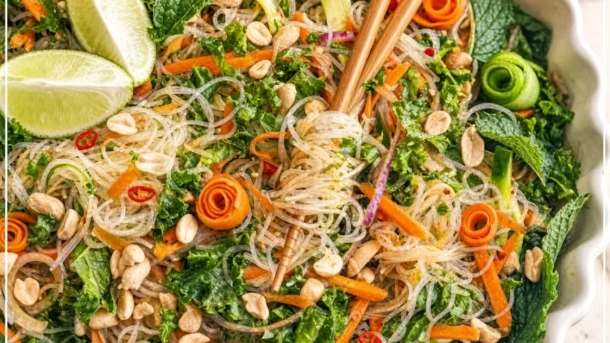
Quick and Easy Vegan Vietnamese Cold Noodle Salad with Crispy Tofu and Fresh Herbs — The Most Refreshing Plant-Based Bowl You Will Make All Week

quick and easy vietnamese cold noodle salad

When the weather is warm or you simply want a dinner that feels light, bright, and full of flavor, this Quick and Easy Vietnamese Cold Noodle Salad is the answer. Tender rice vermicelli noodles are piled into a bowl with crisp cucumber, shredded carrot, crunchy lettuce, and a handful of fragrant fresh herbs, then topped with golden crispy tofu, roasted peanuts, and a sweet, tangy, garlicky dressing that ties everything together.

This dish is inspired by bún chay, the Vietnamese vegetarian noodle bowl, a staple of street stalls and family tables across Vietnam. Its charm lies in contrast: warm and cold, soft and crunchy, sweet and sour, salty and fresh. Every forkful has noodles, herbs, crisp vegetables, and a little of the savory dressing, all working together.

The dressing is the heart of the bowl. Traditionally built on fish sauce, this vegan version uses soy sauce, lime juice, maple syrup, rice vinegar, garlic, and a touch of chili to create the same balance of salty, sweet, sour, and spicy. It takes two minutes to whisk together and keeps for a week.

Best of all, it is genuinely quick. The noodles cook in five minutes, the tofu crisps in the oven or pan while you chop, and the vegetables need no cooking at all. Everything can be prepped ahead, making this an outstanding meal prep recipe and an excellent make-ahead lunch.

This recipe is 100% vegan, easily gluten-free, high in plant-based protein, and ready in 30 minutes.


Recipe Information

Prep TimeCook TimeTotal TimeServingsCalories
20 mins10 mins30 mins4~460 kcal

Ingredients

For the Noodle Salad

  • 8 oz (225g) dried rice vermicelli noodles
  • 1 large cucumber, cut into thin matchsticks
  • 2 carrots, julienned or shredded
  • 2 cups (100g) shredded romaine or butter lettuce
  • 1 cup (90g) bean sprouts (optional)
  • 1 cup fresh herbs: mint, cilantro, and Thai basil, roughly torn
  • 4 spring onions, thinly sliced

For the Crispy Tofu

  • 1 block (400g) extra-firm tofu, pressed and cut into bite-sized cubes
  • 2 tbsp cornstarch
  • 1 tbsp soy sauce or tamari
  • 1 tsp ground turmeric
  • 1 tsp garlic powder
  • ½ tsp salt
  • 2 tbsp neutral oil

For the Sweet and Tangy Dressing

  • ¼ cup (60ml) lime juice
  • 3 tbsp soy sauce or tamari
  • 3 tbsp maple syrup or sugar
  • 2 tbsp rice vinegar
  • 2 cloves garlic, finely minced
  • 1 small red chili, finely chopped (or ½ tsp chili flakes)
  • 3–4 tbsp warm water

To Garnish

  • ¼ cup roasted peanuts, roughly chopped
  • Crispy fried shallots
  • Extra fresh herbs
  • Lime wedges
  • Chili slices or chili crisp

Optional Additions

  • Shredded pickled daikon and carrot
  • Sliced mango or pineapple for sweetness
  • Edamame beans
  • Vegan spring rolls on the side
  • Sliced red bell pepper

Instructions

  1. Make the dressing. Whisk together the lime juice, soy sauce, maple syrup, rice vinegar, garlic, chili, and warm water in a bowl or jar. Stir until the sweetener dissolves. Taste and adjust. It should taste bright, salty, sweet, and tangy in equal measure. Set aside so the garlic can infuse.
  2. Press and prepare the tofu. Wrap the tofu in a clean towel and press for 15 minutes to remove excess moisture. Cut into 2cm cubes. Toss gently with soy sauce, then the cornstarch, turmeric, garlic powder, and salt until evenly coated.
  3. Crisp the tofu. Heat the oil in a large non-stick skillet over medium-high heat. Add the tofu in a single layer and cook for 8–10 minutes, turning every 2 minutes, until golden and crisp on all sides. Alternatively, bake at 425°F (220°C) for 25 minutes, turning once. Set aside.
  4. Cook the noodles. Bring a pot of water to a boil, remove from the heat, add the rice vermicelli, and let sit for 4–6 minutes until just tender. Drain and rinse thoroughly under cold water until completely cool. Drain well and toss with a teaspoon of oil to prevent sticking.
  5. Prepare the vegetables. While the tofu cooks, cut the cucumber and carrots into thin matchsticks, shred the lettuce, slice the spring onions, and tear the herbs.
  6. Assemble the bowls. Divide the lettuce among four bowls. Add a nest of cooled noodles on top, then arrange the cucumber, carrot, bean sprouts, and herbs in sections around the noodles. Top with the crispy tofu.
  7. Dress and garnish. Spoon the dressing generously over each bowl. Scatter with chopped peanuts, crispy shallots, spring onions, and extra herbs. Serve with lime wedges and chili.
  8. Toss and eat. Mix everything together just before eating so the noodles pick up the dressing and the herbs release their aroma.

Pro Tips for the Best Cold Noodle Salad

  • Rinse the noodles in cold water. This stops the cooking, removes surface starch, and prevents clumping.
  • Do not oversoak the vermicelli. Thin rice noodles turn mushy fast. Test early and drain as soon as they are tender.
  • Use plenty of fresh herbs. Mint, cilantro, and Thai basil are what make this salad taste authentically Vietnamese. Do not skimp.
  • Taste and balance the dressing. Add more lime for sourness, more maple for sweetness, more soy sauce for depth, and more chili for heat.
  • Make the tofu extra crisp. Press it well, coat it in cornstarch, and do not crowd the pan.
  • Assemble just before serving. Dressed noodles soften over time. Keep the components separate until you are ready to eat.
  • Chill the bowls. Serving this very cold makes it more refreshing on hot days.

Why This Salad Is So Satisfying

A great Vietnamese noodle salad is built on balance. The dressing delivers the four key flavors of Vietnamese cooking — sweet, sour, salty, and spicy — while the herbs add an aromatic freshness that lifts every bite. Rice noodles bring a soft, slippery base, cucumber and lettuce add crunch, and crispy tofu supplies satisfying protein and texture.

The meal is light yet filling. Tofu provides around 20 grams of plant-based protein per serving, along with iron and calcium. Peanuts add healthy fats and extra protein. Fresh herbs like mint and cilantro are rich in antioxidants and aromatic compounds, and the raw vegetables contribute vitamin C, vitamin K, and plenty of hydration.

Because it is served cold with no heavy sauces or fried components beyond the tofu, this salad is refreshing even in the hottest weather, which is why bowls like this are beloved across Southeast Asia.


Flavor Variations

  • Lemongrass Tofu Noodle Bowl: Marinate the tofu in minced lemongrass, garlic, and soy sauce before crisping for a more aromatic bowl.
  • Mushroom Noodle Salad: Replace the tofu with pan-seared king oyster or shiitake mushrooms for a meaty, umami-rich option.
  • Peanut Sauce Version: Swap the dressing for a creamy peanut sauce with lime and sriracha for a richer salad.
  • Tropical Mango Version: Add sliced mango and pineapple for sweet fruit contrast against the herbs and chili.

Nutritional Highlights (Per Serving)

CaloriesProteinCarbsFiberFat
~460 kcal20g58g5g17g

Storage

  • Refrigerator: Store the noodles, vegetables, tofu, and dressing in separate airtight containers for up to 3 days. Assemble just before eating.
  • Dressing: Keeps in a sealed jar in the refrigerator for up to 7 days. Shake before using.
  • Tofu: Re-crisp in a hot pan or air fryer for 3–4 minutes before serving.
  • Meal prep: Pack in jars or containers with the dressing at the bottom, then noodles, vegetables, tofu, and herbs on top. Shake or toss when ready to eat.

Frequently Asked Questions

Is this salad authentic to Vietnamese cuisine?

It is inspired by bún chay, the vegetarian version of the classic Vietnamese rice vermicelli bowl. Traditional versions use fish sauce, which this recipe replaces with soy sauce and lime for a fully vegan result.

Can I use other noodles?

Yes. Thin rice noodles are traditional, but soba, glass noodles, or even angel hair pasta work in a pinch. Adjust the cooking time according to the package.

How can I make this gluten-free?

Use tamari instead of soy sauce, and check that your rice vermicelli contains only rice and water. Everything else is naturally gluten-free.

Can I make this ahead?

Yes. Prep all the components up to 3 days ahead and store separately. Assemble and dress just before serving so the herbs and vegetables stay crisp.

What if I do not like tofu?

Replace it with baked tempeh, roasted chickpeas, edamame, or pan-fried mushrooms. Each adds a different texture and works well with the dressing.

How spicy is this salad?

It is mild to medium. Adjust the chili in the dressing to your taste, or leave it out and let each person add chili sauce at the table.


Tried this recipe? Leave a comment below and let us know how it turned out! Tag us on Instagram and Facebook — we love seeing your plant-powered creations. Looking for more fresh and easy vegan bowls? Browse all recipes on Easy Vegan Recipes — new recipes posted every single week!

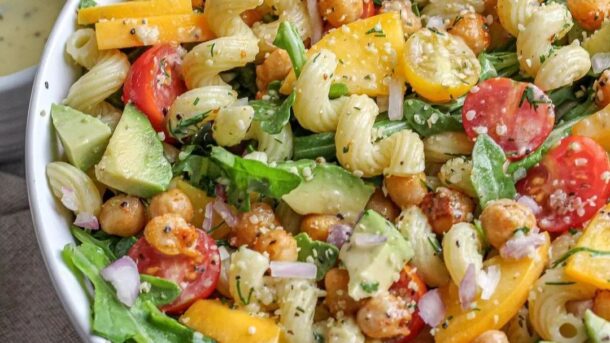
Vegan Arugula and Peach Pasta Salad with Lemon Basil Dressing — The Most Refreshing Plant-Based Summer Salad You Will Make All Week

Unknown 305091005 178973617970547 9066769686891593955 N 1 610x343

Sweet, juicy peaches, peppery arugula, tender pasta, and a bright lemon basil dressing come together in this Vegan Arugula and Peach Pasta Salad, a dish that tastes like summer in a bowl. It is fresh, colorful, and perfectly balanced, with every bite delivering sweetness from ripe peaches, a peppery bite from arugula, creamy richness from toasted nuts and vegan feta, and a zingy dressing that ties it all together.

Pasta salad has a reputation for being heavy, mayo-laden, and forgettable. This one is the opposite. It is light, vibrant, and built around seasonal produce, with an olive oil and lemon dressing that keeps everything fresh rather than weighed down. Peaches bring natural sweetness that pairs beautifully with the pepper of arugula, a classic contrast that works as well in a salad as it does on a pizza or a cheese board.

The dressing is made from fresh basil, lemon juice, garlic, olive oil, and a little maple syrup, blended until smooth and bright green. It coats the pasta without making it greasy and keeps the salad moist even after sitting in the fridge. A handful of toasted pistachios or almonds adds crunch, and crumbled vegan feta or marinated tofu adds a tangy, salty creaminess.

This salad is perfect for picnics, barbecues, potlucks, and light weeknight dinners. It can be served chilled or at room temperature, and it holds up well for hours, which makes it a favorite for make-ahead entertaining.

This recipe is 100% vegan, easy to make gluten-free, and ready in 25 minutes.


Recipe Information

Prep TimeCook TimeTotal TimeServingsCalories
15 mins10 mins25 mins6~380 kcal

Ingredients

For the Salad

  • 12 oz (340g) short pasta such as fusilli, farfalle, or orecchiette
  • 3 ripe peaches, pitted and sliced into thin wedges
  • 4 cups (80g) baby arugula
  • ½ cup (60g) toasted pistachios, almonds, or pine nuts
  • ½ cup (80g) vegan feta, crumbled
  • ¼ cup (30g) thinly sliced red onion
  • ¼ cup fresh basil leaves, torn
  • 1 cup (150g) cherry tomatoes, halved (optional)

For the Lemon Basil Dressing

  • ⅓ cup (80ml) extra virgin olive oil
  • ¼ cup (60ml) fresh lemon juice
  • 1 cup (25g) packed fresh basil leaves
  • 1 small garlic clove
  • 1 tbsp maple syrup
  • 1 tsp Dijon mustard
  • ½ tsp salt
  • ¼ tsp black pepper
  • 1 tsp lemon zest

To Finish

  • Flaky sea salt
  • Freshly cracked black pepper
  • Balsamic glaze for drizzling
  • Chili flakes
  • Extra lemon wedges

Optional Additions

  • 1 can (400g) white beans or chickpeas for extra protein
  • Sliced cucumber
  • Grilled corn kernels
  • Avocado slices
  • Fresh mint leaves

Instructions

  1. Cook the pasta. Boil the pasta in generously salted water until just al dente, according to package directions. Drain and rinse under cold water until completely cooled. Drain well and toss with a teaspoon of olive oil to prevent sticking.
  2. Toast the nuts. Place the nuts in a dry skillet over medium heat and toast for 3–4 minutes, stirring often, until golden and fragrant. Let cool.
  3. Make the dressing. Blend the olive oil, lemon juice, basil, garlic, maple syrup, mustard, salt, pepper, and lemon zest in a blender or small food processor until smooth and bright green. Taste and adjust acidity and salt.
  4. Prepare the peaches. Slice the peaches into thin wedges. If they are not perfectly ripe, grill or sear for 1–2 minutes per side to bring out sweetness.
  5. Toss the pasta. In a large bowl combine the cooled pasta with about two thirds of the dressing and toss until evenly coated.
  6. Add the salad components. Add the red onion, tomatoes, and half of the nuts. Gently fold in the peaches and basil.
  7. Add the arugula. Just before serving, add the arugula and toss gently so it does not wilt.
  8. Finish and serve. Transfer to a serving platter or bowl. Top with crumbled vegan feta, the remaining nuts, and a drizzle of the remaining dressing. Finish with flaky salt, pepper, and a little balsamic glaze.

Pro Tips for the Best Pasta Salad

  • Choose ripe but firm peaches. Soft peaches turn mushy when tossed. Look for fruit that smells sweet and gives slightly under gentle pressure.
  • Rinse the pasta in cold water. This stops the cooking and keeps the pasta from clumping or turning gummy.
  • Dress the pasta while it is still slightly cool, not cold. It absorbs more flavor this way.
  • Add the arugula last. It wilts quickly and is best when freshly tossed.
  • Toast the nuts. Toasting deepens their flavor and adds satisfying crunch.
  • Taste and re-season before serving. Pasta absorbs dressing as it sits, so you may need an extra squeeze of lemon or pinch of salt.
  • Keep extra dressing on the side. This lets you refresh leftovers.

Why Peaches and Arugula Make a Great Pair

Sweet and peppery is one of the most successful flavor pairings in salad making. Ripe peaches provide juicy sweetness and a gentle floral aroma, while arugula brings a peppery, slightly bitter edge that keeps the dish from becoming cloying. The lemon basil dressing adds acidity and freshness that connect the two.

Peaches provide vitamin C, vitamin A, and potassium along with fiber and antioxidants. Arugula is a cruciferous vegetable, rich in vitamin K and glucosinolates, plant compounds studied for their health benefits. Nuts add healthy fats and protein, and olive oil contributes monounsaturated fat that supports heart health.

The result is a salad that feels light and refreshing while still being substantial enough to serve as a meal, with about 11 grams of plant-based protein per serving.


Flavor Variations

  • Grilled Peach Pasta Salad: Grill the peaches for smoky caramelized flavor.
  • White Bean Pasta Salad: Add cannellini beans for a heartier main dish.
  • Balsamic Peach Pasta Salad: Replace the lemon dressing with a balsamic vinaigrette for a deeper, tangier flavor.
  • Mint and Pea Pasta Salad: Add fresh peas and mint for a spring-inspired variation.

Nutritional Highlights (Per Serving)

CaloriesProteinCarbsFiberFat
~380 kcal11g50g5g16g

Storage

  • Refrigerator: Store in an airtight container for up to 3 days. Add the arugula fresh to leftovers for the best texture.
  • Dressing: Keeps in a sealed jar in the refrigerator for up to 5 days. Shake before using. The color may darken slightly.
  • Make ahead: Cook the pasta and mix the dressing up to 2 days in advance. Add the peaches, arugula, and nuts just before serving.
  • Not suitable for freezing: Fresh peaches and arugula lose their texture once frozen.

Frequently Asked Questions

Can I use canned peaches?

Fresh peaches are best, but well-drained canned peaches packed in juice (not syrup) work in a pinch. Pat them dry first.

What can I use instead of arugula?

Baby spinach, spring mix, or watercress work well. Arugula gives the signature peppery flavor, so expect a milder salad with other greens.

What can I use instead of vegan feta?

Use marinated tofu cubes, crumbled firm tofu with lemon and salt, or toasted chickpeas for protein and savory flavor.

Can I make this gluten-free?

Use your favorite gluten-free pasta and rinse well after cooking. Gluten-free pastas can be more fragile, so toss gently.

Can I serve this warm?

Yes. Toss the warm pasta with the dressing and peaches, then add arugula at the last moment. It becomes a lightly wilted warm salad.

How do I stop the peaches from browning?

Slice them just before serving, or toss with a little lemon juice. The dressing also helps protect them.


Tried this recipe? Leave a comment below and let us know how it turned out! Tag us on Instagram and Facebook — we love seeing your plant-powered creations. Looking for more fresh and easy vegan salads and bowls? Browse all recipes on Easy Vegan Recipes — new recipes posted every single week!

Asian-inspired Noodle Salad with Orange Miso Ginger Dressing

asian inspired noodle salad with orange miso ginger dressing

There are salads you make because something light is needed. And then there are salads like this Asian-Inspired Noodle Salad with Orange Miso Ginger Dressing — the kind that comes together in a single bowl of such extraordinary color and texture and flavor that it is simultaneously the most beautiful and the most delicious thing on the table. This is that salad. The one with ribbons of cool soba noodles, crunchy shredded cabbage, bright edamame, julienned carrot, and thinly sliced cucumber, all tossed in a dressing so deeply savory and so brightly citrusy and so perfectly balanced between sweet, salty, tangy, and umami that you will make a double batch of it immediately for use on everything else in the refrigerator.

This recipe combines soba noodles with a colorful array of crisp, fresh vegetables and a bold, complex dressing built on white miso paste, fresh orange juice and zest, grated ginger, sesame oil, rice vinegar, and a touch of maple syrup — a combination that produces a dressing of such extraordinary complexity from such simple ingredients that it tastes like something requiring considerably more effort than it actually demands.

What makes this salad so outstanding is the dressing — the orange miso ginger combination is one of the great underused flavor pairings in plant-based cooking, providing simultaneously the deep, savory, fermented character of miso, the bright, slightly sweet citrus of fresh orange, and the clean, warming punch of fresh ginger, all balanced into something that makes every ingredient it touches taste more vibrant and more interesting.

This recipe is 100% vegan, naturally gluten-free when made with gluten-free soba or rice noodles, ready in just 25 minutes, and absolutely spectacular served immediately or chilled, making it equally outstanding as a quick weeknight dinner and a make-ahead lunch.


Recipe Information

Prep TimeCook TimeTotal TimeServingsCalories
15 mins10 mins25 mins4~340 kcal

Ingredients

For the Noodle Salad

  • 300g soba noodles or rice noodles
  • 2 cups (160g) red or green cabbage, very thinly shredded
  • 2 medium carrots, julienned or grated
  • 1 medium cucumber, halved and thinly sliced
  • 1 cup (150g) frozen edamame, thawed
  • 3 spring onions, thinly sliced
  • ¼ cup (15g) fresh cilantro, roughly chopped
  • ¼ cup (35g) roasted peanuts or cashews, roughly chopped
  • 2 tbsp sesame seeds, toasted

For the Orange Miso Ginger Dressing

  • 3 tbsp white miso paste
  • 4 tbsp fresh orange juice
  • Zest of 1 large orange
  • 2 tbsp rice vinegar
  • 2 tbsp soy sauce or tamari
  • 1 tbsp sesame oil
  • 1 tbsp maple syrup
  • 1 tbsp fresh ginger, very finely grated
  • 1 clove garlic, finely grated
  • 2–3 tbsp water, to thin to desired consistency

Optional Add-ins

  • Thinly sliced red bell pepper for extra color
  • Sliced avocado added just before serving
  • Crispy tofu cubes for extra protein
  • Shredded purple cabbage alongside the green for a more dramatic color contrast

Instructions

  1. Cook the noodles. Cook the soba noodles according to package instructions — typically 4–6 minutes in boiling water. Drain and immediately rinse under cold running water to stop the cooking and prevent sticking. Toss with a small drizzle of sesame oil to keep separate. Set aside.
  2. Make the dressing. In a small bowl whisk together the white miso paste, orange juice, orange zest, rice vinegar, soy sauce, sesame oil, maple syrup, grated ginger, and grated garlic until completely smooth and emulsified. Add water one tablespoon at a time until the dressing reaches a pourable, drizzleable consistency. Taste and adjust — more orange juice for brightness, more soy sauce for saltiness, more maple syrup for sweetness.
  3. Prepare the vegetables. Shred the cabbage as thinly as possible, julienne or grate the carrots, slice the cucumber and spring onions, and thaw the edamame if needed.
  4. Assemble the salad. In a large bowl combine the cooked noodles, shredded cabbage, carrot, cucumber, edamame, and spring onions. Pour the dressing over and toss thoroughly until every component is evenly coated.
  5. Finish and serve. Transfer to a serving bowl or platter. Scatter the fresh cilantro, chopped peanuts or cashews, and toasted sesame seeds over the top. Serve immediately or refrigerate until ready to serve.

Pro Tips

  • Rinse the soba noodles in cold water immediately after cooking — this stops the cooking process, removes surface starch that would make them sticky and clumped, and cools them to the correct temperature for a cold noodle salad.
  • Make the dressing first and let it sit while preparing everything else — the flavors deepen and meld beautifully even in 10–15 minutes.
  • Taste the dressing before adding to the salad and adjust confidently — the dressing should taste noticeably bold as it will be diluted slightly by the noodles and vegetables.
  • Add the peanuts and sesame seeds just before serving to keep them crunchy rather than softening in the dressing.

Why This Dressing Is So Extraordinary

The orange miso ginger combination works at a deep flavor chemistry level because each ingredient contributes a distinct dimension that the others cannot provide. Miso provides fermented umami depth and saltiness. Orange provides natural sweetness, acidity, and aromatic citrus compounds. Ginger provides warming, slightly peppery pungency. Sesame oil provides richness and its characteristic nutty aroma. Rice vinegar provides sharpness and brightness. Together these five elements create a dressing that satisfies on every flavor dimension simultaneously — a quality that makes food genuinely addictive rather than merely pleasant.


Flavor Variations

  • Spicy Orange Miso Salad: Add a teaspoon of chili garlic sauce or a pinch of cayenne to the dressing for a version with building heat.
  • Tofu Noodle Salad: Add cubed, pan-fried crispy tofu to the assembled salad for a more substantial, higher-protein version.
  • Mango Noodle Salad: Add thinly sliced fresh mango to the salad for a sweeter, more tropical character that pairs particularly beautifully with the orange dressing.

Nutritional Highlights (Per Serving)

CaloriesProteinCarbsFiberFat
~340 kcal14g52g6g10g

Storage

  • Refrigerator: Store the assembled salad in an airtight container for up to 2 days, though the noodles will absorb more dressing over time. For the best texture, store the components separately and assemble just before serving.
  • Dressing: The dressing keeps in a sealed jar in the refrigerator for up to 1 week and is outstanding on virtually everything — grain bowls, roasted vegetables, steamed broccoli, lettuce wraps.
  • Meal prep: This salad is excellent for meal prep when the components are stored separately — noodles, vegetables, and dressing each stored apart and assembled fresh for each serving.

Frequently Asked Questions

Can I use a different noodle instead of soba?

Yes — rice noodles, udon, ramen, or glass noodles all work well in this salad. Rice noodles make it naturally gluten-free; udon produces a chewier, more substantial result.

Can I make this salad ahead for a party?

Yes — prepare all components up to 24 hours ahead and store separately. Toss with the dressing 15–30 minutes before serving for the best texture, allowing time for the flavors to meld without the noodles becoming soggy.

What can I substitute for white miso if I can’t find it?

Yellow miso works as a direct substitute with a slightly stronger, more robust flavor. Red miso produces a more intensely savory, less sweet dressing. If miso is unavailable, a mixture of tahini, soy sauce, and a pinch of salt provides a similar fermented depth.


Tried this recipe? Leave a comment below and let us know how it turned out! Tag us on Instagram and Facebook — we love seeing your plant-powered creations. Looking for more vibrant vegan noodle and bowl recipes? Browse all recipes on Easy Vegan Recipes — new recipes posted every single week!