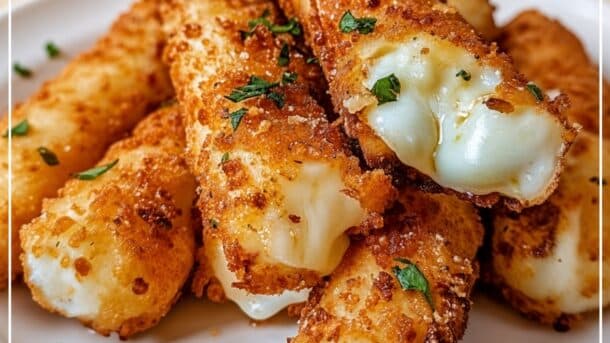
There is a moment in making this Vegan Mozzarella Recipe — it happens at around the four-minute mark on the stove, when you are stirring the cashew and tapioca mixture in the saucepan and suddenly, without warning, the entire mixture transforms — it stops being a liquid and becomes something else entirely, something that stretches and pulls and gathers itself into a glossy, elastic, genuinely cheese-like mass that moves exactly the way mozzarella moves, and you stretch it between the spoon and the pan and it pulls into a long, smooth, unbroken strand and snaps back when you release it, and in that moment you understand that something remarkable has happened in the saucepan — something that took food scientists years to figure out and that you have just produced in your own kitchen with cashews and tapioca starch and a few simple seasonings, and it is one of the most satisfying kitchen moments you will experience all year. This is that recipe. The one that produces a vegan mozzarella that melts on pizza, stretches on a sandwich, slices cleanly for a caprese salad, and tastes so much like the original that guests eating it rarely realize it is plant-based. The one made with eight ingredients, no specialist equipment, and a total active time of under 20 minutes. The one that replaced every store-bought vegan cheese in this kitchen permanently.
The secret is the tapioca stretch technique. The fundamental problem with all plant-based cheese is the stretch: dairy mozzarella achieves its characteristic pull and elasticity through the protein and fat structure of milk casein, which forms long, aligned protein chains during the cheese-making process that produce the distinctive stringy, stretchy texture. Plant-based proteins do not naturally form these chains, which is why most homemade vegan cheeses are firm or spreadable but not stretchy. Tapioca starch — derived from the cassava root — changes this equation completely. Tapioca starch gelatinizes at approximately 60–70°C (140–158°F), forming an extremely strong, highly elastic gel network that mimics the stretch of mozzarella with remarkable accuracy. When cooked into a cashew cream base at the right ratio — 3 tablespoons of tapioca starch per 1 cup of cashew milk — and stirred continuously while it gelatinizes, the tapioca forms a stretchy, elastic, gooey mass that behaves in every practical way like melted mozzarella: it stretches, it pulls, it browns under heat, and it melts smoothly on a hot surface. The tapioca stretch technique is the single ingredient-and-method combination that separates a vegan mozzarella that genuinely stretches from one that merely softens, and it is the technique at the heart of every commercial vegan mozzarella that melts and stretches on a pizza.
What makes this recipe so outstanding is the base — raw cashews soaked and blended completely smooth with water, nutritional yeast, lemon juice, apple cider vinegar, garlic powder, and a precise quantity of refined coconut oil (which provides the fat content that gives the finished cheese its smooth meltability and rich mouthfeel). The cashew base is the flavor foundation: the nutritional yeast contributes savory, faintly cheesy depth; the lemon juice and apple cider vinegar provide the slight tang that is characteristic of fresh mozzarella; the garlic powder adds a subtle savory backdrop; and the coconut oil distributes through the heated mixture and produces the smooth, creamy, glossy surface that is visually indistinguishable from a fresh dairy mozzarella ball. The resulting cheese is mild, fresh-tasting, slightly tangy, and genuinely satisfying in a way that no commercial vegan mozzarella — which relies on starches, gums, and artificial flavorings — can match.
This recipe is 100% vegan, dairy-free, gluten-free, and produces a mozzarella that melts on pizza, slices for caprese, and stretches on a hot panini in a way that will permanently change your relationship with plant-based cheese.
Recipe Information
| Prep Time | Cook Time | Total Time | Servings | Calories |
|---|---|---|---|---|
| 10 mins (+ 2 hr soak) | 8 mins | 18 mins + 1 hr set | Makes ~300g / 10oz | ~80 kcal per 30g serving |
Ingredients
For Soaking
- 1 cup (140g) raw cashews (raw, not roasted or salted — roasted cashews produce a stronger, nuttier flavor that competes with the mozzarella’s mild character)
For the Vegan Mozzarella
- ¾ cup (180ml) cold water (for blending the cashews — cold water produces a smoother, less grainy blend)
- 3 tbsp tapioca starch (also sold as tapioca flour — these are the same product; do not substitute arrowroot or cornstarch, which produce a different texture)
- 3 tbsp nutritional yeast
- 1½ tbsp refined coconut oil (refined, not virgin — refined coconut oil has a neutral flavor; virgin coconut oil adds a detectable coconut taste)
- 1 tbsp fresh lemon juice
- 1 tsp apple cider vinegar
- ½ tsp fine salt (or more to taste)
- ½ tsp garlic powder
- ¼ tsp onion powder
For Setting into a Ball (Optional — for Caprese or Slicing)
- Ice water (a large bowl of water with ice cubes — for firming the finished mozzarella into a smooth ball shape)
Instructions
- Soak the cashews. Place the raw cashews in a bowl and cover with cold water by at least 5cm (2 inches). Soak for a minimum of 2 hours at room temperature, or overnight in the refrigerator. Soaked cashews blend to a completely smooth, silky cream with no graininess; unsoaked cashews produce a grainy base that gives the finished cheese a gritty texture. For a quick soak, cover with boiling water and leave for 20 minutes — the texture will be slightly less smooth than the long soak but workable.
- Drain and blend. Drain the soaked cashews and rinse under cold water. Add to a high-powered blender with the ¾ cup of cold water and blend on high speed for 2 minutes until completely smooth and silky — the mixture should be the consistency of full-fat cream with no visible grain or texture. If your blender struggles, add 1–2 additional tablespoons of water. Stop and scrape down the sides once. The smoothness of the cashew cream at this stage directly determines the smoothness of the finished mozzarella — blend thoroughly.
- Add the remaining ingredients. Add the tapioca starch, nutritional yeast, coconut oil, lemon juice, apple cider vinegar, salt, garlic powder, and onion powder to the blender. Blend on high for a further 60 seconds until completely smooth and evenly combined. The mixture will be thin and pourable, like a smooth cream soup — this is correct.
- Cook the mozzarella. Pour the blended mixture into a small, heavy-bottomed saucepan (a non-stick pan makes this easier, though it is not essential). Set over medium heat and cook, stirring constantly with a silicone spatula or wooden spoon, making sure to reach the bottom and edges of the pan continuously. For the first 2–3 minutes the mixture will look unchanged — thin, cream-colored, and liquid. Around the 3–4 minute mark, the tapioca starch will begin to gelatinize and the mixture will suddenly start to thicken and pull away from the sides. At this point increase the stirring: the mixture will go from liquid to a thick, glossy, stretchy mass within 60–90 seconds. Continue cooking and stirring vigorously for a further 2 minutes after it thickens — this fully activates the tapioca starch and produces the maximum stretch. The finished mixture should be thick, glossy, and pull into long strands when the spatula is lifted. If the mixture is thick but not stretchy, continue cooking for another minute.
- For pizza or melting applications: Use immediately. The hot, freshly cooked mozzarella can be spooned directly onto pizza dough, bread, or into any recipe requiring a melted, stretchy cheese. It will spread slightly as it rests and melt beautifully under the heat of an oven or grill. Spoon it in rounds or dollops rather than spreading — it will spread on its own during baking.
- For a mozzarella ball (caprese, slicing, or serving fresh): Working quickly while the mozzarella is still hot and pliable, use two large spoons dipped in cold water (to prevent sticking) to shape the mozzarella into a smooth ball. Lower the ball gently into the bowl of ice water. The cold water firms the outside of the mozzarella immediately, allowing it to hold its round shape. Leave in the ice water for 5 minutes, then transfer to a bowl of lightly salted cold water. Refrigerate for at least 1 hour before slicing — the ball firms and sets to a sliceable, fresh-mozzarella-like consistency as it chills.
- Taste and adjust before using. Once set (if making a ball) or before adding to a recipe (if using immediately), taste the mozzarella and adjust: add more lemon juice for brightness and tang, more salt for savory depth, or more nutritional yeast for a cheesier flavor. The flavor of the set, cooled mozzarella is the reference — adjust at this stage rather than before cooking, as the flavor concentrates slightly during cooking.
Pro Tips
- Do not substitute the tapioca starch — tapioca starch is the one non-negotiable ingredient in this recipe. Arrowroot starch gelatinizes at a lower temperature and produces a mixture that is gluey rather than stretchy and that breaks down and becomes watery under oven heat rather than melting smoothly. Cornstarch produces a firm, set gel rather than an elastic, stretchy one. Only tapioca starch produces the combination of elasticity, stretchiness, and heat stability that makes this mozzarella melt and stretch correctly. It is available in most supermarkets in the baking aisle, in Asian grocery stores (labelled tapioca flour or cassava starch), and online.
- Stir without stopping during cooking — the tapioca gelatinization phase happens fast and unevenly if the mixture is not stirred constantly. Unstirred areas of the mixture overheat and cook into lumps; constantly stirred mixture gelatinizes evenly and produces a smooth, uniform texture. This is an 8-minute recipe that requires your full attention for those 8 minutes.
- Use the mozzarella hot for pizza and melting — the freshly cooked, still-hot mozzarella spreads and melts more readily than refrigerated mozzarella. For pizza, spoon the hot mozzarella directly onto the assembled pizza and bake immediately; the mozzarella sets slightly in the oven heat, browns at the edges, and produces the bubbling, slightly browned spots that are the visual signature of a great mozzarella pizza.
- For the best caprese, slice thin and serve cold — the refrigerated mozzarella ball slices cleanly with a sharp knife and has the creamy, milky, slightly yielding texture of fresh buffalo mozzarella. Layer with ripe tomatoes, fresh basil, high-quality olive oil, flaky sea salt, and black pepper for a caprese salad that is visually and texturally indistinguishable from the original.
Mozzarella: The Cheese of Naples and the Art of the Stretch
Mozzarella — the fresh, milky, stretchy cheese that is one of the most widely consumed dairy products in the world — takes its name from the Neapolitan word mozzare, meaning “to cut off,” a reference to the hand-stretching and cutting technique at the heart of traditional mozzarella production. True mozzarella di bufala campana — made from the milk of the water buffalo (Bubalus bubalis) in the Campania region around Naples — has Protected Designation of Origin (PDO) status in the European Union and is one of Italy’s most iconic food products. The cheese is produced by a process called pasta filata (“spun paste”): the fresh curd is heated in hot water until it becomes pliable and elastic, then stretched by hand into smooth, glossy balls of varying sizes. The stretching aligns the casein protein chains and gives mozzarella its characteristic pull — the quality that makes it the definitive pizza cheese and the most imitated cheese in vegan food science. Water buffalo were brought to Italy from Asia — most likely India or Southeast Asia — between the sixth and seventh centuries AD, and mozzarella production in Campania is documented from the twelfth century onward. The global spread of pizza in the twentieth century made mozzarella the most produced and consumed cheese style in the world by volume, and the demand for a plant-based version that genuinely melts and stretches drove the decade-long food science effort that produced tapioca-based vegan mozzarella — one of the most technically impressive achievements in the history of plant-based cooking.
Flavor Variations
- Smoked Vegan Mozzarella: Add ¼ teaspoon of liquid smoke and ½ teaspoon of smoked paprika to the blender with the other ingredients for a smoked mozzarella (scamorza affumicata) style that is outstanding on pizza, in a BLT, or layered in a pressed panini. The liquid smoke is used sparingly — the result should be faintly smoky, not aggressively so.
- Vegan Buffalo Mozzarella Style: Increase the apple cider vinegar to 2 teaspoons and add an additional ½ teaspoon of lemon juice for a tangier, more acidic version that more closely resembles the sharper flavor profile of buffalo mozzarella compared to the milder fior di latte style. Serve in a caprese with heirloom tomatoes, torn fresh basil, and a drizzle of the best olive oil you own.
- Herbed Vegan Mozzarella: Fold 2 tablespoons of finely chopped fresh basil, 1 teaspoon of fresh thyme leaves, and ½ teaspoon of cracked black pepper into the cooked mozzarella during the final 30 seconds of cooking, just before shaping into a ball. The herbs are distributed through the cheese as it sets and produce a beautiful, speckled mozzarella ball that is outstanding sliced into a salad or served as part of an antipasto platter.
Nutritional Highlights (Per 30g Serving)
| Calories | Protein | Carbs | Fiber | Fat |
|---|---|---|---|---|
| ~80 kcal | 2g | 5g | 0g | 6g |
Storage
- Refrigerator (ball form): Store the mozzarella ball submerged in lightly salted cold water in a covered container in the refrigerator for up to 5 days. Change the water daily to keep the mozzarella fresh and prevent it from absorbing off-flavors. The texture firms slightly over the first 24 hours and is at its best on days 1–3.
- Refrigerator (pizza / melting form): Store leftover cooked mozzarella in an airtight container in the refrigerator for up to 5 days. To use: reheat gently in a small saucepan over low heat with a tablespoon of water, stirring until smooth and pourable again. The reheat restores the stretchiness almost completely; the texture after the second heating is slightly less elastic but still excellent on pizza.
- Freezer: The mozzarella ball can be frozen (drained and wrapped tightly in plastic wrap) for up to 1 month. Thaw overnight in the refrigerator. The texture after freezing is slightly more crumbly than fresh and is best used on pizza rather than sliced for a caprese. The pizza performance of frozen-and-thawed mozzarella is excellent.
- Do not freeze the liquid mixture: Freeze only the finished, cooked mozzarella — the uncooked blended mixture separates during freezing and thawing and does not recombine into a smooth base.
Frequently Asked Questions
Why isn’t my mozzarella stretching?
The most common cause is insufficient cooking time — the tapioca starch must be fully gelatinized to produce stretch, and this requires reaching a temperature of approximately 70°C (158°F) while stirring continuously. If the mixture has thickened but is not stretchy, continue cooking and stirring over medium heat for another 1–2 minutes. A second common cause is tapioca substitution — only tapioca starch produces the elastic stretch; arrowroot or cornstarch will not.
Can I use a nut-free base instead of cashews?
Yes — replace the soaked cashews and water with ¾ cup of full-fat canned coconut cream (the thick cream from the top of an unshaken can) or ¾ cup of sunflower seed cream (raw sunflower seeds soaked 4 hours, blended with water to a smooth cream). The coconut cream version has a slightly richer flavor and a more pronounced fat content that produces excellent melt and stretch; the sunflower seed version is more neutral in flavor and works well for those with tree nut allergies. Both produce a mozzarella that stretches and melts correctly using the identical tapioca technique.
My mozzarella is grainy — how do I fix it?
Graininess comes from insufficiently soaked or insufficiently blended cashews. Soak the cashews for the full 2 hours (or overnight) and blend on the highest speed your blender offers for at least 2 minutes, stopping to scrape the sides. A high-powered blender (Vitamix, Blendtec) produces a completely smooth cashew cream in 60–90 seconds; a standard blender may need 3–4 minutes and an additional tablespoon of water to achieve the same smoothness. If graininess persists after blending, strain the mixture through a fine mesh sieve before cooking.
Can I use this mozzarella on pizza without pre-cooking it?
No — the mozzarella must be cooked in the saucepan before use. The tapioca starch only produces stretch and melt when it has been fully gelatinized by heat; uncooked blended cashew mixture placed directly on pizza will bake into a flat, gummy, texturally unpleasant layer with none of the stretch or browning of cooked mozzarella. Cook the mozzarella fully in the saucepan, then spoon it onto the pizza immediately.
Tried this recipe? Leave a comment below and let us know how it turned out! Tag us on Instagram and Facebook — we love seeing your plant-powered creations. Looking for more addictive vegan snack and appetizer recipes? Browse all recipes on Easy Vegan Recipes — new recipes posted every single week!
