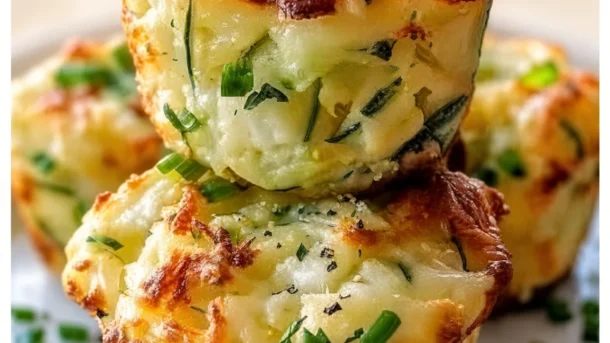
savory muffins

Vegan Crispy Parmesan Zucchini Potato Muffins

crispy parmesan zucchini potato muffins

There are savory muffins that are dense, doughy, and disappointing — the kind that collapse in on themselves and taste vaguely of nothing in particular. And then there are savory muffins like these Vegan Crispy Parmesan Zucchini Potato Muffins — the kind that come out of the oven with shatteringly golden, crackling tops and edges that smell of toasted vegan parmesan and browned potato, with a soft, tender interior packed with shredded zucchini and potato that keeps every bite moist and savory and so satisfying that you find yourself eating two before you have even thought about whether you were hungry. These are those muffins. The ones that surprise people completely, because they do not expect a savory muffin to be this textured, this golden, this genuinely good. The ones that disappear from the cooling rack before they have made it to a plate.

The secret to the extraordinary texture here is the potato — shredded raw potato mixed directly into the batter acts in two crucial ways simultaneously: it provides natural starch that binds the muffin without eggs, and it releases moisture slowly during baking that keeps the crumb tender and prevents the dryness that plagues so many vegan savory bakes. The zucchini is squeezed aggressively before being folded in, removing the excess water that would otherwise steam the muffin from the inside and prevent the golden crust from forming. The result is a muffin that is simultaneously crisp on the outside and moist within — the same textural contrast that makes a great hash brown so compelling, in muffin form.

What makes this recipe so outstanding is the vegan parmesan crust — a generous scatter of nutritional yeast, fine breadcrumbs, and garlic powder pressed onto the top of each muffin before baking creates a crackling, deeply savory golden crust that is the defining feature of the finished muffin: the first thing you see, the first thing you taste, and the thing that makes these impossible to mistake for anything ordinary.

This recipe is 100% vegan, naturally dairy-free and egg-free, packed with vegetables, ready in under 45 minutes, and one of those recipes that works equally well as a grab-and-go breakfast, a brunch centerpiece, a packed-lunch addition, and a snack that disappears before you have had time to warn anyone they were there.


Recipe Information

Prep TimeCook TimeTotal TimeServingsCalories
20 mins25 mins45 mins12 muffins~175 kcal

Ingredients

For the Muffin Batter

  • 2 medium zucchini (about 350g), coarsely grated
  • 2 medium Yukon Gold potatoes (about 300g), peeled and coarsely grated
  • 240g (2 cups) all-purpose flour
  • 2 tsp baking powder
  • ½ tsp baking soda
  • 1 tsp garlic powder
  • 1 tsp onion powder
  • 1 tsp salt
  • ½ tsp black pepper
  • ½ tsp dried thyme or rosemary
  • 240ml (1 cup) unsweetened oat milk
  • 1 tbsp apple cider vinegar
  • 80ml (⅓ cup) olive oil
  • 2 tbsp nutritional yeast (in the batter)
  • 1 tbsp Dijon mustard
  • 3 tbsp fresh chives or scallions, finely chopped

For the Vegan Parmesan Crust

  • 3 tbsp nutritional yeast
  • 3 tbsp panko breadcrumbs
  • ½ tsp garlic powder
  • ½ tsp salt
  • 1 tbsp olive oil

Optional Add-Ins

  • 60g (½ cup) vegan cheddar, shredded
  • 1 small jalapeño, finely diced
  • 2 tbsp sun-dried tomatoes, finely chopped

Instructions

  1. Prepare the vegetables. Preheat the oven to 400°F (200°C). Grease a 12-cup muffin tin generously or line with silicone liners. Grate the zucchini and grated potato separately into two bowls. Working with handfuls at a time, squeeze the grated zucchini as firmly as possible in a clean kitchen towel or cheesecloth to remove as much water as possible — this step is non-negotiable for a crispy result. Set the squeezed zucchini aside. The potato does not need squeezing; its starch is essential for binding.
  2. Make the vegan parmesan crust mixture. Combine the nutritional yeast, panko breadcrumbs, garlic powder, salt, and olive oil in a small bowl. Mix with a fork until the mixture resembles damp, coarse sand. Set aside.
  3. Mix the wet ingredients. Combine the oat milk and apple cider vinegar and set aside for 5 minutes to curdle into a plant buttermilk. Add the olive oil, Dijon mustard, and nutritional yeast and whisk until combined.
  4. Combine. In a large bowl, whisk together the flour, baking powder, baking soda, garlic powder, onion powder, salt, pepper, and dried herbs. Add the wet ingredients and fold until just combined. Fold in the squeezed zucchini, grated potato, and fresh chives. If using any optional add-ins, fold them in now. The batter will be thick and sturdy.
  5. Fill. Divide the batter evenly among the prepared muffin cups — each cup should be filled to the rim, as these muffins do not rise dramatically. The thick batter holds its shape in the tin.
  6. Top with the parmesan crust. Spoon a generous amount of the vegan parmesan crust mixture onto the top of each muffin and press gently so it adheres.
  7. Bake. Bake at 400°F (200°C) for 22–27 minutes until the tops are deeply golden, the parmesan crust is crackling and set, and a toothpick inserted into the center comes out clean with no wet batter. The edges should be visibly golden where the batter meets the tin.
  8. Cool briefly and serve. Allow the muffins to cool in the tin for 5 minutes before turning out — they firm up significantly as they cool. Serve warm or at room temperature.

Pro Tips

  • Squeeze the zucchini ruthlessly — excess moisture in zucchini is the single most common reason savory muffins turn out dense, pale, and steaming rather than golden and crisp. Squeeze, then squeeze again. The zucchini should feel almost dry to the touch.
  • Do not skip the potato — the raw grated potato is the structural and textural backbone of these muffins. It provides natural starch that binds the batter without eggs, moisture that keeps the crumb tender, and a slightly dense, satisfying chew that makes these feel genuinely substantial.
  • Fill the cups to the rim — savory muffins with dense, vegetable-heavy batters do not rise as dramatically as sweet muffins. Filling to the rim gives you a properly sized, well-proportioned muffin with a flat or very slightly domed top that maximizes the golden crust area.
  • Press the parmesan crust mixture firmly — the crust adheres best when pressed onto the raw batter before baking. A light scatter falls off; a firm press creates a unified, crackling top that stays intact when you bite through it.

The Potato as a Vegan Binder

Raw potato is one of the most effective and underused vegan binders in savory baking — far more versatile and powerful than many home cooks realize. When raw potato is grated and incorporated into a batter, two things happen during baking: the potato cells rupture under heat and release their starch, which gelatinizes and binds the surrounding batter into a cohesive structure; and the potato’s natural moisture evaporates slowly, keeping the interior of the baked item tender throughout the baking time rather than drying out before the center has set. This is precisely the same chemistry that makes a potato latke or a rösti so satisfyingly cohesive and chewy — the starch released from the broken potato cells creates a natural glue that holds the shredded potato together without any additional binder. In a savory muffin, this mechanism replaces eggs entirely. Combined with the baking powder lift from the plant buttermilk, the result is a muffin that is fully bound, beautifully tender, and structurally sound — no eggs, no flax egg, no chia — just potato doing what potato has always done naturally.


Flavor Variations

  • Vegan Feta and Sun-Dried Tomato Zucchini Muffins: Add 80g of crumbled vegan feta and 3 tablespoons of finely chopped sun-dried tomatoes to the batter for a Mediterranean-inspired version with a salty, tangy character.
  • Smoky Chipotle Zucchini Potato Muffins: Add 1 teaspoon of chipotle powder and ½ teaspoon of smoked paprika to the batter and top with vegan cheddar instead of the parmesan crust for a smoky, spicy version.
  • Herb Garden Zucchini Muffins: Replace the dried thyme with 2 tablespoons of fresh basil, 1 tablespoon of fresh oregano, and 1 tablespoon of fresh dill for a bright, summery herb-forward version.

Nutritional Highlights (Per Muffin)

CaloriesProteinCarbsFiberFat
~175 kcal5g24g2g7g

Storage

  • Room temperature: Store in an airtight container at room temperature for up to 2 days. The parmesan crust softens slightly but the muffins retain their flavor and texture.
  • Refrigerator: Store in an airtight container for up to 5 days. Reheat in a toaster oven or oven at 375°F for 5–8 minutes to restore the crispy crust — do not microwave if you want crunch.
  • Freezer: Freeze individually wrapped for up to 2 months. Thaw at room temperature and reheat in a hot oven for 8–10 minutes to revive the crust.
  • Make ahead: The batter can be mixed the night before and refrigerated; add an extra 2–3 minutes to the bake time when baking from cold.

Frequently Asked Questions

Can I use a different type of potato?

Yes — Yukon Gold is ideal for its moderate starch content and buttery flavor, but Russet potatoes also work and produce a slightly crispier result due to their higher starch content. Waxy potatoes such as Red Bliss are less ideal as they release less starch and provide less binding.

Do I have to use nutritional yeast?

The nutritional yeast in the batter adds a savory, umami depth that gives these muffins their cheesy character. If unavailable, you can substitute 1 tablespoon of white miso paste stirred into the wet ingredients. The parmesan crust can be replaced with panko breadcrumbs tossed in olive oil and herbs for a plain golden crust.

Can I make these gluten-free?

Yes — replace the all-purpose flour with a 1:1 gluten-free baking flour blend and use certified gluten-free panko or replace the panko with gluten-free breadcrumbs or finely ground rolled oats. The texture will be slightly more dense but the flavor is unaffected.

Why are my muffins pale and soft rather than golden and crispy?

The most likely cause is insufficient zucchini squeezing — too much moisture in the batter steams the muffins from the inside and prevents browning. The second most common cause is a too-low oven temperature or an oven that hasn’t fully preheated. These muffins need a genuinely hot oven (400°F) from the very first minute to achieve the golden crust.


Tried this recipe? Leave a comment below and let us know how it turned out! Tag us on Instagram and Facebook — we love seeing your plant-powered creations. Looking for more warming vegan curry and dinner recipes? Browse all recipes on Easy Vegan Recipes — new recipes posted every single week!
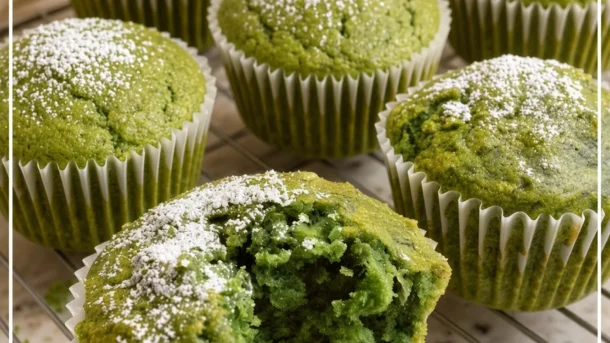
Vegan Spinach Muffins

vegan spinach muffins

The savory muffin is one of those things that sounds like a compromise — a muffin that has been stripped of sugar and chocolate chips and made responsible — until you eat a good one, at which point it becomes immediately obvious that the savory muffin is not a lesser version of its sweet counterpart but an entirely different and superior thing: a warm, tender, herb-speckled baked good that functions perfectly as a breakfast alongside coffee, as a lunchbox addition, as a side to a bowl of soup, or as a snack eaten standing at the kitchen counter directly from the tray, which is usually where most of them end up going. Vegan Spinach Muffins are made with a generous quantity of fresh baby spinach, garlic, nutritional yeast, a blend of dried herbs, and a base of oat milk and olive oil that produces a crumb that is soft and moist without being dense, tender without being fragile, and flecked throughout with spots of vivid green that look as though someone has baked a spring garden into the batter. They smell, while baking, like garlic bread and fresh herbs simultaneously, and they taste — despite containing a genuinely significant quantity of spinach — primarily of savory herb and garlic richness rather than of greens in any heavy or unwelcome sense. The spinach is present in flavor, texture, and color, but it has been prepared in a way that concentrates its savory qualities and eliminates the watery, slightly bitter undertone that raw or improperly handled spinach can bring to baked goods. They are 100% vegan, dairy-free, and egg-free. They keep for three days and freeze beautifully. The technique is the reason the spinach does not make them wet.

The technique is the wilt-squeeze-cool method. The central problem with using fresh spinach in a baked good is that spinach is approximately 91% water by weight, and adding a large volume of raw spinach to a muffin batter introduces a quantity of free moisture that, if not managed before mixing, dilutes the batter, inhibits browning on the muffin’s surface, and creates a wet, slightly gummy crumb that never fully bakes out. Many spinach muffin recipes attempt to solve this by using frozen spinach that has been squeezed dry — an approach that works but sacrifices the fresh, bright spinach flavor and vivid green color that make these muffins visually appealing and more delicious. The wilt-squeeze-cool method retains the fresh spinach quality while eliminating its excess moisture in three deliberate stages. Stage one — wilt: the fresh spinach is wilted in a dry skillet over high heat for 60–90 seconds, stirring constantly, just until fully collapsed. The heat collapses the spinach’s cell structure and causes the cells to release most of their free water in a rapid burst — the spinach reduces from a large, voluminous pile to a compact, wilted mass approximately one-fifth of its original volume. Stage two — squeeze: the wilted spinach is transferred to a clean kitchen towel or a piece of doubled muslin, wrapped tightly, and squeezed firmly over the sink. The squeezed towel releases a remarkable quantity of green liquid — a volume of water that, had it entered the batter, would have made the muffins unacceptably wet. The squeezed spinach ball should feel almost dry to the touch. Stage three — cool: the squeezed spinach is allowed to cool completely (approximately 10 minutes) before being roughly chopped and added to the batter. Hot spinach added to a muffin batter that contains baking powder begins activating the leavening prematurely — the heat accelerates the acid-base reaction — producing a batter that has already partially risen before it enters the oven and then deflates during baking rather than rising cleanly in the oven’s heat. The wilt-squeeze-cool sequence produces spinach that is concentrated in flavor, vivid in color, nearly dry, and at the correct temperature for clean incorporation — the same spinach that would have waterlogged the batter now enriches it.

This recipe makes 12 standard muffins.


Recipe Information

Prep TimeCook TimeTotal TimeMakesCalories
15 mins20–22 mins37 mins12 muffins~185 kcal

Ingredients

For the Spinach

  • 200g (7oz) fresh baby spinach — baby spinach is preferred over mature spinach leaves for this recipe; it has a more delicate flavor, wilts more evenly, and produces a brighter, less bitter result. Mature spinach works but has a stronger, earthier flavor and more fibrous stems that should be removed before using.

For the Batter

  • 240g (2 cups) all-purpose flour
  • 1½ tsp baking powder
  • ½ tsp baking soda
  • 1 tsp fine salt
  • 1 tsp garlic powder (in addition to the fresh garlic used to wilt the spinach — the garlic powder in the dry ingredients gives the muffin a background garlic warmth throughout the crumb, distinct from the sharper, more pungent fresh garlic note from the spinach preparation)
  • 1 tsp dried Italian herbs or dried mixed herbs (a blend of oregano, basil, and thyme is excellent; a single herb alone produces a more one-dimensional flavor)
  • ½ tsp onion powder
  • ¼ tsp black pepper, freshly ground
  • 3 tbsp nutritional yeast (adds a savory, slightly cheesy depth that makes these muffins taste richer and more complex; nutritional yeast is a fortified food supplement with a natural umami quality that is invaluable in vegan savory baking — do not substitute with brewer’s yeast, which is bitter)
  • 240ml (1 cup) unsweetened oat milk or soy milk — oat milk produces a slightly creamier result; soy milk provides more protein and a lighter, less creamy texture; either works well
  • 80ml (⅓ cup) mild olive oil or sunflower oil (olive oil adds a savory depth that is very good in a herb muffin; sunflower oil is more neutral — use whichever is preferred)
  • 1 tbsp apple cider vinegar (reacts with the baking soda to provide lift; also helps activate the baking powder; adds a very faint tang that is undetectable in the finished muffin but contributes to tenderness)
  • 2 cloves garlic, minced (for wilting the spinach — this garlic blooms into the spinach during wilting and infuses it with a concentrated garlic flavor that distributes through the batter when the spinach is chopped and added)
  • 1 tbsp olive oil (for wilting the spinach — a small quantity only, just enough to prevent the garlic from burning in the hot pan)

Optional Add-Ins (Choose One or Combine)

  • 60g (½ cup) vegan feta-style cheese, crumbled — folded in at the end of mixing; adds pockets of salty, creamy richness through the muffin
  • 50g (⅓ cup) sun-dried tomatoes, drained and roughly chopped — adds a concentrated sweet-savory depth and a chewy texture contrast
  • 1 small fresh chilli, very finely diced — adds a background heat that is barely perceptible but lifts all the other flavors

Instructions

  1. Wilt-squeeze-cool — the technique, Stage 1. Heat 1 tablespoon of olive oil in a wide skillet over high heat until the oil is very hot and just beginning to shimmer. Add the minced garlic and stir for 20–30 seconds until fragrant (do not let it brown). Add all the fresh baby spinach at once — it will seem like a vast quantity; it will reduce dramatically. Stir constantly with tongs or a spatula for 60–90 seconds until the spinach is completely wilted and has collapsed into a compact mass. Remove from heat immediately.
  2. Wilt-squeeze-cool — Stage 2. Transfer the wilted spinach and garlic to a clean kitchen towel or a doubled layer of muslin cloth. Gather the cloth around the spinach and twist tightly over the sink, squeezing as firmly as possible. The cloth will release a large quantity of green liquid — continue squeezing until no more liquid runs freely. Open the cloth: the spinach should be a compact, nearly dry ball. If it still feels wet, squeeze again.
  3. Wilt-squeeze-cool — Stage 3. Open the cloth and spread the squeezed spinach on a small plate or chopping board. Leave to cool for 10 minutes until it is at room temperature. Once cooled, roughly chop the spinach into small pieces — approximately 1cm. Set aside.
  4. Preheat and prepare. While the spinach cools, preheat the oven to 190°C (375°F). Line a standard 12-cup muffin tin with paper liners or grease each cup thoroughly. In a small jug or bowl, combine the oat milk, olive oil, and apple cider vinegar. Stir and set aside for 2 minutes — the vinegar will slightly curdle the plant milk, creating a vegan “buttermilk” that reacts with the baking soda during baking to provide additional lift and tenderness.
  5. Mix the dry ingredients. In a large mixing bowl, whisk together the flour, baking powder, baking soda, salt, garlic powder, dried herbs, onion powder, black pepper, and nutritional yeast until evenly combined.
  6. Combine. Pour the wet ingredient mixture into the dry ingredients and stir with a spatula until just combined — a few dry streaks remaining are fine at this stage. Add the chopped, cooled spinach (and any optional add-ins) and fold in with 4–5 additional strokes. The batter will be thick. Do not over-mix — over-mixed muffin batter develops excess gluten and produces tough, rubbery muffins with a peaked, tunneled top. Stop mixing the moment no dry flour is visible.
  7. Portion and bake. Divide the batter evenly among the 12 prepared muffin cups — each cup should be approximately three-quarters full. The batter is too thick to pour; use a spoon or ice cream scoop. Bake at 190°C (375°F) for 20–22 minutes until the tops are golden and a skewer inserted into the center of a muffin comes out clean or with a few moist crumbs.
  8. Cool. Allow to cool in the tin for 5 minutes before transferring to a wire rack. Serve warm for the best flavor and texture — the herb and garlic aroma when a warm muffin is broken open is one of the genuinely great simple kitchen pleasures.

Pro Tips

  • The squeeze step is the one that cannot be skimped — how thoroughly the spinach is squeezed is the single biggest determinant of whether the muffins have a clean, dry crumb or a gummy, wet one. Do not stop squeezing when the cloth looks wrung; squeeze again, harder, for another 15–20 seconds. The goal is a squeezed ball that feels close to dry rather than merely less wet.
  • Do not open the oven door before 18 minutes — muffins that have not set their crumb structure will sink if the oven temperature drops before they are ready. The savory color (the green from the spinach means these muffins are a darker batter than standard muffins) makes them harder to judge visually; use a skewer rather than color for doneness.
  • For a crunchy top, scatter a pinch of flaky sea salt, a small amount of grated vegan parmesan-style cheese, or a few sesame seeds over each muffin just before they go into the oven. The topping caramelizes against the surface during baking and adds a crunchy, intensely flavored crust that contrasts beautifully with the soft interior.
  • Room-temperature ingredients produce a better muffin — cold oat milk from the refrigerator slows the leavening reaction slightly and can produce a denser rise. Take the oat milk out of the refrigerator 20–30 minutes before baking, or warm it briefly in the microwave for 20 seconds until it is at room temperature.

Spinach Through History: Persia, the Silk Road, and the Making of a Global Green

Spinach is unusual among the vegetables that dominate global cuisine in that its journey from its origin to the kitchens of Europe and the Americas is both recent and remarkably well-documented — unusually so for a plant, which typically moves across cultures and centuries in ways that are difficult to trace with any precision. Spinach (Spinacia oleracea) is native to Persia (modern-day Iran) and Central Asia, where it was cultivated by at least 2,000 years ago, though the precise date of its domestication is uncertain. The earliest clear written records of spinach appear in Arabic and Persian texts from around the 7th century CE, where it was known as “isfānāj” in Arabic (from which the Spanish “espinaca” and English “spinach” ultimately derive). Spinach reached China along the Silk Road trading routes during the Tang dynasty (618–907 CE) — Chinese historical records describe it arriving as a gift from Nepal — and it was known in China for centuries before it became common in Europe. It reached the Arab-controlled regions of Spain and Sicily in the 8th–11th centuries via the Moorish expansion, and from there spread through Europe, reaching England by the 14th century. The speed of spinach’s adoption in medieval Europe was remarkable — within a few centuries of its introduction it was a standard ingredient in elite cookery, and by the 16th century it was a sufficiently common vegetable to appear regularly in everyday recipes. The modern understanding of spinach as a nutritional superfood — driven by its genuine iron, folate, and vitamin K content — was partly shaped and partly distorted by a famous 20th-century error: the popular belief that spinach has an exceptionally high iron content, which became cultural orthodoxy in part because of the Popeye cartoon (created 1929), was based on an 1870 German study that placed a decimal point in the wrong position and overstated the iron content by a factor of ten. The error persisted in nutritional literature for decades, and while spinach is genuinely iron-rich, it is not the exceptional source of iron that a century of popular culture suggested.


Flavor Variations

  • Spinach and Sun-Dried Tomato Muffins: Add 50g (⅓ cup) of roughly chopped, oil-packed sun-dried tomatoes to the batter along with the spinach. The sun-dried tomatoes add a concentrated sweet-acidic-savory depth and a slightly chewy texture that creates an appealing contrast with the soft muffin crumb. Replace the dried Italian herbs with a teaspoon of dried oregano only, and add ½ teaspoon of smoked paprika to the dry ingredients for a warmer, more Mediterranean flavor profile.
  • Spinach and Vegan Feta Muffins: Fold 60g (½ cup) of crumbled vegan feta-style cheese into the batter after the spinach. The feta provides salty, tangy pockets through the muffin — small islands of rich, creamy flavor in each bite. This is the most versatile variation and the one most likely to convert people who are skeptical of savory muffins. A pinch of dried dill in the dry ingredients complements the feta beautifully.
  • Spinach and Corn Muffins: Add 100g (⅔ cup) of drained canned sweetcorn or defrosted frozen corn kernels to the batter with the spinach. The sweetcorn adds bursts of sweetness that provide a gentle counterpoint to the savory spinach and herb base, and its yellow color against the green spinach makes each muffin visually striking when cut open. Replace the all-purpose flour with half all-purpose and half fine polenta (cornmeal) for a more textured, slightly crunchy crumb that suits the corn addition.

Nutritional Highlights (Per Muffin — Based on 12 Muffins)

CaloriesProteinCarbsFiberFat
~185 kcal5g25g2g7g

Storage

  • Room temperature: Store in an airtight container at room temperature for up to 2 days. The high moisture content from the spinach (even after squeezing, the spinach contributes more moisture than a standard muffin batter) means savory muffins are more prone to mold than dry sweet muffins; after 2 days at room temperature, refrigerate any remaining muffins.
  • Refrigerator: Keep in a sealed container for up to 5 days. Refrigerated muffins firm up slightly — reheat in a 160°C (325°F) oven for 5 minutes, or microwave for 20–25 seconds, until warmed through. The garlic and herb flavor intensifies on the second and third days after baking.
  • Freezer: Freeze individually wrapped in cling film for up to 3 months. Defrost at room temperature for 1 hour or overnight in the refrigerator. Warm in a 160°C oven for 8–10 minutes directly from frozen, or microwave for 60–90 seconds. These muffins are excellent freezer staples — make a double batch, freeze most of them, and defrost one or two at a time as needed.
  • Lunchbox: These muffins travel well and do not require refrigeration for up to 4 hours in a cool lunchbox, making them an excellent packed-lunch or school-run option.

Frequently Asked Questions

Can I use frozen spinach instead of fresh?

Yes — frozen spinach is a convenient substitute and skips the wilting stage. Defrost completely, then squeeze as thoroughly as possible using the towel-squeeze method (Stage 2 of the technique). Allow to cool if it was warmed during defrosting, then chop and add to the batter as directed. Frozen spinach has a slightly more muted flavor and less vivid color than fresh, and the texture is softer, but the overall result is still very good. Use approximately 140g (5oz) of frozen spinach (pre-squeeze weight) to replace the 200g of fresh.

The muffins came out with a gummy, wet center. What went wrong?

A wet center in a spinach muffin is almost always caused by insufficient squeezing of the wilted spinach — residual moisture in the spinach released into the batter during baking and kept the crumb from setting fully. For the next batch, squeeze harder and longer in Stage 2. A secondary cause is underbaking — check with a skewer at the center of the thickest muffin, not at the edge (edge muffins bake faster than center ones). If the skewer comes out wet, return to the oven for 2–3 additional minutes.

Can I make these gluten-free?

Yes — replace the all-purpose flour with a certified gluten-free plain flour blend that contains xanthan gum (or add ½ teaspoon of xanthan gum to a blend that does not include it). The gluten-free version rises slightly less and may have a slightly denser crumb than the all-purpose version, but the flavor is fully preserved. Baking time may extend by 2–3 minutes — check with a skewer rather than relying on time.

Can I make mini muffins instead of standard-size?

Yes — the batter works well in a mini muffin tin. Fill each mini cup approximately three-quarters full and bake at 190°C (375°F) for 12–14 minutes until a skewer comes out clean. Mini muffins are an excellent party or picnic option — one batch produces approximately 30–36 mini muffins. They freeze just as well as standard-size.


Tried this recipe? Leave a comment below and let us know how it turned out! Tag us on Instagram and Facebook — we love seeing your plant-powered creations. Looking for more addictive vegan snack and appetizer recipes? Browse all recipes on Easy Vegan Recipes — new recipes posted every single week!