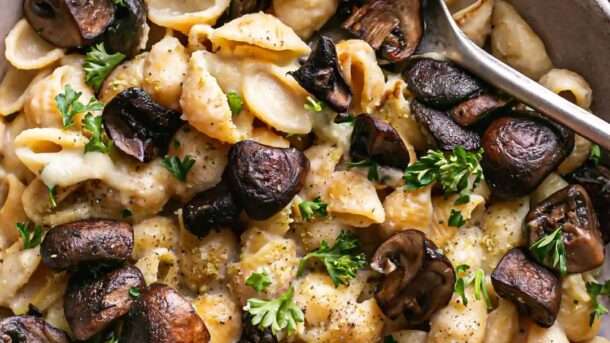
Mushroom Pasta

ONE POT VEGAN MUSHROOM STROGANOFF

one pot vegan mushroom stroganoff

There are dinners that feel like a warm embrace at the end of a long day. And then there are dinners like this One Pot Vegan Mushroom Stroganoff — the kind that fills every corner of your kitchen with the most extraordinary aroma of caramelized mushrooms, garlic, and paprika as it simmers, that pours into the bowl a deep, burnished, mahogany-rich sauce so silky and so deeply flavored that people close their eyes on the first spoonful, and that delivers a warmth and comfort so profound and so genuine that the cold world outside becomes entirely irrelevant for as long as the bowl lasts. This is that dinner. The one that becomes a weekly non-negotiable. The one that converts people who thought plant-based cooking could never be truly satisfying into people who stop thinking about meat altogether. The one that is simultaneously the easiest and the most spectacularly delicious thing you will cook all month.

This is a stroganoff built on the most deeply satisfying flavor foundation imaginable — golden-seared mushrooms cooked low and slow until they are caramelized, concentrated, and almost meaty in their intensity, bathed in a rich sauce of vegetable broth, smoked paprika, Dijon mustard, and Worcestershire sauce thickened with a silky swirl of vegan sour cream that transforms everything in the pot into something that tastes like it spent hours on a professional stove rather than thirty minutes on yours. The pasta cooks directly in the sauce — absorbing every drop of flavor as it hydrates and thickens the liquid simultaneously into a glossy, coating, impossibly delicious one-pot masterpiece.

What makes this stroganoff so genuinely outstanding is the one-pot technique. The pasta cooks directly in the broth and sauce rather than separately — releasing its starch as it cooks and naturally thickening the sauce to a silky, glossy consistency that coats every strand of pasta and every piece of mushroom in a layer of deeply flavored richness that no separately cooked pasta can replicate. This technique also means one pot, one pan, minimal washing up, and maximum flavor — the trifecta of weeknight dinner perfection.

This recipe is 100% vegan, ready in just 35 minutes, made in a single pot, naturally adaptable to gluten-free, high in plant-based protein and umami-rich flavor, and absolutely magnificent served directly from the pot into deep, warm bowls with a scattering of fresh parsley and a generous crack of black pepper.


Recipe Information

Prep TimeCook TimeTotal TimeServingsCalories
10 mins25 mins35 mins4~480 kcal

Ingredients

For the Stroganoff

  • 500g mixed mushrooms (cremini, shiitake, and portobello work beautifully together)
  • 1 large white or yellow onion, finely diced
  • 6 cloves garlic, minced
  • 300g pasta (pappardelle, egg-free tagliatelle, or wide egg-free noodles)
  • 3 cups (720ml) vegetable broth
  • 1 cup (240ml) unsweetened plant milk (oat or soy)
  • ¾ cup (180g) vegan sour cream (store-bought or cashew-based)
  • 3 tbsp olive oil or vegan butter
  • 2 tbsp tomato paste
  • 2 tbsp soy sauce or tamari
  • 1 tbsp vegan Worcestershire sauce
  • 1 tbsp Dijon mustard
  • 2 tsp smoked paprika
  • 1 tsp sweet paprika
  • 1 tsp dried thyme
  • ½ tsp onion powder
  • Salt and black pepper to taste
  • Juice of half a lemon (added at the very end)

Optional Add-ins

  • 1 cup (150g) frozen peas (add in final 5 minutes)
  • 2 cups (60g) fresh spinach (stir in at end)
  • 1 medium zucchini, diced (add with mushrooms)
  • 200g firm tofu, pressed and crumbled (adds extra protein)
  • ½ cup (60g) walnuts, roughly chopped (adds meaty texture)
  • 1 tbsp nutritional yeast (deepens the savory flavor)
  • 1 tsp truffle oil (added at end for extraordinary luxury)

To Serve

  • Fresh parsley, generously chopped
  • Freshly cracked black pepper — very generous
  • Extra vegan sour cream dolloped on top
  • Chili flakes for warmth and color
  • Fresh dill (traditional and extraordinary)
  • A squeeze of fresh lemon
  • Crusty sourdough or garlic bread alongside

Instructions

  1. Sear the mushrooms in batches. Heat 2 tablespoons of olive oil in a large, wide pot or Dutch oven over high heat until almost smoking. Add the mushrooms in a single layer — working in two batches if necessary to avoid crowding. Leave completely undisturbed for 2–3 minutes until deeply golden and caramelized on the bottom, then flip and cook for a further 2 minutes. Season generously with salt and pepper. Transfer the first batch to a plate and repeat with the remaining mushrooms. Properly seared mushrooms — deeply golden, slightly crispy at the edges, concentrated and nutty in flavor — are the single most important element of an extraordinary stroganoff. Never crowd the pan and never stir too soon.
  2. Sauté the aromatics. Reduce the heat to medium and add the remaining tablespoon of olive oil to the pot. Add the finely diced onion and cook for 5–6 minutes, stirring regularly, until softened and beginning to turn golden at the edges. Add the minced garlic and cook for a further 60–90 seconds until incredibly fragrant. The combination of caramelized onion and garlic at this stage creates an aromatic foundation that carries through the entire dish.
  3. Build the flavor base. Add the tomato paste to the softened onion and garlic and stir continuously for 1–2 minutes until the paste darkens slightly and begins to caramelize — this brief cooking concentrates the tomato flavor and removes any raw taste that would otherwise remain in the finished sauce. Add the smoked paprika, sweet paprika, dried thyme, and onion powder and stir for a further 30 seconds until the spices are fragrant and coating everything in the pot.
  4. Add the liquids and pasta. Pour in the vegetable broth and plant milk and stir well to combine with the spiced base — scraping up any caramelized bits from the bottom of the pot as you stir. Add the soy sauce, vegan Worcestershire sauce, and Dijon mustard and stir to incorporate. Bring to a vigorous boil over high heat. Add the dry pasta directly to the boiling liquid and stir well to submerge. Return the seared mushrooms to the pot and stir to combine.
  5. Cook the pasta in the sauce. Reduce the heat to a lively simmer and cook uncovered for 10–12 minutes, stirring frequently — every 2 minutes — to prevent the pasta from sticking to the bottom of the pot and to ensure even cooking throughout. The pasta will absorb the liquid as it cooks and the natural starch it releases will thicken the sauce simultaneously into a glossy, coating consistency. Add a splash of additional vegetable broth if the sauce becomes too thick before the pasta is fully cooked.
  6. Add the vegan sour cream. Once the pasta is al dente and the sauce has thickened to a silky, glossy consistency reduce the heat to the lowest setting. Add the vegan sour cream and stir gently until completely incorporated throughout the sauce. Do not allow the sauce to boil after adding the sour cream — high heat causes vegan sour cream to split and curdle. A gentle heat and continuous stirring produces a perfectly smooth, uniformly creamy result.
  7. Taste and finish. Squeeze in the lemon juice — this final addition of acid brightens and lifts the entire flavor profile of the stroganoff dramatically. Taste and adjust the seasoning with additional salt, black pepper, soy sauce, or smoked paprika as needed. The finished stroganoff should be deeply savory, warmly spiced, slightly tangy from the sour cream and lemon, and utterly harmonious in every element.
  8. Serve immediately and generously. Divide the stroganoff between deep, warmed bowls and finish each serving with a very generous scattering of fresh parsley, an additional dollop of vegan sour cream, a generous crack of fresh black pepper, and a pinch of chili flakes for color and warmth. Serve immediately — stroganoff is at its absolute peak directly from the pot and loses some of its silky sauce consistency as it sits and the pasta continues to absorb liquid.

Pro Tips for the Most Extraordinary One Pot Stroganoff

  • Sear the mushrooms in a screaming hot dry pot before adding anything else. This single step — cooking the mushrooms at the highest possible heat in a single layer without stirring — is what creates the deep, caramelized, concentrated mushroom flavor that gives this stroganoff its extraordinary meaty depth. A mushroom that is steamed in a crowded pot contributes a fraction of the flavor of one that is properly seared. Use two batches if necessary — it takes an extra four minutes and makes an enormous difference.
  • Cook the tomato paste until it darkens. Raw tomato paste added directly to liquid produces a flat, slightly tinny flavor. Cooked briefly in the hot pot until it deepens to a brick-red color and begins to caramelize it contributes a rich, complex, slightly sweet depth that is one of the defining flavor notes of great stroganoff.
  • Stir the pasta frequently during cooking. Unlike pasta cooked in a large pot of boiling water pasta cooked in a smaller amount of liquid requires more attention — stir every 2 minutes to prevent sticking and ensure even cooking. The starch released by the pasta during this stirring process is exactly what creates the gloriously thick, glossy, coating sauce consistency that makes one-pot pasta so extraordinary.
  • Add sour cream off the heat or on the lowest possible heat. Vegan sour cream splits at high temperatures producing a grainy, separated sauce rather than a silky, uniformly creamy one. Always reduce to the very lowest heat setting before adding and stir continuously and gently as you incorporate it throughout the sauce.
  • Use a combination of mushroom varieties always. Cremini mushrooms provide earthy reliability. Shiitake mushrooms contribute extraordinary umami depth from their naturally occurring glutamates. Portobello mushrooms add meaty, substantial texture. Together they create a mushroom component of far greater complexity and depth than any single variety can produce alone.
  • Finish with lemon juice always. The lemon juice added at the very end of cooking is non-negotiable — it lifts and brightens the rich, heavy sauce in a way that is subtle but completely transformative. Without it the stroganoff can taste slightly flat and one-dimensional. With it every other flavor in the pot is amplified and brightened into perfect balance.

The Extraordinary Flavor Science of Stroganoff

Stroganoff is a dish of extraordinary flavor complexity — and understanding the science behind why it tastes so deeply satisfying helps explain why this vegan version is so remarkably successful at replicating and even surpassing the original.

The foundation of stroganoff flavor is umami — the fifth taste, produced by glutamic acid and ribonucleotides that trigger specific receptors on the tongue producing a savory, mouth-coating, deeply satisfying sensation that is distinct from sweet, sour, salty, and bitter. In traditional beef stroganoff this umami comes primarily from the beef itself and from the sour cream. In this vegan version it comes from multiple, carefully chosen plant-based sources that together create an umami intensity that rivals and in many tasters’ assessments surpasses the original.

Mushrooms — particularly shiitake and portobello varieties — are among the richest plant-based sources of both glutamic acid and the ribonucleotide guanosine monophosphate available. The combination of these two umami compounds creates a synergistic effect — when present together their umami impact is not merely additive but multiplicative, with each compound amplifying the impact of the other to produce a depth of savory flavor that is dramatically greater than either could produce alone.

Soy sauce and Worcestershire sauce contribute additional glutamic acid alongside complex fermentation-derived flavor compounds that add layers of aged, fermented depth to the sauce. Tomato paste provides further glutamic acid alongside lycopene and caramelized sugars from the brief cooking. Dijon mustard adds emulsifying compounds that help maintain the silky consistency of the sauce alongside its characteristic pungent depth.

The result is a sauce with an umami profile that is not merely satisfying — it is deeply, genuinely craveable in the specific neurological sense that umami-rich foods trigger reward pathways in the brain that make us want more of them. This is food that satisfies not just hunger but something deeper and more fundamental — and it achieves this entirely through plants.


Flavor Variations

  • Hungarian Inspired: Double the smoked paprika and add half a teaspoon of caraway seeds to the onion as it cooks. Replace the plant milk with additional vegetable broth and add a tablespoon of red wine vinegar at the end for a deeper, more intensely paprika-forward stroganoff inspired by Hungarian gulyas.
  • Truffle Mushroom Stroganoff: Use exclusively oyster and cremini mushrooms and add a tablespoon of truffle oil in the final minute of cooking. Replace the vegan sour cream with cashew cream for an extraordinarily luxurious version that is genuinely spectacular for special occasions.
  • Green Herb Stroganoff: Stir in two generous handfuls of fresh baby spinach and a quarter cup of fresh dill in the final minute of cooking for a brighter, more herb-forward version with a beautiful visual contrast between the dark, rich sauce and the vivid green herbs.
  • Spicy Stroganoff: Add half a teaspoon of cayenne pepper and a tablespoon of sriracha to the sauce for a version with genuine building heat that is particularly spectacular for anyone who loves intensely spiced comfort food.

Nutritional Highlights (Per Serving)

CaloriesProteinCarbsFiberFat
~480 kcal16g68g6g14g

At 480 calories per serving this stroganoff delivers a genuinely satisfying and nutritionally substantial meal — 16 grams of plant-based protein from the pasta, mushrooms, and vegan sour cream, 6 grams of dietary fiber, and an extraordinary concentration of B vitamins from the mushrooms including B2, B3, and B5 that support energy metabolism at the cellular level. The mushrooms contribute selenium — one of the most important antioxidant minerals — alongside ergothioneine, a unique antioxidant found almost exclusively in mushrooms that has been studied for extraordinary cellular protective properties. The smoked paprika contributes capsaicin compounds with anti-inflammatory properties and meaningful amounts of Vitamins A and E.


Storage

  • Refrigerator: Store cooled stroganoff in an airtight container in the refrigerator for up to 4 days. The pasta will continue absorbing the sauce during storage — add a generous splash of vegetable broth when reheating and stir well to restore the original silky, saucy consistency. The flavor actually deepens and improves overnight making this an outstanding next-day lunch.
  • Reheating: Reheat gently in a pot over medium-low heat with a splash of vegetable broth or plant milk, stirring continuously. Do not reheat at high heat as the vegan sour cream in the sauce can become grainy when reheated aggressively. Gentle heat and patient stirring produce a perfectly restored silky sauce every time.
  • Freezer: The sauce freezes beautifully for up to 2 months but the cooked pasta does not freeze well — it becomes mushy when thawed. For the finest freezer meal prep make and freeze only the mushroom sauce without the pasta and cook fresh pasta when serving. Thaw the sauce overnight in the refrigerator and reheat gently before tossing with freshly cooked pasta.
  • Make ahead: The seared mushrooms and flavor base can be made up to 2 days in advance and stored in the refrigerator. Add the broth, pasta, and remaining ingredients and complete the recipe on the day of serving for a make-ahead dinner that comes together in under 15 minutes on the night.

Frequently Asked Questions

Can I make this recipe gluten-free?

Yes — use your favorite gluten-free wide pasta shape and replace the soy sauce with tamari and the vegan Worcestershire sauce with a gluten-free version. Gluten-free pasta absorbs liquid slightly differently than regular pasta — monitor the sauce consistency more carefully during cooking and add additional broth if needed as gluten-free pasta can absorb liquid faster.

What is the best vegan sour cream for stroganoff?

Store-bought vegan sour cream brands vary considerably in their flavor and ability to withstand heat without splitting. Cashew-based vegan sour creams are the most heat-stable and produce the silkiest, most luxurious result. Alternatively make your own by blending one cup of soaked raw cashews with two tablespoons of lemon juice, one tablespoon of apple cider vinegar, half a teaspoon of salt, and enough water to reach a thick, pourable consistency.

Can I add protein to make this more filling?

Yes — this stroganoff is outstanding with additional plant-based protein. Sliced vegan sausage browned in the pot before the mushrooms, crumbled tempeh cooked alongside the mushrooms, or white beans stirred into the sauce in the final minutes all work beautifully. Lentil-based pasta used in place of regular pasta significantly increases the protein content without any change to the recipe or technique.

Why did my sauce become too thick?

One-pot pasta dishes thicken considerably as the pasta releases starch during cooking and continues absorbing liquid after cooking. Add additional vegetable broth — one quarter cup at a time — and stir well over gentle heat to restore the desired consistency. The sauce should coat the pasta generously but still flow and pool slightly at the bottom of the bowl when served.

Can I use regular pasta instead of wide noodles?

Yes — any pasta shape works in this recipe. Penne, rigatoni, fusilli, and farfalle all cook beautifully in the sauce. Wide, flat shapes like pappardelle and tagliatelle carry the rich sauce most effectively but shorter shapes are perfectly delicious and slightly more practical for stirring during the one-pot cooking process.

Can I make this in a slow cooker?

Yes with a modification — sear the mushrooms and sauté the aromatics and build the flavor base on the stovetop first then transfer everything to the slow cooker with the broth, sauces, and spices. Cook on low for 4–5 hours. Cook the pasta separately and stir into the slow cooker with the vegan sour cream in the final 30 minutes. This produces a deeper, more concentrated sauce flavor than the stovetop version.


Tried this recipe? Leave a comment below and let us know how it turned out! Tag us on Instagram and Facebook — we love seeing your plant-powered creations. Looking for more warming, deeply satisfying vegan one-pot dinner recipes? Browse all recipes on Easy Vegan Recipes — new recipes posted every single week!

Creamy Alfredo Style Mushroom Pasta

285291555 343961311200542 194977210961368554 NAVFI 610x343

​Ingredients.

3 tbsp vegan butter
3 tbsp nutritional yeast
1 tbsp vegan butter/avocado/olive oil
1/2 tsp salt + more to taste
1/4 tsp pepper + more to taste
10 ounces pasta of choice
3 cups baby portabella mushrooms, washed & quartered
fresh parsley, for garnishing
Alfredo Style Sauce
2 heaping cups cauliflower florets
2 cloves garlic, minced
1/4 cup unsweetened dairy-free yogurt
2 cups plant milk

Method.

1. Make the sauce first. In a medium-large skillet over medium heat, melt the vegan butter. Add the cauliflower florets and minced garlic. Cover and saute until the cauliflower is soft, tossing occasionally- about 10-15 minutes.

2. Meanwhile, boil the pasta according to package directions in a separate pot with salted water.

3. Add the washed and quartered mushrooms to another medium skillet with 1 tablespoon of vegan butter or avocado/olive oil. Heat over medium heat and saute until they start to turn golden and slightly start to crisp. Toss occasionally.

4. Add the dairy-free yogurt, plant milk, nutritional yeast, salt and pepper to the sauce skillet with the cauliflower. Stir to combine. Pour all of the sauce ingredients into a blender and blend until smooth and creamy and no large chunks of cauliflower are left. Poor it back into the skillet and heat over medium heat until it thickens and starts to bubble- about another 5-10 minutes. Add more salt & pepper to taste.

5. Drain and rinse the pasta and add it to the sauce skillet, toss to coat the pasta.

6. You can either serve the pasta in bowls first and then top with the mushrooms or you can toss the mushrooms in the skillet with the pasta and sauce. Top with fresh parsley and vegan parmesan cheese if desired. ENJOY!

Mushroom Alfredo

mushroom alfredo

There are pasta dishes you make on a weeknight because pasta is easy and everyone loves it. And then there are pasta dishes like this Vegan Mushroom Alfredo — the kind that stops conversation at the dinner table, that makes people put down their forks and look at you with genuine disbelief when you tell them there is not a single gram of dairy anywhere in the bowl, that coats every ribbon of pasta in a sauce so impossibly silky, so deeply rich, so extraordinarily creamy that it is indistinguishable in every meaningful way from the finest dairy-based Alfredo you have ever tasted. This is that pasta. The one that becomes the dish people request at every gathering. The one that converts the most committed dairy lovers. The one that proves beyond any conceivable doubt that plant-based cooking is not a compromise — it is an elevation.

This is a Alfredo sauce of extraordinary sophistication — a base of raw cashews blended with roasted garlic and nutritional yeast into the most velvety, dairy-free cream imaginable, enriched with a splash of white wine, brightened with lemon, and folded through with golden pan-seared mushrooms that have been cooked low and slow until they are deeply caramelized, nutty, and concentrated in flavor to an intensity that borders on the transcendent. The mushrooms are not a supporting player in this dish — they are the co-star, contributing an earthy, umami-laden depth that transforms the creamy Alfredo base into something with layers of complexity and character that no amount of Parmesan could replicate.

What makes this recipe so genuinely exceptional is the cashew cream base. Raw cashews soaked briefly in hot water and blended until completely smooth create a cream with a richness, a mouthfeel, and a neutral sweetness that is so close to heavy dairy cream in every sensory respect that blind tasters consistently fail to identify the difference. Combined with nutritional yeast — which contributes a deep, savory, genuinely cheesy flavor through its naturally occurring glutamates — the result is an Alfredo sauce that is not merely a reasonable plant-based substitute but is in its own right one of the finest pasta sauces imaginable.

This recipe is 100% vegan, ready in just 30 minutes, naturally gluten-free when served with gluten-free pasta, high in plant-based protein and healthy fats, and absolutely spectacular served over fettuccine, tagliatelle, pappardelle, or any wide, flat pasta shape that can carry the generous, silky sauce in its every fold and ribbon.


Recipe Information

Prep TimeCook TimeTotal TimeServingsCalories
10 mins20 mins30 mins4~520 kcal

Ingredients

For the Cashew Alfredo Sauce

  • 1½ cups (200g) raw cashews, soaked in boiling water for 15 minutes then drained
  • 1 cup (240ml) vegetable broth, plus more as needed
  • ½ cup (120ml) unsweetened oat milk or plant milk of choice
  • 4 cloves garlic, roasted or sautéed until golden
  • 4 tbsp nutritional yeast
  • 2 tbsp lemon juice
  • 1 tbsp white miso paste (adds extraordinary depth and umami)
  • 1 tsp onion powder
  • ½ tsp salt, plus more to taste
  • ¼ tsp white pepper
  • ¼ tsp nutmeg (the classic Alfredo finishing spice)

For the Mushrooms

  • 500g mixed mushrooms (cremini, shiitake, oyster, or portobello — or a combination)
  • 4 cloves garlic, thinly sliced
  • 2 tbsp olive oil
  • 2 tbsp vegan butter
  • ½ cup (120ml) dry white wine (or vegetable broth)
  • 2 tbsp fresh thyme leaves (or 1 tsp dried thyme)
  • 2 tbsp fresh parsley, finely chopped
  • Salt and black pepper to taste

For the Pasta

  • 400g fettuccine or tagliatelle (use gluten-free pasta if needed)
  • 1 tbsp salt (for pasta water)
  • ½ cup (120ml) pasta cooking water, reserved before draining

Optional Add-ins

  • 1 cup (30g) fresh baby spinach (stir in at the end)
  • ½ cup (60g) frozen peas (add to sauce while warming)
  • 1 medium zucchini, ribboned with a vegetable peeler
  • Sun-dried tomatoes, roughly chopped
  • Toasted pine nuts or walnuts for crunch
  • Fresh truffle oil drizzled at the end for extraordinary luxury

To Serve

  • Fresh parsley, finely chopped
  • Freshly cracked black pepper — generous
  • Vegan Parmesan or nutritional yeast sprinkled over
  • Chili flakes for warmth and color
  • A wedge of fresh lemon for squeezing
  • Crusty sourdough bread or garlic bread alongside

Instructions

  1. Soak the cashews. Place the raw cashews in a heatproof bowl and cover with boiling water. Soak for a minimum of 15 minutes — 30 minutes produces an even silkier result. Drain completely before blending. Properly soaked cashews blend to a perfectly smooth, completely lump-free cream in any standard blender. Under-soaked cashews produce a grainy sauce regardless of blending time — do not rush this step.
  2. Cook the pasta. Bring a large pot of generously salted water to a rolling boil. Add the pasta and cook according to package instructions until al dente — tender with a very slight resistance at the center. Before draining reserve at least half a cup of the starchy pasta cooking water — this liquid is liquid gold in pasta making, used to adjust the consistency of the sauce and help it adhere to the pasta with extraordinary effectiveness. Drain the pasta and set aside.
  3. Sear the mushrooms to golden perfection. While the pasta cooks heat a large skillet over high heat until very hot — almost smoking. Add the olive oil and vegan butter and allow the butter to melt and foam. Add the mushrooms in a single layer — do not stir for the first 2–3 minutes, allowing them to develop a deep golden sear on the bottom. A mushroom that is stirred immediately after hitting the pan will steam in its own moisture rather than caramelizing. Once golden on the bottom flip and cook for a further 2 minutes. Season generously with salt and pepper.
  4. Add garlic, wine, and thyme. Reduce the heat to medium and add the sliced garlic and fresh thyme to the seared mushrooms. Cook for 60 seconds until the garlic is golden and fragrant — watch carefully as thin-sliced garlic burns quickly. Pour in the white wine and allow to bubble and reduce for 2–3 minutes, scraping up any caramelized bits from the bottom of the pan — these concentrated caramelized bits are some of the most flavorful elements in the entire dish. Add the fresh parsley and stir to combine. Remove from heat and set aside.
  5. Blend the cashew Alfredo sauce. Drain the soaked cashews and place in a high-speed blender with the vegetable broth, oat milk, roasted garlic, nutritional yeast, lemon juice, white miso paste, onion powder, salt, white pepper, and nutmeg. Blend on the highest speed for a full 90 seconds — stopping to scrape down the sides halfway through — until the sauce is completely smooth, silky, and pourable with absolutely no graininess or texture remaining. Taste and adjust — more nutritional yeast for cheesiness, more lemon for brightness, more salt for depth.
  6. Warm the sauce. Pour the blended cashew sauce into the large skillet used for the mushrooms over medium-low heat. Warm gently, stirring continuously, until the sauce is heated through and beginning to thicken slightly — approximately 2–3 minutes. Add a splash of the reserved pasta cooking water if the sauce seems too thick — it should be pourable and silky rather than stiff or gluey.
  7. Combine pasta and sauce. Add the drained pasta directly to the warm sauce in the skillet and toss vigorously to coat every strand in the creamy Alfredo sauce. Add the seared mushrooms and toss again to incorporate throughout. If the sauce is too thick add the reserved pasta water one tablespoon at a time, tossing between additions, until the sauce coats the pasta in a silky, flowing way that pools slightly at the bottom of the bowl when served.
  8. Taste and serve immediately. Taste the finished pasta and adjust the seasoning one final time — Alfredo requires confident seasoning with salt, pepper, and lemon to reach its full extraordinary potential. Divide immediately between warmed bowls — pasta waits for no one and Alfredo in particular loses its silky texture as it cools. Finish each bowl with fresh parsley, a very generous crack of black pepper, a drizzle of olive oil, chili flakes, and an additional dusting of nutritional yeast or vegan Parmesan. Serve immediately.

Pro Tips for the Most Extraordinary Vegan Alfredo

  • Soak the cashews in boiling rather than cold water. Boiling water softens raw cashews in 15 minutes — cold water requires 4–6 hours of soaking time. For a last-minute sauce boiling water makes this recipe genuinely achievable in 30 minutes without compromising the silkiness of the finished cream.
  • Never stir the mushrooms immediately after adding to the pan. The single most common mushroom cooking mistake is stirring too soon. Mushrooms placed in a hot pan and left completely undisturbed for 2–3 minutes develop a deep, caramelized, golden-brown crust that concentrates their flavor dramatically. Stirring immediately causes them to steam in their own released moisture and produces grey, flaccid mushrooms with none of the extraordinary depth of properly seared ones.
  • Use white miso paste in the sauce. This single ingredient transforms the cashew Alfredo from very good to genuinely outstanding. White miso contributes a deep, fermented, savory complexity — a roundness and depth of umami that makes the sauce taste aged and sophisticated rather than simply creamy. It is the secret weapon of plant-based sauce making and its contribution here is irreplaceable.
  • Reserve more pasta water than you think you need. Pasta cooking water — enriched with dissolved starch from the pasta — is one of the most powerful tools in pasta cooking. It adjusts sauce consistency, helps sauce adhere to pasta, and creates that glossy, emulsified quality that characterizes great pasta dishes. Reserve at least one full cup even if you think you will not need it all.
  • Serve in warmed bowls. Cashew-based sauces thicken as they cool — serving in warmed bowls keeps the sauce at the perfect silky consistency for significantly longer. Run hot water into your serving bowls for 60 seconds before ladling in the pasta.
  • Use a combination of mushroom varieties. A single variety of mushroom produces a one-dimensional flavor. A combination of cremini for earthiness, shiitake for deep umami, oyster for delicacy, and portobello for meaty substance creates a mushroom component with extraordinary complexity and textural interest that elevates the entire dish to restaurant quality.

The Magic of Cashew Cream in Plant-Based Cooking

Cashew cream is perhaps the single most transformative ingredient in the entire plant-based cooking repertoire — and understanding why it works so extraordinarily well helps explain why this Alfredo is so indistinguishable from its dairy counterpart.

Raw cashews have a unique fat composition among all nuts — their fat is predominantly oleic acid, the same monounsaturated fatty acid that dominates olive oil and dairy cream, which gives them a neutral, clean flavor and a richness on the palate that is remarkably similar to dairy fat. When soaked and blended they release this fat into a stable emulsion with their natural starches and proteins — creating a cream that has the same mouthfeel, the same richness, and the same coating quality as heavy dairy cream.

The protein content of cashews — approximately 5 grams per serving in this recipe — contributes to the sauce’s ability to emulsify and thicken when heated in the same way that milk proteins contribute to the texture of dairy-based sauces. This protein-fat emulsion is what gives the finished Alfredo its characteristic silky, coating quality rather than a thin, watery one.

Nutritional yeast — the other hero ingredient in this sauce — provides its cheesy flavor through naturally occurring glutamic acid — the same amino acid compound responsible for the savory, umami depth of aged Parmesan cheese. It is not an artificial flavoring or an approximation of cheese flavor — it is the same underlying chemistry, derived from a completely different and entirely plant-based source, producing a flavor that is genuinely, authentically cheesy in every meaningful respect.

The combination of cashew cream and nutritional yeast in this sauce does not merely approximate dairy Alfredo — it creates something that is chemically and sensorially remarkably similar to it through entirely plant-based means. This is not compromise. This is ingenuity.


Flavor Variations

  • Truffle Mushroom Alfredo: Add 1 tablespoon of truffle oil to the finished sauce and use exclusively oyster and cremini mushrooms for the most luxurious, restaurant-quality version of this dish imaginable. Finish with shaved vegan truffle cheese if available for an extraordinary special occasion pasta that is genuinely spectacular.
  • Roasted Garlic and Sun-Dried Tomato: Roast a full head of garlic until deeply caramelized and sweet and blend the entire head into the cashew sauce. Add half a cup of finely chopped sun-dried tomatoes to the mushrooms for a version with extraordinary depth and a beautiful Mediterranean character.
  • Spinach and Mushroom: Stir two large handfuls of fresh baby spinach into the warm sauce in the final minute of cooking until just wilted for a vibrant green-flecked version that adds additional nutrition and a beautiful visual contrast to the creamy white sauce.
  • Lemon and Herb: Add the zest of two lemons and a generous handful of fresh basil and tarragon to the blended sauce for a brighter, more herbaceous version with a fresh, spring-like character that is particularly beautiful in warmer months.

Nutritional Highlights (Per Serving)

CaloriesProteinCarbsFiberFat
~520 kcal18g62g5g22g

At 520 calories per serving this pasta delivers a genuinely satisfying and nutritionally substantial meal — 18 grams of plant-based protein from the cashews, pasta, and nutritional yeast, meaningful dietary fiber, and an exceptional concentration of healthy monounsaturated fats from the cashews and olive oil that support cardiovascular health and provide sustained satiety. The mushrooms contribute B vitamins including B12 precursors, selenium, and powerful antioxidant compounds including ergothioneine — a unique antioxidant found almost exclusively in mushrooms that has been studied for its extraordinary cellular protective properties. The nutritional yeast contributes B vitamins including B12 in fortified varieties, making this an outstanding choice for anyone following a plant-based diet who wants to maintain adequate B12 intake.


Storage

  • Sauce separately: The cashew Alfredo sauce stores beautifully in an airtight container in the refrigerator for up to 5 days. It thickens considerably during refrigeration — thin with a splash of vegetable broth or oat milk and reheat gently over low heat, stirring continuously, before tossing with freshly cooked pasta for the finest result.
  • Pasta and sauce combined: Store leftover assembled pasta in an airtight container in the refrigerator for up to 3 days. Reheat gently in a pan over medium-low heat with a generous splash of vegetable broth or water to loosen the sauce and restore its silky consistency. Do not reheat at high heat as the cashew sauce can become grainy.
  • Freezer: The cashew Alfredo sauce freezes well for up to 2 months — freeze before combining with pasta. Thaw overnight in the refrigerator and reheat gently with a splash of broth to restore consistency. Cooked pasta does not freeze well — cook fresh pasta when serving the frozen sauce.
  • Mushrooms: The seared mushrooms store in the refrigerator for up to 4 days and can be reheated quickly in a hot pan with a small amount of olive oil. They also freeze well for up to 1 month — freeze separately from the sauce for the most flexible meal prep system.

Frequently Asked Questions

Can I make this recipe without cashews?

Yes — silken tofu blended until completely smooth is the most effective cashew-free alternative for this sauce. Use 300g of silken tofu in place of the soaked cashews and reduce the plant milk to 2 tablespoons. The flavor profile is slightly different — less rich and buttery than the cashew version — but still produces a genuinely creamy, satisfying Alfredo sauce. Sunflower seeds soaked and blended in the same way as the cashews are another excellent nut-free alternative.

What is the best pasta shape for Alfredo?

Wide, flat pasta shapes carry creamy Alfredo sauce most effectively — fettuccine is the classic and most traditional choice, tagliatelle is an equally excellent alternative, and pappardelle produces an extraordinarily luxurious result with the wide ribbons holding generous amounts of sauce in every fold. Avoid thin pasta shapes like spaghetti or angel hair which do not carry thick, creamy sauces as effectively.

Can I make this recipe without white wine?

Yes — replace the white wine with an equal amount of vegetable broth and add an additional teaspoon of lemon juice and a teaspoon of white wine vinegar to approximate the acidity and complexity that the wine contributes to the mushroom cooking liquid. The result is slightly less complex but still deeply delicious.

Why is my cashew sauce grainy?

A grainy cashew sauce is almost always the result of insufficient soaking time or insufficient blending time. Ensure the cashews are soaked in boiling water for a minimum of 15 minutes and blend on the highest speed for a full 90 seconds. A high-speed blender produces a significantly smoother result than a standard blender — if using a standard blender blend for 2–3 minutes and strain through a fine mesh sieve if any graininess remains.

Can I add protein to this dish?

Yes — this pasta pairs beautifully with additional plant-based protein. Pan-seared tofu cubes, tempeh crumbles browned in soy sauce and garlic, white beans stirred into the sauce, or chickpeas roasted until crispy all work extraordinarily well alongside the mushrooms and creamy Alfredo sauce. Lentil-based pasta used in place of regular pasta also significantly increases the protein content of the finished dish.

Is this recipe suitable for meal prep?

Yes — with the caveat that the sauce and pasta should be stored separately for the finest reheated result. Store the cashew Alfredo sauce and the seared mushrooms in the refrigerator for up to 5 days and cook fresh pasta each time for the best texture. The sauce reheats beautifully in under 5 minutes making this an outstanding weeknight meal prep recipe that requires minimal effort on the day of serving.


Tried this recipe? Leave a comment below and let us know how it turned out! Tag us on Instagram and Facebook — we love seeing your plant-powered creations. Looking for more luxuriously creamy vegan pasta and dinner recipes? Browse all recipes on Easy Vegan Recipes — new recipes posted every single week!