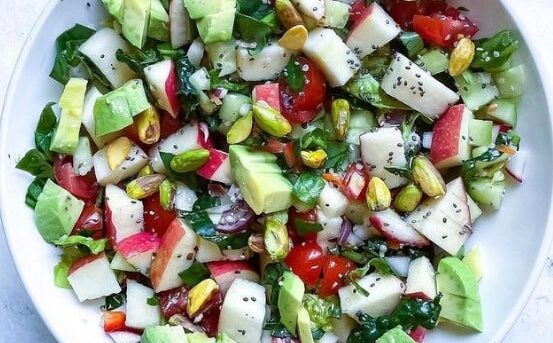
Some salads are eaten once and forgotten. And then there are salads like this Anti-Inflammatory Pickled Cucumber Onion and Bell Pepper Salad — the kind you make on a Monday and find yourself eating straight from the jar with a fork on Wednesday because it has only gotten better with every passing day. This is that salad. The one that converts people who claim they do not like salads. The one that disappears first at every gathering it attends. The one that is equal parts extraordinarily delicious and genuinely, powerfully good for your body.
This is a quick-pickled salad — meaning the vegetables are marinated in a tangy, lightly sweetened apple cider vinegar brine that partially pickles them over time, creating the most incredible sweet-sour-tangy flavor that is deeply refreshing, beautifully bright, and absolutely addictive from the very first forkful. Crisp cucumber, sweet bell peppers in multiple colors, sharp red onion, fresh dill, and fragrant garlic all bathed in this extraordinary brine that transforms them from ordinary raw vegetables into something with genuine depth, complexity, and the kind of flavor that keeps you coming back for more.
The anti-inflammatory credentials of this salad are genuinely impressive. Every single ingredient has been studied for its anti-inflammatory and antioxidant properties — the quercetin in red onion, the capsaicin and Vitamin C in bell peppers, the cucurbitacin antioxidants in cucumber, the acetic acid in apple cider vinegar that supports gut health and blood sugar regulation, the allicin in garlic, and the powerful flavonoids in fresh dill. This is food as medicine in one of the most delicious forms available.
This salad is 100% vegan, naturally gluten-free, oil-free, requires zero cooking, and actually improves with time — making it the perfect make-ahead recipe for meal prep, gatherings, and anyone who wants a ready-to-eat nourishing side dish available in their fridge all week long.
Recipe Information
| Prep Time | Marinate Time | Total Time | Servings | Calories |
|---|---|---|---|---|
| 15 mins | 30 mins | 45 mins | 6 | ~80 kcal |
Ingredients
For the Salad
- 2 large cucumbers (about 600g), thinly sliced into rounds or half moons
- 1 large red bell pepper, deseeded and thinly sliced
- 1 large yellow bell pepper, deseeded and thinly sliced
- 1 large orange bell pepper, deseeded and thinly sliced
- 1 medium red onion, very thinly sliced into half moons
- 3 cloves garlic, very thinly sliced
- 3 tbsp fresh dill, roughly chopped (or 1 tbsp dried dill)
- 2 tbsp fresh parsley, roughly chopped
- 1 tbsp fresh chives, finely sliced (optional)
- 1 small jalapeño or red chili, very thinly sliced (optional — adds a beautiful gentle heat)
For the Anti-Inflammatory Pickling Brine
- ½ cup (120ml) apple cider vinegar (with the mother for maximum probiotic benefit)
- ½ cup (120ml) water
- 2 tbsp maple syrup or agave (adjust to taste — more for sweeter, less for more tangy)
- 1 tsp salt
- ½ tsp black pepper
- ½ tsp turmeric (one of the most powerful anti-inflammatory compounds known to science)
- ½ tsp cumin seeds or ground cumin
- ¼ tsp coriander
- ¼ tsp chili flakes (optional)
- 1 tsp mustard seeds (optional — adds a beautiful pop and traditional pickling flavor)
Optional Add-ins
- ½ cup (80g) cherry tomatoes, halved
- ½ cup (80g) radishes, very thinly sliced
- ½ cup (80g) carrot, julienned or very thinly sliced
- ¼ cup (40g) kalamata olives, halved
- 2 tbsp capers, drained
- ¼ cup (35g) toasted sunflower or pumpkin seeds (add just before serving — they soften in the brine)
To Serve
- Over steamed rice or quinoa as a grain bowl
- As a side dish alongside any vegan main
- Stuffed into warm pita with hummus
- On top of avocado toast
- As a topping for grain bowls and wraps
- Alongside vegan grilled dishes at a barbecue
- As a vibrant condiment with any plant-based meal
Instructions
- Prepare the vegetables. Slice the cucumbers into thin rounds approximately 3–4mm thick — thin enough to absorb the brine quickly but thick enough to maintain their crunch. Deseed and thinly slice all three bell peppers. Slice the red onion as thinly as possible — a mandoline produces the most uniform, elegant results. Thinly slice the garlic. Slice the jalapeño if using.
- Salt the cucumber. Place the sliced cucumber in a colander, sprinkle with ½ teaspoon of salt, toss well, and allow to drain for 10 minutes. This draws out excess moisture from the cucumber and prevents the brine from becoming watered down. After 10 minutes pat the cucumber dry with kitchen paper.
- Make the anti-inflammatory pickling brine. In a medium bowl or large jar whisk together the apple cider vinegar, water, maple syrup, salt, black pepper, turmeric, cumin, coriander, chili flakes, and mustard seeds until the salt and sweetener are completely dissolved. Taste the brine — it should be pleasantly tangy, slightly sweet, and warmly spiced. Adjust the balance to your preference — more maple syrup for sweeter, more vinegar for tangier, more turmeric for extra anti-inflammatory power.
- Combine the vegetables. Place the salted and dried cucumber, sliced bell peppers, red onion, garlic, and jalapeño if using in a large bowl or a large jar with a lid.
- Pour the brine over the vegetables. Pour the pickling brine over the vegetables and toss thoroughly to coat every piece evenly. Add the fresh dill, parsley, and chives and toss again. The vegetables should be generously coated in the brine — if it does not cover everything press the vegetables down gently.
- Marinate. Cover the bowl tightly with plastic wrap or seal the jar and refrigerate for a minimum of 30 minutes — though 2 hours is significantly better and overnight is best of all. As the vegetables marinate they soften very slightly at the edges while maintaining their crunch in the center, absorb the brine flavors deeply, and the entire mixture develops into something far more complex and extraordinary than the sum of its parts.
- Toss and taste. Before serving toss the salad well to redistribute the brine and vegetables. Taste and adjust — add more maple syrup for sweetness, more vinegar for tang, or more salt for depth. The salad should be bright, tangy, slightly sweet, warmly spiced, and deeply refreshing.
- Serve. Spoon into a beautiful serving bowl ensuring every portion gets a generous amount of the brine along with the vegetables — the brine is liquid gold and should be consumed with every serving. Garnish with extra fresh dill, a scattering of toasted seeds if using, and a pinch of chili flakes for color and gentle heat.
Pro Tips for the Best Pickled Cucumber Salad
- Slice everything as thin as possible. The thinner the vegetables the faster and more deeply they absorb the pickling brine and the better the finished salad tastes. A mandoline slicer produces the most elegant, consistent results. If slicing by hand take your time and aim for even, thin slices.
- Use apple cider vinegar with the mother. Raw, unfiltered apple cider vinegar with the mother contains beneficial probiotic bacteria, enzymes, and compounds not found in clear distilled vinegar. It has a richer, more complex flavor and delivers significantly more anti-inflammatory benefit. This is worth seeking out for this recipe.
- Salt the cucumber before marinating. This step removes excess moisture from the cucumber that would dilute the brine and prevent proper pickling. It takes 10 minutes and makes a significant difference to the final texture and flavor of the finished salad.
- Use turmeric generously. Turmeric is the most powerful anti-inflammatory compound in this brine — do not reduce it. It turns the brine a beautiful golden color and adds a subtle warmth and earthiness that complements the vinegar and vegetables beautifully. Combine it with black pepper which dramatically increases the bioavailability of curcumin — the active compound in turmeric.
- Make it ahead. Unlike most salads this one genuinely improves over time. The minimum marinating time is 30 minutes but 2 hours is notably better and overnight is extraordinary. The flavors deepen, meld, and develop in the most wonderful way the longer the vegetables sit in the brine.
- Store with the brine. Always store this salad submerged in its brine — never drain it. The brine is what keeps the vegetables vibrant, flavorful, and perfectly pickled. Drained vegetables dry out and lose their extraordinary flavor within hours.
The Anti-Inflammatory Science Behind This Salad
Every ingredient in this recipe has been studied for its anti-inflammatory properties and here is what the science says:
Apple cider vinegar contains acetic acid which has been shown to reduce blood sugar spikes, support gut health through beneficial bacteria, and reduce systemic inflammation markers. Always choose raw, unfiltered ACV with the mother for maximum benefit.
Turmeric contains curcumin — one of the most extensively researched anti-inflammatory compounds in all of nutritional science. It has been shown in hundreds of clinical studies to reduce inflammatory markers, support joint health, protect brain function, and reduce the risk of chronic diseases. Black pepper increases curcumin absorption by up to 2000%.
Red onion is extraordinarily rich in quercetin — a powerful flavonoid antioxidant that has been shown to reduce histamine production, lower inflammation, support cardiovascular health, and protect against oxidative damage.
Bell peppers — particularly red and orange varieties — are among the richest plant sources of Vitamin C available, providing significantly more than citrus fruit. Vitamin C is essential for immune function and is one of the most powerful water-soluble antioxidants in the human diet.
Cucumber contains cucurbitacins and flavonoids that reduce inflammation, support kidney health, and provide powerful antioxidant protection for cells throughout the body.
Garlic contains allicin — a powerful antimicrobial and anti-inflammatory compound that has been shown to reduce blood pressure, lower cholesterol, boost immune function, and protect against cardiovascular disease.
Dill contains flavonoids including kaempferol that reduce inflammation, support digestive health, and have been studied for their antimicrobial properties.
Flavor Variations
- Greek Inspired: Add sliced kalamata olives, capers, and crumbled vegan feta to the salad. Replace the cumin and turmeric with dried oregano and a pinch of cinnamon for a Mediterranean-inspired pickled salad that is extraordinary with warm pita and hummus.
- Asian Inspired: Replace the apple cider vinegar with rice vinegar. Replace the cumin and turmeric with grated fresh ginger and sesame oil. Add thinly sliced carrot and radish and top with sesame seeds for a vibrant Asian-inspired quick pickle.
- Sweet and Spicy: Double the jalapeño, add extra chili flakes to the brine, and increase the maple syrup to 3 tablespoons for a sweet, fiery, intensely flavored version that is extraordinary as a relish or condiment alongside vegan grilled dishes.
- Herb Garden Version: Add fresh tarragon, fresh chervil, and fresh thyme to the herb mixture for a more complex, aromatic version that is particularly beautiful in early summer when fresh herbs are at their most vibrant.
Nutritional Highlights (Per Serving)
| Calories | Protein | Carbs | Fiber | Vitamin C |
|---|---|---|---|---|
| ~80 kcal | 2g | 16g | 3g | 180% DV |
This salad is one of the lowest calorie yet highest nutritional impact recipes on the entire blog. At just 80 calories per serving it delivers an extraordinary concentration of Vitamins C, K, B6, and folate along with powerful antioxidants, anti-inflammatory compounds, and probiotic benefit from the apple cider vinegar. The three bell peppers alone provide nearly double the daily recommended Vitamin C intake. This makes it one of the most outstanding weight-management friendly recipes available — deeply flavorful, satisfying, and genuinely medicinal in the most delicious possible way.
Storage
- Refrigerator: Store covered in the jar or bowl with the brine for up to 7 days. The salad improves continuously for the first 2–3 days and remains excellent through day 5–6. After day 7 the vegetables begin to soften too much and lose their crunch.
- Do not freeze: This salad is not suitable for freezing. The vegetables lose all their crunch and the brine separates completely.
- Brine reuse: The brine from finished salad is extraordinarily flavorful — use it as a salad dressing, a marinade for tofu or tempeh, a dipping sauce for spring rolls, or add to soups and stews for a bright, tangy, deeply complex flavor boost.
Frequently Asked Questions
How long does quick-pickled salad last?
This salad keeps beautifully in the refrigerator for up to 7 days when stored covered in its brine. It is genuinely one of the best make-ahead recipes available — improving in flavor for the first 2–3 days as the vegetables continue to absorb the brine more deeply.
Can I use white vinegar instead of apple cider vinegar?
White distilled vinegar produces a sharper, more intensely acidic brine with less of the complex, slightly fruity flavor of apple cider vinegar. It works but produces a notably different result. White wine vinegar or rice vinegar are both closer substitutes to apple cider vinegar in terms of flavor complexity and are excellent alternatives.
Does the turmeric stain?
Yes — turmeric stains plastic containers and light-colored surfaces permanently. Always use glass jars or bowls for this recipe and be careful when handling the brine. Turmeric stains on hands wash off with soap and water. Stains on kitchen surfaces can be removed with lemon juice or baking soda paste.
Can I add protein to make this a complete meal?
Yes — add sliced baked tofu, chickpeas, white beans, or edamame to the salad to boost the protein content significantly. Serve over a base of cooked quinoa or brown rice for a complete, nourishing grain bowl with the pickled salad as the centerpiece topping.
Is this salad suitable for people following specific diets?
Yes — this salad is naturally vegan, gluten-free, oil-free, refined sugar-free (when using maple syrup), and low calorie. It is suitable for whole food plant-based diets, anti-inflammatory diets, Mediterranean diets, and most elimination diets. Always check individual ingredients if following a specific medical dietary protocol.
Can I make this without sugar?
Yes. Replace the maple syrup with a few drops of liquid stevia or simply omit the sweetener entirely for a more intensely tangy, unsweetened brine. The salad will be noticeably more sour but still deeply flavorful and refreshing. Alternatively use ripe stone fruit juice — peach or apricot — for natural sweetness without refined sugar.
Tried this recipe? Leave a comment below and let us know how it turned out! Looking forward for more delicious recipe? Browse all our vegan recipes to keep enjoying ultimate delicious and healthy lifestyle.