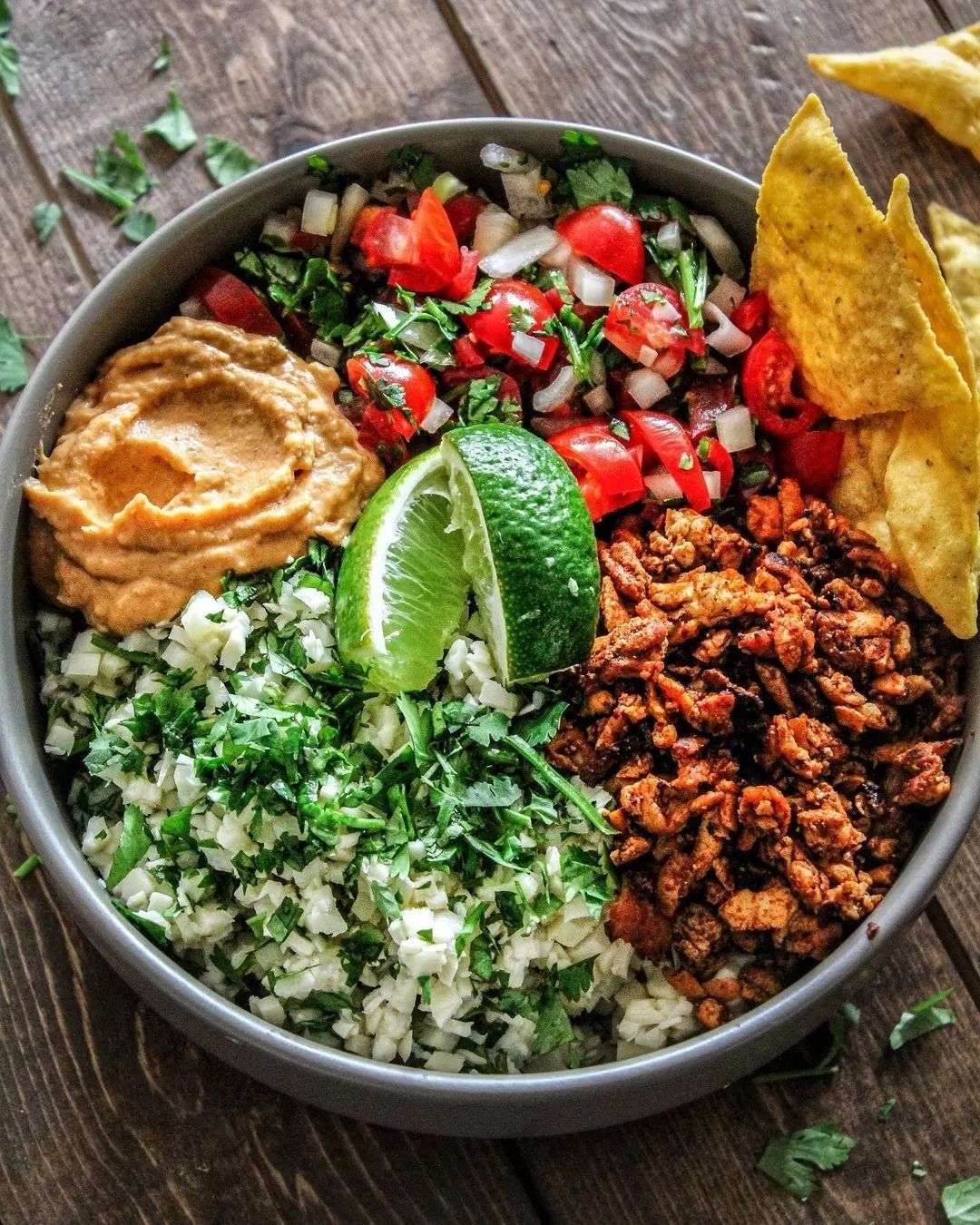
healthy vegan bowl

Vegan Lentil and Delicata Squash Salad — The Most Satisfying Plant-Based Salad You Will Make All Autumn

lentil and delicata squash salad

There are salads you make because something light is needed. And then there are salads like this Vegan Lentil and Delicata Squash Salad — the kind that is warm, substantial, and deeply satisfying, with caramelized rings of roasted delicata squash, hearty green lentils, peppery arugula, and a tangy maple Dijon dressing that ties every component together into something that feels genuinely complete as a meal. This is that salad. The one that makes people reconsider what a salad can be. The one that is as satisfying as any warm dinner but as vibrant and fresh-tasting as the finest bowl you have ever made.

Delicata squash is one of the most underused and most rewarding vegetables in autumn cooking — its thin, edible skin means it requires no peeling, its natural sweetness intensifies dramatically when roasted into caramelized rings, and its creamy, slightly chestnut-flavored flesh pairs beautifully with the earthy depth of green lentils. Together with peppery arugula, toasted pepitas, and a warm maple Dijon dressing, they create a salad that is genuinely greater than the sum of its parts.

What makes this salad so outstanding is the contrast between warm and cool, tender and crunchy, sweet and tangy — all present in every single forkful.

This recipe is 100% vegan, naturally gluten-free, ready in about 45 minutes, and absolutely wonderful served as a main course lunch or a hearty dinner salad year-round.


Recipe Information

Prep TimeCook TimeTotal TimeServingsCalories
15 mins30 mins45 mins4~340 kcal

Ingredients

For the Salad

  • 2 medium delicata squash, halved lengthwise, seeded, and sliced into 1cm rings
  • 1½ cups (300g) green or French lentils, cooked and drained
  • 4 cups (80g) arugula or mixed greens
  • ¼ cup (35g) pepitas (pumpkin seeds), toasted
  • ¼ cup (30g) dried cranberries (optional)
  • 2 tbsp olive oil, for roasting squash
  • Salt and black pepper

For the Maple Dijon Dressing

  • 3 tbsp olive oil
  • 2 tbsp apple cider vinegar
  • 1 tbsp maple syrup
  • 1 tsp Dijon mustard
  • 1 small clove garlic, grated
  • Salt and black pepper to taste

Optional Add-ins

  • Crumbled vegan feta scattered over
  • Thinly sliced red onion, pickled or raw
  • Fresh thyme leaves scattered over the squash before roasting
  • Toasted walnuts instead of pepitas

Instructions

  1. Roast the delicata squash. Preheat the oven to 425°F (220°C). Toss the sliced delicata rings with olive oil, salt, and pepper. Arrange in a single layer on a lined baking sheet and roast for 20–25 minutes, flipping halfway, until deeply caramelized and golden on both sides.
  2. Cook the lentils. If not using pre-cooked lentils, rinse the dry lentils and cook in vegetable broth or salted water for 20–25 minutes until just tender but still holding their shape. Drain and season with salt while warm.
  3. Make the dressing. Whisk together the olive oil, apple cider vinegar, maple syrup, Dijon mustard, and grated garlic until completely combined and emulsified. Season with salt and pepper.
  4. Toast the pepitas. Toast the pepitas in a dry skillet over medium heat for 2–3 minutes until lightly golden and beginning to pop. Set aside.
  5. Assemble the salad. Spread the arugula across a large serving platter or bowl. Top with the warm lentils, roasted delicata squash rings, toasted pepitas, and dried cranberries if using. Add any optional extras.
  6. Dress and serve. Drizzle the maple Dijon dressing generously over the salad. Serve immediately while the squash and lentils are still warm.

Pro Tips

  • Do not peel the delicata squash — its thin skin becomes tender and slightly caramelized during roasting and is entirely edible, saving significant prep time.
  • Roast the squash at high heat for the most caramelized, golden result — lower heat produces pale, soft squash without the caramelization that makes it so delicious.
  • Season the lentils while warm so they absorb the seasoning fully rather than tasting bland in the finished salad.
  • Dress the salad just before serving to keep the arugula from wilting.

Why Delicata Squash Is the Best Salad Squash

Unlike butternut squash, which requires peeling and cubing before roasting, delicata squash has a thin, completely edible skin that needs only a quick scrub before slicing into rings — making it one of the most convenient autumn vegetables available. Its natural sweetness intensifies dramatically during roasting, and its creamy, slightly sweet flesh is far more interesting than the more commonly used butternut in a warm salad context.


Flavor Variations

  • Butternut Squash Version: Replace delicata with roasted butternut squash cubes if delicata is unavailable.
  • Warm Spiced Version: Add a pinch of cinnamon and cumin to the squash before roasting for a warmly spiced Middle Eastern-inspired character.
  • Pomegranate Version: Replace the dried cranberries with fresh pomegranate seeds for a more vibrant, jewel-like version.

Nutritional Highlights (Per Serving)

CaloriesProteinCarbsFiberFat
~340 kcal14g44g12g13g

Storage

  • Refrigerator: Store undressed components separately for up to 3 days. Assemble and dress fresh before serving for the best texture.
  • Lentils: Store cooked lentils in an airtight container for up to 5 days — they are excellent for adding to bowls and salads throughout the week.
  • Roasted squash: Keeps refrigerated for up to 4 days. Reheat briefly in the oven or air fryer before adding to the salad.

Frequently Asked Questions

Can I use a different type of lentil?

Yes — French green lentils (Puy lentils) hold their shape best and are ideal for salads. Regular green lentils also work well. Red lentils are not recommended as they become too soft and fall apart.

Can I serve this salad cold?

Yes — it is also delicious at room temperature or cold, though the warm version with the contrast between the warm squash, lentils, and cool arugula is particularly satisfying.

Is delicata squash available year-round?

Delicata squash is primarily an autumn and winter vegetable, typically available from late summer through early winter. Butternut squash is the most widely available year-round substitute.


Tried this recipe? Leave a comment below and let us know how it turned out! Tag us on Instagram and Facebook — we love seeing your plant-powered creations. Looking for more satisfying vegan salad and bowl recipes? Browse all recipes on Easy Vegan Recipes — new recipes posted every single week!

Asian-inspired Noodle Salad with Orange Miso Ginger Dressing

asian inspired noodle salad with orange miso ginger dressing

There are salads you make because something light is needed. And then there are salads like this Asian-Inspired Noodle Salad with Orange Miso Ginger Dressing — the kind that comes together in a single bowl of such extraordinary color and texture and flavor that it is simultaneously the most beautiful and the most delicious thing on the table. This is that salad. The one with ribbons of cool soba noodles, crunchy shredded cabbage, bright edamame, julienned carrot, and thinly sliced cucumber, all tossed in a dressing so deeply savory and so brightly citrusy and so perfectly balanced between sweet, salty, tangy, and umami that you will make a double batch of it immediately for use on everything else in the refrigerator.

This recipe combines soba noodles with a colorful array of crisp, fresh vegetables and a bold, complex dressing built on white miso paste, fresh orange juice and zest, grated ginger, sesame oil, rice vinegar, and a touch of maple syrup — a combination that produces a dressing of such extraordinary complexity from such simple ingredients that it tastes like something requiring considerably more effort than it actually demands.

What makes this salad so outstanding is the dressing — the orange miso ginger combination is one of the great underused flavor pairings in plant-based cooking, providing simultaneously the deep, savory, fermented character of miso, the bright, slightly sweet citrus of fresh orange, and the clean, warming punch of fresh ginger, all balanced into something that makes every ingredient it touches taste more vibrant and more interesting.

This recipe is 100% vegan, naturally gluten-free when made with gluten-free soba or rice noodles, ready in just 25 minutes, and absolutely spectacular served immediately or chilled, making it equally outstanding as a quick weeknight dinner and a make-ahead lunch.


Recipe Information

Prep TimeCook TimeTotal TimeServingsCalories
15 mins10 mins25 mins4~340 kcal

Ingredients

For the Noodle Salad

  • 300g soba noodles or rice noodles
  • 2 cups (160g) red or green cabbage, very thinly shredded
  • 2 medium carrots, julienned or grated
  • 1 medium cucumber, halved and thinly sliced
  • 1 cup (150g) frozen edamame, thawed
  • 3 spring onions, thinly sliced
  • ¼ cup (15g) fresh cilantro, roughly chopped
  • ¼ cup (35g) roasted peanuts or cashews, roughly chopped
  • 2 tbsp sesame seeds, toasted

For the Orange Miso Ginger Dressing

  • 3 tbsp white miso paste
  • 4 tbsp fresh orange juice
  • Zest of 1 large orange
  • 2 tbsp rice vinegar
  • 2 tbsp soy sauce or tamari
  • 1 tbsp sesame oil
  • 1 tbsp maple syrup
  • 1 tbsp fresh ginger, very finely grated
  • 1 clove garlic, finely grated
  • 2–3 tbsp water, to thin to desired consistency

Optional Add-ins

  • Thinly sliced red bell pepper for extra color
  • Sliced avocado added just before serving
  • Crispy tofu cubes for extra protein
  • Shredded purple cabbage alongside the green for a more dramatic color contrast

Instructions

  1. Cook the noodles. Cook the soba noodles according to package instructions — typically 4–6 minutes in boiling water. Drain and immediately rinse under cold running water to stop the cooking and prevent sticking. Toss with a small drizzle of sesame oil to keep separate. Set aside.
  2. Make the dressing. In a small bowl whisk together the white miso paste, orange juice, orange zest, rice vinegar, soy sauce, sesame oil, maple syrup, grated ginger, and grated garlic until completely smooth and emulsified. Add water one tablespoon at a time until the dressing reaches a pourable, drizzleable consistency. Taste and adjust — more orange juice for brightness, more soy sauce for saltiness, more maple syrup for sweetness.
  3. Prepare the vegetables. Shred the cabbage as thinly as possible, julienne or grate the carrots, slice the cucumber and spring onions, and thaw the edamame if needed.
  4. Assemble the salad. In a large bowl combine the cooked noodles, shredded cabbage, carrot, cucumber, edamame, and spring onions. Pour the dressing over and toss thoroughly until every component is evenly coated.
  5. Finish and serve. Transfer to a serving bowl or platter. Scatter the fresh cilantro, chopped peanuts or cashews, and toasted sesame seeds over the top. Serve immediately or refrigerate until ready to serve.

Pro Tips

  • Rinse the soba noodles in cold water immediately after cooking — this stops the cooking process, removes surface starch that would make them sticky and clumped, and cools them to the correct temperature for a cold noodle salad.
  • Make the dressing first and let it sit while preparing everything else — the flavors deepen and meld beautifully even in 10–15 minutes.
  • Taste the dressing before adding to the salad and adjust confidently — the dressing should taste noticeably bold as it will be diluted slightly by the noodles and vegetables.
  • Add the peanuts and sesame seeds just before serving to keep them crunchy rather than softening in the dressing.

Why This Dressing Is So Extraordinary

The orange miso ginger combination works at a deep flavor chemistry level because each ingredient contributes a distinct dimension that the others cannot provide. Miso provides fermented umami depth and saltiness. Orange provides natural sweetness, acidity, and aromatic citrus compounds. Ginger provides warming, slightly peppery pungency. Sesame oil provides richness and its characteristic nutty aroma. Rice vinegar provides sharpness and brightness. Together these five elements create a dressing that satisfies on every flavor dimension simultaneously — a quality that makes food genuinely addictive rather than merely pleasant.


Flavor Variations

  • Spicy Orange Miso Salad: Add a teaspoon of chili garlic sauce or a pinch of cayenne to the dressing for a version with building heat.
  • Tofu Noodle Salad: Add cubed, pan-fried crispy tofu to the assembled salad for a more substantial, higher-protein version.
  • Mango Noodle Salad: Add thinly sliced fresh mango to the salad for a sweeter, more tropical character that pairs particularly beautifully with the orange dressing.

Nutritional Highlights (Per Serving)

CaloriesProteinCarbsFiberFat
~340 kcal14g52g6g10g

Storage

  • Refrigerator: Store the assembled salad in an airtight container for up to 2 days, though the noodles will absorb more dressing over time. For the best texture, store the components separately and assemble just before serving.
  • Dressing: The dressing keeps in a sealed jar in the refrigerator for up to 1 week and is outstanding on virtually everything — grain bowls, roasted vegetables, steamed broccoli, lettuce wraps.
  • Meal prep: This salad is excellent for meal prep when the components are stored separately — noodles, vegetables, and dressing each stored apart and assembled fresh for each serving.

Frequently Asked Questions

Can I use a different noodle instead of soba?

Yes — rice noodles, udon, ramen, or glass noodles all work well in this salad. Rice noodles make it naturally gluten-free; udon produces a chewier, more substantial result.

Can I make this salad ahead for a party?

Yes — prepare all components up to 24 hours ahead and store separately. Toss with the dressing 15–30 minutes before serving for the best texture, allowing time for the flavors to meld without the noodles becoming soggy.

What can I substitute for white miso if I can’t find it?

Yellow miso works as a direct substitute with a slightly stronger, more robust flavor. Red miso produces a more intensely savory, less sweet dressing. If miso is unavailable, a mixture of tahini, soy sauce, and a pinch of salt provides a similar fermented depth.


Tried this recipe? Leave a comment below and let us know how it turned out! Tag us on Instagram and Facebook — we love seeing your plant-powered creations. Looking for more vibrant vegan noodle and bowl recipes? Browse all recipes on Easy Vegan Recipes — new recipes posted every single week!