gluten-free vegan

Vegan Creamy Chickpea and Spinach Curry — The Most Warming Plant-Based Dinner You Will Make All Week

Vegan Creamy Chickpea and Spinach Curry

If there is one recipe that belongs permanently in your weekly dinner rotation it is this Vegan Creamy Chickpea and Spinach Curry. Rich, deeply spiced, and finished with silky coconut cream, this is the kind of meal that fills your kitchen with the most extraordinary aroma and delivers pure comfort in every single spoonful. It is everything a great curry should be — warming, satisfying, protein-packed, and ready in just 35 minutes from a single pot.

This curry is built on a foundation of pantry staples that most vegan kitchens already have on hand. Canned chickpeas provide the protein and substance. Fresh spinach adds color, nutrition, and a beautiful earthiness. Coconut cream creates the silky, luxurious sauce that makes this curry so deeply satisfying. And a carefully balanced blend of cumin, turmeric, coriander, and garam masala brings everything together into a dish that tastes like it simmered for hours.

What makes this recipe exceptional is how the flavors build in layers. The onion and garlic are cooked low and slow until deeply caramelized. The spices are bloomed in hot oil to release their full aromatic potential. The tomatoes are cooked until completely broken down into the base. And the coconut cream is added off the heat to preserve its delicate sweetness. Each step takes only minutes but together they create a curry of remarkable depth and complexity.

Whether you serve it over steamed basmati rice, alongside warm naan, or simply eat it from the pot with a large spoon because the smell made waiting impossible — this Vegan Creamy Chickpea and Spinach Curry will become one of the most requested dishes in your kitchen.


Recipe Information

Prep TimeCook TimeTotal TimeServingsCalories
10 mins25 mins35 mins4~420 kcal

Ingredients

For the Curry

  • 2 cans (800g) chickpeas, drained and rinsed
  • 5 cups (150g) fresh spinach, roughly chopped
  • 1 large white onion, finely diced
  • 6 cloves garlic, minced
  • 1 tbsp fresh ginger, grated
  • 1 can (400g) crushed tomatoes
  • 1 can (400ml) full-fat coconut cream
  • 3 tbsp olive oil or coconut oil
  • Juice of half a lemon
  • 1 tsp salt

The Spice Blend

  • 2 tsp ground cumin
  • 2 tsp ground coriander
  • 1½ tsp garam masala
  • 1 tsp turmeric
  • 1 tsp smoked paprika
  • ½ tsp chili powder
  • ¼ tsp cinnamon
  • ¼ tsp black pepper

Optional Add-ins

  • 1 medium sweet potato, diced (add with chickpeas)
  • 1 cup (150g) frozen peas (add in final 5 minutes)
  • 200g firm tofu, cubed (add with chickpeas)
  • 1 tbsp cashew butter (stir in at end for extra creaminess)

To Serve

  • Steamed basmati rice or brown rice
  • Warm vegan naan bread
  • Fresh cilantro, roughly chopped
  • Sliced red chili
  • Wedges of fresh lemon
  • Toasted cashews or almonds
  • Drizzle of coconut cream

Instructions

  1. Prepare all ingredients before you begin. Dice the onion, mince the garlic, grate the ginger, measure the spices into a small bowl, and open the canned tomatoes and coconut cream. Having everything ready makes the cooking process smooth and effortless from start to finish.
  2. Caramelize the onion. Heat the oil in a large heavy-bottomed pot over medium heat. Add the diced onion and a pinch of salt and cook for 8–10 minutes, stirring regularly, until deeply golden and caramelized. This is the most important step — properly caramelized onion creates the flavor foundation of the entire curry and cannot be rushed.
  3. Add garlic and ginger. Add the minced garlic and grated ginger to the caramelized onion and cook for 2 minutes, stirring continuously, until incredibly fragrant and the raw smell has completely cooked out.
  4. Bloom the spices. Add all the spices to the pot and stir continuously for 60–90 seconds until deeply fragrant and coating everything in a rich aromatic paste. This step activates the essential oils in the spices and creates a depth of flavor that simply cannot be achieved any other way.
  5. Cook the tomatoes down. Add the crushed tomatoes and stir well. Cook over medium-high heat for 5–6 minutes, stirring frequently, until the tomatoes have darkened and the oil begins to separate around the edges. This bhuna stage is critical for eliminating any raw tomato flavor.
  6. Add chickpeas and coconut cream. Add the drained chickpeas and stir to coat in the spiced tomato base. Pour in the coconut cream and stir to combine. Add the salt and bring to a gentle simmer. Cook for 10–12 minutes, stirring occasionally, until the sauce has thickened beautifully.
  7. Add the spinach. Add the fresh spinach in large handfuls, stirring between each addition until wilted. Cook for 2–3 minutes until all spinach is incorporated and bright green. Do not overcook.
  8. Finish and serve. Remove from heat and squeeze in the lemon juice. Taste and adjust seasoning. Serve immediately over steamed rice with warm naan, fresh cilantro, and a drizzle of additional coconut cream.

Pro Tips for the Best Vegan Chickpea Curry

  • Caramelize the onion fully. Eight to ten minutes at medium heat produces a sweetness and depth that is the defining characteristic of truly great curry. Never rush this step.
  • Bloom the spices in hot oil always. Sixty seconds of stirring spices in hot oil before adding any liquid activates their essential oils and produces rounded, complex flavors impossible to achieve any other way.
  • Cook tomatoes until oil separates. The visible separation of oil around the tomato base signals that it is properly cooked — sweet, concentrated, and ready to carry the rest of the curry.
  • Add coconut cream off the heat. High heat can cause coconut cream to split — reduce to the lowest setting before adding and stir gently and continuously.
  • Finish with lemon juice always. Added at the very end off the heat, lemon juice lifts and brightens the entire bowl in a way that makes every other flavor shine more intensely.

The Nutritional Power of This Curry

This curry is one of the most nutritionally complete plant-based meals available. Chickpeas provide 16 grams of plant-based protein per serving alongside 13 grams of dietary fiber — making every bowl deeply satisfying and genuinely sustaining for hours.

Turmeric contains curcumin — one of the most extensively studied anti-inflammatory compounds in nutritional science — with documented benefits for joint health, brain function, and cardiovascular protection. Ginger provides gingerols with potent anti-nausea and anti-inflammatory properties. Spinach delivers Vitamins K, A, C, and folate alongside iron and calcium.

Full-fat coconut cream contributes medium-chain triglycerides that provide immediate energy and support metabolic health. Together these ingredients create a curry that heals and nourishes as powerfully as it satisfies.


Flavor Variations

  • Extra Spicy: Double the chili powder and add one minced fresh green chili with the garlic for building, complex heat.
  • Butternut Squash and Chickpea: Add diced roasted butternut squash with the chickpeas for a sweet, earthy autumn version.
  • Tomato Free: Replace crushed tomatoes with additional coconut cream and 2 tablespoons of cashew butter for a lighter, creamier sauce.
  • Lemon and Herb: Replace spinach with fresh cilantro and mint stirred in completely off the heat for a brighter, fresher character.

Nutritional Highlights (Per Serving)

CaloriesProteinCarbsFiberFat
~420 kcal16g46g13g18g

Storage

  • Refrigerator: Store in an airtight container for up to 5 days. This curry improves with every passing day as the spices deepen and the chickpeas absorb more flavor. Add a splash of coconut cream or broth when reheating.
  • Freezer: Freezes beautifully for up to 3 months. Cool completely before transferring to freezer-safe containers. Thaw overnight in the refrigerator and reheat gently over medium-low heat.
  • Reheating: Always reheat gently over medium-low heat, stirring regularly. Do not boil aggressively as this can affect the coconut cream texture.

Frequently Asked Questions

Can I use dried chickpeas instead of canned?

Yes — soak 400g of dried chickpeas overnight and simmer for 45–60 minutes until tender before using. Home-cooked chickpeas have a firmer texture and absorb the curry sauce beautifully.

Can I make this less spicy?

Yes — reduce or omit the chili powder entirely and replace smoked paprika with sweet paprika for a mild, aromatic curry suitable for all heat tolerances including children.

Why did my coconut cream split?

Coconut cream splits when added to very high heat. Always reduce to the lowest setting before adding and stir continuously. If it does split the flavor is unaffected — stir vigorously over low heat to re-emulsify.

Can I use coconut milk instead of coconut cream?

Yes — use full-fat coconut milk and simmer uncovered for an additional 5 minutes to reduce and thicken. Add 2 tablespoons of cashew butter for additional richness.

What is the best rice to serve with this?

Basmati rice is the classic pairing — its long separate grains and delicate fragrance complement the rich spiced sauce perfectly. Brown basmati adds additional fiber and a nuttier flavor.

Can I make this in a slow cooker?

Yes — complete the onion caramelization and spice blooming on the stovetop first then transfer everything to the slow cooker. Cook on low for 6–8 hours. Add spinach in the final 30 minutes.


Tried this recipe? Leave a comment below and let us know how it turned out! Tag us on Instagram and Facebook — we love seeing your plant-powered creations. Looking for more warming vegan curry and dinner recipes? Browse all recipes on Easy Vegan Recipes — new recipes posted every single week!

Vegan Spinach And Lentil Soup

vegan spinach and lentil soup

There are soups you make because the weather turned cold and something warm is needed. And then there are soups like this Vegan Spinach and Lentil Soup — the kind that fills the kitchen with the most extraordinary aroma of toasted cumin and caramelized onion and garlic as it simmers, that pours into the bowl a deep, burnished amber-gold with vivid emerald spinach folded through it in a way that makes it look genuinely, beautifully alive, and that delivers with every single spoonful a warmth and nourishment so profound and so genuine that you feel it in your body as much as you taste it on your tongue. This is that soup. The one that has become a weekly ritual in households across the world. The one that is simultaneously the most effortless and the most deeply satisfying thing you will cook all week. The one that is so packed with plant-based protein, iron, fiber, and an almost overwhelming concentration of vitamins and minerals that eating it feels like a genuinely restorative act.

This is a soup of extraordinary simplicity and extraordinary depth — red lentils that cook down into a silky, naturally thickened base of remarkable richness and body, aromatic onion and garlic and ginger caramelized slowly into sweetness, a carefully chosen spice blend of cumin, turmeric, coriander, and smoked paprika that fills the soup with warmth and complexity without overwhelming the clean, earthy character of the lentils, bright lemon that lifts and sharpens everything in the bowl at the very last moment, and generous handfuls of fresh spinach stirred in at the end and wilted just enough to remain vivid and nutritionally intact while contributing their characteristic earthy mineral freshness to every spoonful.

What makes this soup so genuinely outstanding is how much it achieves from so little. Red lentils — one of the most affordable, most accessible, and most nutritionally impressive ingredients available anywhere in the world — dissolve partially during cooking to create a naturally thick, creamy, hearty soup base that requires no cream, no blending, and no thickening agents of any kind. The lentils do all the work themselves, releasing their natural starches into the broth and creating a consistency and body that feels deeply substantial and satisfying despite requiring nothing more than a pot, some water, and time.

This recipe is 100% vegan, naturally gluten-free, extraordinarily high in plant-based protein and iron, ready in just 35 minutes, made in a single pot, and absolutely spectacular served with warm crusty bread, a squeeze of fresh lemon, a swirl of good olive oil, and nothing else required because the soup itself is complete and magnificent exactly as it is.


Recipe Information

Prep TimeCook TimeTotal TimeServingsCalories
10 mins25 mins35 mins6~280 kcal

Ingredients

For the Soup

  • 2 cups (400g) red lentils, rinsed thoroughly until water runs clear
  • 6 cups (1.4 litres) good quality vegetable broth
  • 1 can (400g) crushed tomatoes
  • 5 cups (150g) fresh spinach, roughly chopped (or 250g frozen spinach, thawed and squeezed)
  • 1 large white or yellow onion, finely diced
  • 6 cloves garlic, minced
  • 1 tbsp fresh ginger, peeled and finely grated
  • 3 tbsp olive oil
  • Juice of 1 large lemon
  • 1 tsp salt, plus more to taste
  • Black pepper to taste

The Spice Blend

  • 2 tsp ground cumin
  • 1½ tsp turmeric
  • 1 tsp ground coriander
  • 1 tsp smoked paprika
  • ½ tsp chili powder or cayenne (adjust to heat preference)
  • ¼ tsp cinnamon
  • ¼ tsp black pepper

Optional Add-ins

  • 1 medium sweet potato, peeled and diced (adds beautiful sweetness)
  • 1 can (400g) chickpeas, drained (adds extra protein and texture)
  • 1 medium carrot, diced (adds sweetness and body)
  • 2 stalks celery, diced (adds depth)
  • 1 medium zucchini, diced
  • ¼ cup (15g) fresh cilantro, roughly chopped (stir in at end)
  • 1 tbsp tahini (swirl in at end for creaminess)

For the Crispy Spiced Oil Topping (Optional but Extraordinary)

  • 3 tbsp olive oil
  • 1 tsp cumin seeds
  • ½ tsp smoked paprika
  • ¼ tsp chili flakes
  • 2 cloves garlic, thinly sliced

To Serve

  • Warm crusty sourdough or flatbread
  • A generous squeeze of fresh lemon
  • Drizzle of best quality extra virgin olive oil
  • Fresh cilantro or parsley, roughly chopped
  • Chili flakes for heat and color
  • Vegan yogurt or coconut cream swirled on top
  • The crispy spiced oil drizzled over the surface

Instructions

  1. Rinse the lentils thoroughly. Place the red lentils in a fine mesh sieve and rinse under cold running water for a full 2 minutes, stirring with your fingers, until the water runs completely clear. Rinsing removes surface starches and any dust or debris and produces a cleaner-tasting, clearer finished soup. Red lentils cook very quickly and do not require soaking — they are ready to cook immediately after rinsing.
  2. Build the aromatic base. Heat the olive oil in a large heavy-bottomed pot or Dutch oven over medium heat until shimmering. Add the finely diced onion and a generous pinch of salt and cook for 6–8 minutes, stirring regularly, until the onion is deeply golden, soft, and beginning to caramelize at the edges. This step cannot be rushed — properly caramelized onion is the flavor foundation of the entire soup and the depth of sweetness it provides is completely irreplaceable. Add the minced garlic and grated ginger and cook for a further 2 minutes until incredibly fragrant.
  3. Bloom the spice blend. Add all the spices — cumin, turmeric, coriander, smoked paprika, chili powder, cinnamon, and black pepper — to the caramelized onion and stir continuously for 60–90 seconds until the spices are deeply fragrant, darkened slightly, and coating everything in the pot in a rich, aromatic paste. Blooming the spices in the hot oil activates their essential oils and deepens their flavor dramatically — this single step is responsible for a significant portion of the extraordinary depth of the finished soup.
  4. Add tomatoes and cook down. Pour in the crushed tomatoes and stir well to combine with the spiced onion base. Cook over medium-high heat for 3–4 minutes, stirring frequently, until the tomatoes have darkened slightly and the oil begins to separate around the edges of the mixture — this brief cooking concentrates the tomato flavor and removes any raw, acidic taste that would otherwise carry through to the finished soup.
  5. Add lentils and broth. Add the rinsed red lentils and stir to coat thoroughly in the spiced tomato base. Pour in the vegetable broth and stir well to combine. Bring to a vigorous boil over high heat then reduce to a steady simmer. Cook uncovered for 18–22 minutes, stirring occasionally, until the lentils have completely dissolved and the soup has thickened to a rich, creamy, naturally thick consistency. Red lentils break down completely during cooking — there should be virtually no whole lentil pieces remaining in the finished soup.
  6. Add the spinach. Reduce the heat to medium and add the fresh spinach in three or four large handfuls, stirring between each addition to allow the spinach to wilt into the soup before adding more. Cook for 2–3 minutes until all the spinach is wilted and incorporated. Do not overcook the spinach — it should remain bright green and slightly textured rather than turning grey and mushy. The vivid green of the spinach against the golden soup is one of the most beautiful visual qualities of this dish.
  7. Finish with lemon and adjust seasoning. Remove from heat and squeeze in the lemon juice — this final addition is non-negotiable. The acid from the lemon lifts and brightens the entire flavor profile of the soup dramatically, cutting through the richness of the lentils and amplifying every spice note simultaneously. Taste and adjust the seasoning generously with additional salt, black pepper, lemon juice, or chili powder. The finished soup should taste deeply savory, warmly spiced, slightly tangy from the lemon, and intensely satisfying.
  8. Make the crispy spiced oil topping. If using heat the olive oil in a small skillet over medium heat. Add the cumin seeds and cook for 30 seconds until they begin to pop and are fragrant. Add the sliced garlic and cook for 60–90 seconds until golden at the edges — watching carefully as garlic can burn quickly. Remove from heat and add the smoked paprika and chili flakes — the residual heat will bloom the spices without burning them. Drizzle immediately over the served soup for an extraordinary finishing touch.
  9. Serve beautifully and generously. Ladle the soup into warmed bowls and finish each serving with a generous squeeze of additional lemon juice, a drizzle of best quality extra virgin olive oil or the crispy spiced oil, a scattering of fresh cilantro or parsley, chili flakes for color, and a swirl of vegan yogurt or coconut cream if desired. Serve immediately with warm bread alongside for the most complete and satisfying meal imaginable.

Pro Tips for the Most Extraordinary Vegan Lentil Soup

  • Caramelize the onion fully and without rushing. The single most important step in this soup is cooking the onion to genuine caramelization — deep golden, soft, and sweet rather than merely translucent. This takes 6–8 minutes at medium heat and produces a depth of sweetness and complexity that is the defining flavor characteristic of a truly great lentil soup. A hurried, undercooked onion produces a flat, one-dimensional soup. A properly caramelized onion produces something genuinely extraordinary.
  • Bloom the spices in hot oil before adding liquid. This is the technique that separates a great spiced soup from an ordinary one. The fat-soluble flavor compounds in spices are activated and intensified by contact with hot oil in a way that contact with water cannot replicate. 60–90 seconds of continuous stirring in hot oil before adding any liquid produces spice flavors of dramatic depth and complexity.
  • Cook the tomatoes until the oil separates. The brief period of cooking the tomatoes until the oil visibly separates and pools around the edges signals that the tomato base is properly cooked — sweet, concentrated, and free of the raw, tinny flavor that undercooked tomato contributes. This takes 3–4 minutes of active cooking and is completely worth the time.
  • Add the lemon juice off the heat at the very end. Lemon juice added during cooking loses its brightness and fresh citrus character during simmering. Added at the very end off the heat it retains its full, vibrant acidity and transforms the flavor of the entire bowl — cutting through the earthiness of the lentils and lifting every spice note simultaneously. Never add it earlier than the final moment.
  • Make the crispy spiced oil topping. This optional but extraordinary finishing step — warm olive oil infused with cumin seeds, golden garlic, smoked paprika, and chili flakes drizzled over the bowl at the moment of serving — adds a layer of aromatic warmth, visual drama, and textural interest that elevates a very good soup into something genuinely spectacular. It takes less than three minutes and makes an enormous difference to the finished result.
  • Season in layers throughout cooking. Adding all the salt at the end of cooking produces a one-dimensional, surface seasoning. Adding a pinch with the onion, seasoning again after the tomatoes, and tasting and adjusting throughout produces a soup where the seasoning is integrated into every layer of flavor — deeply and uniformly seasoned rather than merely salty on the surface.

The Extraordinary Nutritional Power of Red Lentils

Red lentils are one of the most nutritionally impressive foods available anywhere in the plant kingdom — and the casual accessibility and extraordinary affordability of this ingredient makes them one of the most important foods in plant-based cooking.

A single serving of this soup provides approximately 18 grams of plant-based protein from the lentils alone — equivalent to a significant portion of the daily protein requirement for most adults and comparable to the protein content of a substantial serving of chicken or fish. Lentils achieve this remarkable protein density while simultaneously providing virtually no saturated fat — making them nutritionally superior to animal protein sources for cardiovascular health in every meaningful metric.

The iron content of red lentils is one of their most important and most underappreciated qualities. A single serving of this soup provides approximately 6–8mg of non-heme iron — representing 30–45% of the daily recommended intake for adult women and up to 75% for adult men. The addition of lemon juice at the end of cooking is not merely a flavor decision — the Vitamin C in lemon juice dramatically increases the bioavailability of the non-heme iron in the lentils through a specific chemical interaction that converts the iron to its more absorbable ferrous form. This is why the lemon juice is non-negotiable in this recipe from a nutritional as well as a culinary perspective.

The fiber content of this soup is equally extraordinary. A single serving provides approximately 12 grams of dietary fiber — nearly half the daily recommended intake — including both soluble fiber that feeds beneficial gut bacteria and reduces cholesterol absorption, and insoluble fiber that promotes healthy digestive transit and reduces the risk of colorectal cancer.

Turmeric — used generously in the spice blend — provides curcumin with its well-documented anti-inflammatory properties. Cumin contributes thymoquinone with antioxidant and anti-inflammatory properties alongside enhanced iron absorption from its naturally occurring compounds. Ginger provides gingerols and shogaols with potent anti-nausea, anti-inflammatory, and immune-supporting properties. Spinach provides Vitamins K, A, C, and folate alongside iron and calcium. Together these ingredients create a soup of extraordinary medicinal as well as culinary value.


Flavor Variations

  • Coconut Lentil Soup: Replace one cup of the vegetable broth with full-fat coconut cream and add a teaspoon of curry powder to the spice blend for a richer, creamier, more tropical version with a beautiful golden color and a subtle sweetness from the coconut that is particularly extraordinary with fresh cilantro and toasted coconut flakes on top.
  • Moroccan Lentil Soup: Add half a teaspoon of ras el hanout, a pinch of saffron dissolved in hot water, and a quarter cup of dried apricots roughly chopped to the soup for a Moroccan-inspired version with extraordinary complexity and a beautiful sweet-savory balance that is spectacular with warm flatbread and a dollop of harissa.
  • Lemon and Herb Finished: Stir in a generous handful of fresh cilantro, fresh parsley, and fresh mint at the very end alongside the lemon juice for a brighter, more herbaceous version with a beautiful freshness that lifts the earthy lentil base into something lighter and more vibrant — particularly beautiful in spring and summer.
  • Chunky Vegetable Version: Add diced sweet potato, carrot, and celery with the lentils for a chunkier, more substantial version with additional sweetness from the vegetables and a more complex textural experience — perfect for anyone who prefers a heartier soup with more body and variety in every spoonful.

Nutritional Highlights (Per Serving)

CaloriesProteinCarbsFiberFat
~280 kcal18g40g12g6g

At just 280 calories per serving this soup delivers one of the most impressive nutritional profiles of any single dish in plant-based cooking — 18 grams of plant-based protein, 12 grams of dietary fiber, and an extraordinary concentration of iron, folate, potassium, magnesium, and B vitamins from the red lentils alongside Vitamins K, A, and C from the spinach, powerful anti-inflammatory compounds from the turmeric and ginger, and meaningful antioxidant protection from the smoked paprika and tomatoes. This is food that heals as it nourishes — a soup of genuine medicinal character that happens also to be one of the most deeply comforting and satisfying bowls imaginable.


Storage

  • Refrigerator: Store cooled soup in an airtight container in the refrigerator for up to 6 days. This soup is one of those genuinely extraordinary recipes that improves significantly with every passing day — the spices deepen and bloom further during storage and the lentils continue to absorb the surrounding flavors producing an even richer, more complex soup by day 3 than on the day it was made. Add a splash of vegetable broth when reheating as the soup thickens considerably during refrigeration.
  • Freezer: This soup freezes beautifully for up to 4 months — making it one of the finest batch-cooking recipes available. Cool completely before transferring to freezer-safe containers in individual or family-sized portions. Thaw overnight in the refrigerator and reheat gently in a pot over medium heat, stirring frequently and adding vegetable broth or water to restore the original consistency. The flavor is virtually indistinguishable from freshly made after freezing and thawing.
  • Meal prep: This soup is one of the most outstanding meal prep recipes available — make a full pot on Sunday and have genuinely nourishing, deeply satisfying lunches and dinners available for the entire week with zero additional cooking effort. Portion into individual containers, refrigerate, and reheat as needed throughout the week.
  • Reheating: Reheat over medium heat in a pot with a generous splash of vegetable broth or water, stirring regularly. The soup will be significantly thicker after refrigeration — thin to the desired consistency with additional liquid before serving. Do not boil aggressively during reheating as this can affect the texture of the lentils.

Frequently Asked Questions

Can I use green or brown lentils instead of red?

Yes — green and brown lentils produce a different but equally delicious soup. They do not dissolve during cooking the way red lentils do — they retain their shape and produce a chunkier, more textured soup with a slightly earthier, more robust flavor. Green and brown lentils also take longer to cook — approximately 35–40 minutes rather than the 18–22 minutes needed for red lentils. Both are nutritionally outstanding choices.

Why did my lentil soup turn out too thick?

Red lentils absorb liquid voraciously during cooking and particularly during storage — a soup that seems perfectly consistency when cooked can become very thick indeed after refrigeration. Add additional vegetable broth or water in generous splashes during cooking or reheating and stir well to incorporate until the desired consistency is achieved. The soup will continue to thicken as it cools — aim for a slightly thinner consistency than desired when hot.

Can I make this soup in an Instant Pot?

Yes — this soup adapts beautifully to pressure cooker preparation. Sauté the aromatics and bloom the spices using the sauté function then add the rinsed lentils, broth, and tomatoes. Cook on high pressure for 12 minutes followed by a natural pressure release of 10 minutes. Add the spinach and lemon juice after releasing pressure and stir until the spinach wilts. The result is a soup of identical flavor to the stovetop version produced in significantly less time.

Is this soup suitable for freezing with the spinach already added?

Yes — spinach freezes well in this soup without any significant degradation in flavor or texture after thawing. The spinach will be slightly softer after freezing and reheating than when freshly added but still delicious and nutritionally intact. For the most vibrant color and freshest flavor in a reheated frozen soup stir in a fresh handful of spinach during reheating rather than relying on the spinach that was frozen with the soup.

How do I make this soup more filling?

For a more substantial meal stir in a drained can of chickpeas in the final 5 minutes of cooking — the combination of red lentils and chickpeas produces a soup of extraordinary protein density and incredible staying power. Serving with a thick slice of seeded sourdough bread adds complex carbohydrates and additional fiber. A swirl of tahini stirred in at the end adds healthy fats that promote satiety and give the soup a beautiful creamy richness.

Can I make this soup without tomatoes?

Yes — replace the crushed tomatoes with an additional cup of vegetable broth and add a tablespoon of tomato paste for concentrated flavor without the bulk of canned tomatoes. The soup will be lighter in color and slightly less complex in flavor but still deeply delicious. Alternatively replace the tomatoes with a cup of roasted red pepper purée for a sweeter, more vibrant version with a beautiful color and a different but equally appealing flavor character.


Tried this recipe? Leave a comment below and let us know how it turned out! Tag us on Instagram and Facebook — we love seeing your plant-powered creations. Looking for more warming, nourishing vegan soup and dinner recipes? Browse all recipes on Easy Vegan Recipes — new recipes posted every single week!
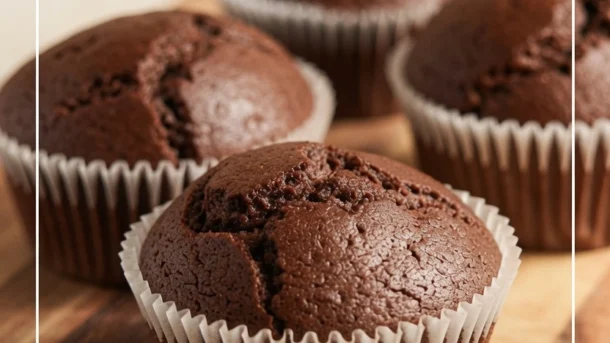
Vegan Chocolate Tart

vegan chocolate tart

There are desserts that impress. And then there are desserts like this Vegan Chocolate Tart — the kind that silences a room the moment it is set on the table, that makes people lean forward before they have even been served a slice, that delivers with every single forkful a depth of chocolate flavor so intense, so pure, and so completely satisfying that the word dessert feels wholly inadequate. This is that tart. The one that looks like it came from a Parisian patisserie window. The one that tastes like the finest chocolate truffle you have ever eaten but in slice form. The one that no one believes for a single second is entirely plant-based until you tell them — and even then they ask you to say it again.

This is a tart of extraordinary elegance and extraordinary simplicity. A buttery, crisp chocolate shortcrust pastry shell — made from almond flour, coconut oil, and raw cacao — filled with a ganache of such silky, glossy, intensely chocolatey perfection that it sets in the refrigerator into something that is simultaneously firm enough to slice cleanly and yielding enough to melt completely on the tongue within seconds. The ganache is made from just three ingredients — dark vegan chocolate, full-fat coconut cream, and a touch of maple syrup — and it is one of the most extraordinary things you will ever make from three ingredients.

What makes this tart so genuinely outstanding is the quality of its restraint. There is nothing superfluous here. No unnecessary ingredients competing for attention. No elaborate techniques masking mediocre flavors. Just the finest dark chocolate you can find, treated with the respect it deserves, allowed to be exactly what it is — extraordinary — in the most beautiful vessel possible.

This recipe is 100% vegan, naturally gluten-free when made with almond flour, ready in just 30 minutes of active preparation plus chilling time, and absolutely magnificent served with fresh raspberries, a dusting of flaky sea salt, and a scoop of vegan vanilla ice cream.


Recipe Information

Prep TimeCook TimeChill TimeServingsCalories
20 mins12 mins2 hours8~380 kcal

Ingredients

For the Chocolate Tart Shell

  • 2 cups (200g) almond flour
  • 3 tbsp raw cacao powder or cocoa powder
  • 3 tbsp coconut oil, melted
  • 2 tbsp maple syrup
  • 1 tsp pure vanilla extract
  • Pinch of salt

For the Chocolate Ganache Filling

  • 300g vegan dark chocolate (70% cocoa or higher — quality is everything here)
  • 1 can (400ml) full-fat coconut cream
  • 2 tbsp maple syrup
  • 1 tsp pure vanilla extract
  • ¼ tsp fine sea salt
  • 1 tbsp coconut oil (for extra gloss)

Optional Toppings

  • Fresh raspberries or strawberries
  • Flaky sea salt scattered over the surface
  • Edible gold leaf for extraordinary occasions
  • Freeze-dried raspberry powder dusted over
  • Vegan white chocolate drizzle for visual contrast
  • Toasted crushed hazelnuts or almonds around the edge
  • Fresh mint leaves
  • Cocoa powder dusted through a fine sieve

To Serve

  • Vegan vanilla ice cream
  • Vegan whipped coconut cream
  • Fresh berry compote
  • A drizzle of raspberry coulis
  • Strong espresso or coffee alongside

Instructions

  1. Preheat the oven and prepare the tin. Preheat your oven to 350°F (175°C). Grease a 23cm (9-inch) loose-bottomed tart tin generously with coconut oil — the loose bottom is essential for removing the finished tart cleanly and presenting it beautifully. Line the base with a circle of parchment paper for additional insurance.
  2. Make the chocolate tart shell. In a large bowl combine the almond flour, cacao powder, and salt. Whisk together until evenly combined and lump-free. Add the melted coconut oil, maple syrup, and vanilla extract and mix with a fork until the mixture comes together into a soft, slightly sticky dough that holds its shape when pressed. The dough should feel like slightly damp sand — firm enough to press into the tin but not so wet that it sticks to your fingers excessively.
  3. Press the shell into the tin. Transfer the dough to the prepared tart tin and press evenly across the base and up the sides using your fingers and the back of a spoon — working to achieve a completely uniform thickness of approximately 4–5mm throughout. Pay particular attention to the corners where the base meets the sides — these areas tend to be thicker than the rest and will take longer to cook if left too thick. Use a flat-bottomed glass to smooth and compress the base for the most even result.
  4. Blind bake the shell. Prick the base all over with a fork — approximately 20 pricks across the surface — to prevent the base from puffing during baking. Place in the preheated oven and bake for 10–12 minutes until the shell is set, dry to the touch, and smells deeply of toasted chocolate. It should feel firm when gently pressed in the center. Do not overbake — the shell will firm further as it cools and an overbaked almond flour shell becomes brittle and crumbly. Allow to cool completely in the tin before adding the filling.
  5. Make the chocolate ganache. Place the chopped dark chocolate in a large heatproof bowl. Pour the full-fat coconut cream into a small saucepan and heat over medium heat until it just reaches a simmer — small bubbles appearing around the edges of the pan. Do not allow it to boil vigorously. Pour the hot coconut cream immediately over the chopped chocolate and leave completely undisturbed for 3 full minutes — this resting time allows the heat of the cream to melt the chocolate gently and evenly without the need for stirring.
  6. Emulsify the ganache. After 3 minutes begin stirring from the center of the bowl outward in slow, deliberate circular motions — never beating or whisking which incorporates air and dulls the glossy surface. Stir until the ganache is completely smooth, uniformly glossy, and flowing like liquid silk. Add the maple syrup, vanilla extract, salt, and coconut oil and stir gently to incorporate. The finished ganache should be deeply glossy, completely smooth, and intensely fragrant of dark chocolate.
  7. Pour the ganache into the shell. Pour the warm ganache into the completely cooled tart shell in a single, slow, steady pour — starting from the center and allowing it to flow outward to the edges naturally. Tap the tin gently on the counter three or four times to release any air bubbles and level the surface. If any bubbles remain on the surface pass a kitchen torch briefly over them or touch each one with the tip of a toothpick to break them.
  8. Add toppings and chill. Arrange any desired toppings — fresh raspberries, a scatter of flaky sea salt, a dusting of freeze-dried raspberry powder — over the surface of the ganache while it is still warm and fluid enough to hold them in place. Transfer to the refrigerator and chill for a minimum of 2 hours — ideally 4 hours or overnight — until the ganache is completely set and firm enough to slice cleanly.
  9. Unmould and serve beautifully. Remove the tart from the refrigerator 15 minutes before serving — allowing it to come slightly toward room temperature improves both the texture and the flavor of the ganache dramatically. Place the tart tin on a tall glass or can and allow the outer ring to drop away. Slide onto a serving plate or cake stand. Slice with a sharp knife dipped in hot water and wiped dry between each cut for the cleanest, most professional slices. Serve with vegan vanilla ice cream or whipped coconut cream alongside.

Pro Tips for a Perfect Vegan Chocolate Tart

  • Use the best quality dark chocolate you can afford. The ganache is three ingredients — the chocolate is the overwhelming majority of the flavor. A mediocre chocolate produces a mediocre ganache regardless of technique. Look for dark chocolate with a minimum of 70% cocoa solids, a short ingredients list, and ideally single-origin cacao for the most complex, nuanced flavor.
  • Heat the coconut cream to a simmer — not a boil. Boiling coconut cream can cause the fat to separate from the liquid, producing a grainy, split ganache rather than the silky, emulsified result this recipe achieves. Heat just until the first small bubbles appear around the edges then pour immediately.
  • Rest the cream on the chocolate for the full 3 minutes. This resting period — without touching, stirring, or disturbing the mixture — allows the heat of the cream to distribute evenly through the chocolate and melt it gently from the outside in. Stirring too soon while the chocolate is still partially unmelted produces a grainy, lumpy ganache.
  • Stir from the center outward in slow circles. This specific stirring technique — starting at the center and moving outward in slow, deliberate circles — produces a perfectly emulsified ganache with maximum gloss. Stirring vigorously or in random directions incorporates air and produces a matte, duller surface.
  • Cool the shell completely before filling. A warm shell causes the ganache to melt and absorb into it rather than sitting in a clean, defined layer above it. The shell must be at room temperature — ideally slightly cool — before the ganache is poured.
  • Dip the knife in hot water between slices. This professional technique produces clean, sharp slices with the ganache cut rather than dragged. Dip, wipe dry, cut, repeat — the difference in presentation between slices cut with a dry knife and slices cut with a hot, dry knife is significant and completely worth the extra 5 seconds per slice.

The Art and Science of Chocolate Ganache

Ganache is one of the most elegant preparations in all of confectionery — and understanding the science behind it explains why this three-ingredient filling is so extraordinarily good and why the specific technique used to make it matters so much.

Ganache is an emulsion — a stable suspension of fat droplets in a water-based liquid — created when the fat in chocolate and the fat in cream are combined in the presence of the emulsifying compounds naturally present in cocoa. The lecithin in dark chocolate acts as a natural emulsifier, allowing the fat and water phases to combine into a smooth, stable, glossy liquid that sets to a firm, silky solid as it cools.

The quality of the emulsion — and therefore the quality of the finished ganache — depends entirely on the technique used to create it. Stirring from the center outward in slow circles begins the emulsification process at the point of highest fat concentration in the bowl and gradually incorporates the surrounding liquid into a stable emulsion. Beating or whisking incorporates air into the mixture, disrupts the emulsion structure, and produces a ganache that is matte rather than glossy and grainy rather than silky.

The ratio of chocolate to cream in this recipe — approximately 300g of chocolate to 400ml of coconut cream — produces a ganache that is soft enough to pour and spread easily when warm but firm enough to slice cleanly after chilling. A higher chocolate-to-cream ratio produces a firmer ganache suitable for truffles. A lower ratio produces a pourable sauce. This specific ratio is calibrated for a tart filling that holds its shape when sliced while melting completely on the tongue within seconds of tasting.

The coconut cream in this recipe performs identically to dairy cream in the ganache-making process — its fat content, water content, and temperature behavior are sufficiently similar to dairy cream that the emulsification chemistry proceeds in exactly the same way. The subtle sweetness of the coconut complements rather than competes with the bitterness of the dark chocolate, adding a gentle tropical note that makes this vegan ganache arguably more interesting in flavor than its dairy counterpart.


Flavor Variations

  • Salted Caramel Chocolate Tart: Before pouring the chocolate ganache spread a generous layer of salted date caramel over the cooled tart shell. Pour the ganache over the caramel layer and chill as directed for a tart with a molten caramel surprise beneath the chocolate that is one of the most extraordinary dessert combinations imaginable.
  • Raspberry Chocolate Tart: Arrange a layer of fresh raspberries over the cooled tart shell before pouring the ganache — the berries will be suspended in the chocolate as it sets, creating a tart with a beautiful ruby interior and a bright, fruity tartness that cuts through the richness of the chocolate perfectly.
  • Mint Chocolate Tart: Add half a teaspoon of pure peppermint extract to the ganache in place of the vanilla for a mint chocolate tart with a cool, refreshing character that is particularly spectacular decorated with fresh mint leaves and a dusting of cacao powder.
  • Orange Chocolate Tart: Add the zest of two large oranges and a tablespoon of Grand Marnier or fresh orange juice to the ganache for a version inspired by the classic chocolate-orange combination — particularly spectacular served with candied orange peel decorating the surface.

Nutritional Highlights (Per Serving)

CaloriesProteinCarbsFiberFat
~380 kcal7g28g5g28g

At 380 calories per serving this tart delivers genuine indulgence alongside meaningful nutrition from its whole food ingredients. The almond flour shell provides protein, healthy monounsaturated fats, Vitamin E, and magnesium alongside its buttery, crisp texture. The dark chocolate filling provides an extraordinary concentration of flavonoid antioxidants — particularly epicatechin and catechin — that have been studied for cardiovascular protective properties, blood pressure reduction, and mood enhancement through serotonin stimulation. The coconut cream contributes medium-chain triglycerides alongside the richness that makes this tart so deeply satisfying.


Storage

  • Refrigerator: Store the tart covered loosely with plastic wrap in the refrigerator for up to 5 days. Remove 15 minutes before serving to allow the ganache to soften slightly to the perfect texture. The tart actually improves on day 2 as the flavors deepen and the ganache reaches its ideal texture.
  • Freezer: This tart freezes beautifully for up to 2 months. Freeze without toppings — add fresh toppings after thawing. Freeze sliced or whole on a baking sheet until solid then wrap tightly in plastic wrap and foil. Thaw overnight in the refrigerator.
  • Room temperature: The tart can be kept at cool room temperature for up to 4 hours for serving at a dinner party — the ganache softens to an extraordinarily luxurious, almost mousse-like texture at room temperature that is in some ways even more spectacular than the firmer refrigerator version.
  • Individual slices: Slice the tart before storing for the most convenient serving system — individual slices wrapped in parchment paper keep perfectly in the refrigerator for up to 5 days and make an extraordinary make-ahead dessert for dinner parties or special occasions.

Frequently Asked Questions

Can I make this tart without a tart tin?

Yes — a springform cake tin of similar diameter works well as an alternative. The sides will be straight rather than fluted but the tart will be equally delicious. Individual tart tins — 8–10cm diameter — produce beautiful personal-sized tarts that are particularly elegant for dinner party desserts.

Why did my ganache turn grainy?

A grainy ganache is caused by one of three things — the cream was too hot when poured over the chocolate causing the cocoa butter to separate, the mixture was stirred too vigorously incorporating air and disrupting the emulsion, or the cream and chocolate were not at compatible temperatures when combined. If the ganache seizes or turns grainy add a tablespoon of warm coconut cream and stir gently from the center — this usually rescues the emulsion and restores smoothness.

Can I use milk chocolate instead of dark?

Yes — vegan milk chocolate produces a sweeter, creamier, less intense ganache that is particularly appealing to anyone who finds dark chocolate too bitter. Reduce the maple syrup to one tablespoon as milk chocolate is significantly sweeter than dark. The finished tart will be lighter in color and flavor with a more approachable, crowd-pleasing character.

How do I know when the tart shell is properly baked?

The shell is properly baked when it is set and dry to the touch, the edges have pulled very slightly away from the sides of the tin, and the kitchen smells of toasted chocolate and almond. It should feel firm when very gently pressed in the center but not hard or brittle. Remember it will firm further as it cools — a shell that feels slightly soft when hot will be perfectly crisp when cool.

Can I make this tart nut-free?

Yes — replace the almond flour with oat flour made from blending rolled oats to a fine powder in a food processor. Add an additional tablespoon of coconut oil to compensate for the lower fat content of oat flour. The shell will be slightly less rich than the almond flour version but still delicious and completely nut-free.

Can I make the ganache without coconut cream?

Yes — any high-fat plant milk works in ganache making though the results vary. Oat cream produces a good result with a neutral flavor. Cashew cream — made from blended soaked cashews with water — produces an extraordinarily rich, neutral-tasting ganache that many consider superior to the coconut cream version. Avoid low-fat plant milks which do not contain sufficient fat to properly emulsify with the chocolate.


Tried this recipe? Leave a comment below and let us know how it turned out! Tag us on Instagram and Facebook — we love seeing your plant-powered creations. Looking for more stunning vegan dessert recipes? Browse all recipes on Easy Vegan Recipes — new recipes posted every single week!

Crispy Vegan Roasted Cauliflower

crispy vegan roasted cauliflower

There are vegetables that surprise you. And then there are vegetables like this Crispy Vegan Roasted Cauliflower — the kind that comes out of the oven so deeply golden, so shatteringly crispy at the edges, so intensely caramelized and nutty and complex in flavor that people who claim to dislike cauliflower eat three portions before they realize what has happened. This is that cauliflower. The one that converts skeptics. The one that makes people understand — perhaps for the first time — what cauliflower is actually capable of when it is treated not as a pale, watery substitute for something more exciting but as the genuinely extraordinary vegetable it is in its own right, roasted at high heat with proper seasoning until it becomes something that borders on magnificent.

This is roasted cauliflower taken to its absolute furthest possible expression — florets cut to maximize surface area, dried thoroughly to eliminate the surface moisture that is the enemy of crispiness, tossed in a coating of olive oil, nutritional yeast, smoked paprika, garlic, and turmeric that caramelizes in a screaming hot oven into a crust of extraordinary flavor and texture, and roasted with sufficient space on the pan that every single floret develops that specific combination of crispy, golden exterior and tender, yielding interior that makes roasted cauliflower so deeply satisfying to eat.

What makes this recipe so genuinely outstanding is the nutritional yeast coating. Two tablespoons of nutritional yeast added to the seasoning blend does three remarkable things simultaneously — it adds a deep, savory, genuinely cheesy flavor that amplifies every other spice in the blend, it creates a coating that sets to an extraordinary golden crust in the hot oven, and it contributes a concentration of B vitamins and protein that makes these florets nutritionally significant as well as completely delicious. Combined with smoked paprika for depth, garlic for pungency, turmeric for its extraordinary golden color and anti-inflammatory properties, and a touch of cayenne for building warmth — this coating transforms ordinary cauliflower into something genuinely spectacular.

This recipe is 100% vegan, naturally gluten-free, ready in just 30 minutes, and absolutely spectacular served as a side dish, piled into grain bowls, tucked into tacos, scattered over salads, or eaten directly from the baking sheet standing at the kitchen counter because the smell made waiting for anything else completely impossible.


Recipe Information

Prep TimeCook TimeTotal TimeServingsCalories
10 mins22 mins32 mins4~160 kcal

Ingredients

For the Cauliflower

  • 1 large head cauliflower (approximately 900g), cut into florets
  • 3 tbsp olive oil
  • 2 tbsp nutritional yeast
  • 1 tsp smoked paprika
  • 1 tsp garlic powder
  • ½ tsp turmeric
  • ½ tsp onion powder
  • ¼ tsp cayenne pepper
  • 1 tsp fine salt
  • ½ tsp black pepper
  • 1 tbsp cornstarch (the secret to extra crispiness)

Optional Seasonings

  • 1 tsp cumin (adds beautiful earthiness)
  • 1 tsp dried oregano
  • ½ tsp chili flakes
  • 1 tbsp lemon zest (add after roasting)
  • 1 tsp curry powder (for an Indian inspired version)
  • 2 tbsp tahini drizzled over after roasting

For the Lemon Herb Finishing Sauce

  • 3 tbsp tahini
  • 2 tbsp lemon juice
  • 1 clove garlic, grated
  • 2–3 tbsp water (to thin)
  • Salt to taste
  • Fresh parsley, roughly chopped

Optional Toppings After Roasting

  • Flaky sea salt
  • Fresh lemon juice squeezed over
  • Fresh parsley or cilantro
  • Pomegranate seeds for color and sweetness
  • Toasted pine nuts or almonds
  • Chili flakes for heat
  • Drizzle of balsamic glaze

To Serve

  • Over rice or quinoa as a grain bowl base
  • Tucked into warm tacos with salsa and avocado
  • Alongside curries and stews
  • On top of hummus with pita bread
  • In a Buddha bowl with roasted vegetables
  • As a side dish for any plant-based main
  • Scattered over green salads

Instructions

  1. Preheat oven and prepare baking sheets. Preheat your oven to 425°F (220°C) — this high temperature is essential for genuine crispiness. Place two large baking sheets in the oven to preheat simultaneously. Hot baking sheets produce immediate contact heat that begins crisping the cauliflower from the bottom the moment it touches the surface — producing a crispier result than cold sheets.
  2. Prepare the cauliflower. Remove the outer leaves and cut the cauliflower into florets of approximately equal size — roughly 4–5cm across. Cut larger florets in half through the stem to create flat surfaces that sit flush against the pan and caramelize evenly. Smaller florets can be left whole. The flat cut surface is where the most dramatic caramelization happens — maximize it.
  3. Dry the florets thoroughly. Spread the florets on a clean kitchen towel and pat completely dry. This step is absolutely critical — cauliflower contains significant water that must be removed before roasting or it will steam in the oven rather than roast, producing pale, soft florets rather than the golden, crispy result this recipe achieves.
  4. Season the cauliflower. Place the dried florets in a large bowl. Add the olive oil and toss to coat every surface. Add the cornstarch and toss again until evenly coated with no white clumps visible. Add the nutritional yeast, smoked paprika, garlic powder, turmeric, onion powder, cayenne, salt, and pepper. Toss thoroughly until every floret is evenly, generously coated in the golden spice mixture.
  5. Arrange on preheated baking sheets. Remove the hot baking sheets from the oven carefully. Arrange the seasoned florets in a single layer across both sheets — cut side down where possible to maximize the caramelized flat surface. Ensure generous space between each floret — no touching, no overlapping. A crowded pan steams rather than roasts.
  6. Roast to golden perfection. Roast for 15 minutes without opening the oven door. Remove and flip each floret with tongs. Return to the oven for a further 7–10 minutes until deeply golden, crispy at the edges with slightly charred tips, and caramelized and nutty smelling throughout. The tips should be almost dark — this char is desirable and contributes significantly to the flavor.
  7. Make the tahini sauce. While the cauliflower roasts whisk together the tahini, lemon juice, grated garlic, and salt in a small bowl. Add water one tablespoon at a time until the sauce reaches a smooth, drizzleable consistency. Taste and adjust with additional lemon or salt. Add the fresh parsley and stir through.
  8. Serve immediately. Transfer the roasted cauliflower to a serving platter or bowl. Drizzle the tahini sauce generously over the top. Add any desired toppings — pomegranate seeds, toasted pine nuts, fresh herbs, a squeeze of lemon. Serve immediately while the cauliflower is at its crispiest and most fragrant.

Pro Tips for the Crispiest Vegan Roasted Cauliflower

  • Cut florets with flat surfaces. When cutting the cauliflower aim to create florets with at least one flat, cut surface — this is the side that sits against the hot pan and caramelizes most dramatically. A floret with a large flat base produces significantly more caramelization and crispiness than a small, rounded one.
  • Dry the cauliflower obsessively. Cauliflower is approximately 92% water by weight — more water per gram than almost any other common vegetable. This extraordinary water content means thorough drying is more critical for cauliflower than for almost any other roasted vegetable. Pat dry with kitchen towels and if time allows spread on a tray and refrigerate uncovered for 30 minutes before roasting — the refrigerator air dries the surface further and produces even crispier results.
  • Use nutritional yeast in the coating always. The nutritional yeast performs multiple functions that make it irreplaceable in this coating — it adds savory depth, it creates a crust through its protein content, and it provides that barely-there cheesy quality that makes people reach for more without being able to identify exactly why. Do not substitute or omit.
  • Add the cornstarch. One tablespoon of cornstarch in the coating absorbs residual surface moisture from the florets and sets to a light, crispy film in the oven. It is the difference between good roasted cauliflower and extraordinary roasted cauliflower.
  • Roast at 425°F minimum. High heat is non-negotiable for crispy cauliflower. At lower temperatures the water in the cauliflower steams out gradually, preventing the surface from ever achieving the dryness needed for crisping. At 425°F the surface water evaporates rapidly, the natural sugars caramelize, and the coating sets to a crispy crust — all in under 25 minutes.
  • Do not stir during roasting — flip once. Stirring the cauliflower during roasting disrupts the crust formation on the bottom surface. Leave completely undisturbed for the first 15 minutes then flip once to crisp the second side. The bottom surface — in contact with the hot pan throughout — will be the most dramatically caramelized and is the most spectacular side to serve face up.

The Extraordinary Versatility of Roasted Cauliflower

Cauliflower is one of the most versatile and most nutritionally impressive vegetables available in the plant-based kitchen — and understanding why roasting transforms it so dramatically helps explain why this recipe produces results so far beyond what most people expect from this vegetable.

Raw cauliflower is mild, slightly bitter, and characterised primarily by its crunch and its watery texture. At this stage its flavor compounds are largely inactive — locked away in cellular structures that mute and contain them. The roasting process at high heat does several things simultaneously that transform cauliflower from merely edible to genuinely extraordinary.

The Maillard reaction — the same chemical process that creates the complex flavors and aromas of roasted coffee, bread crust, and seared vegetables — activates on the surface of the cauliflower when it reaches approximately 300°F (150°C), creating hundreds of new flavor compounds that were simply not present in the raw vegetable. These compounds produce the characteristic nutty, deeply savory, complex flavor of properly roasted cauliflower that is one of the most satisfying flavor experiences in all of plant-based cooking.

Simultaneously the natural sugars in the cauliflower — present in relatively small amounts compared to sweeter vegetables — caramelize on the cut surfaces in contact with the hot pan, adding a subtle sweetness and complexity that contrasts beautifully with the savory spice coating and the slight bitterness of the slightly charred tips.

The glucosinolates — the sulfur compounds responsible for cauliflower’s characteristic mild bitterness and pungency when raw — break down during roasting into indoles and isothiocyanates that have been extensively studied for their anti-cancer properties. Roasting cauliflower does not diminish its nutritional value — it transforms its phytochemical profile into a form that is more bioavailable and more medicinally active than the raw vegetable.

Nutritionally cauliflower provides Vitamins C, K, B6, and folate alongside choline — an essential nutrient particularly important for brain health and liver function — and meaningful amounts of fiber, potassium, and manganese. The turmeric in the coating contributes curcumin with powerful anti-inflammatory properties. The nutritional yeast contributes B vitamins including B12 in fortified varieties.


Flavor Variations

  • Buffalo Roasted Cauliflower: After roasting toss the hot florets in buffalo sauce — vegan butter mixed with hot sauce — and return to the oven for 5 minutes for a fiery, sticky version that is spectacular in tacos with cool vegan ranch dressing and sliced celery.
  • Indian Spiced Cauliflower: Replace the spice blend with 2 teaspoons of curry powder, 1 teaspoon of garam masala, and half a teaspoon of ground ginger for a fragrant, warmly spiced version that is outstanding alongside dal, basmati rice, and cooling coconut yogurt.
  • Lemon and Herb Cauliflower: Add the zest of two lemons to the spice blend and finish with a generous handful of fresh herbs — parsley, dill, and mint — tossed through the hot florets immediately before serving for a bright, fresh, Mediterranean-inspired version.
  • Sticky Teriyaki Cauliflower: Toss the roasted florets in a teriyaki glaze — soy sauce, maple syrup, ginger, and garlic — in the final 5 minutes of roasting for a sticky, sweet-savory Asian-inspired version that is spectacular over steamed rice with sliced scallions and sesame seeds.

Nutritional Highlights (Per Serving)

CaloriesProteinCarbsFiberFat
~160 kcal7g16g5g9g

At just 160 calories per serving this roasted cauliflower delivers an outstanding nutritional profile — 7 grams of plant-based protein from the cauliflower and nutritional yeast combined, 5 grams of dietary fiber, and an exceptional concentration of Vitamins C, K, and B6 alongside choline, potassium, and manganese. The turmeric contributes curcumin with extensively studied anti-inflammatory properties. The nutritional yeast contributes B vitamins including B12 in fortified varieties alongside all nine essential amino acids. The olive oil contributes heart-healthy monounsaturated fats and supports the absorption of the fat-soluble vitamins present in the cauliflower and spice blend.


Storage

  • Best fresh: Roasted cauliflower is at its crispiest and most spectacular within 15 minutes of coming out of the oven. It softens as it cools and stored cauliflower never quite achieves the crispiness of freshly roasted — make it fresh whenever possible.
  • Refrigerator: Store in an airtight container in the refrigerator for up to 4 days. Reheat in a hot oven at 400°F (200°C) for 8–10 minutes or in an air fryer at 375°F (190°C) for 4–5 minutes to restore crispiness. Do not microwave.
  • Freezer: Freeze roasted florets in a single layer until solid then transfer to a freezer bag for up to 2 months. Reheat from frozen in a 400°F (200°C) oven for 15 minutes until heated through and re-crisped.
  • Meal prep: Roast a large batch and store in the refrigerator for adding to grain bowls, salads, tacos, and wraps throughout the week. Roasted cauliflower is one of the most versatile meal prep ingredients available — it improves virtually any plant-based meal it is added to.

Frequently Asked Questions

Why is my roasted cauliflower soft instead of crispy?

Soft cauliflower is caused by insufficient drying, a crowded baking sheet, oven temperature too low, or skipping the cornstarch. Ensure florets are completely dry before seasoning, use two baking sheets with generous space, roast at the full 425°F, and include the cornstarch in the coating.

Can I use frozen cauliflower?

Yes — thaw completely and dry as thoroughly as possible before seasoning. Frozen cauliflower contains significantly more moisture than fresh and must be dried extremely well to achieve any crispiness. Fresh cauliflower always produces a superior result but frozen is a perfectly viable alternative.

Can I make this in an air fryer?

Yes — air fryer roasted cauliflower is outstanding. Season as directed and air fry in a single layer at 400°F (200°C) for 12–15 minutes, shaking the basket every 5 minutes. The circulating hot air produces extremely even crispiness on all surfaces and is arguably the best method for small batches.

What size should the florets be?

Approximately 4–5cm across is ideal — large enough to have substance and develop both a crispy exterior and tender interior, small enough to cook through completely in 22 minutes. Very large florets should be cut in half through the stem. Very small florets can burn before the interior cooks — remove them early if needed.

Is roasted cauliflower good for meal prep?

Yes — roasted cauliflower stores well in the refrigerator for 4 days and reheats beautifully in a hot oven or air fryer. It pairs with virtually every plant-based meal making it one of the most versatile meal prep vegetables available. Roast a full head at the beginning of the week for effortless additions to every meal.

Can I roast the whole cauliflower as a head?

Yes — a whole roasted cauliflower head is a spectacular presentation piece. Coat the entire head in the seasoning mixture and roast at 400°F (200°C) for 45–60 minutes until deeply golden all over and a knife inserted in the center meets no resistance. Serve whole at the table for dramatic effect.


Tried this recipe? Leave a comment below and let us know how it turned out! Tag us on Instagram and Facebook — we love seeing your plant-powered creations. Looking for more crispy, flavorful vegan side dish and vegetable recipes? Browse all recipes on Easy Vegan Recipes — new recipes posted every single week!

Vegan Sweet Potato Wedges

vegan sweet potato wedges

There are side dishes you make because something needs to accompany the main. And then there are side dishes like these Vegan Sweet Potato Wedges — the kind that upstage everything else on the table, that get eaten directly from the baking sheet before they even make it to the serving bowl, that combine the most extraordinary caramelized sweetness with a crispy, spiced exterior that shatters when bitten into and gives way to the softest, most yielding, most intensely sweet interior imaginable. These are those wedges. The ones that become the reason people come back for seconds when they thought they were already full. The ones that make sweet potato converts out of everyone who tries them. The ones that prove definitively and irrevocably that the humble sweet potato — treated with respect, seasoned with intention, and roasted at the correct temperature — is one of the most spectacular ingredients in the entire plant-based kitchen.

These wedges are everything a great roasted sweet potato should be and then considerably more. The exterior is genuinely, authentically crispy — a result of the specific combination of cornstarch coating, high oven temperature, and sufficient space on the baking sheet that allows the hot oven air to circulate completely around every wedge simultaneously. The interior is soft, yielding, and so intensely sweet that it tastes almost caramelized from the inside — a result of the natural sugars in the sweet potato concentrating during the long, hot roasting process into something that borders on confectionery. And the spice blend — smoked paprika, garlic powder, cumin, and a touch of cayenne — provides a warmth and depth that transforms the natural sweetness of the potato into something genuinely complex and sophisticated.

What makes these wedges so genuinely outstanding is the cornstarch coating. A thin dusting of cornstarch applied to the oiled wedges before roasting creates a barrier that sets to a crispy crust in the hot oven — drawing moisture away from the surface of the potato and creating the golden, crunchy exterior that distinguishes extraordinary roasted sweet potato wedges from the soft, pale, disappointing ones that give roasted sweet potato an undeserved reputation for sogginess.

This recipe is 100% vegan, naturally gluten-free, ready in just 35 minutes, and absolutely spectacular served with virtually anything — as a side dish for burgers and sandwiches, alongside curries and stews, as a snack with dipping sauce, or simply eaten straight from the pan standing at the kitchen counter because the smell made waiting impossible.


Recipe Information

Prep TimeCook TimeTotal TimeServingsCalories
10 mins25 mins35 mins4~220 kcal

Ingredients

For the Wedges

  • 4 medium sweet potatoes (approximately 800g total), scrubbed clean
  • 3 tbsp olive oil or avocado oil
  • 2 tbsp cornstarch
  • 1 tsp smoked paprika
  • 1 tsp garlic powder
  • ½ tsp ground cumin
  • ½ tsp onion powder
  • ¼ tsp cayenne pepper (adjust to heat preference)
  • 1 tsp fine salt
  • ½ tsp black pepper

Optional Seasonings

  • 1 tsp dried rosemary, finely chopped
  • 1 tsp dried thyme
  • ½ tsp cinnamon (adds beautiful warmth)
  • 1 tsp nutritional yeast (adds savory depth)
  • ½ tsp chili flakes

For the Dipping Sauce

  • ½ cup (120g) vegan mayonnaise
  • 1 tbsp sriracha or hot sauce
  • 1 tbsp lime juice
  • 1 tsp garlic powder
  • ½ tsp smoked paprika
  • Salt to taste

Optional Toppings After Roasting

  • Fresh parsley or cilantro, finely chopped
  • Flaky sea salt scattered over
  • Drizzle of tahini and lemon
  • Vegan parmesan or nutritional yeast
  • Chili flakes for heat and color
  • Fresh lime wedges for squeezing

To Serve

  • Alongside vegan burgers and sandwiches
  • With vegan aioli or chipotle mayo
  • Next to curries and grain bowls
  • As a snack with multiple dipping sauces
  • In a Buddha bowl with roasted vegetables
  • Alongside vegan BBQ dishes

Instructions

  1. Preheat the oven properly. Preheat your oven to 425°F (220°C) and place two large baking sheets inside to heat while the oven comes to temperature. Preheating the baking sheets is critical — placing cold wedges onto a hot pan creates immediate contact heat that starts the crisping process from the bottom the moment they touch the surface.
  2. Cut the wedges. Scrub the sweet potatoes clean — there is no need to peel them as the skin becomes deliciously crispy during roasting and adds both texture and nutrition. Cut each potato in half lengthwise then cut each half into 3–4 wedges depending on the size of the potato. Aim for wedges approximately 2–3cm thick at the widest point — thinner wedges crisp more but risk burning, thicker wedges stay softer inside which is also delicious but different.
  3. Dry the wedges. Place the cut wedges on a clean kitchen towel and pat completely dry — removing as much surface moisture as possible. Dry wedges roast and crisp dramatically better than wet ones. Surface moisture creates steam in the oven which prevents crisping and produces the pale, soft wedges that give roasted sweet potato a bad reputation.
  4. Season the wedges. Place the dried wedges in a large bowl. Drizzle with the olive oil and toss to coat every surface evenly in a thin layer of oil. Sprinkle the cornstarch over the oiled wedges and toss again until every wedge has a thin, even coating of cornstarch — no white clumps should remain visible. Add the smoked paprika, garlic powder, cumin, onion powder, cayenne, salt, and pepper and toss one final time until the spices are evenly distributed across all surfaces.
  5. Arrange on the hot baking sheets. Carefully remove the preheated baking sheets from the oven using oven mitts. Arrange the seasoned wedges in a single layer across both sheets — skin side down where possible — ensuring no wedges are touching or overlapping. Spacing is non-negotiable for crispy wedges — wedges that touch each other steam rather than roast and produce soft rather than crispy results. Use two baking sheets rather than one crowded sheet.
  6. Roast to crispy golden perfection. Place the baking sheets in the preheated oven and roast for 15 minutes. Remove from the oven and flip each wedge carefully with tongs or a thin spatula — they should release easily from the pan if properly crisped on the bottom. If they stick wait another 2 minutes — they will release when ready. Return to the oven and roast for a further 8–12 minutes until deeply golden, caramelized at the edges, and crispy on all surfaces. The edges should be beginning to char very slightly — this charring is desirable and contributes significantly to the extraordinary caramelized flavor.
  7. Make the dipping sauce. While the wedges roast whisk together the vegan mayonnaise, sriracha, lime juice, garlic powder, smoked paprika, and salt until completely combined and smooth. Taste and adjust — more sriracha for heat, more lime for brightness. Transfer to a small serving bowl.
  8. Serve immediately. Transfer the roasted wedges directly from the baking sheet to a serving platter or bowl. Scatter flaky sea salt and fresh herbs over the surface immediately — the salt adheres best to the hot surface. Add a squeeze of fresh lime and serve immediately with the dipping sauce alongside. Sweet potato wedges lose their crispiness relatively quickly as they cool — serve within 5 minutes of removing from the oven for the best texture.

Pro Tips for the Crispiest Vegan Sweet Potato Wedges

  • Preheat the baking sheets in the oven. This single technique — borrowed from professional restaurant kitchens — makes a more significant difference to the crispiness of roasted vegetables than almost any other factor. The immediate contact heat from the preheated pan starts the crisping process from the bottom the moment the wedge touches it, producing a crispier bottom surface than a cold pan can ever achieve.
  • Use cornstarch without exception. The cornstarch coating is what separates crispy sweet potato wedges from soft ones. Cornstarch absorbs surface moisture from the potato and sets to a light, crispy coating in the hot oven that oil alone cannot produce. Do not substitute flour which produces a thicker, doughier coating rather than the light, crispy result cornstarch achieves.
  • Never crowd the pan. This is the most repeated advice in roasted vegetable cooking because it is the most important and most frequently ignored. Every wedge must have clear space around it — hot air must circulate freely around all surfaces simultaneously for the roasting rather than steaming effect that produces crispiness. Two baking sheets are better than one crowded sheet every time.
  • Roast at the highest temperature your oven allows. 425°F (220°C) is the minimum for genuinely crispy sweet potato wedges. A lower temperature produces soft, pale, steamed-style wedges regardless of how long they are cooked. The high heat is what caramelizes the natural sugars and creates the golden, slightly charred edges that make these wedges so extraordinarily flavorful.
  • Flip once and only once. Flipping the wedges once during cooking — at the halfway point — allows both surfaces to develop a crispy crust while the interior cooks through gently. Flipping more frequently disrupts the crust formation and produces less evenly crisped wedges.
  • Do not peel the sweet potatoes. The skin becomes wonderfully crispy during roasting and adds both textural interest and nutritional value — sweet potato skin is rich in fiber, potassium, and antioxidants. Scrub thoroughly rather than peeling for the best result.

The Extraordinary Nutritional Power of Sweet Potato

Sweet potato is one of the most nutritionally impressive vegetables available anywhere in the plant kingdom — and understanding what makes it so remarkable helps explain why these wedges are so much more than simply a delicious side dish.

The beta-carotene content of sweet potato is one of its most extraordinary qualities. A single medium sweet potato provides over 400% of the daily recommended Vitamin A intake in the form of beta-carotene — the orange pigment compound that the body converts to Vitamin A as needed. Beta-carotene is a powerful antioxidant that supports immune function, vision health, skin integrity, and cellular protection from oxidative damage. The fat in the olive oil used to roast the wedges actually increases the absorption of beta-carotene significantly — fat-soluble vitamins require dietary fat to be absorbed from the digestive tract.

Sweet potatoes are also an exceptional source of Vitamin C — providing approximately 35% of the daily recommended intake per serving — alongside meaningful amounts of potassium, manganese, Vitamin B6, and dietary fiber. The fiber content — approximately 4 grams per serving — supports healthy digestion, feeds beneficial gut bacteria, and promotes the gradual release of the sweet potato’s natural sugars into the bloodstream rather than the rapid spike that refined carbohydrates produce.

The natural sugars in sweet potato — primarily sucrose, fructose, and glucose — are accompanied by fiber, vitamins, and minerals that fundamentally change how the body processes them compared to the isolated sugars in refined sweet foods. This combination of natural sweetness and nutritional substance is what makes sweet potato such a valuable ingredient in plant-based cooking — it provides the satisfaction of sweetness with the nutritional profile of a genuinely nourishing whole food.

Smoked paprika contributes capsaicin compounds with anti-inflammatory properties alongside Vitamins A and E. Garlic powder provides allicin precursors with antimicrobial and cardiovascular protective properties. Cumin contributes thymoquinone with antioxidant properties and enhanced iron absorption.


Flavor Variations

  • Honey Garlic Sweet Potato Wedges: Toss the roasted wedges in a glaze of vegan honey or maple syrup, minced garlic, soy sauce, and sesame oil in the final 5 minutes of roasting for a sticky, sweet-savory version that is particularly spectacular with sesame seeds and sliced scallions scattered over.
  • Za’atar Sweet Potato Wedges: Replace the spice blend with za’atar seasoning and finish with a drizzle of tahini, a squeeze of lemon, and fresh chopped parsley for a Middle Eastern-inspired version that is outstanding alongside hummus and warm pita.
  • Tandoori Sweet Potato Wedges: Replace the spice blend with tandoori masala and serve with a cooling coconut yogurt mint dip for an Indian-inspired version with a beautiful deep red color and a warmly spiced character.
  • Parmesan Sweet Potato Wedges: Toss the seasoned wedges in 3 tablespoons of nutritional yeast before roasting for a savory, umami-rich version with a beautiful golden crust that pairs magnificently with marinara sauce for dipping.

Nutritional Highlights (Per Serving)

CaloriesProteinCarbsFiberFat
~220 kcal3g38g5g8g

At just 220 calories per serving these wedges deliver extraordinary nutritional value — over 400% of the daily Vitamin A requirement, 35% of Vitamin C, meaningful amounts of potassium, manganese, and B6, and 5 grams of dietary fiber alongside their extraordinary flavor. The olive oil contributes heart-healthy monounsaturated fats that support the absorption of the fat-soluble beta-carotene. The spice blend contributes anti-inflammatory capsaicin, cardiovascular-protective allicin precursors, and antioxidant compounds. This is a side dish that nourishes as deeply as it satisfies.


Storage

  • Best fresh: Sweet potato wedges are at their crispiest within 10 minutes of coming out of the oven. They soften as they cool — serve immediately for the best texture experience.
  • Refrigerator: Store cooled wedges in an airtight container in the refrigerator for up to 4 days. Reheat in a hot oven at 400°F (200°C) for 8–10 minutes or in an air fryer at 375°F (190°C) for 4–5 minutes to restore crispiness. Do not microwave which makes them irreversibly soft.
  • Freezer: Freeze roasted wedges in a single layer until solid then transfer to a freezer bag for up to 2 months. Reheat from frozen in a 400°F (200°C) oven for 15–18 minutes until heated through and re-crisped.
  • Meal prep: Roast a large batch at the beginning of the week and store in the refrigerator for quick reheating throughout the week. They pair with virtually every plant-based meal — curry, grain bowls, sandwiches, salads — making them one of the most versatile meal prep items available.

Frequently Asked Questions

Why are my sweet potato wedges soft instead of crispy?

Soft wedges are caused by one of four things — insufficient drying before seasoning, no cornstarch coating, a crowded baking sheet, or oven temperature too low. Ensure the wedges are completely dry before oiling, coat thoroughly in cornstarch, spread with generous space between each wedge on two baking sheets, and roast at the full 425°F (220°C).

Do I need to peel the sweet potatoes?

No — the skin of sweet potato is completely edible, nutritious, and becomes deliciously crispy during roasting. Scrub the potatoes thoroughly under running water to remove any dirt. If you prefer peeled wedges the recipe works equally well — the exterior will be slightly less textured without the skin.

Can I make these in an air fryer?

Yes — air fryer sweet potato wedges are outstanding. Season as directed and air fry in a single layer at 400°F (200°C) for 15–18 minutes, shaking the basket every 5 minutes for even crisping. The air fryer produces wedges that are arguably crispier than oven-roasted ones and cooks them in significantly less time.

What sweet potatoes work best for wedges?

Medium-sized sweet potatoes with a uniform shape produce the most evenly sized wedges and the most consistent cooking results. The orange-fleshed variety — Beauregard or Jewel cultivars — produce the sweetest, most vibrantly colored wedges. Purple sweet potatoes produce a dramatically beautiful wedge with a slightly drier, nuttier flavor.

Can I prepare the wedges in advance?

Yes — cut, dry, and season the wedges up to 4 hours in advance and store in a single layer on parchment-lined baking sheets in the refrigerator. Roast directly from the refrigerator — the cold wedges may need an additional 3–5 minutes of roasting time. Do not oil and season more than 4 hours in advance as the salt draws moisture from the potato and can make the exterior less crispy.

What dipping sauces work best with sweet potato wedges?

The sriracha mayo in this recipe is the ideal pairing — its creamy richness and gentle heat complement the sweet, caramelized wedges perfectly. Other outstanding options include chipotle vegan aioli, tahini with lemon and garlic, vegan ranch dressing, hummus, mango chutney, and vegan sour cream with chives.


Tried this recipe? Leave a comment below and let us know how it turned out! Tag us on Instagram and Facebook — we love seeing your plant-powered creations. Looking for more crispy, vibrant vegan side dish recipes? Browse all recipes on Easy Vegan Recipes — new recipes posted every single week!

Vegan Chocolate Peanut Butter Balls

vegan chocolate peanut butter balls

There are treats you make once out of curiosity. And then there are treats like these Vegan Chocolate Peanut Butter Balls — the kind that disappear from the refrigerator faster than you made them, that people reach for one of and then immediately reach for a second and then a third before the first has even been fully appreciated, that combine two of the most universally beloved flavors on the planet in a single, perfect, bite-sized package so deeply satisfying and so completely irresistible that calling them a treat feels like a vast understatement. These are those balls. The ones that get requested at every gathering. The ones that convert people who claim they do not like health food into people who eat six of them before realizing what has happened. The ones that taste so indulgently, so unapologetically rich and chocolatey and peanut-buttery that no one believes for a single second that they are made from four ingredients and require zero baking.

These are no-bake truffles of extraordinary simplicity and extraordinary deliciousness — a center of creamy natural peanut butter blended with oats, maple syrup, and vanilla into a dough so fudgy and rich and deeply peanut-buttery that it is difficult not to eat it directly from the bowl before it ever becomes a ball — rolled into perfect spheres, chilled until firm, and then dipped in a shell of dark vegan chocolate that sets to a satisfying snap around the creamy peanut butter center and makes each bite a perfect two-texture experience of crisp chocolate and yielding, creamy, intensely flavored filling.

What makes these treats so genuinely outstanding is their deceptive simplicity. Four main ingredients. No oven required. Twenty minutes of active preparation. And the result is something that tastes like it came from a professional chocolatier — with a richness and depth of flavor that commercial peanut butter cups and chocolate candies simply cannot match because the ingredients here are real, whole, and of infinitely higher quality than anything in a commercial candy bar.

This recipe is 100% vegan, naturally sweetened with maple syrup, made without refined sugar in the filling, ready in just 20 minutes plus chilling time, gluten-free when made with certified gluten-free oats, and absolutely, completely, magnificently impossible to stop eating.


Recipe Information

Prep TimeChill TimeTotal TimeServingsCalories
20 mins30 mins50 mins6~320 kcal

Ingredients

For the Peanut Butter Centers

  • 1½ cups (390g) natural smooth peanut butter (room temperature — runny peanut butter works best)
  • 1 cup (90g) rolled oats, blended to a fine flour in a food processor
  • 4 tbsp maple syrup
  • 1½ tsp pure vanilla extract
  • ½ tsp salt (essential — do not reduce)
  • 2–4 tbsp oat flour or coconut flour (as needed to achieve the right consistency)

For the Chocolate Shell

  • 250g vegan dark chocolate (70% cocoa or higher — quality matters enormously here)
  • 1 tbsp coconut oil (added to melted chocolate for a thinner, glossier, snappier shell)

Optional Add-ins for the Filling

  • 2 tbsp natural cocoa powder (for a chocolate peanut butter center)
  • ¼ cup (35g) finely chopped roasted peanuts (adds beautiful crunch)
  • 2 tbsp desiccated coconut
  • 1 tbsp chia seeds (boosts fiber and nutrition invisibly)
  • ½ tsp cinnamon (adds beautiful warmth)
  • 2 tbsp vegan protein powder (for extra protein)

For Topping and Decoration

  • Flaky sea salt — scattered over the chocolate before it sets
  • Crushed roasted peanuts pressed into the wet chocolate
  • White vegan chocolate drizzle for visual drama
  • Freeze-dried raspberry powder for color contrast
  • Cacao nibs pressed into the surface
  • Gold or silver edible luster dust for extraordinary occasions

Instructions

  1. Make the peanut butter filling. In a large mixing bowl combine the natural peanut butter, blended oat flour, maple syrup, vanilla extract, and salt. Mix with a spatula until everything is completely combined into a smooth, cohesive dough. The mixture should be firm enough to roll into balls that hold their shape — similar in consistency to cookie dough. If the mixture is too soft and sticky add oat flour one tablespoon at a time until it firms to a rollable consistency. If the mixture is too dry and crumbly add maple syrup or a teaspoon of coconut oil to loosen. The consistency varies depending on the natural peanut butter brand — some are thicker and some are runnier so adjust as needed.
  2. Taste and adjust. This step is important — taste the peanut butter dough and adjust the seasoning. More salt for depth and to amplify the peanut flavor. More maple syrup for sweetness. More vanilla for aromatic complexity. The filling should taste deeply peanut-buttery, pleasantly sweet, warmly vanilla-scented, and noticeably salty — all in perfect balance. This is the flavor foundation of the entire treat and it deserves careful attention.
  3. Portion and roll the balls. Line a large baking sheet or flat plate with parchment paper. Using a tablespoon or small cookie scoop portion the peanut butter dough into equal amounts — approximately 1.5 tablespoons each. Roll each portion between your palms into a smooth, even sphere. If the dough sticks to your hands refrigerate for 10 minutes to firm before rolling. Place the rolled balls on the prepared parchment-lined tray as you work.
  4. First chill. Place the tray of rolled peanut butter balls in the freezer for 15–20 minutes until completely firm and cold. This chilling step is essential — firm, cold centers dip in chocolate far more easily and cleanly than room-temperature ones, producing a thinner, more even chocolate shell and preventing the centers from softening and losing their shape during the dipping process.
  5. Melt the chocolate. Place the chopped vegan dark chocolate and coconut oil in a heatproof bowl set over a pot of gently simmering water — ensuring the bottom of the bowl does not touch the water. Stir gently and continuously until the chocolate is completely melted, smooth, and glossy. Alternatively melt in the microwave in 30-second intervals, stirring between each, until completely smooth. Add the coconut oil and stir to incorporate — the oil thins the chocolate slightly and produces a glossier, snappier shell that sets more cleanly around the peanut butter centers.
  6. Dip the chilled balls in chocolate. Remove the chilled peanut butter balls from the freezer. Working quickly one at a time drop a ball into the melted chocolate and use two forks or a dipping tool to roll it until completely coated. Lift the ball from the chocolate allowing excess to drip back into the bowl and return to the parchment-lined tray. Work efficiently — the cold centers will cause the chocolate to set quickly, which is desirable for a clean finish.
  7. Add toppings immediately. Before the chocolate sets on each ball add any desired toppings — a pinch of flaky sea salt, crushed peanuts pressed gently into the surface, a drizzle of white vegan chocolate. Work quickly as the chocolate sets within 30–60 seconds of the cold center touching the warm chocolate.
  8. Final chill. Place the chocolate-dipped balls in the refrigerator for a minimum of 20 minutes until the chocolate shell is completely set and firm. The finished balls should have a distinct snap when bitten — if the chocolate shell is soft the balls need additional chilling time.

Pro Tips for Perfect Vegan Chocolate Peanut Butter Balls

  • Use natural peanut butter with only one or two ingredients. Natural peanut butter — made from only peanuts and salt — has a runnier, more pourable consistency than commercial peanut butter brands that contain added palm oil and sugar. This natural consistency is what produces the richest, most intensely peanut-flavored centers. Commercial peanut butters with added hydrogenated oils produce a stiffer dough that can taste flat and artificial compared to the extraordinary depth of natural peanut butter.
  • Salt the filling aggressively. Salt is the single most important seasoning in peanut butter confectionery — it amplifies the natural peanut flavor dramatically and creates the sweet-salty contrast that makes peanut butter and chocolate combinations so uniquely addictive. The half teaspoon of salt in this recipe may seem like a lot for a sweet treat but it is precisely the right amount for this quantity of peanut butter. Taste and trust the process.
  • Freeze the centers before dipping — always. This step is non-negotiable. Room-temperature peanut butter centers are too soft to dip cleanly — they lose their spherical shape in the warm chocolate, absorb excess chocolate, and the finished balls have an uneven, lumpy appearance. Frozen centers dip perfectly and produce beautifully smooth, even chocolate shells with a professional finish.
  • Use good quality dark chocolate with a high cocoa content. The chocolate shell is half of this entire recipe and its quality is directly reflected in the finished treat. A 70% or higher cocoa content dark chocolate produces a shell with genuine bitterness and complexity that perfectly balances the sweetness of the peanut butter center. Low-quality chocolate produces a shell that is too sweet and lacks the depth that makes this combination so extraordinary.
  • Add coconut oil to the melted chocolate. One tablespoon of coconut oil added to the melted chocolate produces a thinner, more fluid dipping chocolate that coats the centers more evenly and thinly, and sets to a glossier, snappier shell than pure melted chocolate alone. This single addition elevates the finished balls from homemade to genuinely professional in appearance and texture.
  • Work in a cool kitchen. Warm kitchens slow the setting of the chocolate shell and can cause the peanut butter centers to soften during dipping. If your kitchen is warm work in smaller batches of 6–8 balls at a time, returning the remaining balls to the freezer between batches, and refrigerating the dipped balls immediately after finishing each batch.

The Perfect Chemistry of Chocolate and Peanut Butter

The combination of chocolate and peanut butter is one of the most beloved flavor pairings in the entire world of confectionery — and understanding the food science behind why this combination is so universally irresistible helps explain why these balls are so genuinely addictive.

At the most fundamental level the chocolate and peanut butter combination works because it satisfies multiple pleasure systems simultaneously. The sweetness of the chocolate and maple syrup activates the brain’s reward pathways through dopamine release — producing the immediate pleasure response associated with sweet foods. The bitterness of the dark chocolate provides a contrasting, sophisticated note that prevents the sweetness from becoming cloying and keeps the palate engaged. The fat content — from both the chocolate and the peanut butter — coats the mouth and carries flavor compounds to taste receptors with extraordinary efficiency, amplifying every flavor note simultaneously.

The salt in the peanut butter filling plays a specific neurological role that is often underestimated. Salt suppresses bitterness while simultaneously amplifying sweetness and the perception of other flavors — a mechanism so powerful that adding salt to the peanut butter center makes the chocolate taste sweeter, the peanut flavor taste richer, and the entire combination taste more intense and satisfying than any individual element could achieve alone.

Peanut butter contributes an aromatic complexity that is derived from the Maillard reaction compounds produced during roasting — the same chemical process that creates the complex aromas of coffee, bread, and roasted meat. These compounds interact with the flavonoids in dark chocolate — particularly epicatechin and catechin — to create a combined aromatic profile of extraordinary complexity that registers on the palate as deeply satisfying in a way that neither ingredient achieves independently.

This is food that satisfies through chemistry as much as through pleasure — and it does so entirely through plants.


Flavor Variations

  • Almond Butter Chocolate Balls: Replace the peanut butter with natural almond butter for a subtler, more elegant version with a beautiful almond fragrance and a slightly lighter, more delicate flavor that is particularly spectacular finished with a single toasted almond pressed into the chocolate shell.
  • Dark Chocolate Truffle Centers: Add 2 tablespoons of raw cacao powder to the peanut butter filling for a double chocolate version with a deeply chocolatey center inside a dark chocolate shell that is one of the most intensely chocolate experiences possible in plant-based confectionery.
  • Coconut Peanut Butter Balls: Add 3 tablespoons of desiccated coconut to the filling and roll the finished chocolate-dipped balls in toasted coconut immediately after dipping for a tropical version with extraordinary texture and a beautiful coconut aroma.
  • Salted Caramel Peanut Butter Balls: Press a small cube of date caramel into the center of each peanut butter ball before rolling and dipping for a version with a molten, salted caramel surprise at the center of every ball that is one of the most extraordinary confectionery experiences imaginable.

Nutritional Highlights (Per Serving — 3 balls)

CaloriesProteinCarbsFiberFat
~320 kcal10g28g4g20g

At 320 calories per serving of three balls these treats deliver a genuinely satisfying confectionery experience alongside meaningful nutrition. The natural peanut butter provides 10 grams of plant-based protein per serving alongside heart-healthy monounsaturated fats, magnesium, phosphorus, zinc, niacin, and resveratrol. The oat flour contributes beta-glucan fiber with documented cholesterol-lowering properties alongside B vitamins and iron. The dark chocolate provides an extraordinary concentration of flavonoid antioxidants — particularly epicatechin — that have been studied for cardiovascular protective properties, blood pressure reduction, and mood enhancement through the stimulation of serotonin production. These are treats that indulge and nourish simultaneously — the finest possible combination.


Storage

  • Refrigerator: Store in an airtight container in the refrigerator for up to 2 weeks. Place parchment paper between layers to prevent the balls from sticking together. Remove from the refrigerator 5 minutes before serving — the chocolate shell is at its most satisfying snap and the peanut butter center is at its creamiest slightly below room temperature rather than at full refrigerator coldness.
  • Freezer: These balls freeze beautifully for up to 3 months — making them the ideal make-ahead treat for celebrations, gifts, or simply having something extraordinary available whenever the craving strikes. Freeze in a single layer on a baking sheet until solid then transfer to a freezer-safe container or bag. Thaw in the refrigerator for 30 minutes before serving or eat directly from frozen for a particularly satisfying, ice-cream-like texture.
  • Gifting: These balls make extraordinary edible gifts. Arrange in a small box or tin lined with parchment paper, finish with a ribbon, and store refrigerated until gifting. They travel well when kept cold and remain beautiful and delicious for up to 2 weeks — making them a perfect holiday, birthday, or host gift.
  • Room temperature: The balls can be kept at cool room temperature for up to 3 days — the chocolate shell remains firm and the peanut butter center stays at an ideal creamy consistency. Avoid warm environments above 75°F (24°C) where the chocolate may soften and lose its snap.

Frequently Asked Questions

Why is my peanut butter filling too sticky to roll?

A sticky filling is almost always the result of using a very runny natural peanut butter or insufficient oat flour. Add oat flour or coconut flour one tablespoon at a time, mixing thoroughly between additions, until the dough firms to a consistency that holds its shape when rolled. Alternatively refrigerate the dough for 20 minutes to firm before rolling — cold dough is significantly easier to work with than room-temperature dough.

Can I use crunchy peanut butter instead of smooth?

Yes — crunchy natural peanut butter produces a filling with a beautiful, slightly textured quality from the peanut pieces throughout. The filling will be slightly less smooth when rolled but equally delicious and the peanut pieces add a satisfying crunch that contrasts beautifully with the smooth chocolate shell.

How do I get a perfectly smooth chocolate shell?

A perfectly smooth chocolate shell requires thin, fluid melted chocolate, cold centers that allow the chocolate to set quickly without running, and a gentle tapping motion to remove excess chocolate after dipping. If the chocolate becomes too thick during dipping reheat gently over the double boiler for 30 seconds and stir to restore fluidity. Tempering the chocolate — a specific heating and cooling process — produces the glossiest, most professional finish but requires a thermometer and practice.

Can I make these balls without oats?

Yes — replace the blended oat flour with almond flour, coconut flour, or rice flour in the same quantity. Each alternative produces a slightly different texture in the finished center — almond flour produces a more tender, slightly crumbly center, coconut flour produces a denser, more coconut-flavored center, and rice flour produces a center closest in texture to the oat version. All are delicious.

Can I use milk chocolate instead of dark chocolate?

Yes — use vegan milk chocolate if you prefer a sweeter, creamier shell. Vegan milk chocolate is widely available in specialty stores and online. The finished balls will be significantly sweeter than the dark chocolate version — reduce the maple syrup in the filling by one tablespoon to maintain the balance between the sweet shell and the filling. The contrast between sweet milk chocolate and salty peanut butter is a different but equally wonderful flavor experience.

How do I make these balls without a microwave or double boiler?

Place the chopped chocolate and coconut oil in a heatproof bowl and set it over a pot of barely simmering water — ensuring the bottom of the bowl does not touch the water — for a gentle double boiler effect. Stir continuously until completely melted. Alternatively place the chocolate in a warm oven at 200°F (93°C) for 5–8 minutes until softened enough to stir smooth. A hair dryer held 15cm from the bowl and directed at the chocolate for 3–4 minutes also works surprisingly well as an emergency melting method.


Tried this recipe? Leave a comment below and let us know how it turned out! Tag us on Instagram and Facebook — we love seeing your plant-powered creations. Looking for more indulgent, no-bake vegan dessert and treat recipes? Browse all recipes on Easy Vegan Recipes — new recipes posted every single week!

Vegan Mexican Street Corn Dip

vegan mexican street corn dip

There are dips you put out at parties because something needs to be on the table. And then there are dips like this Vegan Mexican Street Corn Dip — the kind that causes people to abandon all other food on the table and station themselves permanently next to the bowl with a chip in hand, that delivers with every single scoop a combination of smoky charred corn and creamy, tangy, spiced sauce and fresh herbs and lime that is so deeply, completely satisfying that it is genuinely difficult to stop eating it. This is that dip. The one that gets requested at every gathering. The one people text you about afterward asking for the recipe. The one that disappears within minutes of being set down while everything else on the table goes largely untouched.

This dip is inspired by Elote — the beloved Mexican street food of grilled corn on the cob slathered in mayonnaise, cotija cheese, chili powder, and lime that is sold from carts throughout Mexico and has become one of the most beloved street foods in the world. This version takes every element of that extraordinary flavor combination and transforms it into a shareable, scoopable dip that captures every note of the original — the smokiness, the creaminess, the heat, the tang, the freshness — through entirely plant-based ingredients that are arguably more interesting and more nutritionally substantial than the original.

The corn is charred in a screaming hot skillet until deeply caramelized and slightly smoky — a transformation that concentrates the natural sweetness of the corn dramatically and adds a complexity that simply boiled or steamed corn cannot provide. The creamy base is made from vegan mayonnaise and vegan sour cream enriched with garlic, lime, and smoked paprika into a sauce of such extraordinary richness and depth that it would make almost anything it touches taste spectacular. Folded together with the charred corn and finished with fresh cilantro, sliced jalapeño, a generous squeeze of lime, and a scattering of vegan cotija — this dip is one of the most exciting and most crowd-pleasing things you will make all season.

This recipe is 100% vegan, ready in just 20 minutes, naturally gluten-free, and absolutely spectacular served warm or at room temperature with tortilla chips, toasted pita, fresh vegetables, or simply eaten directly from the bowl with a large spoon because it is that good.


Recipe Information

Prep TimeCook TimeTotal TimeServingsCalories
10 mins10 mins20 mins6~280 kcal

Ingredients

For the Charred Corn

  • 4 cups (600g) corn kernels — fresh cut from 4 large cobs, or frozen (do not thaw)
  • 1 tbsp olive oil or neutral oil
  • ½ tsp salt
  • ¼ tsp black pepper

For the Creamy Base

  • ½ cup (120g) vegan mayonnaise
  • ¼ cup (60g) vegan sour cream or plain thick vegan yogurt
  • 2 tbsp fresh lime juice plus zest of 1 lime
  • 2 cloves garlic, very finely minced or grated
  • 1 tsp smoked paprika
  • ½ tsp chili powder
  • ½ tsp cumin
  • ¼ tsp cayenne pepper (adjust to heat preference)
  • ½ tsp salt

For Finishing

  • ¼ cup (15g) fresh cilantro, roughly chopped
  • 2 spring onions, thinly sliced
  • 1 jalapeño, finely diced (deseeded for less heat)
  • ½ cup (60g) vegan cotija or vegan feta, crumbled
  • Extra smoked paprika for dusting
  • Extra lime wedges for squeezing

Optional Add-ins

  • ½ cup (80g) black beans, drained (adds protein and substance)
  • ½ red bell pepper, very finely diced
  • ¼ cup (35g) sun-dried tomatoes, finely chopped
  • 1 avocado, diced (add just before serving)
  • 2 tbsp pickled jalapeños (adds extra tang and heat)
  • ¼ tsp chipotle powder (adds smokiness)

To Serve

  • Tortilla chips — the essential accompaniment
  • Toasted pita bread cut into triangles
  • Fresh vegetable crudités — cucumber, celery, bell pepper
  • Warm flatbread or naan
  • As a topping for tacos or burritos
  • Spooned over rice bowls
  • As a filling for quesadillas

Instructions

  1. Char the corn. Heat a large cast iron skillet or heavy non-stick pan over the highest possible heat until almost smoking — this is non-negotiable. Add the oil and immediately add the corn kernels in a single layer. Do not stir for 2–3 minutes — allowing the corn to develop deep, almost black char marks on the bottom before tossing. Stir once and leave for another 2 minutes. The corn should be deeply golden to almost black on multiple sides with a concentrated, smoky sweetness that smells extraordinary. Season with salt and pepper. Transfer to a bowl and allow to cool slightly — approximately 5 minutes.
  2. Make the creamy base. In a large bowl whisk together the vegan mayonnaise, vegan sour cream, lime juice, lime zest, minced garlic, smoked paprika, chili powder, cumin, cayenne, and salt until completely combined and smooth. Taste the base — it should be creamy, tangy, garlicky, warmly spiced, and with a bright citrus note from the lime. Adjust with more lime for brightness, more cayenne for heat, or more salt for depth.
  3. Combine corn and base. Add the slightly cooled charred corn to the creamy base and fold together until every kernel is evenly coated in the spiced, tangy sauce. The mixture should be thick, creamy, and studded with charred corn kernels throughout. Taste again and adjust seasoning — the dip should taste bold and complete at this stage.
  4. Add the finishing elements. Fold in half the cilantro, half the spring onions, and half the jalapeño. Transfer to a serving bowl — shallow and wide for the most visually dramatic presentation that allows all the toppings to be visible at once.
  5. Top and finish. Scatter the crumbled vegan cotija or feta generously over the surface. Add the remaining cilantro, spring onions, and jalapeño. Dust a generous pinch of smoked paprika over the entire surface in an even layer. Squeeze additional lime juice over the top. Add any optional toppings — diced avocado, extra pickled jalapeños, a drizzle of hot sauce.
  6. Serve immediately or rest briefly. This dip is extraordinary served warm — the contrast of the warm, smoky corn against the cool, creamy base is particularly spectacular. It is equally outstanding at room temperature. If serving at a party it holds beautifully for up to 2 hours at room temperature without losing any of its quality.

Pro Tips for the Most Extraordinary Vegan Street Corn Dip

  • Char the corn in a screaming hot dry pan without moving it. This is the single most important step and the one that most determines whether the finished dip is merely very good or completely extraordinary. The corn must be in direct contact with an extremely hot surface and left completely undisturbed long enough to develop genuine char — deep golden to almost black marks that concentrate the corn’s sweetness and add a smokiness that no amount of smoked paprika can replicate. A medium heat produces steamed, pale corn with none of this extraordinary quality.
  • Use fresh corn cut from the cob in peak season. Fresh summer corn — cut from the cob and charred — produces a dip of incomparably superior flavor to frozen corn. The natural sugars in fresh corn are more concentrated and caramelize more dramatically in the hot pan. If fresh corn is unavailable frozen corn is a perfectly good alternative — add directly from frozen without thawing for the best charring result.
  • Do not skip the lime zest. The zest contains aromatic oils that the juice alone does not provide — together they create a citrus brightness and complexity that is more vibrant and more characteristic of great elote than juice alone. Use a fine microplane for the most fragrant zest.
  • Taste and adjust aggressively. This dip rewards bold seasoning — it should taste noticeably tangy from the lime, noticeably spiced from the paprika and cumin, and noticeably salty. Timid seasoning produces a flat, forgettable dip. Confident seasoning produces the extraordinary, complex result that makes people reach for another chip immediately.
  • Serve in a wide, shallow bowl. The presentation of this dip is one of its great pleasures — the charred corn, the white crumbled cheese, the green herbs and spring onions, the red paprika dust, the bright lime wedges all visible on the surface simultaneously. A deep bowl hides all of this visual drama. A wide, shallow bowl displays it at its most spectacular.
  • Add the avocado immediately before serving. Diced avocado added to the dip immediately before serving adds a beautiful creaminess and freshness but browns quickly — add it at the last possible moment and squeeze additional lime juice over it to slow oxidation.

The Story of Elote — Mexican Street Corn

Elote — the Spanish word simply meaning corn on the cob — is one of the most beloved and most recognizable street foods in Mexican culinary culture, sold from carts and market stalls throughout the country and consumed in extraordinary quantities at festivals, markets, and street corners from Mexico City to Oaxaca to Baja California.

The preparation is deceptively simple — a freshly grilled ear of corn on the cob, slathered while still hot with a mixture of mayonnaise and crema, rolled in crumbled cotija cheese, dusted generously with chili powder, and finished with a squeeze of fresh lime. In its cup-served form it is known as esquites — the same ingredients without the cob, served in a paper cup with a spoon, making it one of the most portable and convenient street foods imaginable.

What makes elote so universally compelling across cultures is the combination of flavors it delivers simultaneously — the smoky sweetness of grilled corn, the rich unctuousness of the mayonnaise and crema, the salty, crumbly intensity of cotija cheese, the building heat of chili, and the bright, cutting acidity of fresh lime. These five flavor elements — sweet, rich, salty, hot, and sour — cover virtually the entire spectrum of human taste experience in a single bite, which is why elote is so immediately and universally satisfying regardless of culinary background or food preference.

This dip format is inspired by the esquites preparation — taking all those extraordinary flavors and making them shareable, scoopable, and accessible without a cob. The vegan adaptations — vegan mayonnaise, vegan sour cream, vegan cotija — perform identically to their dairy counterparts in this application, producing a dip that delivers every element of the elote flavor experience through entirely plant-based means.


Flavor Variations

  • Chipotle Street Corn Dip: Replace the chili powder with chipotle powder and add a tablespoon of adobo sauce from a can of chipotle peppers for a smokier, more intensely flavored version with a beautiful depth that is particularly outstanding with corn chips and cold beer alongside.
  • Buffalo Street Corn Dip: Add 3 tablespoons of buffalo hot sauce to the creamy base and top with thinly sliced celery and vegan blue cheese crumbles for a fusion version that combines the best elements of buffalo dip and street corn into something genuinely spectacular.
  • Loaded Street Corn Dip: Add drained black beans, diced roasted red pepper, and diced avocado to the finished dip for a more substantial version that works as a complete meal over rice or as a filling for burrito bowls.
  • Baked Street Corn Dip: Transfer the assembled dip to an oven-safe dish, top with additional vegan cheese, and bake at 375°F (190°C) for 15–20 minutes until bubbling and golden for a warm, melty version that is particularly spectacular as a hot party dip in cooler months.

Nutritional Highlights (Per Serving)

CaloriesProteinCarbsFiberFat
~280 kcal5g32g4g15g

At 280 calories per serving this dip delivers a genuinely satisfying snacking experience alongside meaningful nutrition. Corn provides complex carbohydrates, Vitamin C, B vitamins including thiamine and folate, magnesium, and phosphorus alongside its natural sweetness. The charring process creates Maillard reaction compounds that add antioxidant properties alongside their extraordinary flavor contribution. Lime juice provides Vitamin C and flavonoids with antioxidant properties. Jalapeño contributes capsaicin with anti-inflammatory properties and meaningful amounts of Vitamins C and A. The vegan mayonnaise base contributes healthy unsaturated fats from its plant oil base alongside the richness that makes this dip so satisfying.


Storage

  • Room temperature: This dip holds beautifully at room temperature for up to 2 hours — making it an ideal party dip that does not require constant refrigeration during serving. Cover between servings if leaving out for longer.
  • Refrigerator: Store in an airtight container in the refrigerator for up to 3 days. The flavors deepen and meld beautifully overnight — the dip is often even better on day 2 than on the day it was made. Stir well before serving and add a squeeze of fresh lime juice to brighten the flavors. Remove from the refrigerator 15 minutes before serving for the best texture and flavor.
  • Do not freeze: The creamy base does not freeze well — the mayonnaise and sour cream separate during freezing and thawing producing a watery, broken sauce rather than the thick, creamy result of the fresh dip. Make fresh — it takes only 20 minutes.
  • Make ahead: The charred corn can be made up to 2 days in advance and stored in the refrigerator. The creamy base can be made up to 3 days in advance. Combine them on the day of serving and add the fresh toppings immediately before presenting for the freshest, most vibrant result.

Frequently Asked Questions

Can I use canned corn instead of fresh or frozen?

Yes — drain canned corn very thoroughly and pat completely dry before charring. Canned corn contains significantly more moisture than fresh or frozen and must be dried as completely as possible to achieve proper charring rather than steaming in the pan. The flavor of canned corn is less intense than fresh but still produces a delicious dip — add an extra quarter teaspoon of smoked paprika to the base to compensate for the reduced corn flavor.

What is vegan cotija cheese?

Cotija is a dry, crumbly, salty Mexican cheese traditionally made from cow’s milk. Several brands now produce vegan versions made from cashews or almonds that replicate its salty, crumbly character closely. If vegan cotija is unavailable in your area substitute with crumbled vegan feta — its saltiness and crumbly texture are a very close approximation of cotija in this application.

How do I make this dip spicier?

Increase the cayenne to half a teaspoon, add a tablespoon of your favorite hot sauce to the creamy base, use a full jalapeño with seeds rather than deseeded, or add a teaspoon of chipotle powder for a smokier heat. For the most intense heat add finely minced serrano pepper instead of or alongside the jalapeño.

Can I serve this dip warm?

Yes — this dip is exceptional served warm. The contrast of the warm, smoky corn against the cool, creamy base is one of the most extraordinary elements of the fresh version. For a fully warm version bake in an oven-safe dish at 375°F (190°C) for 15 minutes until bubbling throughout before adding the fresh toppings.

What chips work best with this dip?

Thick, sturdy tortilla chips are the ideal vehicle — they hold their integrity when scooped through the thick, chunky dip without breaking. Look for restaurant-style tortilla chips that are thicker than standard supermarket varieties. Corn tostadas broken into pieces work beautifully. Toasted pita triangles, sliced baguette, and fresh vegetable crudités are all excellent alternatives for anyone avoiding fried chips.

Can I make this dip oil-free?

Yes — replace the vegan mayonnaise with blended silken tofu seasoned with apple cider vinegar, nutritional yeast, and salt for an oil-free creamy base that still provides the richness and tang the dip requires. Replace the oil used for charring the corn with a dry cast iron pan — the corn will char slightly less evenly without oil but still develops good color and flavor with sufficient heat.


Tried this recipe? Leave a comment below and let us know how it turned out! Tag us on Instagram and Facebook — we love seeing your plant-powered creations. Looking for more vibrant vegan party food and snack recipes? Browse all recipes on Easy Vegan Recipes — new recipes posted every single week!

Vegan Scalloped Potatoes

vegan scalloped potatoes

There are side dishes that complete a meal. And then there are side dishes like these Vegan Scalloped Potatoes — the kind that become the meal, that make everything else on the table a pleasant supporting act to the real event happening in the baking dish, that come out of the oven bubbling and golden and smelling so extraordinarily of caramelized cream and garlic and herbs that people are already seated and ready before you have even called them to the table. This is that dish. The one that makes holiday tables feel genuinely special. The one that gets requested at every family gathering from the moment it first appears. The one that is so deeply, warmly, extravagantly comforting that eating it feels like being taken care of in the most fundamental and delicious way possible.

These are scalloped potatoes of extraordinary luxury and extraordinary deliciousness — thin, even slices of tender potato layered in a deep baking dish with a cashew cream sauce of such silky, garlic-scented richness that it is completely and utterly indistinguishable from the finest dairy cream, seasoned generously with fresh thyme, garlic, nutmeg, and an extraordinary amount of nutritional yeast that creates a deep, savory, almost cheesy depth throughout every layer, and baked until the top is deeply golden and slightly crisped while the layers beneath are completely yielding, perfectly tender, and bathed in a sauce that has thickened around them into something that is simultaneously sauce and custard and pure comfort.

What makes this recipe so genuinely outstanding is the cashew cream sauce. Raw cashews soaked briefly in boiling water and blended with garlic, nutritional yeast, lemon, and vegetable broth into the most velvety, dairy-free cream imaginable — a cream so rich, so silky, and so deeply flavored that it performs every function that dairy cream performs in scalloped potatoes, including the slow thickening during baking as its proteins and starches concentrate around the potato layers into a sauce of extraordinary body and richness. There is no compromise here. No thinness. No absence. Just a different and in many ways more interesting path to the same extraordinary result.

This recipe is 100% vegan, naturally gluten-free, ready in 75 minutes of largely unattended baking, and absolutely magnificent served as a holiday side dish, a weeknight comfort dinner, or the centrepiece of any gathering where you want to demonstrate beyond any possible doubt that plant-based cooking is not about deprivation but about genuine, luxurious abundance.


Recipe Information

Prep TimeCook TimeTotal TimeServingsCalories
20 mins55 mins75 mins6~380 kcal

Ingredients

For the Cashew Cream Sauce

  • 1½ cups (200g) raw cashews, soaked in boiling water for 20 minutes then drained
  • 2 cups (480ml) vegetable broth
  • 1 cup (240ml) unsweetened oat milk
  • 6 tbsp nutritional yeast
  • 4 cloves garlic, minced
  • 2 tbsp lemon juice
  • 1 tbsp white miso paste
  • 1 tsp onion powder
  • ½ tsp nutmeg
  • ½ tsp salt
  • ¼ tsp white pepper

For the Potato Layers

  • 1.2kg (about 6 medium) Yukon Gold or Russet potatoes, peeled and very thinly sliced
  • 1 medium white onion, very thinly sliced
  • 4 cloves garlic, very thinly sliced
  • 2 tbsp fresh thyme leaves (or 1 tsp dried thyme)
  • 1 tbsp fresh rosemary, very finely chopped
  • Salt and black pepper for seasoning between layers

For the Top

  • ½ cup (60g) vegan cheese, shredded (optional but spectacular)
  • 1 tbsp vegan butter, cut into small pieces
  • Extra fresh thyme for garnish
  • Smoked paprika for color

Optional Add-ins Between Layers

  • 1 cup (150g) frozen spinach, thawed and squeezed dry
  • 1 cup (100g) mushrooms, thinly sliced and sautéed
  • ½ cup (60g) sun-dried tomatoes, roughly chopped
  • 1 medium leek, thinly sliced and softened in olive oil

To Serve

  • As a holiday side dish alongside roasted vegetables
  • With a simple green salad
  • As a main course with crusty bread
  • Alongside vegan roasts and mains
  • With steamed green beans or asparagus
  • At any gathering as the star side dish

Instructions

  1. Preheat the oven and soak the cashews. Preheat your oven to 375°F (190°C) and grease a deep 23 x 33cm (9 x 13 inch) baking dish generously with vegan butter or olive oil. Place the cashews in a bowl, cover with boiling water, and soak for 20 minutes. This soaking time is essential — properly soaked cashews blend to a completely smooth, silky cream. Under-soaked cashews produce a grainy sauce.
  2. Slice the potatoes. While the cashews soak slice the potatoes into very thin, even rounds — approximately 3mm (⅛ inch) thick. A mandoline produces the most consistently thin, even slices and is strongly recommended for this recipe. Consistent slice thickness is critical — uneven slices produce unevenly cooked layers with some pieces perfectly tender while others are still firm. Place the sliced potatoes in a bowl of cold water to prevent browning while you prepare the sauce.
  3. Make the cashew cream sauce. Drain the soaked cashews and place in a high-speed blender with the vegetable broth, oat milk, nutritional yeast, minced garlic, lemon juice, white miso paste, onion powder, nutmeg, salt, and white pepper. Blend on the highest speed for 90 seconds until completely smooth, silky, and flowing with absolutely no graininess or texture remaining. Taste the sauce — it should be deeply savory, slightly tangy, richly flavored, and with a pronounced cheesy depth from the nutritional yeast. Adjust seasoning confidently — this sauce needs to season the entire dish.
  4. Sauté the aromatics. Heat a small amount of olive oil in a skillet over medium heat. Add the thinly sliced onion and cook for 4–5 minutes until softened. Add the sliced garlic and cook for 60 seconds until fragrant. Set aside.
  5. Begin layering. Drain the potato slices and pat dry with kitchen towels — removing surface moisture produces more even cooking and better absorption of the cream sauce. Begin building the layers in the prepared baking dish. Start with a thin layer of cashew cream sauce spread across the base of the dish. Add a single layer of overlapping potato slices — arrange them like overlapping scales, each slice covering approximately half of the previous one for the most even, beautiful presentation. Scatter some of the softened onion and garlic mixture over the potatoes. Season generously with salt and pepper. Scatter fresh thyme and rosemary. Pour a generous ladle of cashew cream sauce over the layer — enough to just cover the potatoes.
  6. Continue layering. Repeat the layering process — potatoes, onion, herbs, seasoning, cream sauce — until all ingredients are used, finishing with a layer of potatoes on top. Pour the remaining cashew cream sauce over the final potato layer — it should come just to the top of the potatoes but not overflow. Press the top layer of potatoes gently into the sauce with the back of a spoon.
  7. Top and cover. If using vegan cheese scatter it evenly over the top potato layer. Dot with the small pieces of vegan butter. Scatter extra thyme leaves and a light dusting of smoked paprika over the surface. Cover the baking dish tightly with aluminum foil — the steam trapped under the foil during the first stage of baking is what cooks the potatoes through to complete tenderness before the top is allowed to brown.
  8. Bake covered then uncovered. Bake covered for 40 minutes until the potatoes are just tender when pierced through the foil with a thin knife — the knife should meet only slight resistance. Remove the foil and bake uncovered for a further 15–20 minutes until the top is deeply golden, slightly crisped at the edges, and the sauce is bubbling vigorously around the sides of the dish.
  9. Rest before serving. Remove from the oven and allow to rest for 10 minutes before serving — this resting time allows the sauce to thicken and set slightly, producing cleaner, more beautiful servings rather than the flowing, loose result of a dish served immediately from the oven. Garnish with fresh thyme leaves and serve directly from the baking dish at the table.

Pro Tips for Perfect Vegan Scalloped Potatoes

  • Slice the potatoes on a mandoline. Consistent, paper-thin slices are the foundation of great scalloped potatoes — and consistent slices require a mandoline or extremely careful, skilled knife work. Uneven slices produce uneven cooking with some layers perfectly tender and others still firm when the dish is done. A mandoline set to 3mm produces the ideal slice for this recipe.
  • Season every layer generously. Scalloped potatoes require confident, layered seasoning — salt added only to the sauce will not penetrate every layer evenly. Season each potato layer with salt and pepper before adding the sauce for a dish that is uniformly, deeply seasoned throughout rather than well-seasoned on top and bland in the middle.
  • Use Yukon Gold potatoes. Yukon Gold potatoes have a naturally buttery flavor, a waxy texture that holds their shape during baking rather than dissolving, and a beautiful golden color that makes the finished dish look particularly appetizing. Russet potatoes also work well — they are starchier and produce a slightly softer result. Avoid red-skinned potatoes which stay too firm.
  • Blend the cashew sauce for the full 90 seconds. A perfectly smooth, completely lump-free cashew cream requires sustained high-speed blending. Any residual graininess in the sauce will be visible in the finished dish and will affect the texture of the cream as it thickens during baking. Blend until the sauce flows like thick dairy cream with absolutely no texture remaining.
  • Cover tightly for the first 40 minutes. The steam trapped under the foil during the first stage of baking is essential for cooking the potato layers through to complete tenderness. Uncovering too early produces undercooked potatoes beneath a beautifully browned top — a common and deeply frustrating mistake. Keep covered until the potatoes are just tender before removing the foil to brown the top.
  • Rest for 10 minutes before serving. The sauce in freshly baked scalloped potatoes is liquid and flowing — resting for 10 minutes allows it to thicken and set to the perfect consistency for serving. A dish served immediately from the oven produces servings that fall apart. A dish rested for 10 minutes produces beautiful, layered servings that hold their shape on the plate.

The History of Scalloped Potatoes

Scalloped potatoes — known in French culinary tradition as gratin dauphinois — is one of the most beloved and most enduringly popular potato preparations in the entire Western culinary canon. The dish originated in the Dauphiné region of southeastern France where it appears in cookbooks as early as the eighteenth century in a form that is essentially identical to the modern preparation — thinly sliced potatoes baked in cream and garlic until tender and golden.

The name scalloped derives from the old English culinary term to scallop — meaning to bake in a sauce in a shallow dish — which was applied to numerous preparations in nineteenth century American cooking. The French original uses nothing more than potatoes, cream, garlic, salt, and pepper — a preparation of such austere simplicity and such extraordinary result that it has remained largely unchanged for over two centuries.

What makes scalloped potatoes so enduringly beloved across cultures and generations is their extraordinary textural transformation during baking. Raw potato slices are firm, starchy, and relatively flavorless. After 55 minutes in a hot oven bathed in cream they become completely yielding, deeply flavored from the garlic and herbs that surround them, and coated in a sauce that has thickened around them during baking into something halfway between cream and custard — simultaneously rich and light, substantial and flowing, warming and luxurious.

This vegan version achieves exactly this transformation through the cashew cream sauce — which behaves during baking in a remarkably similar way to dairy cream, thickening slowly as its proteins concentrate and its starches absorb the moisture released by the potatoes, setting to the characteristic layered, custard-like consistency of the original.


Flavor Variations

  • Truffle Scalloped Potatoes: Add 2 tablespoons of truffle oil to the cashew cream sauce and finish with a drizzle of additional truffle oil before serving for an extraordinarily luxurious version that is particularly spectacular for holiday entertaining.
  • Spinach and Artichoke Scalloped Potatoes: Add layers of thawed frozen spinach and roughly chopped artichoke hearts between the potato layers for a version inspired by spinach artichoke dip that is extraordinarily rich and deeply satisfying.
  • Sweet Potato Scalloped Potatoes: Replace half the regular potatoes with thinly sliced sweet potato for a version with a beautiful orange-and-white layered appearance and a natural sweetness from the sweet potato that contrasts magnificently with the savory cream sauce.
  • Mushroom Scalloped Potatoes: Add layers of thinly sliced cremini mushrooms sautéed with garlic and thyme between the potato layers for a version with deep, earthy umami richness that makes the finished dish taste significantly more complex than the potato-only version.

Nutritional Highlights (Per Serving)

CaloriesProteinCarbsFiberFat
~380 kcal12g52g5g15g

At 380 calories per serving these scalloped potatoes deliver genuine indulgence alongside meaningful nutrition. Potatoes provide complex carbohydrates, Vitamin C, potassium, Vitamin B6, and resistant starch that supports gut microbiome health. The cashew cream sauce contributes 12 grams of plant-based protein per serving alongside heart-healthy monounsaturated fats, magnesium, phosphorus, and zinc. The nutritional yeast provides B vitamins including B12 in fortified varieties alongside all nine essential amino acids. Fresh thyme contributes thymol with potent antimicrobial and antioxidant properties. Garlic contributes allicin with cardiovascular protective and antimicrobial properties.


Storage

  • Refrigerator: Store cooled scalloped potatoes covered tightly in the baking dish or in an airtight container in the refrigerator for up to 4 days. The dish actually improves significantly on day 2 as the sauce continues to absorb into the potato layers and the flavors deepen and meld. Reheat covered with foil in a 350°F (175°C) oven for 20–25 minutes until heated through, removing the foil for the final 5 minutes to re-crisp the top.
  • Freezer: Scalloped potatoes freeze well for up to 2 months. Cool completely before covering tightly with plastic wrap and foil. Thaw overnight in the refrigerator and reheat covered in a 350°F (175°C) oven for 30–35 minutes. The texture of the potatoes changes slightly during freezing — they become slightly softer — but the flavor remains excellent.
  • Make ahead: This is an outstanding make-ahead dish for holidays and entertaining. Assemble completely, cover tightly, and refrigerate for up to 24 hours before baking. Add 10–15 minutes to the covered baking time when cooking from cold. The assembled unbaked dish can also be frozen for up to 1 month — thaw completely in the refrigerator before baking.
  • Individual portions: Reheat individual portions in a small oven-safe dish at 350°F (175°C) for 15 minutes or in the microwave for 2–3 minutes — adding a splash of plant milk if the sauce has become too thick during storage.

Frequently Asked Questions

What potatoes work best for scalloped potatoes?

Yukon Gold potatoes are the finest choice — their naturally buttery flavor, waxy texture, and beautiful golden color make them ideal for this preparation. They hold their shape during baking without dissolving and their inherent flavor complements the cashew cream sauce beautifully. Russet potatoes produce a slightly softer, starchier result that some people prefer. Avoid red-skinned potatoes which stay too firm even after extended baking.

Why are my scalloped potatoes still firm after baking?

Firm potatoes after the full baking time are caused by potato slices that are too thick, insufficient liquid in the sauce, or potatoes that were not covered tightly during the first stage of baking. Slice potatoes to a maximum of 3mm thickness, ensure the sauce comes just to the top of the final potato layer before baking, and keep the foil on tightly for the full first 40 minutes of baking.

Can I make this recipe without a blender?

Yes — use store-bought vegan cream cheese or vegan heavy cream as the base instead of the cashew cream. Combine 300g of vegan cream cheese with 2 cups of vegetable broth, the nutritional yeast, garlic, lemon juice, and seasonings and whisk vigorously until smooth. The result will be slightly different in flavor but still deeply creamy and delicious.

How thin should I slice the potatoes?

Approximately 3mm (⅛ inch) is the ideal thickness — thin enough to become completely tender during baking and to absorb the cream sauce fully, thick enough to retain some structure and integrity in the finished dish rather than dissolving into mush. A mandoline set to the thinnest setting and then backed up slightly produces the ideal slice consistently.

Can I add cheese to this recipe?

Yes — a generous layer of shredded vegan cheese on top before the final uncovered baking produces a beautiful golden, slightly crisped cheese topping that adds visual drama and additional savory depth. Vegan mozzarella, vegan cheddar, or vegan Gruyère style cheese all work beautifully. Add in the final 15–20 minutes of uncovered baking for the best melt and color.

Is this dish suitable for holiday entertaining?

This is one of the finest dishes available for holiday entertaining — it assembles in advance, bakes largely unattended, improves when made a day ahead, feeds a crowd generously from a single dish, and produces a presentation so beautiful and a flavor so extraordinary that it consistently becomes the most discussed dish at any gathering where it appears.


Tried this recipe? Leave a comment below and let us know how it turned out! Tag us on Instagram and Facebook — we love seeing your plant-powered creations. Looking for more indulgent vegan side dish and comfort food recipes? Browse all recipes on Easy Vegan Recipes — new recipes posted every single week!

Vegan Taquitos Recipe

vegan taquitos recipe

There are snacks you reach for because hunger strikes and something needs to happen quickly. And then there are snacks like these Vegan Taquitos — the kind that make people abandon all other plans the moment they hear them sizzling in the pan, that come out of the oven or air fryer so impossibly golden and shatteringly crispy that the sound of biting into one is genuinely, audibly satisfying, and that reveal a filling so deeply flavored, so warmly spiced, so richly satisfying that calling them a snack feels almost like an understatement. These are those taquitos. The ones that disappear from the serving plate before you have finished making the last batch. The ones that children request by name and adults eat with the same unguarded enthusiasm. The ones that are simultaneously the easiest and the most crowd-pleasing thing you will make all week.

These are tightly rolled corn tortillas filled with a deeply spiced mixture of black beans, sweet potato, and smoky chipotle — mashed together into a filling so rich and satisfying and complexly flavored that it could stand alone as a meal — then baked or air-fried until every surface is shatteringly crispy and golden and the filling is molten and fragrant and absolutely magnificent inside. They are served with a cool, vibrant avocado cream and a fresh tomato salsa that contrast with the hot, crispy taquitos in a way that is one of the most satisfying flavor and texture combinations in all of plant-based cooking.

What makes these taquitos so genuinely outstanding is the filling. Sweet potato provides natural sweetness and a creamy, yielding texture that binds the filling perfectly. Black beans provide plant-based protein and a satisfying earthiness that grounds the sweetness of the potato. Chipotle peppers in adobo sauce provide a smoky, complex heat that is the defining flavor note of the entire dish — warm and building and deeply complex rather than merely hot. Together these three ingredients create a filling of extraordinary depth that is far more than the sum of its parts.

This recipe is 100% vegan, naturally gluten-free when made with corn tortillas, ready in just 35 minutes, baked or air-fried rather than deep-fried for a significantly lighter result, and absolutely spectacular served with guacamole, salsa, vegan sour cream, or simply eaten by the handful standing over the baking sheet because the smell coming from the oven made waiting impossible.


Recipe Information

Prep TimeCook TimeTotal TimeServingsCalories
15 mins20 mins35 mins4~380 kcal

Ingredients

For the Taquito Filling

  • 1 can (400g) black beans, drained and rinsed
  • 1 large sweet potato (approximately 300g), peeled, diced, and roasted or steamed until tender
  • 2 chipotle peppers in adobo sauce, finely minced (plus 1 tbsp of the adobo sauce)
  • 1 medium white onion, finely diced
  • 4 cloves garlic, minced
  • 2 tbsp olive oil
  • 1 tsp ground cumin
  • 1 tsp smoked paprika
  • 1 tsp chili powder
  • ½ tsp dried oregano
  • ½ tsp onion powder
  • ½ tsp salt, plus more to taste
  • ¼ tsp black pepper
  • Juice of 1 lime
  • 2 tbsp fresh cilantro, finely chopped

For the Taquitos

  • 16 small corn tortillas (15cm diameter)
  • 2 tbsp olive oil or neutral spray oil (for brushing)
  • ½ tsp smoked paprika (mixed with oil for brushing)

For the Avocado Cream

  • 2 ripe avocados
  • ½ cup (120g) vegan sour cream or plain vegan yogurt
  • Juice of 1 lime
  • 1 small clove garlic, grated
  • ¼ tsp salt
  • ¼ tsp cumin
  • 2 tbsp fresh cilantro
  • 2–3 tbsp water (to thin to drizzling consistency)

For the Fresh Tomato Salsa

  • 3 medium ripe tomatoes, finely diced
  • ¼ red onion, very finely diced
  • 1 jalapeño, deseeded and finely minced
  • 2 tbsp fresh cilantro, roughly chopped
  • Juice of 1 lime
  • ½ tsp salt
  • Pinch of sugar

Optional Toppings

  • Shredded vegan cheese (melt inside before rolling for extra indulgence)
  • Pickled red onions
  • Sliced jalapeños
  • Hot sauce of choice
  • Vegan sour cream for dipping
  • Fresh lime wedges
  • Shredded iceberg lettuce

To Serve

  • Over a bed of shredded lettuce with salsa and avocado cream
  • As part of a full Mexican feast alongside rice and beans
  • As a party appetizer with multiple dipping sauces
  • As a weeknight dinner with a simple green salad
  • Stuffed into a larger burrito wrap for a taquito burrito

Instructions

  1. Prepare the sweet potato. If not already cooked, peel and dice the sweet potato into 1-inch cubes and either steam for 12 minutes until tender, microwave with a splash of water for 6–8 minutes, or roast at 400°F (200°C) for 20 minutes until soft and caramelized. Roasted sweet potato adds an additional depth of sweetness and flavor to the filling — if time allows it is the preferred method. Set aside to cool slightly.
  2. Make the filling. Heat the olive oil in a large skillet over medium heat. Add the finely diced onion and cook for 4–5 minutes until softened. Add the minced garlic, cumin, smoked paprika, chili powder, dried oregano, and onion powder and stir for 60 seconds until incredibly fragrant. Add the drained black beans, minced chipotle peppers, adobo sauce, salt, and pepper. Stir to combine and cook for 2–3 minutes until heated through and fragrant.
  3. Add the sweet potato and mash. Add the cooked sweet potato to the skillet and mash roughly with a fork or potato masher — combining it with the black bean and spice mixture until a rough, textured filling forms. You want some texture remaining rather than a completely smooth paste — the combination of mashed sweet potato and whole black beans creates an ideal filling consistency that holds together during rolling without being dry or crumbly. Squeeze in the lime juice and stir in the fresh cilantro. Taste and adjust seasoning generously. Set aside to cool for 5 minutes.
  4. Warm the tortillas. This is an essential step — cold corn tortillas crack and split when rolled rather than bending flexibly. Warm them using one of three methods: wrap a stack of 8 in a damp paper towel and microwave for 45 seconds until pliable, warm individually in a dry skillet over medium heat for 20 seconds per side, or wrap in foil and warm in a 300°F (150°C) oven for 5 minutes. Work with warmed tortillas immediately — they stiffen as they cool.
  5. Fill and roll the taquitos. Preheat the oven to 425°F (220°C) and line two large baking sheets with parchment paper. Working quickly with warm tortillas, place approximately 2 tablespoons of filling in a line across the lower third of each tortilla. Roll tightly from the bottom — keeping the roll as tight and compact as possible — and place seam-side down on the prepared baking sheet. A tight roll that holds its shape during baking produces a taquito that is crispy on all surfaces rather than unrolling and becoming flat.
  6. Brush with seasoned oil. Mix the olive oil with the smoked paprika in a small bowl. Brush each taquito generously on all surfaces with the seasoned oil — top, sides, and ends. The oil is what creates the extraordinary golden, shatteringly crispy exterior that makes these taquitos so irresistible. Do not be shy with the oil — under-oiled taquitos bake to a dry, pale result rather than the deep golden crispness this recipe achieves.
  7. Bake or air fry. For oven baking: bake at 425°F (220°C) for 18–22 minutes, turning once halfway through, until deeply golden and crispy on all surfaces. For air frying: place taquitos in a single layer in the air fryer basket, spray generously with oil, and air fry at 400°F (200°C) for 10–12 minutes, turning once, until deeply golden and shatteringly crispy. Air fryer taquitos are marginally crispier than oven-baked and cook in half the time — use this method whenever possible.
  8. Make the avocado cream. While the taquitos bake blend the avocados, vegan sour cream, lime juice, grated garlic, salt, cumin, and cilantro in a blender or food processor until completely smooth. Add water one tablespoon at a time until a drizzleable, pourable consistency is achieved. Taste and adjust with additional lime juice or salt. Transfer to a serving bowl or squeeze bottle.
  9. Make the fresh tomato salsa. Combine the finely diced tomatoes, red onion, jalapeño, cilantro, lime juice, salt, and sugar in a bowl. Toss well and taste — the salsa should be bright, fresh, slightly sharp, and vibrantly flavored. Allow to rest for 5 minutes while the taquitos finish baking — the resting time allows the salt to draw moisture from the tomatoes and the flavors to meld beautifully.
  10. Serve immediately. Arrange the golden taquitos on a serving platter and drizzle generously with the avocado cream. Spoon the fresh tomato salsa alongside or over the top. Add any additional toppings — pickled red onions, sliced jalapeños, fresh cilantro, hot sauce — and serve immediately while the taquitos are at their crispiest and most extraordinary.

Pro Tips for the Crispiest Vegan Taquitos

  • Warm the tortillas until genuinely pliable before rolling. A tortilla that is not warm enough will crack along the roll line the moment you begin rolling it — creating splits that allow the filling to escape during baking and producing taquitos that unravel in the oven. Warm until genuinely soft and flexible — they should bend without any resistance or cracking whatsoever.
  • Roll as tightly as absolutely possible. The tightness of the roll determines the crispiness of the finished taquito. A loosely rolled taquito bakes to a soft, doughy result. A tightly rolled taquito bakes to a shatteringly crispy, uniformly golden result with a distinct snap when bitten. Roll from the bottom with firm, consistent pressure and place immediately seam-side down on the baking sheet.
  • Do not overfill. Two tablespoons of filling per taquito is the correct amount — enough to provide a generous, satisfying filling without making the taquito impossible to roll tightly or causing the filling to burst through the tortilla during baking. Overfilled taquitos are the most common cause of taquitos that unroll or split during cooking.
  • Use the air fryer whenever possible. Air fryer taquitos are marginally but meaningfully crispier than oven-baked ones — the circulating hot air reaches all surfaces simultaneously rather than requiring turning and produces a more evenly golden, more thoroughly crispy result in significantly less time.
  • Make the filling slightly drier than seems necessary. A filling that seems slightly dry when assembling the taquitos will be perfectly moist inside the finished taquito — the moisture from the filling steams inside the closed tortilla during baking. A filling that seems perfectly moist at assembly will be wet inside the finished taquito, making the tortilla soggy from the inside.
  • Serve immediately from the oven. Taquitos are at their absolute peak crispiness the moment they come out of the oven or air fryer. They soften as they sit — serve immediately for the finest result, or recrisp in a hot oven or air fryer for 3–4 minutes if they have been sitting.

The Extraordinary Nutritional Power of This Mexican-Inspired Bowl

Every component of these taquitos has been chosen for both its extraordinary flavor contribution and its genuine nutritional substance — creating a dish that is as nourishing as it is deeply satisfying.

Black beans are one of the most nutritionally outstanding legumes available and a cornerstone of traditional Mexican cuisine for excellent reason. A single serving of these taquitos provides approximately 10 grams of plant-based protein and 10 grams of dietary fiber from the black beans alone — supporting digestive health, promoting lasting satiety, and providing a spectrum of B vitamins, iron, magnesium, and potassium that make them one of the most nutritionally complete plant foods available.

Sweet potato provides one of the richest sources of beta-carotene available in the entire plant kingdom — the orange pigment compound that converts to Vitamin A in the body and supports immune function, vision health, and skin integrity. A single medium sweet potato provides over 400% of the daily recommended Vitamin A intake alongside meaningful amounts of Vitamin C, potassium, manganese, and dietary fiber.

Chipotle peppers in adobo sauce contribute capsaicin — the compound responsible for their characteristic heat — which has been studied extensively for its ability to boost metabolic rate, reduce appetite, provide anti-inflammatory protection, and support cardiovascular health through multiple mechanisms.

Corn tortillas — the traditional wrapper for taquitos — provide a significantly more nutritious base than flour tortillas when made from masa harina. The nixtamalization process used to create masa harina increases the bioavailability of niacin and other B vitamins in the corn dramatically and provides meaningful amounts of calcium from the lime used in the process.

Avocado contributes one of the most impressive fat profiles of any fruit or vegetable — extraordinarily rich in heart-healthy monounsaturated oleic acid, potassium, folate, and fat-soluble vitamins that are all made more bioavailable by the fat in the avocado itself. The avocado cream in this recipe is not merely a delicious accompaniment — it is a genuinely functional nutritional addition that enhances the absorption of fat-soluble nutrients throughout the entire dish.


Flavor Variations

  • Spicy Jackfruit Taquitos: Replace the black bean and sweet potato filling with pulled jackfruit cooked in chipotle adobo, cumin, and smoked paprika for a spectacularly meaty, deeply smoky taquito filling that is particularly outstanding for anyone who misses the texture of pulled pork in their plant-based cooking.
  • Potato and Chorizo Vegan Taquitos: Replace the sweet potato with diced regular potato and add crumbled vegan chorizo to the filling for a richer, smokier, more intensely savory taquito that is extraordinary with a tomatillo green salsa alongside.
  • Refried Bean and Vegan Cheese: Use smooth refried black beans as the base filling and add a generous layer of shredded vegan cheese before rolling for an extraordinarily indulgent taquito with a molten, gooey center that is spectacular as a party food or weekend treat.
  • Lentil and Roasted Corn: Replace the black beans with cooked green lentils and add half a cup of charred roasted corn to the filling for a version with additional textural interest and a beautiful sweetness from the corn that pairs magnificently with the chipotle and lime.

Nutritional Highlights (Per Serving — 4 taquitos with avocado cream)

CaloriesProteinCarbsFiberFat
~380 kcal12g52g14g14g

At 380 calories per serving these taquitos deliver an outstanding nutritional profile — 12 grams of plant-based protein, 14 grams of dietary fiber representing over half the daily recommended intake, and an exceptional concentration of beta-carotene, B vitamins, iron, and potassium from the sweet potato and black beans. The avocado cream contributes heart-healthy monounsaturated fats that support cardiovascular health and dramatically improve the absorption of the fat-soluble vitamins present throughout the dish. The corn tortillas provide complex carbohydrates alongside the nixtamalization-enhanced B vitamins and calcium that make traditional masa-based preparations so nutritionally distinctive.


Storage

  • Baked taquitos: Store cooled baked taquitos in an airtight container in the refrigerator for up to 4 days. Reheat in a hot oven at 400°F (200°C) for 8–10 minutes or in an air fryer at 375°F (190°C) for 4–5 minutes to restore full crispiness. Do not reheat in the microwave which makes them irreversibly soft and steamed rather than crispy.
  • Uncooked assembled taquitos: Assembled but unbaked taquitos can be stored in the refrigerator for up to 24 hours before baking — making them an ideal make-ahead party food. Brush with oil and bake directly from the refrigerator adding 2–3 minutes to the baking time.
  • Freezer: These taquitos freeze beautifully both before and after baking. Freeze assembled unbaked taquitos on a baking sheet until solid then transfer to a freezer bag for up to 2 months — bake from frozen at 400°F (200°C) for 22–25 minutes. Freeze baked taquitos in the same way and reheat from frozen in a hot oven for 12–15 minutes until heated through and re-crisped.
  • Filling separately: The filling stores in an airtight container in the refrigerator for up to 5 days and freezes well for up to 2 months — making it possible to have taquito filling always available for assembling fresh taquitos in minutes whenever the craving strikes.
  • Avocado cream: Store with plastic wrap pressed directly onto the surface of the cream to prevent oxidation. Keeps for up to 2 days in the refrigerator — stir well before serving as some liquid separation may occur.

Frequently Asked Questions

Why do my corn tortillas crack when I try to roll them?

Cracking corn tortillas are the result of insufficient warming before rolling. Corn tortillas must be genuinely warm and pliable — almost steamy — to roll without cracking. Warm them wrapped in a damp paper towel in the microwave for 45 seconds, or in a dry skillet for 20 seconds per side, and roll immediately while still warm. Working in small batches of 4–6 tortillas at a time keeps each tortilla at the correct temperature for rolling.

Can I use flour tortillas instead of corn?

Yes — flour tortillas roll more easily than corn tortillas and are less prone to cracking. They produce a slightly softer, less crispy exterior than corn tortillas and a different flavor profile — more neutral and bread-like rather than the characteristic earthy corn flavor of traditional taquitos. Use small flour tortillas of the same diameter as the corn tortillas for the most practical rolling size.

Can I deep fry these taquitos instead of baking?

Yes — traditional taquitos are deep fried and the result is arguably crispier than the baked version. Heat neutral oil to 375°F (190°C) in a deep pot and fry the taquitos in batches of 4–6 for 2–3 minutes until deeply golden on all surfaces. Drain on paper towels and serve immediately. The baked and air-fried versions in this recipe are significantly lighter and still produce an excellent crispy result without the mess, oil usage, or calorie content of deep frying.

How do I keep the taquitos from unrolling during baking?

Place the taquitos seam-side down on the baking sheet immediately after rolling — the weight of the taquito holds the seam closed during the initial minutes of baking when the tortilla is softening before it crisps. Alternatively secure each taquito with a toothpick during baking and remove before serving. Ensuring the tortillas are warm enough before rolling and rolling as tightly as possible are the most effective preventive measures.

Can I make these taquitos gluten-free?

Traditional corn tortillas made from masa harina are naturally gluten-free — check the packaging to ensure no wheat has been added to your specific brand. All other ingredients in this recipe are naturally gluten-free. Use tamari in place of soy sauce if adding any soy-based ingredients to the filling for a fully certified gluten-free version.

What is the best dipping sauce for vegan taquitos?

The avocado cream in this recipe is the finest accompaniment — its cool, rich creaminess is the perfect counterpoint to the hot, crispy, spiced taquitos. Additional outstanding dipping options include: tomatillo green salsa, chipotle vegan mayo, vegan sour cream with lime and cilantro, classic guacamole, or a smoky cashew queso made from blended cashews with nutritional yeast, chipotle, and lime juice.


Tried this recipe? Leave a comment below and let us know how it turned out! Tag us on Instagram and Facebook — we love seeing your plant-powered creations. Looking for more crispy, vibrant vegan Mexican-inspired recipes? Browse all recipes on Easy Vegan Recipes — new recipes posted every single week!

Greek Meatballs with Tzatziki

Jpg 7 2 610x343

There are recipes that make you feel like you are sitting at a table in a sun-drenched taverna overlooking the Aegean Sea, with warm bread in your hands and the smell of herbs and garlic drifting through the air. And then there are recipes like these Vegan Greek Meatballs with Tzatziki — the kind that bring every single one of those sensations directly into your kitchen on a Tuesday evening in thirty-five minutes flat. These are those meatballs. The ones that are so deeply satisfying, so extraordinarily fragrant with oregano and cumin and fresh mint, so perfectly golden on the outside and tender on the inside, that the people eating them forget entirely that there is not a single gram of meat anywhere on the plate.

These plant-based meatballs are built on a foundation of chickpeas and lentils — two of the most nutritionally outstanding legumes available — combined with fresh herbs, warming spices, and just enough binding to hold them together into balls that are firm enough to pan-fry to a beautiful golden crust while remaining moist, tender, and deeply flavorful throughout. They are everything a great meatball should be — substantial, savory, herb-forward, and deeply satisfying — achieved entirely through the power of plants.

And then there is the tzatziki. Cool, creamy, garlicky, bright with fresh dill and lemon — a sauce so extraordinary that it would make almost anything taste spectacular but that reaches its absolute peak alongside these warm, herb-scented meatballs. Made entirely from plant-based yogurt it is indistinguishable in flavor and texture from the dairy original and is frankly one of the finest sauces in the entire plant-based cooking repertoire.

This recipe is 100% vegan, packed with plant-based protein and fiber, naturally gluten-free when made with oat flour, ready in just 35 minutes, and spectacular served over rice, tucked into warm pita, plated on a full Greek mezze spread, or simply eaten standing at the kitchen counter directly from the pan because the smell coming from the oven made waiting impossible.


Recipe Information

Prep TimeCook TimeTotal TimeServingsCalories
15 mins20 mins35 mins4~420 kcal

Ingredients

For the Vegan Greek Meatballs

  • 1 can (400g) chickpeas, drained and rinsed
  • 1 cup (200g) cooked green or brown lentils, cooled
  • 1 medium red onion, very finely diced
  • 4 cloves garlic, minced
  • 3 tbsp fresh parsley, finely chopped
  • 2 tbsp fresh mint, finely chopped
  • 1 tbsp fresh dill, finely chopped (or 1 tsp dried dill)
  • 1½ tsp dried oregano
  • 1 tsp ground cumin
  • ½ tsp ground coriander
  • ½ tsp smoked paprika
  • ¼ tsp cinnamon (the secret ingredient that gives authentic Greek flavor)
  • ½ tsp salt
  • ¼ tsp black pepper
  • ¼ tsp chili flakes (optional)
  • 3 tbsp oat flour or breadcrumbs (use oat flour for gluten-free)
  • 1 tbsp olive oil (for the mixture)
  • 2 tbsp olive oil (for pan frying)
  • 1 tbsp lemon juice
  • 1 tbsp tomato paste

For the Vegan Tzatziki

  • 1 cup (240g) plain unsweetened vegan yogurt (coconut or soy based work best)
  • 1 medium cucumber, grated and thoroughly squeezed dry
  • 2 cloves garlic, very finely minced or grated
  • 2 tbsp fresh dill, finely chopped
  • 1 tbsp fresh mint, finely chopped (optional but extraordinary)
  • 2 tbsp lemon juice
  • 1 tbsp olive oil
  • ½ tsp salt
  • ¼ tsp black pepper

Optional Add-ins for the Meatballs

  • 2 tbsp sun-dried tomatoes, very finely chopped
  • 2 tbsp kalamata olives, very finely chopped
  • 2 tbsp toasted pine nuts, roughly chopped
  • 1 tbsp nutritional yeast for extra umami depth

To Serve

  • Warm pita bread with hummus
  • Over steamed rice or couscous
  • On a full Greek mezze platter with olives and roasted vegetables
  • Over a Greek salad with tomatoes, cucumber, and olives
  • In a wrap with shredded lettuce, tomato, and extra tzatziki
  • With roasted lemon potatoes and a simple green salad
  • Over creamy hummus with a drizzle of olive oil and paprika

Instructions

  1. Make the tzatziki first. The tzatziki needs time to rest and develop its flavors so make it before the meatballs. Grate the cucumber on the large holes of a box grater then place in a clean kitchen towel and squeeze out as much moisture as possible — this step is essential for thick, creamy tzatziki rather than a watery sauce. In a bowl combine the vegan yogurt, squeezed cucumber, minced garlic, fresh dill, fresh mint, lemon juice, olive oil, salt, and pepper. Stir well to combine, taste, and adjust seasoning. Cover and refrigerate while you make the meatballs — the longer it rests the better it gets.
  2. Prepare the meatball mixture. Place the drained chickpeas in a large bowl and mash roughly with a fork or potato masher — you want a mixture that is partially mashed with some whole pieces remaining for texture. Do not blend to a smooth paste — the texture of the finished meatball depends on having some chunky pieces throughout. Add the cooked lentils and mash very lightly to combine.
  3. Add the herbs, spices, and aromatics. Add the finely diced red onion, minced garlic, fresh parsley, fresh mint, fresh dill, dried oregano, cumin, coriander, smoked paprika, cinnamon, salt, black pepper, and chili flakes if using. Add the olive oil, lemon juice, and tomato paste. Mix everything together thoroughly until completely combined and fragrant — the mixture should smell absolutely extraordinary at this point.
  4. Add the binder and rest. Add the oat flour or breadcrumbs to the mixture and stir to combine. The mixture should hold its shape when pressed into a ball — if it feels too wet add one more tablespoon of oat flour. If it feels too dry add one teaspoon of olive oil. Allow the mixture to rest for 5 minutes — this allows the oat flour to absorb any excess moisture and makes rolling significantly easier.
  5. Shape the meatballs. With slightly damp hands roll the mixture into balls approximately the size of a golf ball — about 1.5 inches in diameter. This recipe makes approximately 16–18 meatballs. Place on a lined plate or tray as you work. Damp hands prevent sticking and produce smoother, more evenly shaped meatballs.
  6. Pan fry to golden perfection. Heat 2 tablespoons of olive oil in a large non-stick skillet over medium-high heat until shimmering. Working in batches to avoid crowding add the meatballs to the pan and cook for 3–4 minutes per side, turning gently with a spoon or tongs, until deeply golden and crusted on all sides — approximately 10–12 minutes total per batch. The meatballs should be deeply golden and slightly crispy on the outside with a firm, cohesive texture.
  7. Alternatively bake the meatballs. For a lighter, hands-off result preheat the oven to 400°F (200°C). Place the meatballs on a lined baking sheet, brush lightly with olive oil, and bake for 20–25 minutes, turning once halfway through, until golden and firm. Baked meatballs are slightly less crispy than pan-fried but still deeply delicious and significantly easier to make in large quantities.
  8. Serve immediately. Arrange the golden meatballs over your chosen base — rice, pita, salad, or mezze platter. Add a generous dollop or pool of tzatziki alongside. Garnish with fresh dill, a drizzle of olive oil, a scattering of chili flakes for color, and a wedge of lemon for squeezing. Serve immediately while the meatballs are hot and the tzatziki is cool — the contrast of temperatures is one of the most beautiful elements of this dish.

Pro Tips for Perfect Vegan Greek Meatballs

  • Do not over-mash the chickpeas. Leaving some chunky pieces in the mashed chickpea base gives the finished meatballs a satisfying, substantial texture that is far more appealing than a smooth, uniform paste. Aim for a rough mash with visible pieces — approximately 70% mashed and 30% whole or half pieces.
  • Squeeze the cucumber for tzatziki until it is bone dry. Excess moisture from the cucumber is the enemy of thick, creamy tzatziki. Squeeze the grated cucumber in a clean kitchen towel with genuine force — far more water will come out than seems possible. This single step is what separates extraordinary tzatziki from a thin, watery disappointment.
  • Use cinnamon in the meatballs. This sounds unusual to anyone unfamiliar with Greek cuisine but cinnamon is one of the defining flavors of authentic Greek meatball recipes. It adds a subtle warmth and complexity that is not identifiably cinnamony but that makes the overall flavor profile feel distinctly, authentically Greek in a way that is difficult to achieve without it.
  • Rest the mixture before shaping. Five minutes of resting time after adding the oat flour allows the binder to absorb moisture and the mixture to firm up to a consistency that rolls smoothly and holds its shape reliably during cooking. Skipping this step makes rolling messier and the meatballs more likely to crack or fall apart during cooking.
  • Cook in batches. Crowding the pan causes the meatballs to steam rather than fry — producing a grey, soft exterior rather than the deeply golden, crispy crust that makes these meatballs so spectacular. Cook in two batches if necessary, keeping the first batch warm in a 200°F (93°C) oven while the second batch cooks.
  • Make the tzatziki the day before. Like most yogurt-based sauces tzatziki improves dramatically overnight as the garlic and herbs infuse through the yogurt completely. If you have time make it the evening before serving — the flavor difference is remarkable.

The Magic of Greek Spices in Plant-Based Cooking

The spice blend in these meatballs is not arbitrary — it is a carefully calibrated combination of the herbs and spices that define authentic Greek cuisine and that work together to create a flavor profile of extraordinary depth and complexity.

Oregano is the defining herb of Greek cooking — dried oregano in particular has an intensity and resinous warmth that fresh oregano cannot replicate. It provides the backbone of the savory herb flavor that makes these meatballs taste unmistakably Greek from the very first bite.

Fresh mint is used far more extensively in Greek cuisine than most people outside Greece realize. It provides a cooling, bright counterpoint to the warming spices and rich legumes — cutting through the density of the chickpeas and lentils with a freshness that makes the overall flavor profile feel light and vibrant despite the substantial ingredients.

Cumin adds an earthy, slightly smoky depth that grounds the brighter flavors of the herbs and lemon. It works in harmony with the coriander to create a warm, complex base note that gives the meatballs their satisfying savory depth.

Cinnamon — as discussed — is the secret ingredient that elevates these meatballs from very good to genuinely extraordinary. Used in small quantities it adds a subtle warmth and complexity that is characteristic of many traditional Greek meat dishes and that is completely irreplaceable in terms of achieving an authentic flavor profile.

Fresh dill brings a distinctly Greek character to both the meatballs and the tzatziki — its anise-like, bright, slightly grassy flavor is one of the most characteristic and beloved flavors in the entire Greek culinary tradition.


Flavor Variations

  • Spicy Greek: Add 1 teaspoon of harissa paste and extra chili flakes to the meatball mixture for a fiery, North African-influenced version that is particularly extraordinary served over couscous with preserved lemon tzatziki.
  • Lemon Herb: Add the zest of two lemons and an extra tablespoon of fresh parsley and fresh mint to the mixture for a brighter, more intensely herb-forward meatball that is spectacular in summer served at room temperature as part of a mezze spread.
  • Walnut and Sun-dried Tomato: Add 3 tablespoons of very finely chopped walnuts and 2 tablespoons of finely chopped sun-dried tomatoes to the mixture for a richer, more complex meatball with extraordinary depth of flavor and a beautiful textural element.
  • Baked Not Fried: For a lighter, oil-free version bake the meatballs at 400°F (200°C) for 22–25 minutes turning once. They will be slightly less golden than the pan-fried version but still deeply delicious and significantly lower in fat.

Nutritional Highlights (Per Serving — 4 meatballs with tzatziki)

CaloriesProteinCarbsFiberFat
~420 kcal18g48g14g16g

This is one of the most nutritionally outstanding plant-based dinner recipes available. At 420 calories per serving it delivers 18 grams of plant-based protein from the chickpeas and lentils — equivalent to a substantial meat-based meal — alongside 14 grams of dietary fiber representing over half the daily recommended intake. The combination of chickpeas and lentils provides a complete amino acid profile with complementary proteins that together deliver all essential amino acids. The fresh herbs provide meaningful amounts of Vitamins K and C, iron, and powerful antioxidant compounds. The vegan tzatziki contributes beneficial probiotic bacteria from the fermented yogurt base alongside calcium and additional protein.


Storage

  • Meatballs: Store cooked meatballs in an airtight container in the refrigerator for up to 4 days. They reheat beautifully in a hot oven at 375°F (190°C) for 8–10 minutes, in a hot pan with a small amount of olive oil for 3–4 minutes, or in an air fryer at 375°F (190°C) for 5 minutes until heated through and re-crisped on the outside.
  • Tzatziki: Store in an airtight container in the refrigerator for up to 5 days. The flavor improves for the first 24 hours as the garlic and herbs continue to infuse through the yogurt. Stir well before serving as some liquid separation may occur during storage — this is completely normal and does not affect the flavor or quality.
  • Freezer: Uncooked meatballs freeze beautifully for up to 3 months. Shape the meatballs, place on a lined baking sheet, and freeze until solid before transferring to a freezer bag. Cook from frozen in a 400°F (200°C) oven for 28–32 minutes until golden and heated through. Tzatziki does not freeze well — make fresh when needed.
  • Meal prep: Make a double batch of meatballs and freeze half for the most effortless weeknight dinner system imaginable. Paired with frozen pita bread and a quick fresh batch of tzatziki you can have a spectacular Greek dinner on the table in under 15 minutes from frozen.

Frequently Asked Questions

How do I stop the meatballs from falling apart during cooking?

Meatballs that fall apart during cooking are almost always the result of too much moisture in the mixture, insufficient binder, or handling too roughly during cooking. Ensure the chickpeas are well drained and patted dry, use the full amount of oat flour called for, rest the mixture for 5 minutes before shaping, and turn the meatballs gently and infrequently during cooking — ideally only 2–3 times total.

Can I make these meatballs gluten-free?

Yes — this recipe is naturally gluten-free when made with oat flour rather than breadcrumbs. Ensure you use certified gluten-free oats if cooking for someone with celiac disease as standard oats are frequently cross-contaminated with wheat during processing.

What is the best vegan yogurt for tzatziki?

Thick, full-fat coconut yogurt or unsweetened soy yogurt produce the best results in tzatziki. Both have a neutral flavor and thick consistency that closely resembles full-fat Greek dairy yogurt. Avoid thin, low-fat, or flavored vegan yogurts which will produce a watery, sweet tzatziki with an unpleasant flavor.

Can I air fry these meatballs?

Yes — air frying produces an exceptionally crispy exterior with minimal oil. Brush the shaped meatballs lightly with olive oil and air fry at 375°F (190°C) for 12–15 minutes, shaking the basket gently halfway through, until deeply golden and firm on the outside. Air-fried meatballs are arguably even crispier than pan-fried ones and require significantly less oil.

Can I prepare these meatballs ahead of time?

Yes — the meatball mixture can be made up to 24 hours in advance and stored covered in the refrigerator before shaping and cooking. Shaped, uncooked meatballs can be stored in the refrigerator for up to 8 hours before cooking. Both the meatballs and tzatziki can be made completely in advance and reheated or served at room temperature for effortless entertaining.

What can I serve with these meatballs for a full Greek feast?

For a spectacular full Greek mezze spread serve these meatballs alongside warm pita bread, creamy hummus, a classic Greek salad of tomatoes and cucumber and olives, roasted lemon and herb potatoes, stuffed grape leaves, marinated olives, and a generous pool of tzatziki. Add a bottle of chilled white wine and you have one of the most extraordinary plant-based dinner party spreads imaginable.


Tried this recipe? Leave a comment below and let us know how it turned out! Tag us on Instagram and Facebook — we love seeing your plant-powered creations. Looking for more vibrant vegan dinner recipes inspired by world cuisines? Browse all recipes on Easy Vegan Recipes — new recipes posted every single week!