These Vegan Stuffed Sweet Potatoes are a hearty, colorful, and incredibly satisfying meal! Roasted sweet potatoes are filled with garlicky sautéed spinach, mushrooms, and roasted red peppers, then generously drizzled with a creamy, zesty lemon tahini sauce. This wholesome dish is 100% plant-based, gluten-free, and perfect for healthy weeknight dinners, meal prep, or impressing guests.
Ingredients (Serves 4)
For the Sweet Potatoes:
4 medium-large sweet potatoes
1 tablespoon olive oil
Salt and black pepper, to taste
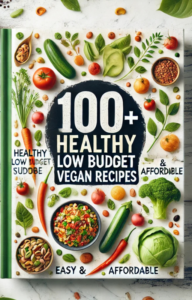
Announcement for our recipe lovers: We’ve taken all our most loved, beginner-friendly recipes and packed them into one simple, easy-to-follow digital cookbook — created especially for people who want delicious results without confusion and Ads-free Experience:
3–4 tablespoons fresh lemon juice (about 1 large lemon)
2–3 tablespoons water (to thin)
1 garlic clove, minced or grated
½ teaspoon maple syrup or agave (optional)
Salt and black pepper, to taste
Garnishes:
Fresh parsley, chopped
Roasted red pepper pieces
Optional: Vegan feta crumbles, pumpkin seeds, or chili flakes
Instructions
Roast the sweet potatoes: Preheat oven to 425°F (220°C). Wash and pierce the sweet potatoes several times with a fork. Rub with olive oil, sprinkle with salt and pepper, and place on a baking sheet. Roast for 45–55 minutes until fork-tender.
Make the tahini dressing: While potatoes roast, whisk together tahini, lemon juice, water, garlic, maple syrup, salt, and pepper until smooth and creamy. Adjust consistency with more water if needed. Set aside.
Prepare the filling: Heat olive oil in a large skillet over medium heat. Add onion and cook for 3–4 minutes until softened. Add garlic and mushrooms, sauté for 5–6 minutes until mushrooms are golden.
Add greens and peppers: Stir in spinach, roasted red peppers, smoked paprika, thyme, salt, and pepper. Cook until spinach is wilted (2–3 minutes). Taste and adjust seasoning.
Assemble: Once sweet potatoes are done, let them cool slightly. Slice them open lengthwise and gently fluff the flesh with a fork.
Stuff and serve: Fill each sweet potato generously with the spinach-mushroom mixture. Drizzle liberally with lemon tahini sauce and garnish with parsley and extra red peppers.
Prep time: 15 minutes Cook time: 50–55 minutes Total time: About 1 hour
Nutritional Facts (Approximate per Serving)
Calories: 380–420 kcal
Protein: 10–12g
Total Fat: 14–16g (mostly healthy fats from tahini & olive oil)
Carbohydrates: 55–60g
Dietary Fiber: 10–12g (excellent source)
Key micronutrients: Extremely high in Vitamin A, Vitamin C, Vitamin K, iron, potassium, and antioxidants.
Note: Values are estimates based on standard portions.
Health Benefits
Weight-Loss Friendly: High fiber and volume keep you full for hours with moderate calories.
Nutrient Powerhouse: Sweet potatoes provide beta-carotene (Vitamin A) for immunity and skin health.
Anti-Inflammatory: Spinach, mushrooms, and tahini offer antioxidants and anti-inflammatory compounds.
Heart Healthy: Rich in fiber and healthy fats that support cholesterol levels.
Plant-Based Protein: Tahini and mushrooms contribute to daily protein needs.
Perfect for vegan, vegetarian, gluten-free, and clean-eating lifestyles.
Tips and Variations
Make it Faster: Microwave the sweet potatoes for 8–10 minutes first, then finish in the oven for crisp skin.
Protein Boost: Add chickpeas, lentils, or crumbled tofu to the filling.
Spicy Version: Add chili flakes or harissa to the filling.
Meal Prep: Roast potatoes and make filling/dressing ahead. Reheat and assemble when ready.
Low-Carb Option: Use smaller sweet potatoes or serve the filling over cauliflower rice.
Storage: Leftovers keep in the fridge for 3–4 days.
Serving Suggestions
Serve as a complete meal on its own.
Pair with a simple side salad or quinoa.
Great for meal prep lunches or dinner parties.
These Vegan Stuffed Sweet Potatoes are comforting, nutritious, and full of flavor — a true crowd-pleaser for anyone on a vegan or healthy weight-loss journey!
There are dishes that make people lean forward when they arrive at the table. And then there are dishes like these Vegan Cauliflower Steaks — the kind that arrive on the plate golden and caramelized and carved into thick, dramatic slabs that look genuinely like steaks, that smell of roasted garlic and herbs and olive oil, and that eat with the satisfying density and depth of flavor of something that took far more effort than they actually did. This is that dish. The one that makes cauliflower the undeniable centerpiece of the meal rather than a side dish. The one that converts every person at the table who has ever dismissed cauliflower as boring or bland or suitable only as a background vegetable.
This recipe slices whole heads of cauliflower into thick, cross-cut steaks that hold together through the cooking process, sears them in a screaming-hot pan until deeply golden and caramelized on both sides, and finishes them in the oven with a rich, herb-forward marinade of garlic, smoked paprika, lemon, and olive oil that soaks into the dense florets and produces a steak that is crispy at the edges, tender through the center, and deeply, completely satisfying to eat. Served over a smoky white bean purée with a handful of crispy capers and a drizzle of herb oil, this is a main course that earns the plate it is served on.
What makes this recipe so outstanding is the sear-then-roast technique — searing the cauliflower steaks first in a hot pan develops the deep, golden-brown caramelization that roasting alone cannot achieve, while finishing in the oven ensures they cook through completely and the marinade has time to penetrate the dense florets.
This recipe is 100% vegan, naturally gluten-free, ready in about 50 minutes, and one of those dishes that makes a plant-based dinner feel genuinely celebratory.
Recipe Information
Prep Time
Cook Time
Total Time
Servings
Calories
15 mins
35 mins
50 mins
4
~420 kcal
Ingredients
For the Cauliflower Steaks
2 large heads cauliflower
4 tbsp olive oil
4 cloves garlic, finely minced
1½ tsp smoked paprika
1 tsp cumin
1 tsp dried oregano
1 tbsp lemon juice
1 tsp lemon zest
1 tsp soy sauce or tamari
Salt and black pepper
For the Smoky White Bean Purée
2 cans (800g total) white beans, drained and rinsed
3 cloves garlic, roughly chopped
3 tbsp olive oil
2 tbsp lemon juice
½ tsp smoked paprika
¼ cup (60ml) warm vegetable stock or water
Salt and white pepper to taste
For the Crispy Capers and Herb Oil
3 tbsp capers, patted dry
4 tbsp olive oil (for frying capers)
½ cup (20g) fresh parsley and basil, finely chopped
3 tbsp good extra virgin olive oil
1 tbsp lemon juice
Pinch of salt
Instructions
Prepare the cauliflower steaks. Remove the outer leaves of each cauliflower, keeping the core intact — the core is what holds the steak together. Place each head upright on a cutting board and slice vertically through the center into steaks approximately 2–2.5cm thick. Each large head should yield 2 good center-cut steaks with some florets falling away at the sides — reserve those florets for roasting alongside. Season the steaks generously with salt and pepper on both sides.
Make the marinade. Whisk together the olive oil, minced garlic, smoked paprika, cumin, oregano, lemon juice, lemon zest, and soy sauce.
Sear the steaks. Heat 2 tablespoons of olive oil in a large, heavy oven-safe skillet or cast iron pan over high heat until smoking. Add the cauliflower steaks carefully and sear without moving for 3–4 minutes until deeply golden brown on the first side. Flip carefully and sear the other side for 2–3 minutes. Work in batches if needed — do not crowd the pan.
Marinade and roast. Preheat the oven to 400°F (200°C). Brush the seared steaks generously on both sides with the marinade. Transfer the pan to the oven (or transfer steaks to a lined baking sheet) and roast for 18–22 minutes until the steaks are completely tender through the center when pierced with a knife and the edges are deeply caramelized. Brush with remaining marinade halfway through.
Make the white bean purée. While the steaks roast, combine the white beans, garlic, olive oil, lemon juice, smoked paprika, and warm stock in a blender or food processor. Blend until completely smooth and silky. Season generously with salt and white pepper. Transfer to a small saucepan and warm over low heat, stirring, until heated through.
Fry the capers. Heat the 4 tablespoons of olive oil in a small pan over high heat. Add the thoroughly dried capers and fry for 1–2 minutes until they burst open and become crispy. Remove with a slotted spoon onto paper towels. Reserve the caper oil.
Make the herb oil. Combine the chopped herbs, extra virgin olive oil, lemon juice, and salt. Stir together.
Plate and serve. Spoon a generous pool of smoky white bean purée onto each plate. Place a cauliflower steak on top. Scatter crispy capers over the steak. Drizzle herb oil over everything. Finish with a crack of black pepper and flaky sea salt.
Pro Tips
Keep the core intact when slicing — the core is the structural backbone of the steak. A steak cut without its core will fall apart when handled. Cut straight down through the center so each steak includes a section of core.
Dry the cauliflower steaks before searing — pat both sides dry with paper towels. Surface moisture prevents the Maillard browning that makes the sear so impressive.
Get the pan genuinely, seriously hot — a lukewarm pan steams the cauliflower; a smoking-hot pan sears it. The dramatic golden crust that makes these steaks so visually striking requires high heat.
Fry the capers completely dry — wet capers added to hot oil will spit violently. Pat them dry thoroughly before they go near the hot oil.
The Rise of the Cauliflower Steak
The cauliflower steak emerged as a serious restaurant preparation in the early 2010s, when a generation of chefs began taking plant-based ingredients seriously as centerpiece main courses rather than garnishes. The thick cross-cut slab of cauliflower — treated with the same searing, resting, and plating attention given to an animal protein — became emblematic of a new approach to vegetable cooking that prioritized technique, presentation, and genuine satisfaction over mere healthfulness. What began as a fine-dining novelty became a mainstream preparation as home cooks discovered that the technique was accessible, the results were dramatic, and the flavor — with proper seasoning and high-heat cooking — was genuinely extraordinary. The cauliflower steak is now a fixture of plant-based cooking at every level, from weeknight home kitchens to Michelin-starred restaurants.
Flavor Variations
Indian-Spiced Cauliflower Steaks: Replace the Mediterranean marinade with a blend of garam masala, turmeric, coriander, and coconut oil, and serve over a curried lentil purée.
Chimichurri Cauliflower Steaks: Skip the marinade herbs and serve the seared and roasted steaks with a generous spoonful of vibrant green chimichurri.
Miso-Glazed Cauliflower Steaks: Brush with a white miso, maple syrup, and rice vinegar glaze in the final 10 minutes of roasting for an umami-rich Japanese-inspired version.
Nutritional Highlights (Per Serving)
Calories
Protein
Carbs
Fiber
Fat
~420 kcal
16g
38g
12g
24g
Storage
Cauliflower steaks: Best eaten immediately after cooking while the sear is at its crispiest. Leftovers keep in the refrigerator for up to 3 days — reheat in a hot oven at 400°F for 10 minutes or in a hot pan with a little olive oil.
White bean purée: Keeps in an airtight container for up to 4 days — reheat gently with a splash of water or stock, stirring to restore its smooth consistency. Freezes well for up to 2 months.
Herb oil: Keeps in a sealed jar for up to 3 days in the refrigerator.
Frequently Asked Questions
How do I stop the steaks from falling apart?
The core is the key — ensure every steak includes a section of the core running through it. Cut straight down through the center of the head. Handle gently when turning in the pan and use a wide spatula.
Can I cook these on a BBQ grill?
Yes — cauliflower steaks are spectacular on a hot grill. Grill over direct high heat for 4–5 minutes per side until charred and caramelized, then move to indirect heat to finish cooking through.
What can I substitute for the white bean purée?
Hummus, a smooth butternut squash purée, or mashed potato all work beautifully as the base for these steaks. Each brings a different flavor but the same creamy, rich contrast to the caramelized cauliflower.
Tried this recipe? Leave a comment below and let us know how it turned out! Tag us on Instagram and Facebook — we love seeing your plant-powered creations. Looking for more addictive vegan snack and appetizer recipes? Browse all recipes on Easy Vegan Recipes — new recipes posted every single week!
We use cookies on our website to give you the most relevant experience by remembering your preferences and repeat visits. By clicking “Accept”, you consent to the use of ALL the cookies.
This website uses cookies to improve your experience while you navigate through the website. Out of these, the cookies that are categorized as necessary are stored on your browser as they are essential for the working of basic functionalities of the website. We also use third-party cookies that help us analyze and understand how you use this website. These cookies will be stored in your browser only with your consent. You also have the option to opt-out of these cookies. But opting out of some of these cookies may affect your browsing experience.
Necessary cookies are absolutely essential for the website to function properly. These cookies ensure basic functionalities and security features of the website, anonymously.
Cookie
Duration
Description
cookielawinfo-checkbox-analytics
11 months
This cookie is set by GDPR Cookie Consent plugin. The cookie is used to store the user consent for the cookies in the category "Analytics".
cookielawinfo-checkbox-functional
11 months
The cookie is set by GDPR cookie consent to record the user consent for the cookies in the category "Functional".
cookielawinfo-checkbox-necessary
11 months
This cookie is set by GDPR Cookie Consent plugin. The cookies is used to store the user consent for the cookies in the category "Necessary".
cookielawinfo-checkbox-others
11 months
This cookie is set by GDPR Cookie Consent plugin. The cookie is used to store the user consent for the cookies in the category "Other.
cookielawinfo-checkbox-performance
11 months
This cookie is set by GDPR Cookie Consent plugin. The cookie is used to store the user consent for the cookies in the category "Performance".
viewed_cookie_policy
11 months
The cookie is set by the GDPR Cookie Consent plugin and is used to store whether or not user has consented to the use of cookies. It does not store any personal data.
Functional cookies help to perform certain functionalities like sharing the content of the website on social media platforms, collect feedbacks, and other third-party features.
Performance cookies are used to understand and analyze the key performance indexes of the website which helps in delivering a better user experience for the visitors.
Analytical cookies are used to understand how visitors interact with the website. These cookies help provide information on metrics the number of visitors, bounce rate, traffic source, etc.
Advertisement cookies are used to provide visitors with relevant ads and marketing campaigns. These cookies track visitors across websites and collect information to provide customized ads.