fall vegan recipe

Apple Cranberry Carrot Salad

A bright, crunchy, and refreshing Apple Cranberry Carrot Salad that’s perfect for any season! This vibrant salad combines sweet apples, earthy carrots, and tangy dried cranberries with a simple zesty dressing. It’s quick to make, naturally vegan, gluten-free, and bursting with color and texture. Ideal as a light lunch, side dish for grilled proteins, or a healthy addition to your meal-prep rotation — especially great for weight loss and vegan lifestyles.

Ingredients (Serves 4–6 as a side)

For the Salad:

  • 4 large carrots, shredded or julienned (about 3–4 cups)
  • 2 medium crisp apples (like Honeycrisp, Gala, or Granny Smith), julienned or thinly sliced
  • ½ cup dried cranberries (unsweetened or lightly sweetened)
  • ⅓ cup chopped fresh parsley or cilantro
  • ¼ cup chopped walnuts or pecans (optional, for crunch)
  • 2–3 green onions, thinly sliced (optional)

For the Dressing:

  • 3 tablespoons extra virgin olive oil
  • 2 tablespoons fresh lemon juice or apple cider vinegar
  • 1 tablespoon pure maple syrup or honey (adjust to taste)
  • ½ teaspoon Dijon mustard (optional, for depth)
  • ¼ teaspoon ground cinnamon (optional, for warmth)
  • Salt and freshly ground black pepper, to taste

Announcement for our Recipe Lovers: We’ve taken all our most loved, beginner-friendly recipes and packed them into one simple, easy-to-follow digital cookbook — created especially for people who want delicious results without confusion and Ads-free Experience:
Vegan Recipes For Beginners Original 1 192x300

Instructions

  1. Prepare the vegetables and fruits: Shred or julienne the carrots. Core the apples and cut them into thin matchsticks (julienne) or thin slices. Toss the apple slices with a little lemon juice to prevent browning.
  2. Make the dressing: In a small bowl or jar, whisk together olive oil, lemon juice, maple syrup, Dijon mustard, cinnamon (if using), salt, and pepper until well combined.
  3. Assemble the salad: In a large mixing bowl, combine shredded carrots, apple slices, dried cranberries, parsley, and nuts (if using).
  4. Dress and toss: Pour the dressing over the salad and toss gently until everything is evenly coated. Taste and adjust seasoning or sweetness.
  5. Rest and serve: Let the salad sit for 5–10 minutes so the flavors meld. Serve chilled or at room temperature.

Prep time: 15 minutes Total time: 15 minutes (no cooking required!)

Nutritional Facts (Approximate per Serving – 1 of 4 servings)

  • Calories: 180–220 kcal
  • Protein: 2–3g
  • Total Fat: 8–10g (mostly healthy fats)
  • Carbohydrates: 28–32g
  • Dietary Fiber: 5–7g
  • Sugars: 18–22g (mostly natural from fruits)
  • Key micronutrients: Excellent source of Vitamin A, Vitamin C, antioxidants, and potassium.

Note: Values are estimates. Without nuts, calories drop to ~160 per serving.

Health Benefits

  • Weight-Loss Friendly: Low in calories but high in fiber and volume — keeps you full and satisfied.
  • Rich in Antioxidants: Apples and cranberries provide polyphenols that fight inflammation; carrots deliver beta-carotene for eye and skin health.
  • Gut Health: High fiber content supports digestion and a healthy microbiome.
  • Immune Boost: Loaded with Vitamin C from apples and lemon.
  • Heart Healthy: The combination of fiber, healthy fats (if nuts are added), and anti-inflammatory ingredients supports cardiovascular health.
  • Perfect for vegan, vegetarian, and clean-eating diets.

Tips and Variations

  • Make it Crunchier: Add toasted walnuts, pecans, sunflower seeds, or pumpkin seeds.
  • Sweeter Version: Use sweeter apples (Honeycrisp) and a touch more maple syrup.
  • Tangier Twist: Add crumbled feta or goat cheese (if not vegan) or a handful of pomegranate seeds.
  • Storage: Best eaten fresh, but leftovers keep well in an airtight container in the fridge for up to 2 days. The apples may soften slightly.
  • Meal Prep: Prepare the carrots and dressing ahead; add apples just before serving.
  • Spicy Kick: Add a pinch of chili flakes or grated fresh ginger to the dressing.

Serving Suggestions

  • As a side dish with grilled chicken, fish, or tofu.
  • Over a bed of greens or quinoa for a complete meal.
  • In wraps or alongside hummus and pita.
  • Perfect for potlucks, BBQs, holiday tables, or weekly meal prep.

This Apple Cranberry Carrot Salad is proof that healthy food can be simple, beautiful, and absolutely delicious. It’s refreshing, satisfying, and full of natural sweetness — a staple recipe for anyone on a vegan or weight-loss journey!
Cheesy Buttercup Squash Tortiglioni⁣

280351211 333299828933357 5526533945898962094 N.AVFI 610x343

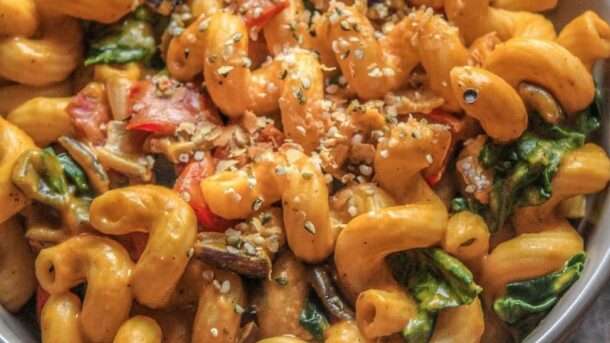
There are pasta dishes that satisfy. And then there are pasta dishes like this Vegan Cheesy Buttercup Squash Tortiglioni — the kind that you pull from the oven golden and bubbling and smelling of roasted squash and nutmeg and caramelized edges, and carry to the table while everyone leans forward because whatever is in that dish is clearly extraordinary. This is that pasta. The one that makes buttercup squash into a silky, deeply savory cheese sauce that coats every ridge of every tortiglioni tube in a way that is so creamy, so rich, and so deeply satisfying that it becomes the pasta you make when autumn arrives and you want something that feels genuinely celebratory without requiring an unreasonable amount of effort.

This recipe roasts buttercup squash until it is caramelized and tender, then blends it with nutritional yeast, cashews, garlic, miso, and plant milk into a sauce that is simultaneously sweet and savory, rich and bright, with a depth of flavor that makes it taste far more complex than its ingredient list suggests. Tortiglioni — the thick, ridged tubes slightly larger than rigatoni — is the ideal pasta shape for this sauce: the ridges catch and hold the creamy squash sauce, the hollow centers fill with it, and every bite delivers the full, rich flavor of the sauce in a way that smoother pasta shapes simply cannot match.

What makes this recipe so outstanding is the roasting step — roasting the buttercup squash before blending it rather than simply steaming or boiling it concentrates its natural sugars, develops caramelized depth, and produces a sauce with a complexity that simply cannot be achieved with unroasted squash.

This recipe is 100% vegan, naturally dairy-free, ready in about an hour, and the kind of pasta that makes autumn feel like exactly the season it should be.


Recipe Information

Prep TimeCook TimeTotal TimeServingsCalories
15 mins45 mins60 mins4~520 kcal

Ingredients

For the Roasted Squash

  • 1 medium buttercup squash (about 900g), halved and deseeded
  • 1 whole head of garlic
  • 2 tbsp olive oil
  • Salt and black pepper

For the Cheesy Squash Sauce

  • Roasted squash flesh (from above, about 400g)
  • 6 cloves roasted garlic (from above)
  • ½ cup (70g) raw cashews, soaked in hot water for 30 minutes and drained
  • 1 cup (240ml) unsweetened plant milk
  • 3 tbsp nutritional yeast
  • 1 tbsp white miso paste
  • 1 tbsp lemon juice
  • ½ tsp smoked paprika
  • ¼ tsp nutmeg
  • Salt and white pepper to taste

For the Pasta

  • 400g (14oz) tortiglioni (or rigatoni)
  • 1 tbsp olive oil
  • 3 shallots, finely sliced
  • 1 tsp fresh thyme leaves
  • ½ cup (120ml) reserved pasta water
  • 30g vegan parmesan or breadcrumbs for topping
  • Fresh sage leaves, fried in olive oil to garnish

Instructions

  1. Roast the squash and garlic. Preheat the oven to 400°F (200°C). Place the squash halves cut-side up on a baking tray. Cut the top off the head of garlic to expose the cloves, drizzle with olive oil, wrap in foil, and place alongside the squash. Drizzle the squash with olive oil and season with salt and pepper. Roast for 40–45 minutes until the squash flesh is completely tender and caramelized at the edges. Allow to cool slightly.
  2. Cook the pasta. Bring a large pot of heavily salted water to a boil. Cook the tortiglioni according to package instructions until al dente. Reserve 1 cup of pasta water before draining.
  3. Make the sauce. Scoop the roasted squash flesh from the skin and squeeze the roasted garlic cloves from their papery shells. Place both in a high-speed blender along with the soaked and drained cashews, plant milk, nutritional yeast, miso, lemon juice, smoked paprika, and nutmeg. Blend on high for 2–3 minutes until completely smooth and silky. Taste and adjust seasoning — more nutritional yeast for cheesiness, more lemon for brightness, more miso for depth.
  4. Cook the shallots. Heat the olive oil in a large, wide pan over medium heat. Add the sliced shallots and thyme and cook for 8–10 minutes, stirring occasionally, until soft, golden, and caramelized.
  5. Combine. Pour the blended squash sauce into the pan with the shallots over low heat. Add the drained pasta and toss to coat, adding reserved pasta water a splash at a time until the sauce reaches a loose, creamy consistency that coats every piece of pasta. Taste and adjust seasoning.
  6. Finish and serve. Divide between bowls or transfer to a serving dish. Top with vegan parmesan or toasted breadcrumbs, crispy fried sage leaves, and a crack of black pepper. Serve immediately.

Pro Tips

  • Roast, do not steam or boil the squash — roasting concentrates the squash’s natural sugars and develops caramelization that creates a sauce with far more depth and complexity than any other cooking method.
  • Soak the cashews in hot water for at least 30 minutes — this is what produces the ultra-smooth, creamy sauce. Undersoaked cashews leave tiny grainy pieces that prevent the sauce from becoming truly silky.
  • Use pasta water generously — the starchy pasta water is what allows the thick squash sauce to coat every piece of pasta evenly without becoming gluey or clumping.
  • Fry fresh sage in olive oil until crispy — this takes 30 seconds and produces a garnish that is fragrant, crispy, and deeply savory in a way that elevates the finished dish significantly.

Why Buttercup Squash Makes the Best Pasta Sauce

Not all winter squashes are equal when it comes to sauce-making. Buttercup squash — a compact, dark green winter squash with a dense, dry, deeply orange flesh — has a significantly lower water content than butternut squash and a sweeter, nuttier, more complex flavor that produces a sauce with more body and more depth than butternut-based alternatives. Its flesh blends into an extraordinarily smooth, dense puree that needs less thickening and carries the flavors of nutritional yeast, miso, and garlic beautifully. If buttercup squash is unavailable, kabocha squash (Japanese pumpkin) is the closest substitute with a similarly dry, sweet flesh.


Flavor Variations

  • Spicy Squash Tortiglioni: Add a teaspoon of chilli flakes to the sauce and top with pickled jalapeños for a version with building heat that contrasts beautifully with the sweet squash.
  • Sage Brown Butter Squash Tortiglioni: Toss the pasta with vegan brown butter and extra fried sage before serving for a more classically Italian flavor profile.
  • Squash and Mushroom Tortiglioni: Add sautéed wild mushrooms to the finished pasta for an earthy, meaty dimension that pairs wonderfully with the sweet squash sauce.

Nutritional Highlights (Per Serving)

CaloriesProteinCarbsFiberFat
~520 kcal18g72g7g18g

Storage

  • Refrigerator: Store leftover pasta in an airtight container for up to 4 days. Reheat gently in a pan with a splash of plant milk or water to loosen the sauce, which thickens significantly when cold.
  • The squash sauce on its own: Keeps in a sealed jar in the refrigerator for up to 5 days or in the freezer for up to 3 months — make a double batch and freeze for a quick weeknight pasta sauce.

Frequently Asked Questions

Can I use butternut squash instead of buttercup?

Yes — butternut squash works well and is more widely available. The sauce will be slightly less dense and slightly less sweet, but still excellent. Kabocha squash is the closest in flavor and texture to buttercup.

Can I make this nut-free?

Yes — replace the cashews with ½ cup of silken tofu for a sauce that is still creamy and smooth without any nuts. The flavor will be slightly lighter but still very good.

Can I make the sauce ahead?

Yes — the squash sauce keeps in the refrigerator for up to 5 days and freezes beautifully. Make it ahead and simply cook the pasta fresh when needed.


Tried this recipe? Leave a comment below and let us know how it turned out! Tag us on Instagram and Facebook — we love seeing your plant-powered creations. Looking for more addictive vegan snack and appetizer recipes? Browse all recipes on Easy Vegan Recipes — new recipes posted every single week!