easy vegan salad

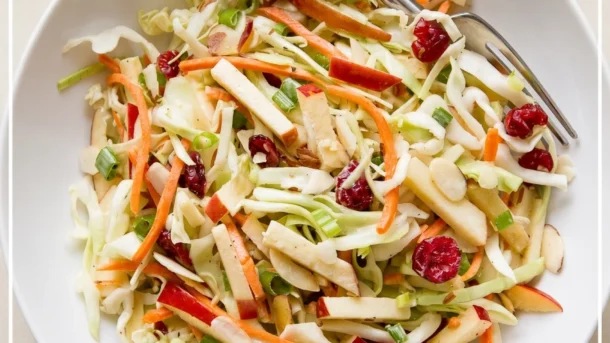
Vegan Apple Coleslaw

vegan apple coleslaw

There are slaws you make because something needs a side dish. And then there are slaws like this Vegan Apple Coleslaw — the kind that you toss together with crisp shredded cabbage, julienned apple, carrot, and red onion and dress in a creamy, tangy vegan mayo dressing with apple cider vinegar and a touch of maple syrup, and then find yourself eating straight from the bowl with a fork before it has even made it to the table, because the combination of sweet apple and crunchy cabbage and that bright, creamy dressing is so good and so refreshing that it immediately becomes the thing everyone is reaching for at the barbecue rather than politely taking alongside their main. This is that slaw. The one that makes coleslaw interesting again.

What lifts this coleslaw above the ordinary is the apple — crisp, sweet-tart apple julienned into thin matchsticks that hold their crunch, add natural sweetness, and give the slaw a freshness and lightness that makes it genuinely different from the heavy, mayonnaise-dense slaws that most people have come to expect. The dressing is creamy but not cloying — vegan mayo thinned with apple cider vinegar and a touch of maple syrup into something that coats every strand of cabbage without drowning it, with a gentle mustard sharpness and a brightness that keeps each bite feeling alive and clean rather than rich and heavy.

What makes this recipe so outstanding is the balance — sweet from the apple and maple, sharp from the vinegar and mustard, creamy from the vegan mayo, and crunchy from the cabbage in every single bite, making it one of those dishes that is far more than the sum of its parts.

This recipe is 100% vegan, naturally dairy-free, ready in 15 minutes, and one of those versatile side dishes that works alongside everything from barbecue to tacos to grain bowls to sandwiches.


Recipe Information

Prep TimeCook TimeTotal TimeServingsCalories
15 mins0 mins15 mins6~165 kcal

Ingredients

For the Slaw

  • ½ medium green cabbage (about 400g), finely shredded
  • ¼ medium red cabbage (about 150g), finely shredded
  • 2 medium carrots, peeled and julienned or grated
  • 2 crisp apples (Granny Smith or Honeycrisp), cored and julienned
  • ½ small red onion, very finely sliced
  • 3 tbsp fresh parsley or cilantro, roughly chopped
  • 1 tbsp lemon juice (to toss with apple to prevent browning)

For the Dressing

  • 120g (½ cup) vegan mayonnaise
  • 2 tbsp apple cider vinegar
  • 1 tbsp maple syrup
  • 1 tsp Dijon mustard
  • ½ tsp celery seeds (optional but recommended)
  • ½ tsp salt
  • ¼ tsp black pepper

Instructions

  1. Prepare the apple. Core the apples and cut into thin matchsticks (julienne). Immediately toss with the lemon juice to prevent browning. Set aside.
  2. Prepare the vegetables. Finely shred both cabbages — a mandoline produces the most even, thin shreds, but a sharp knife works well. Julienne or coarsely grate the carrots. Slice the red onion as thinly as possible.
  3. Make the dressing. Whisk together the vegan mayo, apple cider vinegar, maple syrup, Dijon mustard, celery seeds, salt, and pepper until smooth. Taste and adjust — more vinegar for sharpness, more maple for sweetness, more mayo for creaminess.
  4. Combine. Add the shredded cabbages, carrots, red onion, and apple to a large bowl. Pour the dressing over and toss thoroughly until every strand is coated. Fold in the fresh parsley or cilantro.
  5. Rest and serve. For best results, allow the slaw to rest for 10–15 minutes before serving — this softens the cabbage slightly and allows the flavors to meld. Taste and adjust seasoning before serving. The slaw can be served immediately for maximum crunch or after 30 minutes for a slightly more tender texture.

Pro Tips

  • Shred the cabbage as thinly as possible — thick, chunky cabbage pieces never fully absorb the dressing and produce a slaw that feels raw and unfinished. Use a mandoline or a very sharp knife and take the time to get thin, even shreds.
  • Julienne the apple, do not grate it — grated apple releases too much juice and turns watery. Thin matchsticks hold their texture and crunch throughout the slaw.
  • Toss the apple in lemon juice immediately — cut apple browns quickly. The lemon juice prevents oxidation and also adds a subtle brightness to the finished slaw.
  • Taste and adjust the dressing before adding — the dressing should taste slightly more acidic and slightly more seasoned than seems right on its own, because the cabbage will dilute it once combined.

Why Apple Works So Well in Coleslaw

The combination of apple and cabbage in a slaw is not accidental — it is a pairing that works on multiple levels simultaneously. Texturally, crisp apple and raw cabbage share the same satisfying crunch and density, so they feel at home together in a way that softer fruits do not. Flavor-wise, apple provides the natural sweetness that balances the sharpness of the vinegar dressing and the slight bitterness of raw cabbage without any added sugar, making the overall dish taste more complex and nuanced than a plain cabbage slaw ever can. Apple also provides natural pectin, which helps the dressing cling to the shreds rather than pooling at the bottom of the bowl. Granny Smith apples are the classic choice for their intense tartness and firm texture; Honeycrisp offers more sweetness and a similar crunch; Pink Lady sits between the two.


Flavor Variations

  • Asian-Style Apple Slaw: Replace the vegan mayo dressing with a sesame-ginger dressing (sesame oil, rice vinegar, soy sauce, grated ginger, maple syrup) and add toasted sesame seeds and sliced scallions.
  • Apple Fennel Slaw: Add a small fennel bulb, thinly shaved, for an anise note that is outstanding with the apple and a particularly good match for fish-free vegan tacos.
  • Apple Cranberry Slaw: Add a handful of dried cranberries for a sweet-tart pop of color and flavor that makes this slaw particularly good at Thanksgiving and holiday gatherings.

Nutritional Highlights (Per Serving)

CaloriesProteinCarbsFiberFat
~165 kcal2g18g4g10g

Storage

  • Refrigerator: Store in an airtight container for up to 3 days. The slaw softens as it sits but remains delicious — the flavors actually improve after the first day as the dressing permeates the cabbage more deeply. The apple may discolor slightly; this does not affect the flavor.
  • Make ahead: The dressing can be made up to 5 days ahead and stored in a sealed jar in the refrigerator. Dress the slaw no more than 30 minutes before serving if you want maximum crunch, or up to 24 hours ahead if you prefer a more tender, well-marinated texture.

Frequently Asked Questions

Which apple variety works best?

Granny Smith is the classic choice — its tartness and firm texture hold up well and provide a great counterpoint to the sweet dressing. Honeycrisp, Fuji, and Pink Lady all work beautifully. Avoid Red Delicious, which is too soft and too sweet.

Can I make this without vegan mayo?

Yes — replace the vegan mayo with a dressing of 3 tablespoons of tahini, 2 tablespoons of lemon juice, 1 tablespoon of maple syrup, and 2–3 tablespoons of water to thin. The result is a lighter, nuttier dressing that is equally delicious.

How do I stop the slaw from getting watery?

Watery slaw is usually caused by the cabbage releasing moisture after being dressed. To minimize this, you can salt the shredded cabbage before dressing — toss with 1 teaspoon of salt, leave for 15 minutes, then rinse and dry thoroughly before adding the dressing.


Tried this recipe? Leave a comment below and let us know how it turned out! Tag us on Instagram and Facebook — we love seeing your plant-powered creations. Looking for more warming vegan curry and dinner recipes? Browse all recipes on Easy Vegan Recipes — new recipes posted every single week!
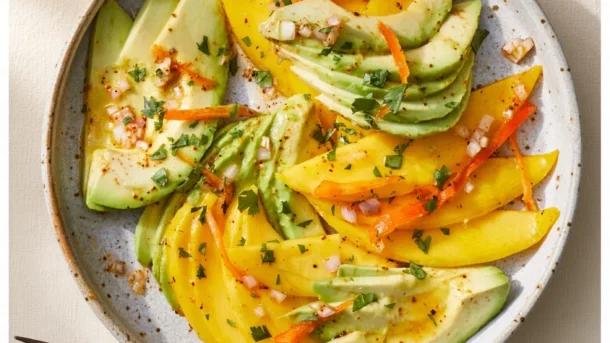
Vegan Mango Avocado Salad

mango avocado salad

There are salads that are side dishes. And then there are salads like this Vegan Mango Avocado Salad — the kind that arrives at the table in a bowl so vivid and so beautiful that everyone stops talking to look at it before the first fork goes in, and then keeps talking about it long after the bowl is empty. This is that salad. The one that layers sweet, fragrant mango and buttery ripe avocado with crisp cucumber, red onion, fresh cilantro, and toasted pepitas in a lime and chilli dressing so bright and so perfectly balanced that every forkful delivers something simultaneously cooling and warming, sweet and sharp, rich and fresh, all at once. The one that tastes like summer regardless of the season. The one that works as a standalone lunch, a dinner side, a taco topping, or a bowl component that elevates everything around it — and that comes together in fifteen minutes from start to finish with absolutely no cooking required.

This recipe dresses ripe, golden mango and perfectly ripe avocado — cut into generous chunks rather than thin slices, so the texture of both is fully present in every bite — with a dressing of fresh lime juice, a hint of honey-alternative sweetness, jalapeño, and cilantro that is bright enough to cut through the richness of the avocado without overwhelming the delicate sweetness of the mango. The toasted pepitas add crunch, the red onion adds bite, and the whole thing comes together into a salad that is complete and spectacular.

What makes this recipe so outstanding is the mango preparation — choosing mangoes at their absolute peak of ripeness, cutting them into substantial chunks rather than thin slices, and allowing them to macerate briefly in the lime dressing before the avocado is added, which draws out their juice and creates a dressing that is amplified with real mango sweetness rather than just the lime and oil added at the beginning.

This recipe is 100% vegan, naturally gluten-free, ready in 15 minutes, requires no cooking whatsoever, and produces a mango avocado salad so vibrant, so fresh, and so completely addictive that it earns a permanent place in the summer rotation and gets requested at every gathering, every picnic, every outdoor table where food is meant to feel like a celebration.


Recipe Information

Prep TimeCook TimeTotal TimeServingsCalories
15 mins0 mins15 mins4~220 kcal

Ingredients

For the Salad

  • 2 large ripe mangoes, peeled and cut into 2cm chunks (about 400g mango flesh)
  • 2 ripe but firm avocados, halved, pitted, and cut into 2cm chunks
  • 1 small English cucumber, halved lengthways and sliced into half-moons
  • ¼ red onion, very thinly sliced
  • 1 jalapeño or red chilli, finely sliced (seeds removed for less heat)
  • Large handful of fresh cilantro, roughly torn
  • Large handful of fresh mint leaves, roughly torn
  • ¼ cup (35g) toasted pepitas (pumpkin seeds) or toasted cashews
  • 2 cups (60g) baby arugula or mixed greens (optional base)

For the Lime Chilli Dressing

  • 3 tbsp fresh lime juice (about 2 limes)
  • 1 tbsp extra virgin olive oil
  • 1 tsp maple syrup or agave nectar
  • ½ jalapeño, very finely minced (or ¼ tsp chilli flakes)
  • 1 small clove garlic, very finely grated
  • ¼ tsp ground cumin
  • ¼ tsp salt
  • Pinch of black pepper

Instructions

  1. Make the dressing. Whisk together the lime juice, olive oil, maple syrup, minced jalapeño, grated garlic, cumin, salt, and pepper in a small bowl until emulsified. Taste and adjust — it should be bright, tangy, and faintly sweet with a clean chilli warmth.
  2. Macerate the mango. Place the mango chunks in a large serving bowl. Pour about half the dressing over the mango and toss gently. Allow to sit for 5 minutes — this draws out the mango’s juices and amplifies the dressing beautifully.
  3. Add the remaining ingredients. Add the cucumber, red onion, jalapeño, cilantro, and mint to the bowl with the mango. Toss gently to combine.
  4. Add the avocado last. Add the avocado chunks and pour the remaining dressing over everything. Toss very gently — just a few folds with a large spoon — to coat without breaking up the avocado. The avocado should stay in distinct, intact chunks.
  5. Finish and serve. Scatter the toasted pepitas over the top. Taste and adjust seasoning — add more lime juice for brightness, more salt to amplify all the flavors, or more chilli for heat. Serve immediately on a bed of arugula if using, or directly from the bowl.

Pro Tips

  • Choose mangoes at peak ripeness — this salad lives or dies by the quality of the mango. A ripe mango should give slightly to gentle pressure, smell deeply fragrant at the stem end, and be golden-orange at its flesh. An underripe mango is tart and fibrous and completely unsuitable for this salad.
  • Choose avocados that are ripe but firm — the avocado should yield to gentle pressure but not feel mushy. Overripe avocado will fall apart when tossed and turn the salad brown quickly; underripe avocado has no flavor. The ideal avocado for this salad has a clean, buttery flavor and holds its shape when cut into chunks.
  • Add the avocado last — avocado is delicate and will break down and brown if tossed too aggressively or too early. Add it at the very end and fold gently with minimal contact.
  • Toast the pepitas — raw pepitas are fine but toasted ones are dramatically better. Toast in a dry skillet over medium heat for 3–4 minutes until golden and beginning to pop, then cool before adding.
  • Serve immediately — this salad is at its absolute best within 20 minutes of assembling. The avocado begins to brown and the texture softens quickly, particularly once dressed. Make it last and serve it first.

Why Mango and Avocado Are the Perfect Pair

Mango and avocado are one of those pairings that feels inevitable once you encounter it — as though the two ingredients were always meant to be eaten together and the only question was when someone would notice. The reason the combination works so well is textural and flavor contrast working simultaneously: mango is bright, sweet, slightly acidic, and yields cleanly between the teeth; avocado is buttery, rich, mildly flavored, and melts rather than snaps. Together they balance each other’s extremes — the mango’s sweetness and acidity cuts through the avocado’s richness, while the avocado’s creaminess rounds the sharpness of the mango — producing a combination that is more satisfying than either ingredient alone. Add the lime and chilli dressing and the fresh herbs, and you have a complete flavor profile that hits sweet, salty, sour, spicy, fresh, and rich simultaneously in every bite.


Flavor Variations

  • Mango Avocado Black Bean Salad: Add a drained can of black beans to the salad for a more substantial, protein-packed version that works as a complete meal.
  • Tropical Mango Avocado Salad: Add ½ cup of fresh pineapple chunks and a handful of toasted coconut flakes for a more tropical version with additional sweetness and crunch.
  • Mango Avocado Corn Salad: Add ½ cup of charred corn kernels (fresh or from a can, charred in a dry skillet) for a smoky, sweet addition that pairs beautifully with both the mango and the avocado.

Nutritional Highlights (Per Serving)

CaloriesProteinCarbsFiberFat
~220 kcal4g26g7g13g

Storage

  • Best eaten immediately — this salad is at its peak within 20 minutes of assembling. The avocado browns and softens quickly once dressed and the texture of the whole salad changes noticeably after an hour.
  • If making ahead: Prepare the dressing and cut the mango and cucumber up to 4 hours ahead and store separately in the refrigerator. Cut and add the avocado only immediately before serving.
  • Leftovers: Leftover salad keeps in an airtight container in the refrigerator for up to 1 day — the avocado will brown and soften but the flavor remains good. Press cling film directly onto the surface of the salad to minimize browning.

Frequently Asked Questions

How do I pick a ripe mango?

A ripe mango should yield slightly to gentle pressure — similar to a ripe peach — and smell sweet and fragrant near the stem end. Color alone is not a reliable indicator as it varies by variety, but a golden blush and fragrance together are a reliable sign. Avoid mangoes that are rock hard or feel mushy.

What can I use instead of cilantro?

Fresh mint, fresh basil, or flat-leaf parsley all work well as a substitute for those who do not enjoy cilantro. Fresh mint is particularly good in this salad and provides a cooling counterpoint to the chilli that is very satisfying.

Can I make this into a full meal?

Absolutely — serve it over cooked quinoa or brown rice, add a can of drained black beans or chickpeas, and it becomes a complete, protein-rich meal bowl that is both beautiful and deeply satisfying.


Tried this recipe? Leave a comment below and let us know how it turned out! Tag us on Instagram and Facebook — we love seeing your plant-powered creations. Looking for more addictive vegan snack and appetizer recipes? Browse all recipes on Easy Vegan Recipes — new recipes posted every single week!
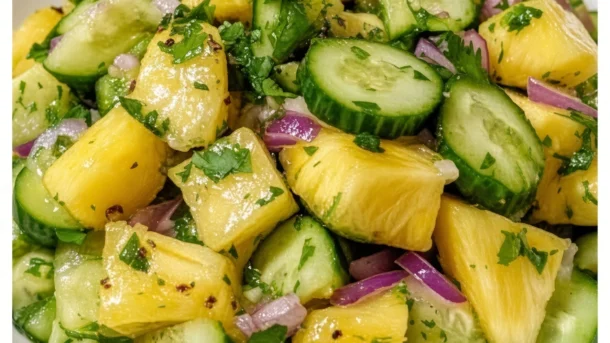
Vegan Pineapple Cucumber Salad

pineapple cucumber salad

There are salads that are fine and there are salads like this Vegan Pineapple Cucumber Salad — the kind that you make in ten minutes and set on the table and it is so immediately, arrestingly beautiful with its jewel-toned chunks of golden pineapple and cool green cucumber and paper-thin red onion and scattered red chilli and fresh cilantro and lime zest that everyone reaches for it before anything else, and then they taste it and the first thing that happens is a kind of involuntary pause, because the combination of sweet tropical pineapple and cool crisp cucumber and the bright sharp heat of the chilli and the acid punch of the lime dressing and the fragrant freshness of the cilantro is one of those flavor combinations that lands on the palate like an arrival — vivid, refreshing, perfectly balanced, and completely unlike anything you made last week. This is that salad. The one that travels to every summer gathering. The one that goes with everything. The one that disappears fastest from the table no matter what else is there.

What makes this salad so extraordinary is the dressing — a lime-forward vinaigrette with chilli, fresh ginger, and a touch of maple syrup that does not overwhelm the fruit but heightens it: the lime brings out the pineapple’s acidity, the ginger amplifies its tropical sweetness, the chilli adds warmth that makes the cold cucumber more refreshing by contrast, and the maple syrup rounds every sharp edge into something smooth and complete. The dressing does what the best salad dressings always do: it makes every ingredient taste more like itself.

This recipe works equally as a side salad alongside grilled tofu, tacos, or rice dishes; as a topping for fish tacos or Buddha bowls; as a palate cleanser between courses; or as a standalone lunch with nothing more than a wedge of lime and a cold drink. It is endlessly flexible, completely effortless, and one of those recipes that makes you look significantly more accomplished than the ten minutes of prep time would suggest.

This recipe is 100% vegan, raw, naturally gluten-free, refined sugar-free, ready in 10 minutes, and the most refreshing thing you will put on the table all week.


Recipe Information

Prep TimeCook TimeTotal TimeServingsCalories
10 mins0 mins10 mins4~120 kcal

Ingredients

For the Salad

  • 500g (about ½ medium pineapple), peeled, cored, and cut into 2cm chunks
  • 2 medium English cucumbers (or 4–5 Persian cucumbers), cut into half-moons or rough chunks
  • ½ small red onion, very thinly sliced
  • 1–2 red chillies (bird’s eye or Fresno), thinly sliced (seeds in for heat, seeds removed for mild)
  • ¼ cup (15g) fresh cilantro leaves and tender stems, roughly torn
  • 2 tbsp fresh mint leaves, torn (optional but highly recommended)
  • Zest of 1 lime

For the Lime Chilli Dressing

  • Juice of 2 limes (approximately 4 tbsp)
  • 1 tbsp olive oil or neutral oil
  • 1 tsp maple syrup or agave
  • 1 tsp fresh ginger, finely grated
  • 1 small clove garlic, finely grated
  • ¼ tsp salt
  • Pinch of chilli flakes or white pepper

Optional Additions

  • ¼ cup (35g) toasted coconut flakes — adds a tropical sweetness and crunch
  • ¼ cup (35g) roasted salted peanuts or cashews — adds protein and texture
  • 1 ripe avocado, cubed — adds creaminess that tempers the heat
  • 1 mango, cubed — doubles down on the tropical sweetness

Instructions

  1. Prep the pineapple. Peel and core the pineapple and cut into rough 2cm chunks — not too perfect, not too small. Uneven chunks are more interesting to eat than uniform cubes and give the salad a rustic, abundant quality. If using pre-cut pineapple, drain any excess juice before adding to the bowl.
  2. Prep the cucumber. Cut the cucumbers into half-moons about 1cm thick, or into rough chunks of similar size to the pineapple. English cucumbers can be used with their skin on — the skin adds color and texture and requires no peeling. If using a thicker-skinned cucumber, peel it first.
  3. Soften the red onion. Place the thinly sliced red onion in a small bowl of cold water for 5 minutes — this draws out the raw sharpness of the onion and leaves it pleasantly mild and crisp rather than pungent. Drain and pat dry before adding to the salad. This step is optional but highly recommended; it transforms the onion from a dominant flavor into a background note.
  4. Make the dressing. Whisk together the lime juice, oil, maple syrup, grated ginger, grated garlic, salt, and chilli flakes in a small bowl until well combined. Taste and adjust — more lime for brightness, more maple syrup for sweetness, more chilli for heat. The dressing should be vibrant, tart, and slightly sweet with a clean heat at the finish.
  5. Combine. Add the pineapple, cucumber, drained red onion, and sliced chilli to a large bowl. Pour the dressing over the top and toss gently to coat — the dressing should gloss every piece without pooling at the bottom.
  6. Finish and serve. Scatter the fresh cilantro, mint, and lime zest over the top just before serving. Add any optional toppings — toasted coconut, peanuts, or avocado — at this point. Taste and add a pinch of flaky sea salt if needed. Serve immediately, or refrigerate for up to 30 minutes before serving — the flavors develop and deepen slightly with a brief rest, though the cucumber begins to soften after an hour.

Pro Tips

  • Soak the red onion in cold water — even 5 minutes in cold water draws out the sulfurous compounds that give raw red onion its sharpness, leaving the flavor mild, sweet, and pleasant. Skipping this step means the raw onion dominates the entire salad; soaked onion is a background note that adds color and bite without overpowering.
  • Use fresh pineapple, not canned — fresh pineapple has a firmer texture, brighter acidity, and more complex tropical flavor than canned. Canned pineapple is cooked during processing, which softens it and reduces its flavor to a sweeter, more one-dimensional sweetness. When fresh pineapple is not available, use canned in juice (not syrup), well drained.
  • Dress at the last moment — once the dressing is added, the cucumber begins to release water and the pineapple softens. For the best texture, dress within 15–30 minutes of serving. If making ahead, keep the dressing separate and combine just before serving.
  • Add the herbs last — cilantro and mint wilt and discolor within minutes of contact with the acidic dressing. Scatter them over the top just before the salad goes to the table so they arrive bright, fresh, and fragrant.

The Fruit and Vegetable Salad Tradition

The combination of sweet tropical fruit and cool, crisp raw vegetables in a chilli-lime dressing is one of the most enduring flavor traditions in Southeast Asian and Latin American cooking — two culinary traditions that arrived at similar solutions from opposite sides of the world. In Thailand and Vietnam, green papaya or mango salads dress unripe fruit in lime, fish sauce, chilli, and sugar, balancing sweetness, acidity, heat, and salt in a combination that is simultaneously refreshing and deeply complex. In Mexico, mangoes, cucumbers, and jicama are served with lime juice, chilli powder, and salt as street food — a snack that relies on the same principle: fruit’s natural sweetness is intensified and made more interesting by acid and heat. What these traditions share is the understanding that sweet fruit, without contrast, is cloying; that cool raw vegetables, without seasoning, are dull; but that the two together, dressed with lime and chilli, become something greater than either could be alone. This pineapple cucumber salad sits in that tradition — refreshing, balanced, and vibrant in a way that feels both ancient and completely of the moment.


Flavor Variations

  • Thai-Inspired Pineapple Cucumber Salad: Add 2 tablespoons of soy sauce and 1 tablespoon of rice vinegar to the dressing, replace the cilantro with Thai basil, and add a tablespoon of toasted sesame seeds for a Southeast Asian-inspired version with a deeper, more savory flavor profile.
  • Mango Pineapple Cucumber Salad: Replace half the pineapple with ripe mango for a double tropical version with an extra layer of sweetness and a gorgeous golden color. Add a tablespoon of Tajín or chilli-lime seasoning to the dressing for a Mexican-inspired finish.
  • Pineapple Cucumber Avocado Salad: Add 1 large cubed avocado and ¼ cup of toasted pepitas to the base salad for a more substantial, protein-rich version where the avocado’s creaminess contrasts beautifully with the bright, acidic dressing.

Nutritional Highlights (Per Serving)

CaloriesProteinCarbsFiberFat
~120 kcal2g26g3g3g

Storage

  • Best eaten fresh — this salad is at its absolute best within 30 minutes of dressing, when the pineapple is firm, the cucumber is crisp, and the herbs are bright. The longer it sits, the more the cucumber releases water and softens.
  • Undressed components: Store the cut pineapple, cucumber, and onion separately in airtight containers in the refrigerator for up to 2 days. The dressing keeps in a sealed jar for up to 5 days. Combine just before serving.
  • Leftovers: Dressed leftovers keep for up to 24 hours — the flavors actually deepen overnight, though the texture softens. Drain excess liquid before serving and add a fresh squeeze of lime and a handful of cilantro to revive.

Frequently Asked Questions

Can I use canned pineapple?

Fresh pineapple is strongly preferred for its firmer texture and more complex flavor. If using canned, choose pineapple in juice (not syrup) and drain it thoroughly — canned pineapple in syrup is too sweet for this salad and makes the dressing unbalanced. Pat it dry with paper towels to remove as much moisture as possible before adding.

How spicy is this salad?

The heat level depends entirely on the chilli you use and how much of it you add. With seeds removed and just one mild Fresno chilli, the salad has a gentle warmth. With bird’s eye chilli seeds included, it has a noticeable, building heat. The dressing also contains a pinch of chilli flakes — reduce or omit for a mild version, increase for extra heat.

Can I make this ahead for a party?

Yes — prepare all components and make the dressing up to 24 hours ahead. Store the cut fruit and vegetables in separate covered containers in the refrigerator and the dressing in a jar. Combine no more than 30 minutes before serving and add fresh herbs at the last moment.

What can I serve this with?

This salad pairs beautifully with anything from the grill — tofu skewers, corn on the cob, veggie burgers. It is excellent alongside rice dishes, tacos, and grain bowls. It also works as a topping for tacos or burrito bowls in place of salsa, adding a tropical freshness that elevates the whole dish.


Tried this recipe? Leave a comment below and let us know how it turned out! Tag us on Instagram and Facebook — we love seeing your plant-powered creations. Looking for more addictive vegan snack and appetizer recipes? Browse all recipes on Easy Vegan Recipes — new recipes posted every single week!

Golden-Brown Vegan Veggie Patties with Chickpeas, Rice and Spinach, Crispy Outside and Tender Inside

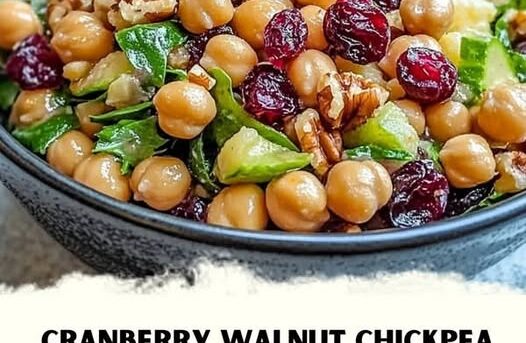
cranberry walnut chickpea

Crispy and golden-brown on the outside, soft and savory on the inside, these Vegan Veggie Patties are packed with chickpeas, rice, spinach, and carrot and seasoned with garlic, cumin, and fresh herbs. They hold together perfectly, they are easy to shape, and they are ready in about 35 minutes with simple pantry ingredients.

The mix is built to be sturdy and flavorful. Mashed chickpeas give the patties body and plant protein, and cooked rice adds tenderness and helps bind everything together. Finely grated carrot and chopped spinach bring color, moisture, and nutrients, while rolled oats and a little flour soak up extra liquid so the patties stay firm. Garlic, onion, cumin, smoked paprika, and lemon juice give them a bold, savory flavor that stands up on its own.

A quick pan-fry in a little oil creates that irresistible golden-brown crust, or you can bake or air fry them for a lighter version. Serve them in burger buns with all the toppings, tuck them into pita with hummus, or enjoy them on a plate with a creamy dip and a fresh salad.

They are great for meal prep, freeze beautifully, and are a hit with kids and adults alike.

This recipe is 100% vegan, egg-free, dairy-free, and easily made gluten-free.


Recipe Information

Prep TimeCook TimeTotal TimeServingsCalories
20 mins15 mins35 mins4 (8 patties)~340 kcal

Ingredients

For the Patties

  • 1 can (400g) chickpeas, drained, rinsed, and patted dry
  • 1 cup (about 160g) cooked rice, cooled (white or brown)
  • 1 medium carrot, finely grated
  • 1½ cups (about 45g) fresh spinach, finely chopped
  • ½ small onion, finely diced
  • 3 cloves garlic, minced
  • ½ cup (45g) rolled oats
  • 2 tbsp all-purpose flour (or chickpea flour for gluten-free)
  • 2 tbsp nutritional yeast
  • 1 tbsp soy sauce or tamari
  • 1 tbsp lemon juice
  • 1 tsp ground cumin
  • 1 tsp smoked paprika
  • ½ tsp dried oregano
  • ¾ tsp salt, to taste
  • ¼ tsp black pepper
  • 2 tbsp chopped fresh parsley

For Cooking

  • 3 tbsp neutral oil for pan-frying

For the Quick Garlic Yogurt Dip

  • ½ cup (120g) plain unsweetened plant-based yogurt
  • 1 small clove garlic, grated
  • 1 tbsp lemon juice
  • 1 tbsp chopped fresh dill or mint
  • Salt and pepper to taste

To Serve

  • Burger buns or pita
  • Lettuce, tomato, and sliced onion
  • Pickles
  • Roasted potatoes or a green salad

Optional Additions

  • Pinch of chili flakes
  • Crumbled vegan feta
  • Corn kernels
  • Sesame seeds to coat the patties

Instructions

  1. Mash the chickpeas. In a large bowl mash the chickpeas with a fork or potato masher until mostly broken down, leaving some texture.
  2. Add the vegetables. Stir in the rice, carrot, spinach, onion, and garlic.
  3. Season and bind. Add the oats, flour, nutritional yeast, soy sauce, lemon juice, spices, salt, pepper, and parsley. Mix until the mixture holds together when pressed. If it is too wet, add 1–2 tablespoons of oats. If it is too dry, add a splash of water.
  4. Chill. Refrigerate the mixture for 15 minutes so the oats absorb moisture and the patties firm up.
  5. Shape. With damp hands, form the mixture into 8 patties about ¾ inch thick and press them firmly.
  6. Pan-fry. Heat the oil in a non-stick skillet over medium heat. Cook the patties in batches for 4–5 minutes per side, without moving them, until deep golden brown and crisp. Drain on paper towels.
  7. Make the dip. Stir together the yogurt, garlic, lemon juice, herbs, salt, and pepper.
  8. Serve. Serve the patties warm in buns or pita, or on a plate with the dip and fresh vegetables.

Pro Tips for Perfect Golden-Brown Patties

  • Pat the chickpeas dry. Excess moisture makes the patties fall apart.
  • Use cooled rice. Cold rice is firmer and binds better than warm rice.
  • Chill the mixture. Chilling helps the patties hold their shape while cooking.
  • Press the patties firmly. Compact patties are less likely to crumble.
  • Cook over medium heat. This gives a golden crust without burning the outside.
  • Do not move them while cooking. Leave them for 4–5 minutes so the crust can form.
  • Flip carefully. Use a wide spatula and flip only once.

Why These Patties Are a Smart Meal

Chickpeas provide plant protein, fiber, folate, and iron, and spinach and carrot add vitamin A, vitamin K, and antioxidants. Oats contribute soluble fiber, and nutritional yeast adds B vitamins and a savory, cheesy flavor.

Compared with store-bought frozen patties, homemade ones contain no preservatives and far less sodium. A serving of 2 patties provides about 13 grams of plant protein and 8 grams of fiber, which makes it filling and satisfying.


Flavor Variations

  • Spicy Patties: Add chili flakes and a spoonful of harissa.
  • Mediterranean Patties: Add sun-dried tomatoes, olives, and oregano.
  • Curry Patties: Add curry powder and turmeric and serve with mango chutney.
  • Baked Patties: Bake at 400°F (200°C) for 25 minutes, turning once.

Nutritional Highlights (Per Serving — 2 patties)

CaloriesProteinCarbsFiberFat
~340 kcal13g44g8g12g

Storage

  • Refrigerator: Store cooked patties in an airtight container for up to 5 days.
  • Freezer: Freeze cooked or uncooked patties with parchment between them for up to 3 months. Cook from frozen, adding 2–3 minutes per side.
  • Reheating: Re-crisp in a pan, oven, or air fryer for 5–8 minutes.
  • Make ahead: Mix and shape the patties up to 1 day ahead and cook just before serving.

Frequently Asked Questions

Why are my patties falling apart?

The mixture may be too wet or not chilled. Add more oats, chill for 15 minutes, and press firmly.

Can I bake them instead of frying?

Yes. Bake at 400°F (200°C) for 25 minutes, flipping once. They will be a little softer than pan-fried.

Can I air fry them?

Yes. Brush with oil and air fry at 375°F (190°C) for 10–12 minutes, flipping halfway.

Can I make them gluten-free?

Use certified gluten-free oats, chickpea flour, and tamari.

Can I use other beans?

Yes. White beans or black beans also work. Mash them well and pat them dry.

What can I use instead of rice?

Cooked quinoa, millet, or mashed potato all work as binders.


Tried this recipe? Leave a comment below and let us know how it turned out! Tag us on Instagram and Facebook — we love seeing your plant-powered creations. Looking for more easy vegan dinners? Browse all recipes on Easy Vegan Recipes — new recipes posted every single week!

Vegan Watermelon Feta Salad with Marinated Tofu Feta, Fresh Mint and Lime

WATERMELON FETA SALAD

Juicy, sweet watermelon cubes, salty and tangy vegan feta, cool cucumber, red onion, and a flurry of fresh mint, all tossed in a bright lime and olive oil dressing. This Vegan Watermelon Feta Salad is the ultimate summer salad: sweet, salty, crunchy, and cooling in every bite, ready in just 15 minutes with no cooking at all.

The “feta” is made from firm tofu marinated in lemon juice, apple cider vinegar, olive oil, garlic, oregano, and a little nutritional yeast. After about 30 minutes it turns tangy, salty, and crumbly, just like the real thing, and soaks up all the flavor of the marinade. It is a simple trick that makes this salad completely dairy-free without losing the contrast that makes watermelon and feta such a classic pair.

A light dressing of lime juice, olive oil, and a touch of maple syrup brings it all together, while a sprinkle of black pepper and flaky salt makes the watermelon taste even sweeter. Fresh mint adds a cooling lift, and toasted pumpkin seeds give a bit of crunch.

Serve it as a side dish at barbecues and picnics, a light lunch, or a refreshing starter for a warm-weather dinner. It is easy to scale up for a crowd and always disappears first at a potluck.

This recipe is 100% vegan, gluten-free, dairy-free, and ready in 15 minutes plus marinating time.


Recipe Information

Prep TimeMarinate TimeTotal TimeServingsCalories
15 mins30 mins45 mins4~210 kcal

Ingredients

For the Marinated Tofu Feta

  • 200g extra-firm tofu, pressed for 10 minutes
  • 2 tbsp lemon juice
  • 1 tbsp apple cider vinegar
  • 1 tbsp olive oil
  • 1 tbsp nutritional yeast
  • 1 tsp dried oregano
  • ½ tsp garlic powder
  • ½ tsp salt
  • ¼ tsp black pepper

For the Salad

  • 5 cups (about 700g) seedless watermelon, cut into bite-size cubes
  • 1 large cucumber, diced
  • ¼ small red onion, very thinly sliced
  • ¼ cup (10g) fresh mint leaves, torn
  • 2 tbsp toasted pumpkin seeds

For the Lime Dressing

  • 3 tbsp extra virgin olive oil
  • 2 tbsp lime juice
  • 1 tsp maple syrup
  • ¼ tsp salt
  • Freshly cracked black pepper

To Serve

  • Flaky sea salt
  • Extra mint leaves
  • Lime wedges

Optional Additions

  • Chopped fresh basil
  • Kalamata olives
  • Pinch of chili flakes
  • Balsamic glaze drizzle

Instructions

  1. Make the feta. Crumble the pressed tofu into chunky pieces with your hands. Mix the lemon juice, vinegar, olive oil, nutritional yeast, oregano, garlic powder, salt, and pepper in a bowl, add the tofu, and toss gently. Marinate for at least 30 minutes in the fridge, or up to overnight.
  2. Chill the watermelon. Cut the watermelon into cubes and keep it in the fridge until serving, since the salad is best very cold.
  3. Soak the onion. Place the sliced red onion in cold water for 5 minutes, then drain. This softens the sharp flavor.
  4. Make the dressing. Whisk together the olive oil, lime juice, maple syrup, salt, and pepper.
  5. Assemble. Combine the watermelon, cucumber, and onion in a large bowl or platter. Drizzle with the dressing and toss gently.
  6. Top and serve. Scatter the marinated tofu feta, torn mint, and pumpkin seeds over the top. Finish with flaky salt and serve right away.

Pro Tips for the Best Watermelon Feta Salad

  • Use a ripe, cold watermelon. It should feel heavy for its size and taste sweet.
  • Press the tofu well. Drier tofu crumbles like feta and absorbs more marinade.
  • Marinate for at least 30 minutes. The longer it sits, the tangier it gets.
  • Dress the salad right before serving. Watermelon releases water, which can make the salad soggy.
  • Soak the onion. It takes the harshness out of raw onion.
  • Tear the mint, do not chop it. This keeps it from bruising and turning dark.
  • Add the salt at the end. Flaky salt on top brings out the sweetness.

Why This Salad Is a Summer Favorite

Watermelon is about 92% water, which makes it hydrating, and it provides vitamin C, vitamin A, and lycopene, an antioxidant. Cucumber adds more water and crunch, while mint brings a cooling flavor and freshness.

Tofu feta supplies plant protein and calcium, and pumpkin seeds add magnesium, zinc, and healthy fats. A serving provides about 9 grams of protein and 3 grams of fiber, which makes it light yet satisfying. It is also low in saturated fat and cholesterol free.


Flavor Variations

  • Cashew Feta Version: Blend soaked cashews with lemon juice, nutritional yeast, and salt for a creamier feta.
  • Spicy Watermelon Salad: Add sliced jalapeño and a pinch of chili flakes.
  • Balsamic Watermelon Salad: Drizzle with balsamic glaze and add fresh basil.
  • Grilled Watermelon Salad: Grill thick watermelon wedges for a smoky, caramelized flavor.

Nutritional Highlights (Per Serving)

CaloriesProteinCarbsFiberFat
~210 kcal9g20g3g12g

Storage

  • Refrigerator: The salad is best fresh. Store leftovers in an airtight container for up to 1 day, though the watermelon will release water.
  • Tofu feta: Store separately for up to 5 days in its marinade.
  • Make ahead: Marinate the tofu up to 2 days ahead and chop the vegetables just before serving.
  • Not suitable for freezing.

Frequently Asked Questions

How do I keep the salad from getting watery?

Dress it right before serving and drain any extra liquid from the watermelon cubes.

Can I use store-bought vegan feta?

Yes. Any vegan feta works. Add it just before serving.

Can I make the tofu feta ahead?

Yes. It keeps for up to 5 days in the marinade and tastes better after a day.

Can I use other melons?

Yes. Cantaloupe or honeydew work, but watermelon gives the best contrast with the salty feta.

Can I make it nut-free?

Yes. The recipe is nut-free as written. Use sunflower seeds instead of pumpkin seeds for a different crunch.

What can I serve with it?

Grilled vegetables, veggie burgers, falafel, or a pasta salad all work well.


Tried this recipe? Leave a comment below and let us know how it turned out! Tag us on Instagram and Facebook — we love seeing your plant-powered creations. Looking for more fresh vegan salads? Browse all recipes on Easy Vegan Recipes — new recipes posted every single week!