dairy-free soup

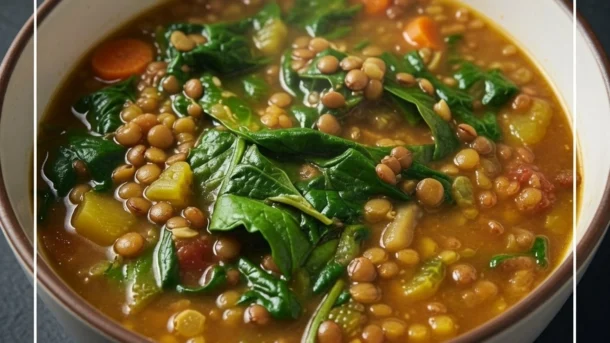
Vegan Spinach And Lentil Soup

vegan spinach and lentil soup

There are soups you make because the weather turned cold and something warm is needed. And then there are soups like this Vegan Spinach and Lentil Soup — the kind that fills the kitchen with the most extraordinary aroma of toasted cumin and caramelized onion and garlic as it simmers, that pours into the bowl a deep, burnished amber-gold with vivid emerald spinach folded through it in a way that makes it look genuinely, beautifully alive, and that delivers with every single spoonful a warmth and nourishment so profound and so genuine that you feel it in your body as much as you taste it on your tongue. This is that soup. The one that has become a weekly ritual in households across the world. The one that is simultaneously the most effortless and the most deeply satisfying thing you will cook all week. The one that is so packed with plant-based protein, iron, fiber, and an almost overwhelming concentration of vitamins and minerals that eating it feels like a genuinely restorative act.

This is a soup of extraordinary simplicity and extraordinary depth — red lentils that cook down into a silky, naturally thickened base of remarkable richness and body, aromatic onion and garlic and ginger caramelized slowly into sweetness, a carefully chosen spice blend of cumin, turmeric, coriander, and smoked paprika that fills the soup with warmth and complexity without overwhelming the clean, earthy character of the lentils, bright lemon that lifts and sharpens everything in the bowl at the very last moment, and generous handfuls of fresh spinach stirred in at the end and wilted just enough to remain vivid and nutritionally intact while contributing their characteristic earthy mineral freshness to every spoonful.

What makes this soup so genuinely outstanding is how much it achieves from so little. Red lentils — one of the most affordable, most accessible, and most nutritionally impressive ingredients available anywhere in the world — dissolve partially during cooking to create a naturally thick, creamy, hearty soup base that requires no cream, no blending, and no thickening agents of any kind. The lentils do all the work themselves, releasing their natural starches into the broth and creating a consistency and body that feels deeply substantial and satisfying despite requiring nothing more than a pot, some water, and time.

This recipe is 100% vegan, naturally gluten-free, extraordinarily high in plant-based protein and iron, ready in just 35 minutes, made in a single pot, and absolutely spectacular served with warm crusty bread, a squeeze of fresh lemon, a swirl of good olive oil, and nothing else required because the soup itself is complete and magnificent exactly as it is.


Recipe Information

Prep TimeCook TimeTotal TimeServingsCalories
10 mins25 mins35 mins6~280 kcal

Ingredients

For the Soup

  • 2 cups (400g) red lentils, rinsed thoroughly until water runs clear
  • 6 cups (1.4 litres) good quality vegetable broth
  • 1 can (400g) crushed tomatoes
  • 5 cups (150g) fresh spinach, roughly chopped (or 250g frozen spinach, thawed and squeezed)
  • 1 large white or yellow onion, finely diced
  • 6 cloves garlic, minced
  • 1 tbsp fresh ginger, peeled and finely grated
  • 3 tbsp olive oil
  • Juice of 1 large lemon
  • 1 tsp salt, plus more to taste
  • Black pepper to taste

The Spice Blend

  • 2 tsp ground cumin
  • 1½ tsp turmeric
  • 1 tsp ground coriander
  • 1 tsp smoked paprika
  • ½ tsp chili powder or cayenne (adjust to heat preference)
  • ¼ tsp cinnamon
  • ¼ tsp black pepper

Optional Add-ins

  • 1 medium sweet potato, peeled and diced (adds beautiful sweetness)
  • 1 can (400g) chickpeas, drained (adds extra protein and texture)
  • 1 medium carrot, diced (adds sweetness and body)
  • 2 stalks celery, diced (adds depth)
  • 1 medium zucchini, diced
  • ¼ cup (15g) fresh cilantro, roughly chopped (stir in at end)
  • 1 tbsp tahini (swirl in at end for creaminess)

For the Crispy Spiced Oil Topping (Optional but Extraordinary)

  • 3 tbsp olive oil
  • 1 tsp cumin seeds
  • ½ tsp smoked paprika
  • ¼ tsp chili flakes
  • 2 cloves garlic, thinly sliced

To Serve

  • Warm crusty sourdough or flatbread
  • A generous squeeze of fresh lemon
  • Drizzle of best quality extra virgin olive oil
  • Fresh cilantro or parsley, roughly chopped
  • Chili flakes for heat and color
  • Vegan yogurt or coconut cream swirled on top
  • The crispy spiced oil drizzled over the surface

Instructions

  1. Rinse the lentils thoroughly. Place the red lentils in a fine mesh sieve and rinse under cold running water for a full 2 minutes, stirring with your fingers, until the water runs completely clear. Rinsing removes surface starches and any dust or debris and produces a cleaner-tasting, clearer finished soup. Red lentils cook very quickly and do not require soaking — they are ready to cook immediately after rinsing.
  2. Build the aromatic base. Heat the olive oil in a large heavy-bottomed pot or Dutch oven over medium heat until shimmering. Add the finely diced onion and a generous pinch of salt and cook for 6–8 minutes, stirring regularly, until the onion is deeply golden, soft, and beginning to caramelize at the edges. This step cannot be rushed — properly caramelized onion is the flavor foundation of the entire soup and the depth of sweetness it provides is completely irreplaceable. Add the minced garlic and grated ginger and cook for a further 2 minutes until incredibly fragrant.
  3. Bloom the spice blend. Add all the spices — cumin, turmeric, coriander, smoked paprika, chili powder, cinnamon, and black pepper — to the caramelized onion and stir continuously for 60–90 seconds until the spices are deeply fragrant, darkened slightly, and coating everything in the pot in a rich, aromatic paste. Blooming the spices in the hot oil activates their essential oils and deepens their flavor dramatically — this single step is responsible for a significant portion of the extraordinary depth of the finished soup.
  4. Add tomatoes and cook down. Pour in the crushed tomatoes and stir well to combine with the spiced onion base. Cook over medium-high heat for 3–4 minutes, stirring frequently, until the tomatoes have darkened slightly and the oil begins to separate around the edges of the mixture — this brief cooking concentrates the tomato flavor and removes any raw, acidic taste that would otherwise carry through to the finished soup.
  5. Add lentils and broth. Add the rinsed red lentils and stir to coat thoroughly in the spiced tomato base. Pour in the vegetable broth and stir well to combine. Bring to a vigorous boil over high heat then reduce to a steady simmer. Cook uncovered for 18–22 minutes, stirring occasionally, until the lentils have completely dissolved and the soup has thickened to a rich, creamy, naturally thick consistency. Red lentils break down completely during cooking — there should be virtually no whole lentil pieces remaining in the finished soup.
  6. Add the spinach. Reduce the heat to medium and add the fresh spinach in three or four large handfuls, stirring between each addition to allow the spinach to wilt into the soup before adding more. Cook for 2–3 minutes until all the spinach is wilted and incorporated. Do not overcook the spinach — it should remain bright green and slightly textured rather than turning grey and mushy. The vivid green of the spinach against the golden soup is one of the most beautiful visual qualities of this dish.
  7. Finish with lemon and adjust seasoning. Remove from heat and squeeze in the lemon juice — this final addition is non-negotiable. The acid from the lemon lifts and brightens the entire flavor profile of the soup dramatically, cutting through the richness of the lentils and amplifying every spice note simultaneously. Taste and adjust the seasoning generously with additional salt, black pepper, lemon juice, or chili powder. The finished soup should taste deeply savory, warmly spiced, slightly tangy from the lemon, and intensely satisfying.
  8. Make the crispy spiced oil topping. If using heat the olive oil in a small skillet over medium heat. Add the cumin seeds and cook for 30 seconds until they begin to pop and are fragrant. Add the sliced garlic and cook for 60–90 seconds until golden at the edges — watching carefully as garlic can burn quickly. Remove from heat and add the smoked paprika and chili flakes — the residual heat will bloom the spices without burning them. Drizzle immediately over the served soup for an extraordinary finishing touch.
  9. Serve beautifully and generously. Ladle the soup into warmed bowls and finish each serving with a generous squeeze of additional lemon juice, a drizzle of best quality extra virgin olive oil or the crispy spiced oil, a scattering of fresh cilantro or parsley, chili flakes for color, and a swirl of vegan yogurt or coconut cream if desired. Serve immediately with warm bread alongside for the most complete and satisfying meal imaginable.

Pro Tips for the Most Extraordinary Vegan Lentil Soup

  • Caramelize the onion fully and without rushing. The single most important step in this soup is cooking the onion to genuine caramelization — deep golden, soft, and sweet rather than merely translucent. This takes 6–8 minutes at medium heat and produces a depth of sweetness and complexity that is the defining flavor characteristic of a truly great lentil soup. A hurried, undercooked onion produces a flat, one-dimensional soup. A properly caramelized onion produces something genuinely extraordinary.
  • Bloom the spices in hot oil before adding liquid. This is the technique that separates a great spiced soup from an ordinary one. The fat-soluble flavor compounds in spices are activated and intensified by contact with hot oil in a way that contact with water cannot replicate. 60–90 seconds of continuous stirring in hot oil before adding any liquid produces spice flavors of dramatic depth and complexity.
  • Cook the tomatoes until the oil separates. The brief period of cooking the tomatoes until the oil visibly separates and pools around the edges signals that the tomato base is properly cooked — sweet, concentrated, and free of the raw, tinny flavor that undercooked tomato contributes. This takes 3–4 minutes of active cooking and is completely worth the time.
  • Add the lemon juice off the heat at the very end. Lemon juice added during cooking loses its brightness and fresh citrus character during simmering. Added at the very end off the heat it retains its full, vibrant acidity and transforms the flavor of the entire bowl — cutting through the earthiness of the lentils and lifting every spice note simultaneously. Never add it earlier than the final moment.
  • Make the crispy spiced oil topping. This optional but extraordinary finishing step — warm olive oil infused with cumin seeds, golden garlic, smoked paprika, and chili flakes drizzled over the bowl at the moment of serving — adds a layer of aromatic warmth, visual drama, and textural interest that elevates a very good soup into something genuinely spectacular. It takes less than three minutes and makes an enormous difference to the finished result.
  • Season in layers throughout cooking. Adding all the salt at the end of cooking produces a one-dimensional, surface seasoning. Adding a pinch with the onion, seasoning again after the tomatoes, and tasting and adjusting throughout produces a soup where the seasoning is integrated into every layer of flavor — deeply and uniformly seasoned rather than merely salty on the surface.

The Extraordinary Nutritional Power of Red Lentils

Red lentils are one of the most nutritionally impressive foods available anywhere in the plant kingdom — and the casual accessibility and extraordinary affordability of this ingredient makes them one of the most important foods in plant-based cooking.

A single serving of this soup provides approximately 18 grams of plant-based protein from the lentils alone — equivalent to a significant portion of the daily protein requirement for most adults and comparable to the protein content of a substantial serving of chicken or fish. Lentils achieve this remarkable protein density while simultaneously providing virtually no saturated fat — making them nutritionally superior to animal protein sources for cardiovascular health in every meaningful metric.

The iron content of red lentils is one of their most important and most underappreciated qualities. A single serving of this soup provides approximately 6–8mg of non-heme iron — representing 30–45% of the daily recommended intake for adult women and up to 75% for adult men. The addition of lemon juice at the end of cooking is not merely a flavor decision — the Vitamin C in lemon juice dramatically increases the bioavailability of the non-heme iron in the lentils through a specific chemical interaction that converts the iron to its more absorbable ferrous form. This is why the lemon juice is non-negotiable in this recipe from a nutritional as well as a culinary perspective.

The fiber content of this soup is equally extraordinary. A single serving provides approximately 12 grams of dietary fiber — nearly half the daily recommended intake — including both soluble fiber that feeds beneficial gut bacteria and reduces cholesterol absorption, and insoluble fiber that promotes healthy digestive transit and reduces the risk of colorectal cancer.

Turmeric — used generously in the spice blend — provides curcumin with its well-documented anti-inflammatory properties. Cumin contributes thymoquinone with antioxidant and anti-inflammatory properties alongside enhanced iron absorption from its naturally occurring compounds. Ginger provides gingerols and shogaols with potent anti-nausea, anti-inflammatory, and immune-supporting properties. Spinach provides Vitamins K, A, C, and folate alongside iron and calcium. Together these ingredients create a soup of extraordinary medicinal as well as culinary value.


Flavor Variations

  • Coconut Lentil Soup: Replace one cup of the vegetable broth with full-fat coconut cream and add a teaspoon of curry powder to the spice blend for a richer, creamier, more tropical version with a beautiful golden color and a subtle sweetness from the coconut that is particularly extraordinary with fresh cilantro and toasted coconut flakes on top.
  • Moroccan Lentil Soup: Add half a teaspoon of ras el hanout, a pinch of saffron dissolved in hot water, and a quarter cup of dried apricots roughly chopped to the soup for a Moroccan-inspired version with extraordinary complexity and a beautiful sweet-savory balance that is spectacular with warm flatbread and a dollop of harissa.
  • Lemon and Herb Finished: Stir in a generous handful of fresh cilantro, fresh parsley, and fresh mint at the very end alongside the lemon juice for a brighter, more herbaceous version with a beautiful freshness that lifts the earthy lentil base into something lighter and more vibrant — particularly beautiful in spring and summer.
  • Chunky Vegetable Version: Add diced sweet potato, carrot, and celery with the lentils for a chunkier, more substantial version with additional sweetness from the vegetables and a more complex textural experience — perfect for anyone who prefers a heartier soup with more body and variety in every spoonful.

Nutritional Highlights (Per Serving)

CaloriesProteinCarbsFiberFat
~280 kcal18g40g12g6g

At just 280 calories per serving this soup delivers one of the most impressive nutritional profiles of any single dish in plant-based cooking — 18 grams of plant-based protein, 12 grams of dietary fiber, and an extraordinary concentration of iron, folate, potassium, magnesium, and B vitamins from the red lentils alongside Vitamins K, A, and C from the spinach, powerful anti-inflammatory compounds from the turmeric and ginger, and meaningful antioxidant protection from the smoked paprika and tomatoes. This is food that heals as it nourishes — a soup of genuine medicinal character that happens also to be one of the most deeply comforting and satisfying bowls imaginable.


Storage

  • Refrigerator: Store cooled soup in an airtight container in the refrigerator for up to 6 days. This soup is one of those genuinely extraordinary recipes that improves significantly with every passing day — the spices deepen and bloom further during storage and the lentils continue to absorb the surrounding flavors producing an even richer, more complex soup by day 3 than on the day it was made. Add a splash of vegetable broth when reheating as the soup thickens considerably during refrigeration.
  • Freezer: This soup freezes beautifully for up to 4 months — making it one of the finest batch-cooking recipes available. Cool completely before transferring to freezer-safe containers in individual or family-sized portions. Thaw overnight in the refrigerator and reheat gently in a pot over medium heat, stirring frequently and adding vegetable broth or water to restore the original consistency. The flavor is virtually indistinguishable from freshly made after freezing and thawing.
  • Meal prep: This soup is one of the most outstanding meal prep recipes available — make a full pot on Sunday and have genuinely nourishing, deeply satisfying lunches and dinners available for the entire week with zero additional cooking effort. Portion into individual containers, refrigerate, and reheat as needed throughout the week.
  • Reheating: Reheat over medium heat in a pot with a generous splash of vegetable broth or water, stirring regularly. The soup will be significantly thicker after refrigeration — thin to the desired consistency with additional liquid before serving. Do not boil aggressively during reheating as this can affect the texture of the lentils.

Frequently Asked Questions

Can I use green or brown lentils instead of red?

Yes — green and brown lentils produce a different but equally delicious soup. They do not dissolve during cooking the way red lentils do — they retain their shape and produce a chunkier, more textured soup with a slightly earthier, more robust flavor. Green and brown lentils also take longer to cook — approximately 35–40 minutes rather than the 18–22 minutes needed for red lentils. Both are nutritionally outstanding choices.

Why did my lentil soup turn out too thick?

Red lentils absorb liquid voraciously during cooking and particularly during storage — a soup that seems perfectly consistency when cooked can become very thick indeed after refrigeration. Add additional vegetable broth or water in generous splashes during cooking or reheating and stir well to incorporate until the desired consistency is achieved. The soup will continue to thicken as it cools — aim for a slightly thinner consistency than desired when hot.

Can I make this soup in an Instant Pot?

Yes — this soup adapts beautifully to pressure cooker preparation. Sauté the aromatics and bloom the spices using the sauté function then add the rinsed lentils, broth, and tomatoes. Cook on high pressure for 12 minutes followed by a natural pressure release of 10 minutes. Add the spinach and lemon juice after releasing pressure and stir until the spinach wilts. The result is a soup of identical flavor to the stovetop version produced in significantly less time.

Is this soup suitable for freezing with the spinach already added?

Yes — spinach freezes well in this soup without any significant degradation in flavor or texture after thawing. The spinach will be slightly softer after freezing and reheating than when freshly added but still delicious and nutritionally intact. For the most vibrant color and freshest flavor in a reheated frozen soup stir in a fresh handful of spinach during reheating rather than relying on the spinach that was frozen with the soup.

How do I make this soup more filling?

For a more substantial meal stir in a drained can of chickpeas in the final 5 minutes of cooking — the combination of red lentils and chickpeas produces a soup of extraordinary protein density and incredible staying power. Serving with a thick slice of seeded sourdough bread adds complex carbohydrates and additional fiber. A swirl of tahini stirred in at the end adds healthy fats that promote satiety and give the soup a beautiful creamy richness.

Can I make this soup without tomatoes?

Yes — replace the crushed tomatoes with an additional cup of vegetable broth and add a tablespoon of tomato paste for concentrated flavor without the bulk of canned tomatoes. The soup will be lighter in color and slightly less complex in flavor but still deeply delicious. Alternatively replace the tomatoes with a cup of roasted red pepper purée for a sweeter, more vibrant version with a beautiful color and a different but equally appealing flavor character.


Tried this recipe? Leave a comment below and let us know how it turned out! Tag us on Instagram and Facebook — we love seeing your plant-powered creations. Looking for more warming, nourishing vegan soup and dinner recipes? Browse all recipes on Easy Vegan Recipes — new recipes posted every single week!

Vegan Cauliflower Soup with Roasted Garlic, Creamy Cashew and Crispy Chickpeas

vegan cauliflower soup

Silky, velvety, and full of mellow roasted flavor, this Vegan Cauliflower Soup tastes rich and creamy without any dairy. Cauliflower and roasted garlic are simmered until tender, then blended with a little cashew cream into a smooth, luxurious soup that is topped with crispy, spiced chickpeas for crunch. It takes about 45 minutes and uses simple everyday ingredients.

The secret to deeply flavored cauliflower soup is roasting. Roasting the cauliflower and garlic together at high heat caramelizes their natural sugars, turning the soup nutty, sweet, and savory instead of plain. A sautéed base of onion and leek, a touch of Dijon mustard, and a little nutmeg round out the flavor, while a splash of lemon juice at the end keeps it bright.

Blended with soaked cashews, the soup turns creamy and glossy with no heavy cream. Topped with crispy paprika chickpeas, a drizzle of olive oil, and fresh chives, every spoonful has a mix of silky and crunchy.

Serve it as a light dinner with crusty bread, a starter for a holiday meal, or a make-ahead lunch. It reheats beautifully and freezes well, which makes it ideal for meal prep.

This recipe is 100% vegan, dairy-free, gluten-free, and naturally low in calories.


Recipe Information

Prep TimeCook TimeTotal TimeServingsCalories
15 mins35 mins50 mins6~240 kcal

Ingredients

For the Roasted Cauliflower

  • 1 large head cauliflower (about 900g), cut into florets
  • 1 head garlic, top sliced off
  • 2 tbsp olive oil
  • ½ tsp salt
  • ¼ tsp black pepper

For the Soup

  • 1 tbsp olive oil
  • 1 medium yellow onion, diced
  • 1 leek, white and light green parts only, sliced (optional)
  • 4 cups (950ml) vegetable broth
  • 1 cup (240ml) unsweetened plant milk
  • ½ cup (70g) raw cashews, soaked in hot water for 15 minutes and drained
  • 1 tsp Dijon mustard
  • 1 tbsp nutritional yeast
  • ¼ tsp ground nutmeg
  • ¾ tsp salt, to taste
  • ¼ tsp white or black pepper
  • 1–2 tbsp lemon juice

For the Crispy Chickpeas

  • 1 can (400g) chickpeas, drained, rinsed, and patted very dry
  • 1 tbsp olive oil
  • ½ tsp smoked paprika
  • ½ tsp garlic powder
  • ¼ tsp salt

To Serve

  • Fresh chives
  • Olive oil drizzle
  • Crusty bread
  • Cracked black pepper
  • Toasted pumpkin seeds

Optional Additions

  • 1 medium potato for extra body
  • Pinch of curry powder
  • Truffle oil drizzle
  • Vegan parmesan

Instructions

  1. Roast the cauliflower. Heat the oven to 425°F (220°C). Toss the florets with 2 tablespoons of oil, salt, and pepper on a large baking sheet. Add the garlic head, cut side up, drizzled with a little oil and wrapped loosely in foil. Roast for 25–30 minutes, turning the florets once, until golden brown at the edges.
  2. Roast the chickpeas. On a separate tray, toss the dry chickpeas with oil, paprika, garlic powder, and salt. Roast for 20–25 minutes, shaking the pan once, until crisp.
  3. Cook the base. Heat 1 tablespoon of oil in a large pot over medium heat. Add the onion and leek and cook for 6–8 minutes until soft but not browned.
  4. Simmer. Add the roasted cauliflower, squeeze in the roasted garlic cloves, and pour in the vegetable broth and plant milk. Bring to a gentle simmer and cook for 10 minutes.
  5. Blend. Add the soaked cashews, mustard, nutritional yeast, nutmeg, salt, and pepper. Blend with an immersion blender or in batches in a regular blender until completely smooth and creamy. Vent the lid and be careful with the hot liquid.
  6. Adjust. Stir in the lemon juice. Taste and adjust the salt and pepper. Add a splash of broth if the soup is too thick.
  7. Serve. Ladle into bowls and top with crispy chickpeas, chives, olive oil, and cracked pepper. Serve with crusty bread.

Pro Tips for the Silkiest Cauliflower Soup

  • Roast the cauliflower. This adds deep, nutty flavor instead of a plain boiled taste.
  • Roast the garlic with it. Sweet, soft roasted garlic makes the soup richer.
  • Blend for a few minutes. A longer blend makes the soup silkier.
  • Use a high-speed blender for the smoothest result. An immersion blender works too, but may leave tiny bits.
  • Pat the chickpeas dry. Dry chickpeas get much crispier.
  • Add the lemon at the end. It brightens the flavors.
  • Thin as needed. Add a little extra broth for a lighter soup.

Why This Soup Is Good for You

Cauliflower is rich in vitamin C, vitamin K, folate, and fiber, and it is low in calories and carbohydrates. Cashews give the soup creaminess along with healthy fats and magnesium, and chickpeas add plant protein and extra fiber.

Compared with a traditional cream soup, this version has no cholesterol and much less saturated fat. A serving provides about 9 grams of plant protein and 6 grams of fiber, which makes it light yet filling.


Flavor Variations

  • Curried Cauliflower Soup: Add 2 teaspoons of curry powder and a pinch of turmeric.
  • Cheesy Cauliflower Soup: Add extra nutritional yeast and a spoonful of white miso.
  • Roasted Garlic and Potato Soup: Add a diced potato for a thicker, heartier soup.
  • Nut-Free Version: Replace the cashews with white beans or coconut cream.

Nutritional Highlights (Per Serving)

CaloriesProteinCarbsFiberFat
~240 kcal9g26g6g12g

Storage

  • Refrigerator: Store the soup in an airtight container for up to 5 days. Store the crispy chickpeas separately.
  • Freezer: Freeze the soup for up to 3 months. Thaw overnight and reheat gently, adding a splash of broth.
  • Reheating: Warm on the stove over low heat, stirring often.
  • Make ahead: Make the soup a day ahead, and roast the chickpeas just before serving.

Frequently Asked Questions

Can I make it without cashews?

Yes. Use white beans, a peeled potato, or full-fat coconut milk for creaminess.

Do I have to roast the cauliflower?

No, but roasting adds a lot of flavor. You can boil it instead for a lighter, milder soup.

Can I make it gluten-free?

Yes. The recipe is naturally gluten-free as long as your broth is gluten-free.

Can I use frozen cauliflower?

Yes. Roast it straight from frozen at a high temperature, though it will brown less.

Why is my soup bitter?

Overcooked or browned garlic can taste bitter. Roast it wrapped in foil, and do not let it burn.

How do I make it thicker?

Add a diced potato, simmer longer, or blend in more cashews or white beans.


Tried this recipe? Leave a comment below and let us know how it turned out! Tag us on Instagram and Facebook — we love seeing your plant-powered creations. Looking for more cozy vegan soups? Browse all recipes on Easy Vegan Recipes — new recipes posted every single week!

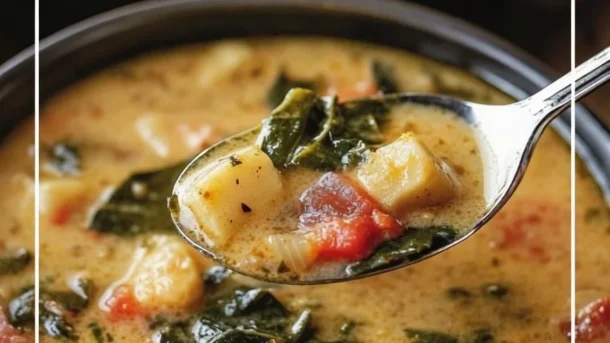
Vegan Zuppa Toscana Soup with Crispy Mushroom Sausage, Potatoes and Kale

vegan zuppa toscana soup

Creamy, savory, and loaded with tender potatoes, silky kale, and crispy Italian-spiced “sausage,” this Vegan Zuppa Toscana Soup is the ultimate cozy bowl. Inspired by the classic Tuscan soup, it delivers all the rich, comforting flavor without any meat or dairy, and it comes together in one pot in about 45 minutes.

The plant-based sausage in this soup is made from crumbled mushrooms and chickpeas seasoned with fennel seed, smoked paprika, garlic, and chili flakes. Pan-fried until deeply browned, it gives the soup the hearty, savory bite that makes Zuppa Toscana so loved. Simmered in a garlicky vegetable broth with sliced potatoes and finished with a splash of creamy coconut milk or cashew cream, the soup turns velvety and full-bodied.

Kale is stirred in at the end so it stays bright green and tender, adding a fresh, slightly earthy contrast to the rich broth. A squeeze of lemon and a sprinkle of vegan parmesan on top lift every bite.

This is a perfect soup for chilly evenings, meal prep lunches, or feeding a crowd, and it tastes even better the next day.

This recipe is 100% vegan, dairy-free, and easily made gluten-free.


Recipe Information

Prep TimeCook TimeTotal TimeServingsCalories
15 mins30 mins45 mins6~310 kcal

Ingredients

For the Mushroom Sausage

  • 250g cremini or white mushrooms, finely chopped or pulsed
  • 1 can (400g) chickpeas, drained and lightly mashed
  • 1 tbsp olive oil
  • 1 tbsp soy sauce or tamari
  • 2 tsp fennel seeds, lightly crushed
  • 1 tsp smoked paprika
  • 1 tsp dried oregano
  • ½ tsp garlic powder
  • ½ tsp chili flakes
  • ¼ tsp black pepper
  • 1 tbsp tomato paste

For the Soup

  • 1 tbsp olive oil
  • 1 large yellow onion, diced
  • 4 cloves garlic, minced
  • 4 medium Yukon gold potatoes (about 600g), sliced into ¼ inch rounds and halved
  • 6 cups (1.4L) vegetable broth
  • 1 bay leaf
  • 1 tsp dried Italian herbs
  • ¾ tsp salt, to taste
  • 1 can (400ml) full-fat coconut milk, or 1 cup cashew cream
  • 4 cups (about 150g) chopped kale, stems removed
  • 1 tbsp lemon juice

To Serve

  • Vegan parmesan
  • Crusty bread or garlic toast
  • Chili flakes
  • Fresh parsley
  • Lemon wedges

Optional Additions

  • 1 cup white beans for extra protein
  • Spinach in place of kale
  • Sun-dried tomatoes
  • Smoked tofu cubes

Instructions

  1. Brown the sausage. Heat 1 tablespoon of oil in a large pot over medium-high heat. Add the mushrooms and cook for 6–8 minutes until the moisture cooks off and they start to brown. Add the chickpeas, soy sauce, fennel, paprika, oregano, garlic powder, chili flakes, pepper, and tomato paste. Cook for 4–5 minutes, stirring, until crispy and deeply browned. Remove and set aside.
  2. Sauté the aromatics. In the same pot, add another tablespoon of oil and the onion. Cook for 5 minutes until soft. Add the garlic and cook for 1 minute.
  3. Simmer the potatoes. Add the potatoes, broth, bay leaf, Italian herbs, and salt. Bring to a boil, then reduce to a simmer and cook for 12–15 minutes until the potatoes are tender but not falling apart.
  4. Make it creamy. Stir in the coconut milk. For a thicker soup, lightly mash a few potato slices against the side of the pot.
  5. Add the greens. Stir in the kale and half of the crispy sausage. Simmer for 3–5 minutes until the kale is tender and bright green.
  6. Finish. Remove the bay leaf, stir in lemon juice, and taste for salt and pepper.
  7. Serve. Ladle into bowls and top with the remaining crispy sausage, vegan parmesan, chili flakes, and parsley. Serve with crusty bread.

Pro Tips for the Best Zuppa Toscana

  • Brown the mushrooms well. Cook off all the moisture first so they turn savory and crisp.
  • Crush the fennel seeds. Fennel is what gives the classic Italian sausage flavor.
  • Slice potatoes evenly. Uniform slices cook at the same rate.
  • Add kale late. This keeps it vibrant and tender, not mushy.
  • Use full-fat coconut milk. It gives the creamiest, richest broth.
  • Add lemon at the end. It brightens the whole pot.
  • Save some sausage for topping. The crisp bits on top add contrast.

Why This Soup Is So Satisfying

Potatoes provide potassium, vitamin C, and slow-digesting carbohydrates, while kale adds vitamin K, vitamin A, and antioxidants. Mushrooms and chickpeas bring plant protein, fiber, and a meaty texture, and fennel and paprika supply big flavor without added fat.

A serving gives around 9 grams of protein and 7 grams of fiber, making it a filling meal on its own. Coconut milk gives creaminess without dairy, so the soup is cholesterol free and suitable for those avoiding lactose.


Flavor Variations

  • Spicy Toscana: Double the chili flakes and add a splash of hot sauce.
  • Smoky Bean Toscana: Replace the mushroom sausage with smoked white beans and smoked paprika.
  • Low-Fat Version: Use unsweetened plant milk and a spoonful of cashew butter in place of coconut milk.
  • Sweet Potato Toscana: Swap half the potatoes for sweet potato for extra sweetness.

Nutritional Highlights (Per Serving)

CaloriesProteinCarbsFiberFat
~310 kcal9g36g7g15g

Storage

  • Refrigerator: Store in an airtight container for up to 5 days. The potatoes will soften slightly.
  • Freezer: Freeze without the kale for up to 2 months. Thaw overnight and add fresh kale when reheating. Potatoes may soften further.
  • Reheating: Warm gently on the stove, adding a splash of broth or plant milk if it has thickened.
  • Make ahead: Cook the sausage and soup base a day ahead, then add the kale and coconut milk when reheating.

Frequently Asked Questions

Can I make it without coconut milk?

Yes. Use cashew cream, oat cream, or unsweetened plant milk blended with a few soaked cashews.

Can I use other greens?

Yes. Spinach, chard, or collard greens all work. Spinach cooks faster, so add it at the very end.

How do I make it thicker?

Mash some of the potatoes into the broth, or blend a cup of the soup and stir it back in.

Can I make it gluten-free?

Use tamari instead of soy sauce and check that your broth is gluten-free.

Can I use plant-based store-bought sausage?

Yes. Slice and brown 2–3 vegan sausages and add them in place of the mushroom mixture.

Can I make it in a slow cooker?

Yes. Brown the sausage first, then cook everything except kale and coconut milk on low for 6 hours. Add those at the end.


Tried this recipe? Leave a comment below and let us know how it turned out! Tag us on Instagram and Facebook — we love seeing your plant-powered creations. Looking for more cozy vegan soups? Browse all recipes on Easy Vegan Recipes — new recipes posted every single week!

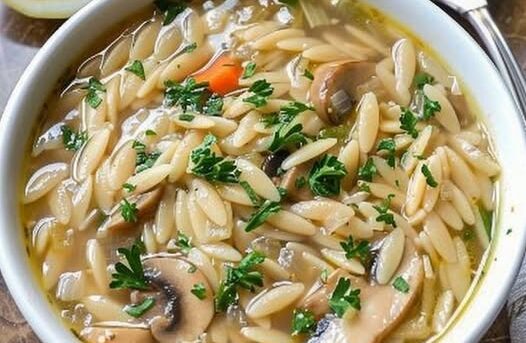
Vegan Mushroom Lemon Orzo Soup with Garlic, Fresh Dill and a Silky White Bean Broth

mushroom lemon orzo soup

Bright, lemony, and deeply savory all at once, this Vegan Mushroom Lemon Orzo Soup is a bowl of sunshine on a cold day. Golden browned mushrooms, tender orzo pasta, garlic, and fresh dill simmer in a light, silky broth that is finished with a generous squeeze of lemon. It tastes like a lighter, plant-based cousin of Greek lemon soup, and it is ready in about 35 minutes.

The broth gets its gentle creaminess without any dairy or eggs. A portion of the soup is blended with canned white beans and returned to the pot, giving the broth a velvety body while keeping it light and bright. Lemon juice and zest stirred in at the end bring the fresh, tangy flavor that makes this soup special, and a spoonful of white miso or soy sauce adds savory depth.

Mushrooms are cooked in a hot pan until deeply browned before they go into the pot, which gives the soup a meaty, earthy flavor. Orzo cooks right in the broth, so the starch helps thicken the soup further. Fresh dill and parsley finish it off.

Serve it with crusty bread for a light dinner, or pack it for lunch. It is also an easy way to get something warm and comforting on the table on a busy weeknight.

This recipe is 100% vegan, dairy-free, egg-free, and nut-free.


Recipe Information

Prep TimeCook TimeTotal TimeServingsCalories
10 mins25 mins35 mins4–6~290 kcal each

Ingredients

For the Soup

  • 2 tbsp olive oil
  • 1 lb (450g) cremini mushrooms, sliced
  • 1 medium onion, diced
  • 2 celery stalks, diced
  • 2 carrots, diced
  • 5 garlic cloves, minced
  • 1 tsp dried thyme
  • 6 cups (1.4 liters) vegetable broth
  • 1 can (15 oz / 400g) white beans (cannellini or great northern), drained and rinsed
  • ¾ cup (140g) orzo pasta
  • 1 tbsp white miso paste or soy sauce
  • 1 bay leaf
  • ½ tsp salt, plus more to taste
  • ¼ tsp black pepper

To Finish

  • Zest of 1 lemon
  • 3–4 tbsp lemon juice (about 1½ lemons)
  • 3 tbsp chopped fresh dill
  • 2 tbsp chopped fresh parsley
  • Olive oil for drizzling

To Serve

  • Crusty bread
  • Lemon wedges
  • Vegan parmesan
  • Cracked black pepper

Optional Additions

  • Baby spinach
  • Chickpeas
  • Chili flakes
  • Nutritional yeast

Instructions

  1. Brown the mushrooms. Heat 1 tablespoon olive oil in a large pot over medium-high heat. Add the mushrooms in a single layer, with a pinch of salt, and cook for 6–8 minutes without stirring too often, until deeply golden. Transfer to a plate.
  2. Build the base. Add the remaining olive oil to the pot. Cook the onion, celery, and carrots for 6–7 minutes until soft. Add the garlic and thyme and cook for 1 minute.
  3. Simmer. Add the broth, bay leaf, miso, salt, and pepper. Bring to a boil.
  4. Make the creamy base. Blend half of the white beans with 1 cup of the hot broth until completely smooth. Stir it back into the pot along with the remaining whole beans.
  5. Cook the orzo. Stir in the orzo and simmer for 8–10 minutes, stirring often, until tender. Return the mushrooms to the pot for the last 2 minutes.
  6. Finish. Remove the bay leaf. Turn off the heat and stir in the lemon zest, lemon juice, dill, and parsley. Taste and add more salt or lemon.
  7. Serve. Ladle into bowls and drizzle with olive oil. Serve with lemon wedges and crusty bread.

Pro Tips for the Best Mushroom Lemon Orzo Soup

  • Brown the mushrooms well. A hot pan and no crowding give a deep flavor.
  • Add lemon off the heat. Cooking lemon juice dulls its brightness.
  • Blend the beans. This gives silky body without cream.
  • Stir often once the orzo goes in. It can stick to the bottom.
  • Add extra broth when storing. Orzo keeps absorbing liquid as it sits.
  • Use fresh dill. Dried dill does not give the same freshness.
  • Season at the end. Lemon and miso both affect the saltiness.
  • Taste before serving. Adjust the lemon to your liking.

A Few Notes on Ingredients

Mushrooms provide savory umami flavor and some B vitamins. White beans add fiber and plant protein and make the broth creamy. Lemon adds vitamin C and a fresh flavor that balances the richness.

This is a light but filling soup. For a heartier meal, add chickpeas or serve it with a thick slice of toasted bread.


Flavor Variations

  • Spinach Lemon Orzo Soup: Stir in baby spinach at the end.
  • Spicy Version: Add chili flakes or a pinch of cayenne.
  • Gluten-Free Version: Use gluten-free orzo or rice, and check the label on the miso.
  • Protein-Packed Version: Add chickpeas or crispy tofu.

Nutritional Highlights (Per Serving)

CaloriesProteinCarbsFiberFat
~290 kcal12g44g8g7g

Storage

  • Refrigerator: Store in an airtight container for up to 4 days. The orzo will absorb broth, so add a splash of broth or water when reheating.
  • Freezer: Freeze the soup without the orzo for up to 3 months, and add freshly cooked orzo when reheating.
  • Reheat: Warm gently on the stove, then add fresh lemon and herbs.
  • Make ahead: Make the base up to 2 days ahead and add the orzo and lemon just before serving.

Frequently Asked Questions

Can I use another pasta?

Yes. Small shapes such as ditalini or small shells work, but cooking times vary.

Why is my soup too thick the next day?

The orzo keeps absorbing broth. Thin it with a little hot broth or water.

Can I make it creamier?

Blend more of the beans, or stir in a splash of plant cream at the end.

Can I make it gluten-free?

Use gluten-free orzo or rice, and check that your miso is gluten-free.

Can I use dried mushrooms?

Yes. Soak a handful in hot water and add the soaking liquid to the broth, leaving any grit behind.

How is this different from your other mushroom recipes?

This is a light, lemon-forward brothy soup with orzo and a white bean-thickened broth. Our Vegan One-Pot Mushroom Soup is a richer, deeper soup built around mushrooms and dried porcini, and our Vegan Spinach Mushroom Orzo is a creamy one-pan pasta dish rather than a soup.


Tried this recipe? Leave a comment below and let us know how it turned out! Tag us on Instagram and Facebook — we love seeing your plant-powered creations. Browse all recipes on Easy Vegan Recipes — new recipes posted every single week!

Vegan Pea Soup

vegan pea soup

There are soups that warm you from the outside in. And then there are soups like this Vegan Pea Soup — the kind that reaches somewhere deeper, that fills the kitchen with the most extraordinary sweet, grassy, herbaceous aroma as it simmers, that pours into the bowl a shade of green so vivid and alive it looks like spring distilled into liquid form, and that delivers with every single spoonful a comfort so genuine and so profound that you find yourself making it again the very next week before the memory of the last bowl has even begun to fade. This is that soup. The one that converts people who claim they do not like peas. The one that disappears from the pot before it has properly cooled. The one that is equal parts stunningly beautiful and deeply, powerfully nourishing.

This is a soup of extraordinary simplicity — sweet green peas, aromatic onion and garlic, fragrant fresh mint, bright lemon, and rich vegetable broth blended together into the most velvety, impossibly smooth, vibrantly green cream imaginable. No heavy cream. No butter. No dairy of any kind. Just the natural starchiness of the peas themselves creating a texture so luxuriously thick and silky that every person who eats this soup asks — with genuine disbelief — what you put in it to make it so creamy.

What makes this recipe so remarkable is its speed and accessibility. Twenty minutes from start to finish. One pot. Eight ingredients. A blender. And the result is a soup that tastes like it simmered all day on a professional stove — complex, deeply flavored, beautifully balanced between the sweetness of the peas and the brightness of the lemon and mint, with a depth that belies the extraordinary simplicity of its preparation.

This soup is 100% vegan, naturally gluten-free, high in plant-based protein and fiber, ready in just 20 minutes, and magnificent served with crusty sourdough bread, topped with crispy croutons, drizzled with good olive oil, or simply eaten from a bowl on the sofa on a cold evening with nothing else required.


Recipe Information

Prep TimeCook TimeTotal TimeServingsCalories
5 mins15 mins20 mins4~220 kcal

Ingredients

For the Soup

  • 4 cups (600g) frozen green peas (frozen peas are sweeter and more vibrant than fresh in most seasons)
  • 1 medium white or yellow onion, roughly chopped
  • 4 cloves garlic, roughly chopped
  • 1 medium potato, peeled and roughly diced (approximately 200g — creates extraordinary creaminess)
  • 4 cups (960ml) good quality vegetable broth
  • 1 cup (240ml) unsweetened plant milk (oat or soy work beautifully)
  • 3 tbsp fresh mint leaves, roughly chopped
  • 2 tbsp fresh parsley, roughly chopped
  • 2 tbsp lemon juice, plus zest of 1 lemon
  • 2 tbsp olive oil
  • 1 tsp salt, plus more to taste
  • ½ tsp black pepper
  • ¼ tsp nutmeg (adds a subtle warmth that elevates the entire soup)

Optional Add-ins

  • 1 cup (150g) frozen edamame (adds extra plant-based protein)
  • 1 can (400g) white beans, drained (adds extra creaminess and protein)
  • 1 medium leek, white and light green parts only, sliced (adds beautiful sweetness)
  • 1 medium zucchini, roughly chopped (adds extra body)
  • 1 tsp fresh ginger, grated (adds a beautiful warmth)
  • ¼ tsp cayenne pepper (adds a gentle heat)

For Topping and Serving

  • Drizzle of good quality extra virgin olive oil
  • Fresh mint leaves
  • Freshly cracked black pepper
  • Crispy homemade croutons
  • Vegan cream or coconut cream swirled on top
  • Toasted pumpkin seeds for crunch
  • Chili flakes for color and heat
  • Crusty sourdough or warm pita bread alongside

Instructions

  1. Sauté the aromatics. Heat the olive oil in a large pot over medium heat until shimmering. Add the roughly chopped onion and cook for 4–5 minutes, stirring occasionally, until softened and translucent. Add the garlic and cook for a further 1–2 minutes until fragrant — the kitchen should smell extraordinary at this point. Do not let the garlic brown as this will introduce a bitter note that will carry through the finished soup.
  2. Add the potato and broth. Add the diced potato to the pot and stir to coat in the aromatic oil. Pour in the vegetable broth and bring to a vigorous boil over high heat. Once boiling reduce the heat to a lively simmer and cook for 8–10 minutes until the potato is completely tender when pierced with a fork — a soft, fully cooked potato is essential for achieving the extraordinary creaminess this soup is known for.
  3. Add the peas. Add the frozen peas directly from the freezer to the simmering broth — there is no need to thaw them first. Bring back to a simmer and cook for just 3–4 minutes until the peas are heated through and bright vivid green. Do not overcook the peas — extended cooking destroys the brilliant green color and the fresh, sweet flavor that makes this soup so extraordinary. The peas should be just cooked, just tender, and intensely green.
  4. Add the fresh herbs and lemon. Remove the pot from the heat and add the fresh mint, fresh parsley, lemon juice, and lemon zest. The residual heat will wilt the herbs gently — do not return the pot to the heat after adding the herbs as prolonged cooking dulls their flavor and destroys the vibrant green color they contribute to the finished soup.
  5. Blend to silky perfection. Add the plant milk, salt, pepper, and nutmeg. Using an immersion blender blend the soup directly in the pot until completely smooth and velvety — this takes approximately 2 minutes of continuous blending for a perfectly silky result. Alternatively transfer the soup in batches to a standing blender and blend on high for 60 seconds per batch — a standing blender produces an even silkier, more refined texture than an immersion blender. Be extremely careful when blending hot liquids — fill the blender no more than halfway, hold the lid firmly with a folded kitchen towel, and start on the lowest speed.
  6. Taste and adjust. Taste the blended soup and adjust the seasoning generously — pea soup requires confident seasoning to reach its full potential. Add more salt for depth, more lemon juice for brightness, more mint for freshness, or more black pepper for warmth. The soup should taste sweet, bright, deeply savory, and intensely of fresh green peas with a beautiful herbal freshness from the mint.
  7. Reheat gently if needed. If the soup has cooled during blending return it to the pot over low heat and warm gently, stirring continuously, until heated through. Do not boil the blended soup as this can cause it to lose its vivid green color and fresh flavor.
  8. Serve beautifully. Ladle the soup into warmed bowls — warming the bowls briefly in a low oven or with hot water keeps the soup at the perfect temperature longer. Finish each bowl with a generous drizzle of your best extra virgin olive oil, a scattering of fresh mint leaves, a few toasted pumpkin seeds for texture and crunch, a pinch of chili flakes for color and warmth, and a generous crack of fresh black pepper. Serve immediately with warm crusty bread alongside.

Pro Tips for the Perfect Vegan Pea Soup

  • Use frozen peas over fresh in most seasons. Frozen peas are harvested and frozen at peak ripeness within hours of picking — preserving their sweetness, their vivid color, and their nutritional content far better than fresh peas that have been sitting in transport and on supermarket shelves for days. Frozen peas produce a more vibrant, sweeter, more consistently excellent soup than fresh peas in every season except the height of summer when truly fresh peas are available locally.
  • Add potato for extraordinary creaminess. The diced potato cooked into the broth and blended with the peas is the secret to the extraordinary thick, velvety, cream-like texture of this soup without a single drop of dairy cream. The starch from the potato creates a body and richness that is completely indistinguishable from a cream-based soup. Do not skip it.
  • Never overcook the peas. The vivid, extraordinary green color of this soup is one of its most remarkable qualities — and it is entirely dependent on not overcooking the peas. Add the frozen peas, cook for exactly 3–4 minutes until just tender, remove from heat immediately, and blend without delay. Overcooked peas turn grey and dull and produce a soup that looks unappetizing regardless of how it tastes.
  • Blend for longer than you think necessary. The difference between a good pea soup and an extraordinary one is often simply the length of time it is blended. Blend for a full 2 minutes with an immersion blender or 60 seconds in a standing blender on high — the extended blending creates a silkiness and refinement of texture that shorter blending simply cannot achieve.
  • Season boldly and confidently. Pea soup requires generous seasoning — particularly salt and lemon — to reach its full potential. Season at multiple stages of cooking rather than only at the end, and taste repeatedly. The final soup should be bright, well-seasoned, and deeply flavorful rather than timid and flat.
  • Warm your bowls before serving. This simple step — running hot water into the serving bowls for 60 seconds before ladling in the soup — keeps the soup at the perfect temperature for significantly longer and makes the entire eating experience more pleasurable. It is one of the simplest and most effective restaurant techniques available to the home cook.

The Extraordinary Nutritional Power of Green Peas

Green peas are one of the most nutritionally outstanding vegetables available and are dramatically underestimated by most people as a source of genuine nutrition. Understanding what makes them so remarkable helps explain why this soup is so much more than just a comforting bowl of something warm and green.

Protein is where green peas truly distinguish themselves from almost every other vegetable. A single cup of green peas contains approximately 8 grams of plant-based protein — more protein than a tablespoon of peanut butter and significantly more than most people expect from a vegetable. This makes pea soup one of the most protein-dense vegetable soups available and an outstanding choice for anyone following a plant-based diet who wants to maintain adequate protein intake.

The fiber content of green peas is equally impressive. A single serving of this soup provides approximately 8 grams of dietary fiber — supporting healthy digestion, feeding beneficial gut bacteria, promoting lasting satiety, and helping to regulate blood sugar levels by slowing the absorption of carbohydrates. This fiber content is a significant part of why this soup is so filling and sustaining despite its relatively modest calorie count.

Green peas are extraordinarily rich in Vitamin K — providing over 40% of the daily recommended intake per serving — which is essential for blood clotting, bone health, and cardiovascular function. They are also significant sources of Vitamins C, B1, B6, and folate, as well as meaningful amounts of iron, manganese, phosphorus, and zinc.

The antioxidant profile of green peas is particularly impressive — they contain carotenoids, flavonoids, and polyphenols that protect cells from oxidative damage, reduce systemic inflammation, and support long-term cellular health in ways that have been studied and confirmed in multiple clinical research contexts.

Fresh mint — used generously in this recipe — contributes its own meaningful nutritional and medicinal benefits. Mint has been studied for its ability to support digestive health, reduce bloating and gas, provide antimicrobial protection, and deliver a meaningful concentration of Vitamin A, iron, and powerful antioxidant compounds including rosmarinic acid.


Flavor Variations

  • Spiced Indian Inspired: Add 1 teaspoon of cumin, half a teaspoon of turmeric, half a teaspoon of coriander, and a tablespoon of grated fresh ginger to the sautéed aromatics. Replace the mint with fresh cilantro and serve with warm naan bread and a swirl of coconut cream for a vibrantly spiced version with a beautiful golden-green color.
  • Leek and Pea: Replace the onion with two medium leeks — white and light green parts only — for a sweeter, more delicate base flavor that pairs beautifully with the peas. Add a tablespoon of white wine to the sautéed leeks and allow to cook off before adding the broth for an additional layer of complexity.
  • Pea and Mint with Coconut: Replace the plant milk with full-fat coconut milk for a richer, more luscious soup with a subtle tropical creaminess that works beautifully with the mint and lemon. Top with toasted coconut flakes and a swirl of additional coconut cream.
  • Chunky Style: Reserve one cup of whole cooked peas before blending and stir them back into the blended soup for a version that has both the silky cream base and satisfying whole pea texture throughout — offering the best of both worlds in a single bowl.
  • Pea and Ham Style Without the Ham: Add half a teaspoon of smoked paprika and a quarter teaspoon of liquid smoke to the soup before blending for a subtle smokiness that evokes the classic pea and ham soup flavor entirely through plant-based means.

Nutritional Highlights (Per Serving)

CaloriesProteinCarbsFiberFat
~220 kcal10g32g8g6g

At just 220 calories per serving this soup delivers a genuinely exceptional nutritional return — 10 grams of plant-based protein, 8 grams of dietary fiber, and an extraordinary concentration of Vitamins K, C, B1, and folate alongside iron, manganese, and powerful antioxidant compounds. The combination of peas and potato provides a complete range of complex carbohydrates for sustained energy alongside meaningful plant-based protein. The olive oil contributes heart-healthy monounsaturated fats and aids in the absorption of the fat-soluble vitamins present in the peas and herbs. This is one of the finest examples of food that is simultaneously deeply comforting, genuinely delicious, and powerfully nourishing available in the entire plant-based recipe canon.


Storage

  • Refrigerator: Store cooled soup in an airtight container in the refrigerator for up to 5 days. The soup thickens considerably as it cools — add a splash of vegetable broth or plant milk when reheating and stir well to restore the original consistency. The flavor actually improves slightly on day 2 as the herbs and aromatics continue to infuse through the soup.
  • Freezer: This soup freezes beautifully for up to 3 months. Allow to cool completely before transferring to freezer-safe containers or zip lock bags — freeze in individual portion sizes for the most convenient reheating system. Thaw overnight in the refrigerator and reheat gently in a pot over low heat, stirring continuously and adding a splash of broth to restore the consistency.
  • Reheating: Always reheat this soup gently over low to medium heat rather than at a vigorous boil — aggressive reheating can cause the blended soup to separate and lose its silky texture. Stir continuously while reheating and add liquid as needed to restore the original consistency.
  • Do not refreeze: Once thawed do not refreeze this soup. Thaw only the portion you intend to use immediately.

Frequently Asked Questions

Can I use fresh peas instead of frozen?

Yes — fresh peas produce a spectacular soup when they are genuinely in season and freshly podded. Use the same quantity by weight and reduce the cooking time to 2–3 minutes as fresh peas cook slightly faster than frozen. Outside of peak pea season — late spring to early summer — frozen peas are actually superior in flavor and color to fresh peas that have been sitting in transit and on shelves.

Why is my pea soup not bright green?

A dull, grey-green pea soup is almost always the result of overcooking the peas. Peas should be added to the simmering broth, cooked for exactly 3–4 minutes, and blended immediately. Extended cooking destroys the chlorophyll in the peas which is responsible for their vibrant green color. Adding the fresh mint and parsley off the heat rather than cooking them also preserves the vivid color of the finished soup.

Can I make this soup without a blender?

Yes — use a potato masher to mash the cooked vegetables as finely as possible directly in the pot for a rustic, chunky-style pea soup rather than a smooth cream. The texture will be entirely different but still deeply delicious. Alternatively press the soup through a fine mesh sieve with a spoon for a smooth result without a blender — this takes more effort but produces a beautifully refined texture.

How do I make this soup thicker?

For a thicker soup add an additional half potato during cooking, use less broth, or blend for longer to incorporate more air and starch into the mixture. Alternatively stir in 2 tablespoons of cashew cream or full-fat coconut cream after blending for a richer, thicker consistency.

Can I add noodles or grains to this soup?

Yes — cooked orzo, small pasta shapes, brown rice, or pearl barley can all be stirred into the finished blended soup for a more substantial, heartier meal. Add them after blending and heat through gently. Cooked grains absorb the soup as it sits so add extra broth if storing leftovers with grains already incorporated.

Is this soup suitable for children?

Absolutely — this is one of the finest soups for children of all ages. Its natural sweetness from the peas makes it genuinely appealing to young palates and its vivid green color makes it exciting and visually engaging. Omit the chili flakes and reduce the black pepper for younger children. The high protein and fiber content make it a genuinely nourishing meal for growing children.


Tried this recipe? Leave a comment below and let us know how it turned out! Tag us on Instagram and Facebook — we love seeing your plant-powered creations. Looking for more warming, nourishing vegan soup and dinner recipes? Browse all recipes on Easy Vegan Recipes — new recipes posted every single week!
Easy Vegan Vegetable Soup with Potatoes, Green Beans, Carrots and Herby Tomato Broth

vegetable soup

A big pot of Easy Vegan Vegetable Soup is the kind of simple, nourishing meal that never goes out of style. Tender potatoes, carrots, celery, and green beans simmer in a light, savory tomato broth with garlic, thyme, and bay leaf, and the whole pot is ready in about 40 minutes with one pot and basic ingredients.

This is a classic, brothy vegetable soup, with no pasta, no beans, and no cream, just a good variety of vegetables and a broth with real flavor. That makes it light, healthy, and easy to customize with whatever is in your fridge.

The flavor comes from the first step. Onion, carrot, and celery are cooked in olive oil until soft and sweet, then garlic, tomato paste, and herbs are cooked briefly to deepen the taste. A splash of soy sauce adds savory depth, and a squeeze of lemon at the end brightens everything.

The vegetables go in at different times so that nothing turns to mush. Potatoes and carrots go in first, green beans and peas toward the end. If you like a thicker soup, mash a few of the potatoes against the side of the pot. It makes the broth silky without any cream.

This soup is dairy-free, egg-free, and gluten-free (if your broth and soy sauce, or tamari, are gluten-free). It is also nut-free. Check the label on your vegetable broth, because some contain allergens such as celery or soy.


Recipe Information

Prep TimeCook TimeTotal TimeServingsCalories
15 mins30 mins45 mins6~160 kcal each

Ingredients

For the Soup

  • 2 tbsp olive oil
  • 1 large yellow onion, diced
  • 3 carrots, peeled and sliced
  • 3 celery stalks, sliced
  • 4 garlic cloves, minced
  • 2 tbsp tomato paste
  • 1½ tsp dried thyme
  • 1 tsp dried oregano
  • ½ tsp smoked paprika
  • 3 medium Yukon gold potatoes (about 450g), cut into ½-inch cubes
  • 1 can (400g) diced tomatoes, with juices
  • 6 cups (1.5 litres) vegetable broth
  • 2 bay leaves
  • 1 tbsp soy sauce or tamari
  • 1½ cups (170g) green beans, trimmed and cut into 1-inch pieces
  • 1 cup (140g) frozen peas
  • 2 cups (60g) baby spinach or chopped kale, optional
  • 1 tbsp lemon juice
  • Salt and black pepper, to taste

To Serve

  • Fresh parsley, chopped
  • Crusty bread
  • Extra black pepper

Instructions

  1. Cook the base. Heat the olive oil in a large pot over medium heat. Add the onion, carrots, and celery with a pinch of salt. Cook for 7–8 minutes, stirring, until softened.
  2. Add the aromatics. Add the garlic, tomato paste, thyme, oregano, and smoked paprika. Cook for 1–2 minutes, stirring, until the tomato paste darkens slightly and smells fragrant.
  3. Add the potatoes and broth. Stir in the potatoes, diced tomatoes, vegetable broth, bay leaves, and soy sauce. Bring to a boil, then reduce the heat to a gentle simmer.
  4. Simmer. Cover partly and cook for 12 minutes, until the potatoes are just starting to soften.
  5. Add the green beans. Stir in the green beans and cook for 6–8 minutes, until the potatoes are tender and the beans are bright and just tender.
  6. Finish. Stir in the peas and spinach. Cook for 2 minutes. Remove the bay leaves. Stir in the lemon juice. Taste and adjust the salt and pepper.
  7. Serve. Ladle into bowls, top with parsley, and serve with crusty bread.

Pro Tips for the Best Vegetable Soup

  • Cook the onion, carrot, and celery slowly. This builds the flavor.
  • Cook the tomato paste for a minute to remove its raw taste.
  • Cut vegetables to a similar size so they cook evenly.
  • Add quick-cooking vegetables at the end.
  • Season in layers. Taste at the end and add salt as needed.
  • Add lemon juice at the end for brightness.
  • Mash a few potatoes against the pot for a thicker broth.
  • Use a good vegetable broth, since it is the base of the soup.

A Few Notes on Ingredients

Yukon gold potatoes hold their shape and add a creamy texture. Any vegetable broth works, and low-sodium broth gives you control over the salt. Fresh or frozen green beans work. You can add or swap vegetables such as zucchini, corn, parsnip, or cabbage, adjusting the timing for how quickly each cooks. Soy sauce adds umami, and a pinch of nutritional yeast also works.


Flavor Variations

  • Italian Version: Add Italian seasoning and a Parmesan-style vegan topping.
  • Hearty Version: Add white beans or chickpeas.
  • Noodle Version: Add small pasta in the last 10 minutes.
  • Spicy Version: Add chili flakes.
  • Creamy Version: Blend 2 cups of soup and stir it back in.
  • Green Version: Add extra kale and fresh herbs.

Nutritional Highlights (Per Serving)

CaloriesProteinCarbsFiberFat
~160 kcal4g27g5g4g

Storage

  • Refrigerator: Store for up to 5 days.
  • Freezer: Freeze for up to 3 months. Leave out the peas and spinach and add them fresh when reheating.
  • Reheating: Warm on the stove, adding a splash of broth if needed.
  • Make ahead: Soups taste even better the next day.

Frequently Asked Questions

Can I use frozen vegetables?

Yes. Add them near the end of cooking.

How do I make it thicker?

Mash some of the potatoes, or blend a cup of soup and stir it back in.

Can I make it in a slow cooker?

We have not tested it. Cook the base on the stove first, then slow cook the remaining ingredients.

Can I freeze it?

Yes. Freeze without the peas and spinach for the best texture.

Why is my soup bland?

It likely needs more salt, a splash of lemon, or a longer cook of the base vegetables.

How is this different from your other vegetable soups?

This is a classic brothy soup with potatoes, green beans, and carrots. Our Vegan Chickpea and Orzo Vegetable Soup has chickpeas and pasta, and our Vegan Veggie Tortilla Soup has a spicy tomato chipotle broth.


Tried this recipe? Leave a comment below and let us know how it turned out! Tag us on Instagram and Facebook — we love seeing your plant-powered creations. Browse all recipes on Easy Vegan Recipes — new recipes posted every single week!
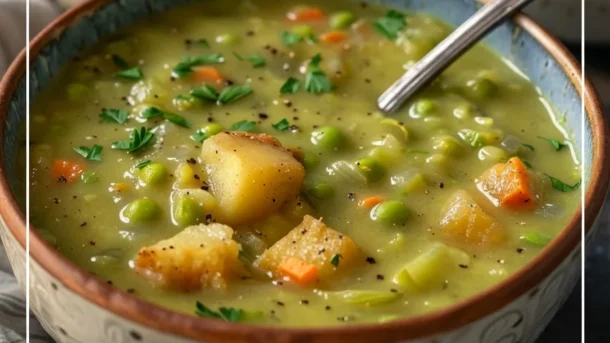
Hearty Vegan Sausage and Sauerkraut Soup with Potatoes, Smoked Paprika and Caraway

sausage sauerkraut soup

Smoky browned vegan sausage, tender potatoes, and tangy sauerkraut simmered in a rich, paprika-scented broth with caraway and bay leaf: this Hearty Vegan Sausage and Sauerkraut Soup is a bold, cozy, Eastern European-inspired bowl for cold days. It is ready in about 50 minutes in one pot.

Sauerkraut soups are a staple across Poland, Germany, and Eastern Europe, where tangy fermented cabbage is simmered into rustic, filling soups that warm you through. Traditional versions are made with smoked pork or sausage. This plant-based version keeps all the sour, smoky, savory flavor with no meat, using sliced vegan smoked sausage, smoked paprika, tomato paste, and a splash of soy sauce for depth.

The method is simple. Onion, carrot, and garlic are sautéed, then caraway seeds, smoked paprika, and marjoram are toasted in the oil. Tomato paste and potatoes go in with vegetable broth, and sauerkraut and a little of its brine add that signature tangy bite. Sliced vegan sausage is browned separately and stirred in at the end so it stays meaty and a little crisp at the edges.

Serve it with rye bread, a spoonful of plant-based sour cream, and fresh dill. The flavors deepen overnight, so it is even better the next day. If it tastes too sour, add a little extra potato or a pinch of sugar. If it tastes flat, add more brine.

This recipe is dairy-free and egg-free. It contains soy and gluten if your vegan sausage does, since most are made from wheat gluten or soy. Please check labels on your vegan sausage, sauerkraut, and broth. Use a gluten-free sausage for a gluten-free soup.


Recipe Information

Prep TimeCook TimeTotal TimeServingsCalories
15 mins35 mins50 mins6~330 kcal each

Ingredients

For the Soup

  • 2 tbsp olive oil, divided
  • 1 large onion, diced
  • 2 carrots, diced
  • 4 garlic cloves, minced
  • 1 tbsp tomato paste
  • 1½ tsp smoked paprika
  • 1 tsp caraway seeds, lightly crushed
  • 1 tsp dried marjoram
  • ½ tsp black pepper
  • 1½ lb (680g) Yukon Gold potatoes, peeled and diced into ¾-inch cubes
  • 6 cups (1.4L) vegetable broth
  • 2 bay leaves
  • 1 tbsp soy sauce or tamari
  • 2 cups (about 300g) sauerkraut, drained, with ¼ cup of brine reserved
  • 1 package (about 12 oz / 340g) vegan smoked sausage, sliced into ½-inch rounds
  • 1 tsp salt, plus more to taste

To Serve

  • Fresh dill
  • Rye bread
  • Plant-based sour cream
  • Extra sauerkraut brine

Instructions

  1. Cook the vegetables. Heat 1 tablespoon of oil in a large pot over medium heat. Cook the onion and carrots for 6–7 minutes until soft. Add the garlic and cook for 1 minute.
  2. Toast the spices. Stir in the tomato paste, paprika, caraway, marjoram, and pepper. Cook for 1–2 minutes until fragrant.
  3. Add the potatoes and liquids. Add the potatoes, broth, bay leaves, and soy sauce. Bring to a boil, then reduce to a simmer, cover, and cook for 12 minutes.
  4. Add the sauerkraut. Stir in the sauerkraut and ¼ cup of its brine. Simmer for another 10 minutes, until the potatoes are tender.
  5. Brown the sausage. While the soup simmers, heat the remaining oil in a skillet over medium-high heat. Cook the sausage rounds for 3–4 minutes per side until browned and crisp at the edges.
  6. Combine. Stir the sausage into the soup. Remove the bay leaves. Taste and adjust the salt, pepper, and brine.
  7. Serve. Ladle into bowls. Top with dill and a spoonful of plant-based sour cream, and serve with rye bread.

Pro Tips for the Best Sauerkraut Soup

  • Taste the soup before adding salt. Sauerkraut and broth are already salty.
  • Rinse the sauerkraut briefly if it is very sour, or use less brine.
  • Brown the sausage separately for the best texture.
  • Toast the caraway for a deeper flavor.
  • Use waxy potatoes so they hold their shape.
  • Add the brine gradually. It controls how tangy the soup is.
  • Let the soup rest for 10 minutes before serving.
  • Add a splash of broth when reheating.

A Few Notes on Ingredients

Sauerkraut is fermented cabbage. Look for jarred or refrigerated sauerkraut with just cabbage and salt. Cooking sauerkraut in a hot soup is traditional. Most vegan smoked sausages are made from wheat gluten or soy, and flavors vary, so choose one you enjoy. If you cannot find vegan sausage, use sliced smoked tofu, tempeh, or browned mushrooms. Caraway adds the classic Central European flavor.


Flavor Variations

  • Mushroom Version: Use browned mushrooms instead of sausage.
  • Creamy Version: Stir in a splash of plant cream.
  • Bean Version: Add white beans.
  • Spicy Version: Add red pepper flakes.
  • Smoky Version: Add extra smoked paprika.
  • Slow Cooker Version: Cook on low for 6 hours, then add the sausage at the end.

Nutritional Highlights (Per Serving)

CaloriesProteinCarbsFiberFat
~330 kcal15g38g7g12g

Storage

  • Refrigerator: Store for up to 5 days. The flavor improves the next day.
  • Freezer: Freeze for up to 3 months. Potatoes may soften.
  • Reheating: Warm on the stove with a splash of broth.
  • Make ahead: Make the soup a day ahead.

Frequently Asked Questions

Is sauerkraut vegan?

Usually yes, since it is just cabbage and salt. Check the label.

Is the soup very sour?

It is tangy. Reduce the brine or rinse the sauerkraut for a milder soup.

Can I use a different sausage?

Yes. Any vegan smoked sausage works, or use smoked tofu or mushrooms.

Can I make it gluten-free?

Yes. Use a gluten-free vegan sausage and check the broth.

Can I freeze it?

Yes, though the potatoes may soften.

How is this different from your other cabbage and potato soups?

This is a tangy sauerkraut soup with smoked vegan sausage and caraway. Our Vegan Cabbage Soup is a light dill and white bean soup with fresh cabbage, and our Vegan Creamy Potato Sausage Soup is a creamy, smooth potato soup.


Tried this recipe? Leave a comment below and let us know how it turned out! Tag us on Instagram and Facebook — we love seeing your plant-powered creations. Browse all recipes on Easy Vegan Recipes — new recipes posted every single week!
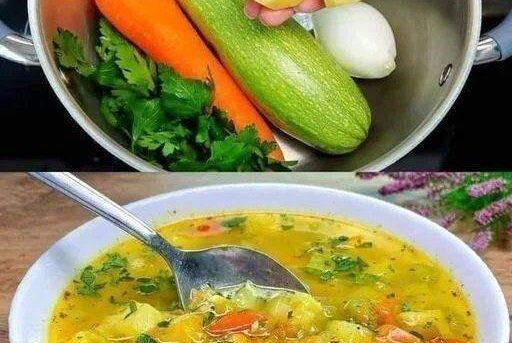
Vegan Lemon “Chicken” and Orzo Soup with Tender Chickpeas, Golden Herb Broth and Fresh Dill

Lemon Chicken and Orzo Soup

Bright, lemony, and golden, this Vegan Lemon “Chicken” and Orzo Soup tastes like the classic chicken and orzo soup you grew up with, made with no chicken at all. Hearty chickpeas stand in for the chicken, and tiny pearls of orzo float in a savory, herb-scented golden broth that is finished with fresh lemon and dill. It is cozy, light, and ready in about 40 minutes in one pot.

The secret to the “chicken soup” flavor is in the broth, not the meat. Onion, carrots, and celery are cooked low and slow until sweet, then garlic, fresh thyme, sage, and a pinch of turmeric go in, which give the soup its golden color and that familiar, warming, homestyle aroma. A spoonful of white miso or nutritional yeast adds a savory depth that makes the vegetable broth taste rich and rounded.

Chickpeas add plant protein and a tender, almost shredded bite when they are lightly mashed in the pot. Orzo cooks right in the broth, and as it does, its starch gives the soup a gentle, silky body. Fresh lemon juice and zest stirred in at the end make it bright and lively, and a handful of dill and parsley keeps it fresh.

It is the perfect soup for cold days, busy weeknights, or when you want something soothing and easy. Serve it with crusty bread. If you are cooking for leftovers, cook the orzo separately to keep it from soaking up all the broth.

This recipe is dairy-free and egg-free. It contains gluten (orzo) and may contain soy (miso). It is nut-free. Please check labels on your broth, orzo, and miso, and use gluten-free orzo for a gluten-free soup.


Recipe Information

Prep TimeCook TimeTotal TimeServingsCalories
10 mins30 mins40 mins6~310 kcal each

Ingredients

  • 2 tbsp olive oil
  • 1 large onion, diced
  • 3 carrots, sliced into half-moons
  • 3 celery stalks, sliced
  • 5 garlic cloves, minced
  • 1 tsp dried thyme (or 1 tbsp fresh thyme leaves)
  • ½ tsp dried sage
  • ½ tsp turmeric
  • ½ tsp black pepper
  • 7 cups (1.7L) vegetable broth
  • 1 tbsp white miso paste or 2 tbsp nutritional yeast
  • 2 bay leaves
  • 2 cans (15 oz / 400g each) chickpeas, drained and rinsed
  • 1 cup (170g) orzo
  • 3 tbsp lemon juice, plus zest of 1 lemon
  • 1 tsp salt, plus more to taste
  • 3 tbsp chopped fresh dill
  • 2 tbsp chopped fresh parsley

To Serve

  • Lemon wedges
  • Crusty bread
  • Black pepper

Instructions

  1. Cook the vegetables. Heat the oil in a large pot over medium heat. Add the onion, carrots, and celery. Cook for 8 minutes until soft.
  2. Add the aromatics. Stir in the garlic, thyme, sage, turmeric, and pepper. Cook for 1 minute.
  3. Add the broth. Pour in the broth. Whisk in the miso. Add the bay leaves and bring to a boil.
  4. Prep the chickpeas. Lightly mash about a third of the chickpeas with a fork, which makes them look and feel more like shredded chicken. Add all the chickpeas to the pot.
  5. Simmer. Reduce to a simmer and cook for 10 minutes.
  6. Cook the orzo. Stir in the orzo and salt. Cook for 8–10 minutes, stirring now and then, until the orzo is tender.
  7. Finish. Remove the bay leaves. Stir in the lemon juice, lemon zest, dill, and parsley. Taste and adjust the salt, pepper, and lemon.
  8. Serve. Ladle into bowls and serve with lemon wedges and crusty bread.

Pro Tips for the Best Lemon Orzo Soup

  • Cook the vegetables slowly for a sweeter broth.
  • Lightly mash some chickpeas for a shredded texture.
  • Add the lemon at the end, since cooking dulls its flavor.
  • Do not overcook the orzo. It continues to soften in the hot broth.
  • For leftovers, cook the orzo separately and add it to each bowl.
  • Add extra broth when reheating, since the orzo absorbs liquid.
  • Taste the broth before adding salt, since brands vary.
  • Finish with fresh dill for the best flavor.

A Few Notes on Ingredients

White miso gives the broth a savory, “chicken-style” depth, and nutritional yeast also works. Turmeric gives a golden color and a mild earthy flavor. Orzo cooks quickly and releases starch that thickens the soup. Plant-based “chicken” strips can be added if you like, but the soup is delicious with just chickpeas. Fresh herbs make a big difference.


Flavor Variations

  • Creamy Version: Stir in a splash of plant cream or blended white beans.
  • Greek-Style Version: Add oregano and a little extra lemon.
  • Greens Version: Stir in spinach or kale.
  • Gluten-Free Version: Use gluten-free orzo or rice.
  • Spicy Version: Add red pepper flakes.
  • Plant-Based Chicken Version: Add plant-based chicken strips at the end.

Nutritional Highlights (Per Serving)

CaloriesProteinCarbsFiberFat
~310 kcal13g50g9g6g

Storage

  • Refrigerator: Store for up to 4 days. Add extra broth when reheating.
  • Freezer: Freeze the soup without the orzo for up to 3 months.
  • Reheating: Warm on the stove with extra broth.
  • Make ahead: Make the broth ahead and cook the orzo fresh.

Frequently Asked Questions

Does it taste like chicken soup?

It has the same homestyle flavor, with a golden herb broth, vegetables, and tender chickpeas, but it is entirely plant-based.

What can I use instead of chicken?

Chickpeas are used here. Plant-based chicken strips also work.

Can I make it gluten-free?

Yes. Use gluten-free orzo or rice.

Can I freeze it?

Yes. Freeze the soup without the orzo and add fresh orzo when reheating.

Can I leave out the miso?

Yes. Use nutritional yeast, or a splash of soy sauce.

How is this different from your other orzo soups?

This is a golden, lemony “chicken-style” soup with chickpeas, herbs, and orzo. Our Chickpea and Orzo Vegetable Soup has zucchini, tomatoes, and a rosemary garlic broth, and our Mushroom Lemon Orzo Soup uses mushrooms and a white bean broth.


Tried this recipe? Leave a comment below and let us know how it turned out! Tag us on Instagram and Facebook — we love seeing your plant-powered creations. Browse all recipes on Easy Vegan Recipes — new recipes posted every single week!

Vegan Chickpea and Orzo Vegetable Soup with Carrots, Zucchini, Tomatoes and a Rosemary Garlic Broth

Chickpea and Orzo Vegetable Soup

Plump chickpeas and tiny pearls of orzo simmered with carrots, celery, zucchini, and tomatoes in a savory rosemary and garlic broth, and finished with fresh spinach and a squeeze of lemon: this Vegan Chickpea and Orzo Vegetable Soup is hearty, cozy, and ready in about 40 minutes in one pot.

This is the kind of soup that tastes like a warm hug. The broth begins with a classic base of onion, carrot, and celery cooked slowly in olive oil, then garlic, tomato paste, rosemary, thyme, and oregano for deep, herby flavor. Crushed tomatoes and vegetable broth turn it into a rich, golden-red broth that is light but full of flavor.

Chickpeas make the soup filling and add plant protein, while the orzo gives it a soft, comforting texture, like a classic noodle soup. Zucchini goes in near the end so it stays tender but not mushy, and baby spinach wilts into the hot broth right before serving.

A splash of lemon juice and a little nutritional yeast brighten and round out the flavor. Serve it with crusty bread for dipping, or with a green salad for a complete meal. It is easy to make, budget-friendly, and great for batch cooking.

This recipe is dairy-free, egg-free, and nut-free. It contains gluten (orzo is wheat pasta). Use gluten-free orzo or small gluten-free pasta to adapt it. Please check labels on your broth, pasta, and canned goods.


Recipe Information

Prep TimeCook TimeTotal TimeServingsCalories
15 mins25 mins40 mins6~290 kcal each

Ingredients

For the Soup Base

  • 2 tbsp olive oil
  • 1 large onion, diced
  • 3 carrots, peeled and sliced into half-moons
  • 3 celery stalks, diced
  • 5 garlic cloves, minced
  • 2 tbsp tomato paste
  • 1 tsp dried oregano
  • 1 tsp dried thyme
  • 1 tsp fresh rosemary, finely chopped (or ½ tsp dried)
  • ½ tsp smoked paprika
  • 1 bay leaf

For the Broth and Vegetables

  • 1 can (28 oz / 800g) crushed tomatoes
  • 6 cups (1.4L) vegetable broth
  • 1 can (15 oz / 400g) chickpeas, drained and rinsed
  • 1 cup (170g) orzo
  • 1 medium zucchini, diced
  • 3 cups (90g) baby spinach
  • 1 tsp salt, plus more to taste
  • ½ tsp black pepper

To Finish

  • 2 tbsp lemon juice
  • 2 tbsp nutritional yeast (optional)
  • Chopped fresh parsley
  • Red pepper flakes, to taste
  • Olive oil, for drizzling

Instructions

  1. Cook the base. Heat the oil in a large pot over medium heat. Add the onion, carrots, and celery with a pinch of salt. Cook for 7–8 minutes, stirring, until softened.
  2. Add the aromatics. Stir in the garlic, tomato paste, oregano, thyme, rosemary, and paprika. Cook for 2 minutes, until the tomato paste darkens.
  3. Build the broth. Add the crushed tomatoes, vegetable broth, bay leaf, salt, and pepper. Bring to a boil, then reduce to a simmer.
  4. Add the chickpeas. Stir in the chickpeas and simmer for 10 minutes so the flavors blend.
  5. Cook the orzo. Add the orzo and zucchini. Cook for 8–10 minutes, stirring often so the orzo does not stick, until it is tender.
  6. Add the greens. Remove the bay leaf. Stir in the spinach until wilted, about 1 minute.
  7. Finish. Stir in the lemon juice and nutritional yeast. Taste and adjust the salt and pepper.
  8. Serve. Ladle into bowls and top with parsley, red pepper flakes, and a drizzle of olive oil.

Pro Tips for the Best Chickpea and Orzo Vegetable Soup

  • Cook the vegetables slowly at the start. This builds flavor.
  • Toast the tomato paste until it darkens for a richer broth.
  • Stir the orzo often so it does not stick to the bottom.
  • Add the zucchini with the orzo so it stays tender but not mushy.
  • Orzo keeps absorbing broth, so add extra broth when reheating.
  • Season at the end, since the broth concentrates as it cooks.
  • Squeeze in lemon off the heat for the brightest flavor.

A Few Notes on Ingredients

Orzo is a small rice-shaped pasta that cooks quickly and gives the soup a comforting texture. Small shells or ditalini work too. Canned chickpeas save time, and dried chickpeas can be used once cooked. Fresh rosemary gives the best flavor, so use less if you use dried.


Flavor Variations

  • Spicy Version: Add more red pepper flakes or a diced chili.
  • Extra Greens: Use kale or chard instead of spinach.
  • Lemon Version: Add lemon zest to the pot.
  • Creamy Version: Stir in a splash of coconut milk.
  • Smoky Version: Add a pinch of cumin and extra paprika.
  • Gluten-Free: Use gluten-free orzo or rice.

Nutritional Highlights (Per Serving)

CaloriesProteinCarbsFiberFat
~290 kcal11g50g9g5g

Storage

  • Refrigerator: Store in an airtight container for up to 4 days. The orzo will soak up broth.
  • Freezer: Freeze without the orzo for up to 3 months, and cook fresh orzo when serving.
  • Reheating: Warm on the stove, adding broth or water to loosen.
  • Make ahead: Make the soup base ahead and cook the orzo when ready to serve.

Frequently Asked Questions

Can I use another pasta?

Yes. Small shells, ditalini, or broken spaghetti work well.

Can I make it gluten-free?

Yes. Use gluten-free orzo or small gluten-free pasta, and check your broth.

Why does my soup get thick overnight?

The orzo keeps absorbing the broth. Add extra broth or water when reheating.

Can I make it in a slow cooker?

Yes. Cook the soup without the orzo on low for 6 hours, then add the orzo and spinach for the last 20 minutes on high.

Can I use frozen vegetables?

Yes. Frozen carrots, peas, or green beans work well.

How is this different from your other soups?

This is a tomato-based vegetable soup with chickpeas and orzo in a rosemary garlic broth. Our Vegan Mushroom Lemon Orzo Soup has a creamy white bean broth with dill, and our Vegan Coconut Miso Chickpea Soup is a creamy Asian-style soup.


Tried this recipe? Leave a comment below and let us know how it turned out! Tag us on Instagram and Facebook — we love seeing your plant-powered creations. Browse all recipes on Easy Vegan Recipes — new recipes posted every single week!

Vegan One-Pot Mushroom Soup

one pot vegan mushroom stroganoff

There are soups you make because something warm is needed. And then there are soups like this Vegan One-Pot Mushroom Soup — the kind that fills the kitchen with the most extraordinary aroma of deeply browned mushrooms and garlic and thyme from the moment the heat goes on, that cooks down into a broth of such remarkable depth and body that it tastes like it simmered for hours rather than thirty-five minutes, and that delivers spoonful after spoonful of rich, earthy, umami-packed satisfaction that makes it genuinely one of the most craveable soups in the entire plant-based repertoire. This is that soup. The one that makes mushroom skeptics reconsider everything. The one that gets made again the very next week.

This recipe builds extraordinary depth from a combination of cremini and dried mushrooms — the fresh mushrooms providing body and texture, the dried mushrooms providing an intensely concentrated umami hit that elevates the entire broth far beyond what fresh mushrooms alone could achieve. A generous amount of garlic, fresh thyme, soy sauce, and a splash of balsamic vinegar add the layers of savory complexity that make this soup so deeply satisfying.

What makes this soup so outstanding is the searing technique — taking the time to brown the mushrooms properly in a hot pan before building the soup around them, producing that deep, caramelized, almost meaty mushroom flavor that is the defining characteristic of a truly great mushroom soup.

This recipe is 100% vegan, naturally gluten-free when made with tamari, ready in just 35 minutes, made in one pot, and absolutely magnificent served with crusty bread for soaking up every last drop of the broth.


Recipe Information

Prep TimeCook TimeTotal TimeServingsCalories
10 mins25 mins35 mins4~180 kcal

Ingredients

For the Soup

  • 600g cremini or mixed mushrooms, sliced
  • 20g dried porcini or shiitake mushrooms
  • 1 cup (240ml) boiling water (for soaking dried mushrooms)
  • 1 large onion, finely diced
  • 5 cloves garlic, minced
  • 2 tbsp olive oil
  • 4 cups (960ml) vegetable broth
  • 2 tbsp soy sauce or tamari
  • 1 tbsp balsamic vinegar
  • 1 tsp fresh thyme leaves (or ½ tsp dried)
  • 1 tsp fresh rosemary, finely chopped
  • Salt and black pepper to taste

Optional Add-ins

  • ½ cup (120ml) plant cream or coconut cream stirred in at the end for a creamy version
  • 1 cup (180g) cooked pearl barley for extra substance
  • A splash of dry white wine added after the garlic
  • 2 tbsp nutritional yeast for extra umami depth

To Serve

  • Crusty bread
  • Fresh parsley, finely chopped
  • A drizzle of good olive oil
  • Cracked black pepper

Instructions

  1. Soak the dried mushrooms. Place the dried mushrooms in a small bowl and pour the boiling water over them. Let soak for 15 minutes until softened. Strain the soaking liquid through a fine sieve and reserve — this mushroom broth is extraordinarily flavorful and goes into the soup. Roughly chop the rehydrated mushrooms.
  2. Sear the fresh mushrooms. Heat the olive oil in a large pot over high heat until shimmering. Add the sliced fresh mushrooms in a single layer — work in batches if needed — and let sit undisturbed for 2–3 minutes until deeply golden on the bottom before stirring. Continue cooking until golden all over and any released liquid has evaporated completely, about 6–8 minutes total. Season with salt and pepper.
  3. Build the aromatics. Reduce heat to medium and add the onion to the pot. Cook for 4–5 minutes until softened. Add the garlic, thyme, and rosemary and cook for 60 seconds until fragrant.
  4. Build the soup. Add the rehydrated chopped mushrooms and their strained soaking liquid to the pot. Add the vegetable broth, soy sauce, and balsamic vinegar. Bring to a boil then reduce to a simmer and cook for 12–15 minutes until the broth has deepened in flavor.
  5. Adjust and serve. Taste and season generously with salt and black pepper. For a creamier version, stir in plant cream at this stage. Serve hot with crusty bread alongside and a scattering of fresh parsley over the top.

Pro Tips

  • Sear the mushrooms properly before building the soup — this step is what creates the deep, almost meaty mushroom flavor that makes this soup so extraordinary. A crowded pan steams rather than sears; use the largest pan you have and work in batches if needed.
  • Never skip the dried mushrooms — they contribute a concentrated umami depth that fresh mushrooms alone cannot replicate, and their soaking liquid adds another layer of rich flavor to the broth.
  • Add the mushroom soaking liquid carefully — pour slowly and leave any grit behind in the bowl, or strain through a fine sieve.
  • Taste and season the broth generously at the end — mushroom soup rewards confident seasoning.

Why Dried Mushrooms Make This Soup Extraordinary

Dried mushrooms contain significantly higher concentrations of glutamates and other umami compounds than fresh mushrooms, as the drying process concentrates all their flavor compounds dramatically. Adding even a small amount of dried porcini or shiitake to a soup that already contains fresh mushrooms creates a depth and complexity that would be impossible to achieve with fresh mushrooms alone, producing a broth that tastes deeply savory and complex rather than merely mushroomy.


Flavor Variations

  • Creamy Mushroom Soup: Stir in half a cup of plant cream or blended cashews at the end for a richer, creamier version.
  • Mushroom and Barley Soup: Add a cup of cooked pearl barley for a more substantial, hearty soup that works as a complete meal.
  • Spicy Mushroom Soup: Add a pinch of chili flakes and a teaspoon of smoked paprika for a warmer, spiced version.

Nutritional Highlights (Per Serving)

CaloriesProteinCarbsFiberFat
~180 kcal7g16g3g9g

Storage

  • Refrigerator: Store in an airtight container for up to 5 days. The soup deepens in flavor during storage and is often even better on day 2 or 3. Reheat gently on the stovetop.
  • Freezer: Freezes well for up to 3 months. Thaw overnight in the refrigerator and reheat gently on the stovetop, adding a splash of broth if needed.
  • Meal prep: This soup is an excellent meal prep staple — make a large batch at the beginning of the week for effortless lunches and dinners.

Frequently Asked Questions

Can I use only fresh mushrooms without the dried ones?

Yes, though the soup will have less depth. If omitting dried mushrooms, add an extra tablespoon of soy sauce and a teaspoon of nutritional yeast to compensate for some of the lost umami complexity.

What type of dried mushrooms work best?

Porcini mushrooms provide the most intense, truffle-like flavor; shiitake provides a deeper, earthier umami. Either works beautifully, as does a mixed dried mushroom blend.

Can I blend this soup?

Yes — blend half the soup for a version that is partially smooth and partially chunky, which many people find the most satisfying texture. Alternatively blend completely for a smooth, creamy mushroom bisque.


Tried this recipe? Leave a comment below and let us know how it turned out! Tag us on Instagram and Facebook — we love seeing your plant-powered creations. Looking for more rich, satisfying vegan soup and dinner recipes? Browse all recipes on Easy Vegan Recipes — new recipes posted every single week!